

















































Symptoms, causes, types, and prevention of joint pain
Joint painIt sounds like a common symptom, but it's also quite prevalent among chronic diseases worldwide. Joint pain and factors that affect normal functioning don't necessarily only occur with age.
Types of joint pain
Joint pain refers to pain occurring in one or more joints of the body, primarily characterized by swelling and tenderness. The pain is mainly caused by cartilage degeneration or damage to connective tissue.
I. Degenerative joint pain
It is related to the decline of physiological functions and occurs more often in middle-aged and elderly people. However, with the changes in modern people's lifestyles, such as prolonged sitting, joint degeneration is also prone to occur. Other factors such as obesity and bowlegs, where joints are overused or misused for a long time, can also cause problems. The initial symptoms of degenerative joints are not obvious, but they will worsen over time, causing the pain to become more and more obvious, and even pain can be felt when there is no activity.
II. Joint pain caused by uric acid accumulation
It is related to uric acid crystal formation caused by improper diet. The difference between it and degenerative uric acid crystal formation is that the symptoms come on suddenly and disappear quickly. It mainly occurs in a single joint, especially the fingers and toes. In addition to pain, there will also be redness, swelling and heat at the onset site. If ignored for a long time, it will lead to joint deformity.
III. Sexual joint pain caused by immune deficiency
It is related to autoimmunity and is more common in women and middle-aged people. It is also related to genetics. Most cases have no obvious symptoms in childhood and only develop in middle age. This symptom is similar to the two mentioned above. At the same time, the joints will also be red, swollen and hot. What is special is that there will be symmetrical pain, such as pain in both hands at the same time.
Triggering joint pain
Controllable factors
Smoking: Increases the risk of oxidation in the body.
Diet: High-purine diet, excessive alcohol consumption, etc.
Uncontrollable factors
Age: Some types of joint pain show a clustering phenomenon across age groups.
Gender: Most types of joint pain are more common in women, while uric acid-related joint pain is more common in men.
Genetic traits: People with certain genes are more likely to suffer from certain types of joint pain.
Five ways to prevent joint pain!
You can also maintain joint health through your daily routine, such as:
1) Use knee pads, wrist pads, gloves, etc. to protect and warm your joints;
2) Weight loss is absolutely necessary; it is the most direct way to reduce the burden on joints.
3) Don't stay in the same position for too long, and reduce heavy lifting and stair climbing;
4) When bathing, apply hot water to the uncomfortable areas of the joints to increase blood circulation and tenderness (in acute cases, ice packs should be used);
5) Eat a balanced diet and take calcium supplements as appropriate.
Eating more Mediterranean foods can help relieve pain.
Dietary adjustments can also benefit joint health. For example, eating more cruciferous vegetables can help relieve joint discomfort. The Mediterranean diet has been shown to be beneficial for the immune system, so it's good to eat plenty of whole grains, fruits, vegetables, legumes, spices, nuts, and olive oil. When experiencing frequent pain, avoid foods high in Omega-6 fatty acids and try to reduce sugar and salt intake to adjust your overall diet.
9 key joint health ingredients
1) Glucosamine
2) Chondroitin
3) Non-denatured type II collagen (UC-II / UC2)
4) Hydrolyzed type II collagen
5) MSM
6) Proteoglycans
7) Olive polyphenols
8) Curcumin
9) Cat's Claw Vine
Ingredient Recommendations
- Antioxidant-rich foods: kiwi, oranges, blueberries, tomatoes, carrots, brown rice, wheat germ, etc.
- Foods rich in bioflavonoids: citrus fruits, green tea, whole grains, etc.
- Foods rich in Omega-3 fatty acids: salmon, tuna, bonito, etc.
- Organosulfur compounds: cruciferous vegetables (cabbage, cauliflower, kale, etc.), crustaceans, animal cartilage, etc.
- Calcium-rich foods include: milk, yogurt, dried small fish, soy products, amaranth, kale, sesame seeds, and almonds.
Recommended health supplements for joint pain
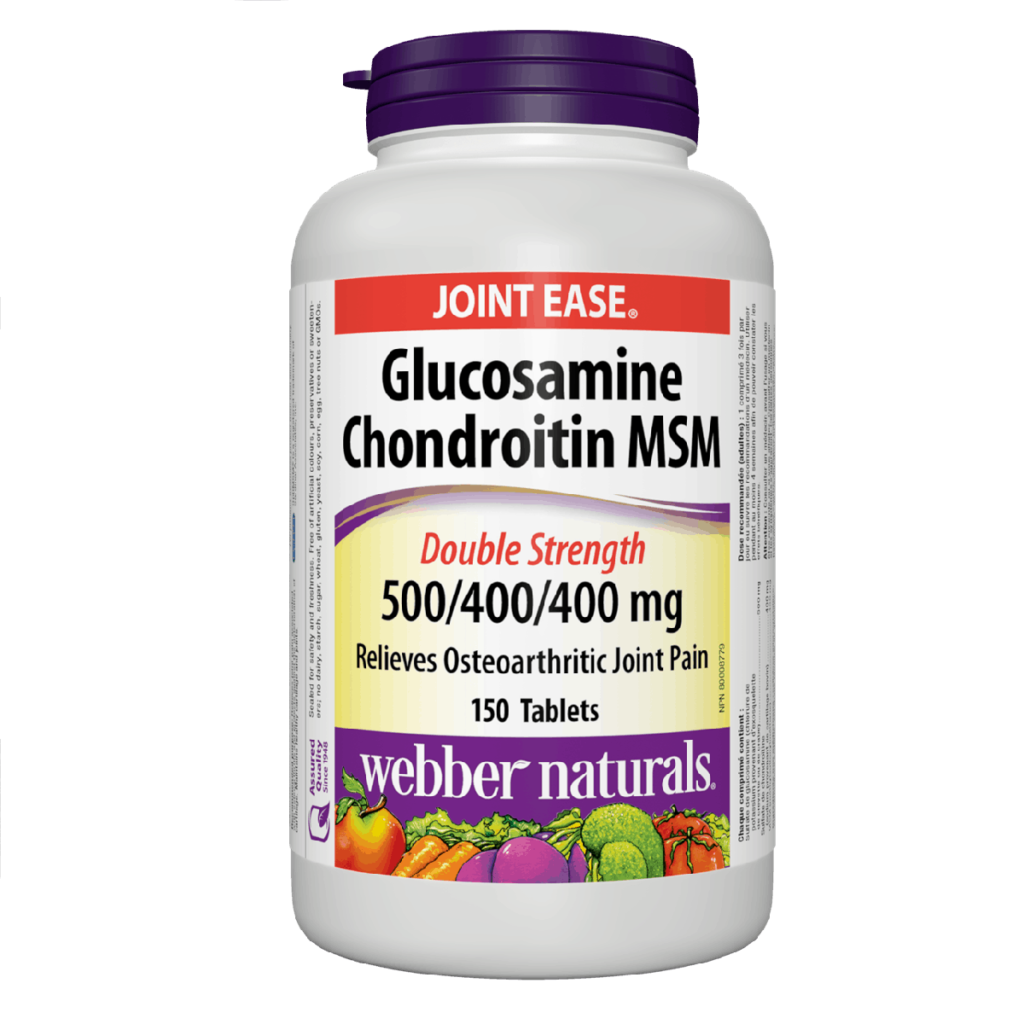
Vebegen – Bone Strengthening Supreme Glucosamine Chondroitin Capsules (500/400 mg) [Extra Strong Formula] 300 Capsules
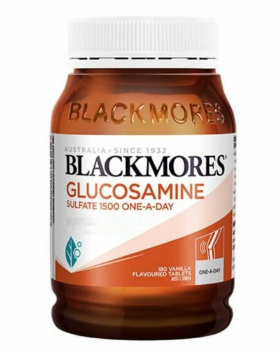
BLACKMORES – Joint Supplement 1500mg 180 tablets
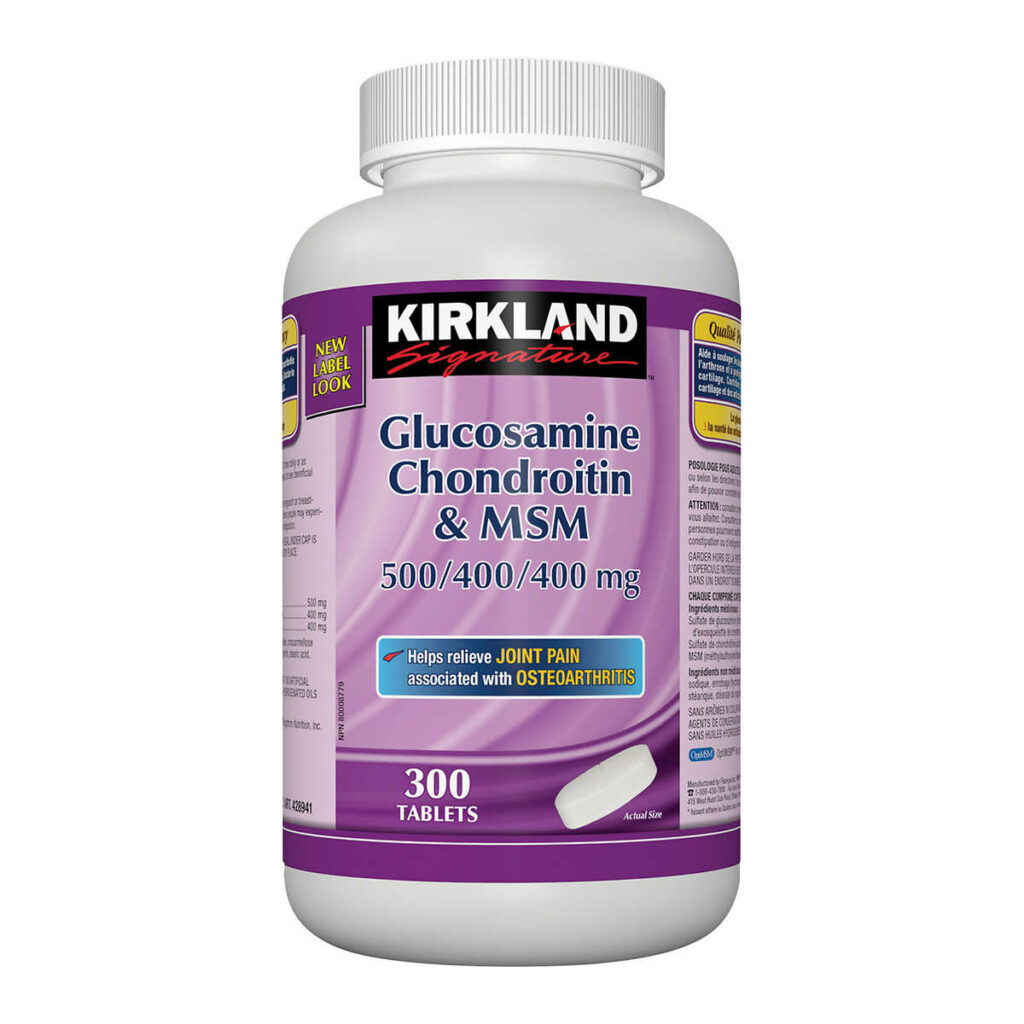
Kirkland Signature – Glucosamine & Chondroitin & MSM 500/400/400 mg 300 tablets





Author. Michael Yeung
Related Products:
-
Sale!
![維柏健 - 健骨至尊 葡萄糖胺軟骨素膠囊 (500/400毫克) + D3 [特強配方] 300粒](https://gogoherbs.com/wp-content/uploads/2019/10/Glucosamine-3-1-300x300.png)
Webber Naturals – Glucosamine Chondroitin Capsules (500/400mg) + D3 [Extra Strength] 300 Capsules
Original price was: $298.00.$265.00Current price is: $265.00. Add to basket -
Sale!
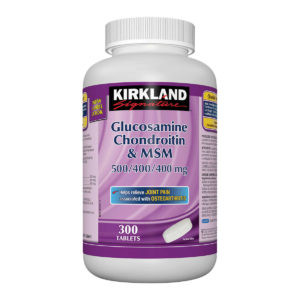
Kirkland Signature – Glucosamine & Chondroitin & MSM 500/400/400mg 300 Capsules
Original price was: $330.00.$258.00Current price is: $258.00. Add to basket -
Sale!
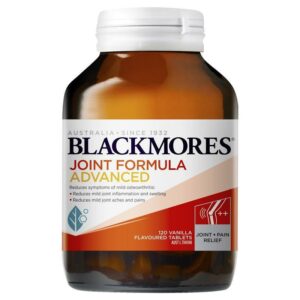
BLACKMORES – Joint Care Formula 120 capsules
Original price was: $258.00.$198.00Current price is: $198.00. Add to basket