










































Coenzyme Q10: Health Benefits, Food Sources, Nutraceutical Recommendations
Coenzyme Q10Coenzyme Q10, also known as ubiquinone 10, where Q represents the quinone group and 10 represents the number of isoprene molecules attached to its tail. Coenzyme Q10 is a fat-soluble quinone found in all eukaryotes that perform aerobic respiration. Its structure is similar to vitamin K, vitamin E, and plastoquinone. It appears as a yellow or orange solid, is insoluble in water, and decomposes easily under light, but is less affected by temperature and humidity. Coenzyme Q10 primarily plays two roles: participating in energy production and activation within human cells; and inhibiting lipid peroxidation.
Related reading:Six Foods Rich in Coenzyme Q10
Common ways to use Coenzyme Q10
1. Coenzyme Q10 is widely used in nutritional supplements.
2. Coenzyme Q10 is used in the production of skin care products.
Health benefits of Coenzyme Q10
It helps to reduce fatigue after physical activity and improve the recovery speed after physical activity.
1. It helps improve the function of vascular endothelium, helps maintain vascular elasticity, and keeps blood vessels clear.
2. Skin aging is related to a decrease in coenzyme Q10 levels. Coenzyme Q10 can be taken orally to enhance energy metabolism, eliminate free radicals, and slow down the formation of wrinkles.
3. Coenzyme Q10 has significant effects on enhancing immunity and relieving periodontal problems and gum pain.
Coenzyme Q10 Individuals
Most people can supplement with coenzyme Q10 in appropriate amounts. The body's coenzyme Q10 levels decrease with age, so people over 40 should consume coenzyme Q10 in moderation. It is recommended that adults consume 60-100 mg of coenzyme Q10 daily.
However, the following groups of people should avoid taking Coenzyme Q10 products:
1. Pregnant or breastfeeding women.
2. People who are currently taking warfarin.
3. People under 15 years old.
4. People who take Coenzyme Q10 whenever they feel weak.
Main sources of Coenzyme Q10
Coenzyme Q10 can be obtained from food or produced in the human body. Some plant-based, nut-based, and animal-based foods are rich in coenzyme Q10, but high-temperature cooking will cause coenzyme Q10 to be lost.
Foods rich in coenzyme Q10
- pig liver
- pig tendon
- Pork shoulder
- peanuts
- Broccoli
- millet
- broccoli
- Golden Kiwi
- tomato
- celery
- 橙
- eggplant
- snow peas
- lotus root
Recommended Coenzyme Q10 supplements
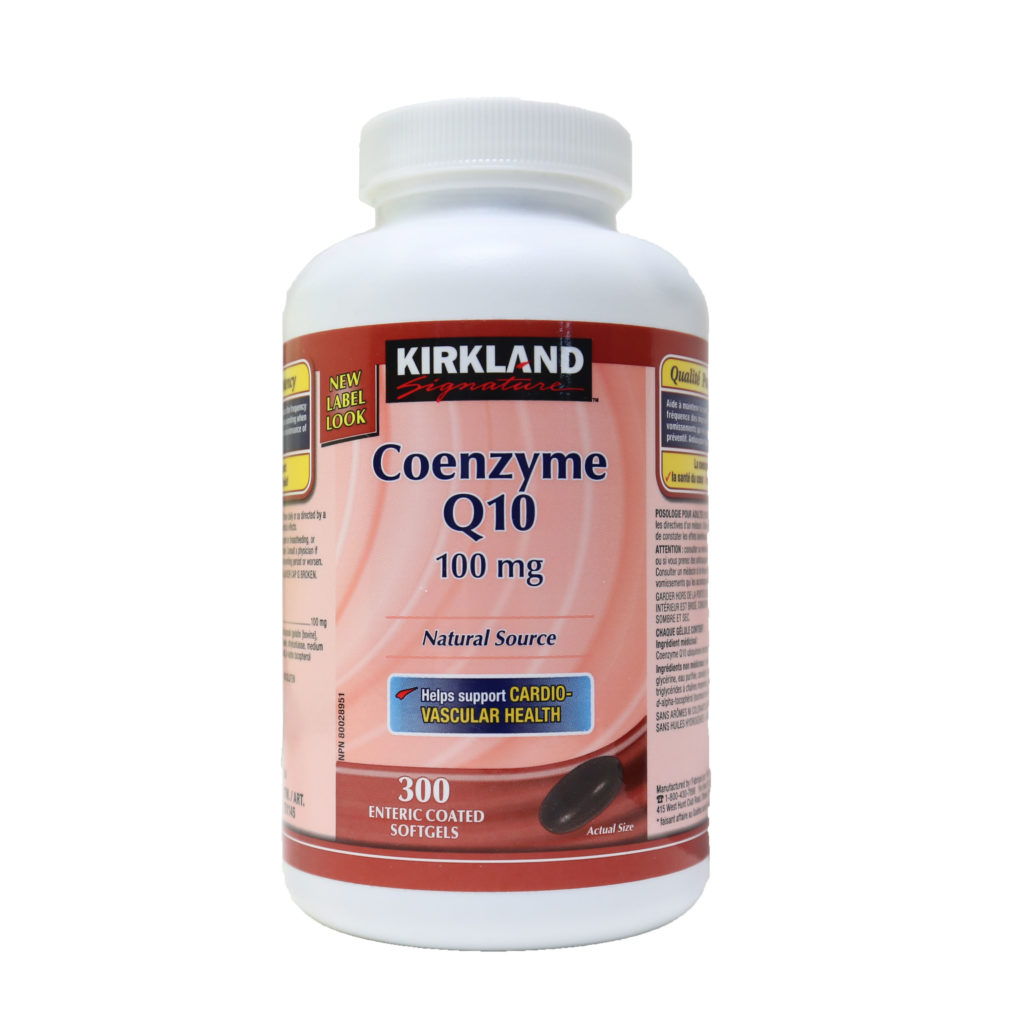
- Kirkland Signature – Coenzyme Q10 100mg 300 tablets
- Vebegen – Panthenol Coenzyme Q10 100mg 100 capsules
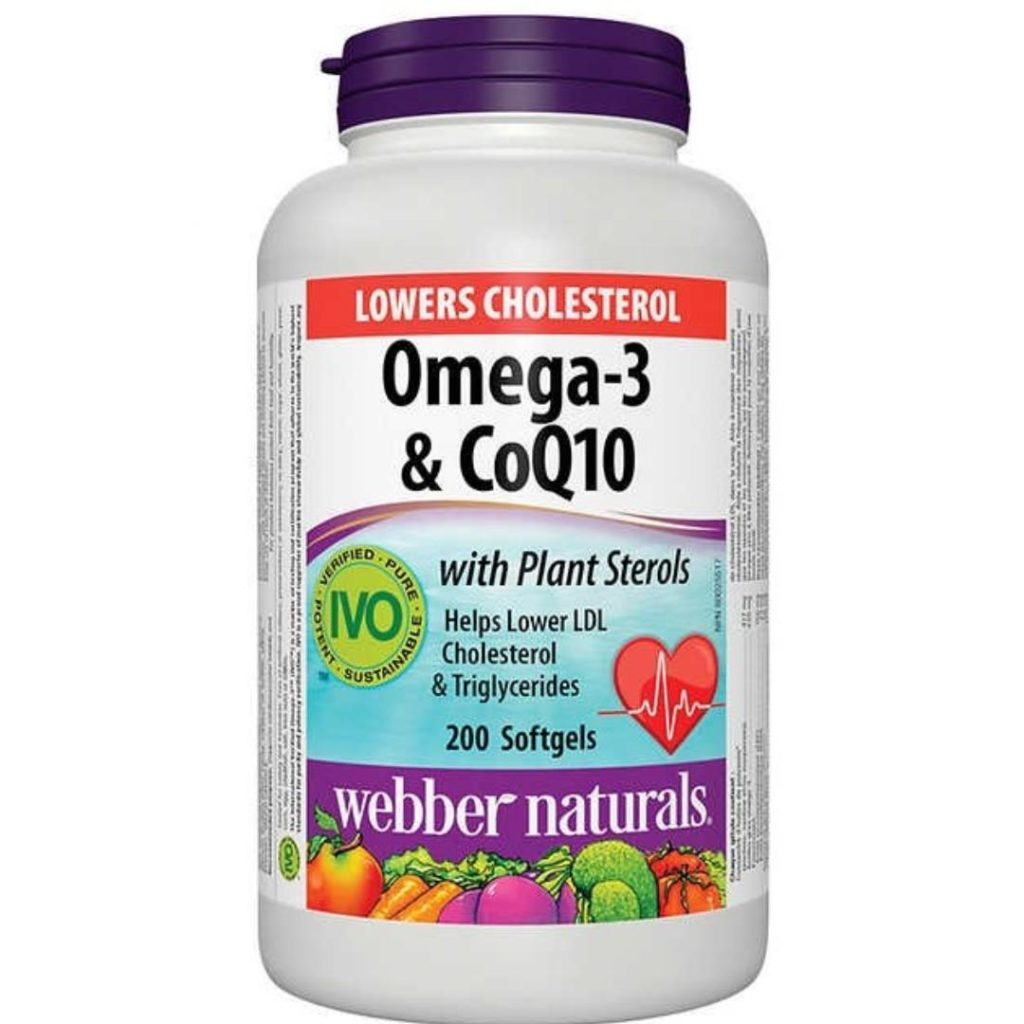
- Vibegen – Omega 3 & Coenzyme Q10 & Phytosterols 200 Capsules
More Coenzyme Q10 health supplements