


















































Understanding Immunity and Methods to Boost Immunity
immunityLike the body's defense force, the immune system helps us resist external invaders such as bacteria, viruses, and allergens. Faced with an increasing number of mutated viruses, nothing is more important than strengthening the immune system. Besides relying on health supplements, daily exercise, diet, and sleep are also crucial for boosting immunity.
Definition of immunity
Immunity refers to the body's ability to fight disease. This defense mechanism can identify substances such as viruses, bacteria, and mutated cells, and must be maintained at an appropriate level. If it is too low, the body is more susceptible to invasion; if it is too high, the immune system may attack its own healthy cells. Immunity can be further divided into:
Innate immunity
The immune system that humans are born with is non-specific, including the skin, mucous membranes, cytokines, and complement factors.
Acquired immunity
Immunity acquired later in life, such as from vaccines and the common cold.
Factors affecting immunity
1. Decreased immune system
Aging, excessive stress, smoking and drinking, lack of sleep, and malnutrition can all lead to a weakened immune system, making the body more susceptible to colds, liver problems, and other ailments.
2. An overactive immune system
Having too high an immunity is not a good thing either. When the immune function is too strong, allergic reactions such as skin allergies and asthma may occur. In more serious cases, it will lead to immune system imbalance, making it unable to properly distinguish between good and bad cells in the body. It will attack its own normal cells and tissues, causing various problems caused by immune system imbalance.
Related reading:Ways to boost immunity
How to boost immunity
1. Balanced nutrition
Food contains many trace elements, proteins, and other substances that can help boost the body's immunity. If the diet is not balanced and you only eat what you like, the immune system will not get the energy it needs, which will lead to a decline in immunity.
2. Reduce smoking and drinking.
Cigarette smoke is composed of many chemical substances, some of which can damage lung cells, interfere with the function of immune cells, and cause blood vessels to spasm, reducing the supply of nutrients and oxygen. In this case, immune cells cannot quickly and normally fight off harmful bacteria.
When you drink alcohol, not only do you get drunk, but your immune cells do too. In addition to affecting the function of the liver and pancreas, alcohol can also cause dysfunction of phagocytes, T cells, and B cells, making them unable to quickly fight off external attacks.
3. Get enough sleep
Sleep is the time when the entire body system eliminates waste and restores vitality. Getting 6-8 hours of sleep every day and maintaining the habit of not drinking alcohol or using your phone before bed allows the body to rest properly, which can regulate the "immune T cells" that fight pathogens and bacteria in cells, further increasing immunity.
4. Avoid stress
Appropriate stress can improve our performance, but excessive stress can suppress autoimmune cells and weaken the immune system.
5. Exercise more
Exercise can reduce stress, strengthen the heart and cardiovascular system, and further help control weight to prevent various chronic diseases. It also stimulates the immune system to produce anti-inflammatory cell responses, making it the most effective way to boost immunity.
Immunity-boosting health products
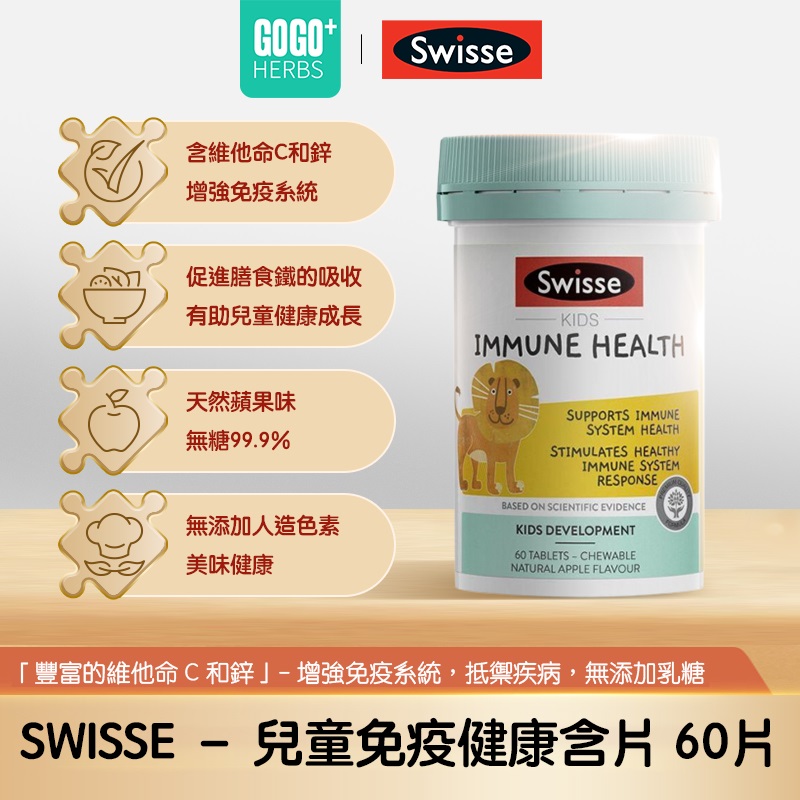
Swisse – Children's Immune Health Tablets (60 tablets)
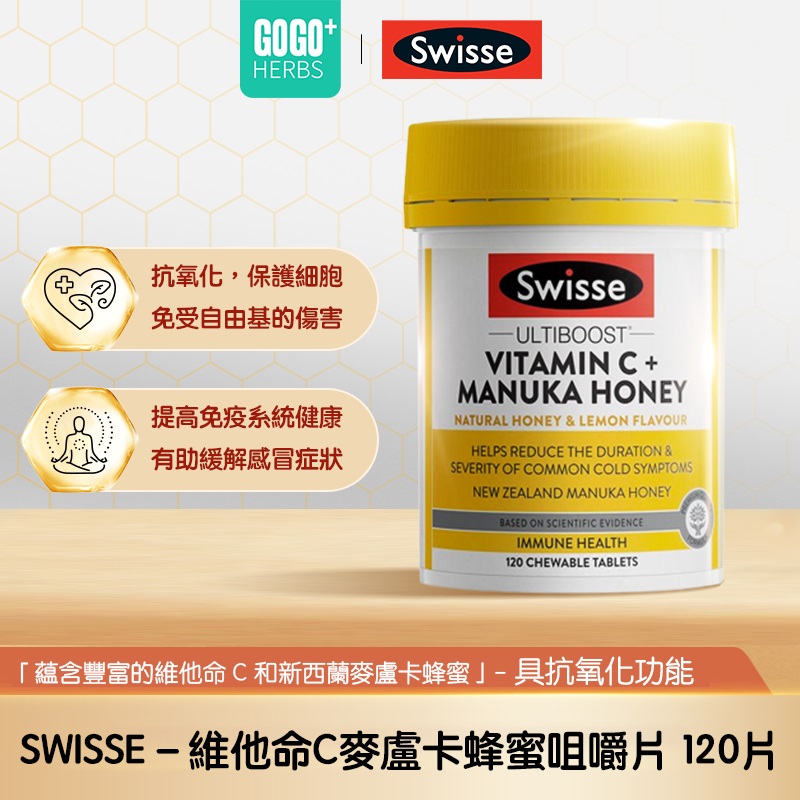
Swisse – Vitamin C Manuka Honey Chewable Tablets 120 Tablets