
























































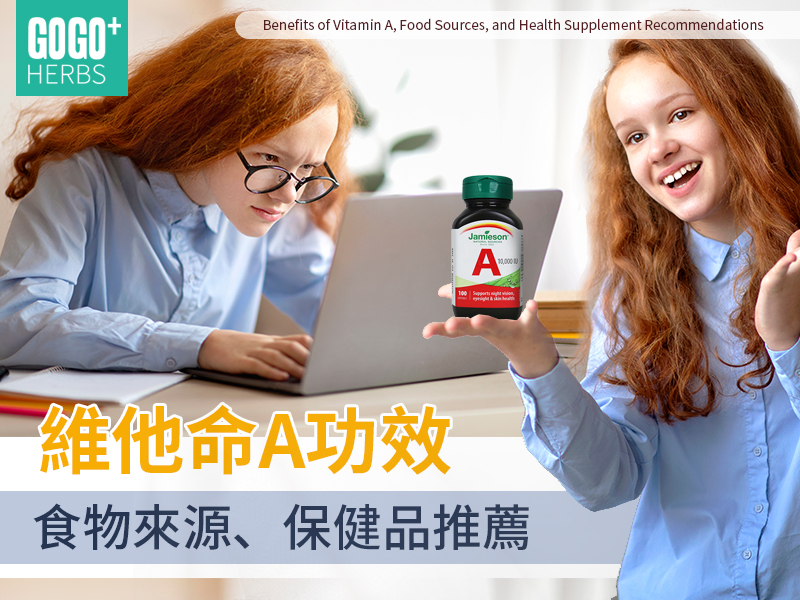
Vitamin A is not a single substance, but a collective term for a group of related compounds, which can be divided into two main categories: those derived from animal foods.Pre-made Vitamin A(Represented by retinol), and those derived from plants.Provitamin A carotenoids(Primarily composed of beta-carotene, which must be converted into retinol in the body). It has...Low-light vision, immune defense, epithelium and mucous membranes, growth and developmentAll are important; the body also stores vitamin A (80%–90%) in the liver. However, precisely because it belongs to...Fat-soluble, it will accumulate in the bodyIt is also one of the few vitamins where "taking too much can be risky." This article summarizes the effects and positioning of vitamin A, daily requirements and safe upper limits, symptoms of deficiency and excess, food content, and how to choose health supplements.
- What is Vitamin A? Two Forms and Their Roles
- The benefits of Vitamin A: A look at its evidence-based effects.
- Who needs to pay special attention to their vitamin A intake?
- How much is needed daily? What is the safe limit?
- Vitamin A deficiency and excess: Pay attention to both.
- Natural food sources of Vitamin A
- How to choose vitamin A supplements?
- When should you seek medical attention?
- Frequently Asked Questions (FAQ)
- Source of information
1. What is Vitamin A? Its two forms and roles.
依 The Office of Dietary Supplements (NIH ODS) of the National Institutes of HealthVitamin A exists in two forms in diet and supplements, with different properties and absorption rates:
| Preformed Vitamin A | Provitamin A (carotenoids) | |
|---|---|---|
| Representative ingredients | Retinol, retinyl esters, retinaldehyde, retinoic acid | β-carotene, α-carotene, β-cryptoxanthin |
| source | Only inanimal foodLiver, egg yolks, dairy products, oily fish, cod liver oil; supplements often use retinyl acetate or retinyl palmitate. | plant-based foodsOrange-yellow and dark green fruits and vegetables (carrots, sweet potatoes, pumpkins, spinach, mangoes, cantaloupes, etc.) |
| Absorption and Conversion | It can be used directly.Absorption rate approximately 701 TP4T1 TP1T901 TP4T | It needs to be converted into retinol in the body.Conversion efficiency varies from person to person(Affected by genes, dietary fats, and intestinal condition); Absorption rate range: 8.71 TP4T1 TP1T651 TP4T |
| Excess risk | It will accumulate in the liver.Excessive dosage carries the risk of poisoning.It has a tolerance limit. | It will not cause vitamin A poisoning; excessive intake will only cause yellowing of the skin (see Section 5). |
To ensure a consistent comparison, dietary guidelines and labeling generally use...Retinol activity equivalents (RAE)Calculations, in micrograms (mcg):
- 1 mcg RAE = 1 mcg retinol
- 1 mcg RAE = 2 mcg β-carotene (From supplements)
- 1 mcg RAE = 12 mcg β-carotene (From food)
- 1 mcg RAE = 24 mcg α-carotene or β-cryptoxanthin
(1) The physiological role of vitamin A in the body
依 MSD Treatment Manual (Merck) Professional Edition 與 UK NHS In the process of sorting, Vitamin A plays a major role:
- Visual:It is a synthesisrhodopsinRhodopsin, an essential component of the retina, is a photosensitive pigment responsible for...Low-light environmentBelow photosensitivity.
- Epithelial tissue and mucous membrane:It helps maintain the normal structure and function of epithelial tissues such as skin, respiratory tract, and intestines, and is important for lysosomal stability and glycoprotein synthesis.
- immunity:It helps the body’s natural defenses against infection to function properly (the NHS explicitly lists immunity as one of the main functions of vitamin A).
- Growth and development:It participates in cell differentiation and growth, which is especially important for developing children.
- Iron metabolism:It is related to iron utilization and red blood cell production, so long-term deficiency may also be associated with anemia.
(2) The liver is the main storage reservoir.
The body usually The vitamin A in 80%–90% is stored in the liver.It is released into the bloodstream only when needed, and is transported along with retinol-binding proteins. This is also the source of two practical conclusions:You don't need to eat a full amount every day.(There will be reserves), butEating too much over a long period of time will accumulateThis can increase the burden on the liver.
2. The benefits of Vitamin A: A step-by-step look at its evidence-based effects.
(1) Maintain normal vision, especially low-light vision.
This is the most well-documented and classic function of vitamin A. In the process of the retina converting light into nerve signals, rhodopsin needs to be repeatedly "decomposed and regenerated," and retinaldehyde is the key molecule in this process.The earliest symptom of vitamin A deficiency is night blindness.—Difficulty seeing in dim light or at night. If not maintained consistently, this can progress to…Dry eye syndrome (xerophthalmia)It can affect the cornea and even cause permanent vision damage.
However, two things need to be clarified: Vitamin A is...Maintain normal visual functionEssential nutrients,It is not used to "prevent or correct nearsightedness".The solution is as follows: Myopia is a refractive problem (due to an excessively long axial length of the eyeball or the shape of the cornea or lens), which requires correction with glasses, contact lenses, or surgery.
(2) Support immune defense and mucosal barrier
Vitamin A maintains the integrity of epithelial tissues and mucous membranes, the body's first line of defense against pathogens; it also participates in the normal functioning of immune cells. A deficiency in Vitamin A and...Increased risk of infectionRelated to, especially, respiratory, intestinal, and measles-related infections—this is one of the reasons why children in areas lacking vitamin A receive vitamin A supplementation internationally.
(3) Growth, development and cell differentiation
Vitamin A participates in cell differentiation and growth, and plays a role in glycoprotein synthesis.MSD Diagnostic ManualA long-term deficiency in children can affect their normal growth and development, which is why it is listed as one of the essential nutrients for children.
(4) Normal metabolism of skin and mucous membranes
Vitamin A participates in the normal metabolism of skin and mucous membrane epithelial cells and plays a fundamental role in maintaining the skin barrier. It is worth noting that:Vitamin A family members (retinoids) have important prescription applications in dermatology.(such as topical or oral preparations for acne and psoriasis), but those areDoctor's prescription drugsIts mechanism, dosage, and risks are different from those of daily health supplements and should not be confused with them. It is also not an effect that can be achieved by taking high doses of vitamin A on your own.
- "Vitamin A can make bones stronger" → The direction needs to be corrected.Vitamin A is necessary for growth and development, butExcessive long-term intake is associated with bone loss and an increased risk of fractures..according to NHSOver many years, an average daily intake exceeding 1.5 mg (1,500 mcg) may affect bone health; the MSD treatment manual also indicates that daily intake exceeding 4,500 IU (approximately 1,500 mcg RAE) in adults may be associated with osteoporosis. Therefore...The key to bone health is "not to overdo it," not to rely on vitamin A to strengthen bones.。
- "Helps improve age-related macular degeneration" → Needs to be more precise.Vitamin A (retinol) is mainly associated withDark-light visionRelated. Regarding macular degeneration (AMD), currently the formula with empirical support is...Lutein + ZeaxanthinThe combination (AREDS2), and AREDS2 hasRemove the original beta-caroteneThe reason is that high doses of beta-carotene increase the risk of lung cancer in smokers. Therefore, for AMD,It is not recommended to use beta-carotene as a supplement for eye health.For details, please see the article "What is Lutein?" on this website.
- "For external use, it can treat acne, pustules, and ulcers" → This falls under the category of prescription drugs and cannot be described as having the effects of health products.The use of retinoid medications requires evaluation and prescription by a doctor, and there are several side effects and contraindications (especially during pregnancy). The section on health supplements only describes the ingredients and dosage, and makes no claims regarding therapeutic effects or treatments.
3. Who needs to pay special attention to their vitamin A intake?
Vitamin A differs from other vitamins and is worth noting.It's not just about "not having enough to eat".This also includes two situations: "eating too much" and "impaired absorption":
- People who eat little fruit, vegetables, eggs, milk, and oily fish:These two categories of food are the main sources of vitamin A; those who frequently eat out, have unbalanced diets, or engage in extreme dieting are more likely to have insufficient intake.
- For those with poor fat absorption:Vitamin A is fat-soluble. Those with conditions that affect fat absorption (such as pancreatic, biliary, or intestinal diseases), those who have undergone weight-loss surgery, or those currently taking vitamin A should avoid it.Drugs that inhibit fat absorption (such as orlistat)Absorption will decrease significantly, and this group belongs to the group that needs to discuss supplementation with a doctor.
- Patients with liver disease or frequent drinkers:The liver is the main organ for storing and metabolizing vitamin A. When liver function is impaired, the metabolism and storage of vitamin A will be affected; long-term alcohol consumption will also interfere with vitamin A metabolism and increase the burden on the liver.People in this category should consult a doctor before taking supplements and should not increase the dosage on their own.
- Pregnant women and those planning to become pregnant:The key is not "supplementing more", but...Be careful not to overdose.High doses of pre-prepared vitamin A are associated with an increased risk of birth defects, and pregnant women should also avoid animal liver and liver products (see Section 5).
- Breastfeeding mothers:Vitamin A is secreted into breast milk, and the amount ingested can affect the baby's intake. Please consult your doctor for recommended dosage and selection.
- Infants and children:More sensitive to Vitamin AThe age and dosage must be strictly followed as indicated on the product label.Keep out of reach of children to prevent accidental ingestion.
- Elderly people (especially postmenopausal women):The individual has a higher risk of osteoporosis and needs to be aware of this.Avoid long-term high-volume intake.A group of people.
- Smokers or former smokers:應Avoid high-dose beta-carotene supplements(See Section 5).
4. How much is needed daily? What is the safe limit?
(1) Recommended Daily Intake (RDA)
依 NIH ODS Recommendations (US Dietary Reference Intakes; UK Dietary Reference Intakes) NHS The value is slightly lower (based on dietary intake only).
| ethnic groups | Recommended Daily Intake (mcg RAE) | Converted to IU (approximately) |
|---|---|---|
| Adult males (19 years and older) | 900 | About 3,000 IU |
| Adult women (19 years and older) | 700 | About 2,330 IU |
| Pregnancy | 770 | Approximately 2,565 IU |
| Breastfeeding | 1,300 | Approximately 4,330 IU |
| Children 1–3 years old | 300 | Approximately 1,000 IU |
| Children 4–8 years old | 400 | Approximately 1,330 IU |
| Children 9–13 years old | 600 | Approximately 2,000 IU |
| Teenagers 14–18 years old | 900 for men; 700 for women | About 3,000/2,330 IU |
(The UK NHS recommends 700 mcg for adult men and 600 mcg for adult women. Reference values may vary slightly from country to country, which is normal; the key point is...)A balanced diet is usually sufficient.There's no need to deliberately pursue high volumes.
(2) Tolerable Upper Intake Level (UL)
- This upper limitApplicable only to supplements of animal origin and in pure retinol/retinyl ester form.FromThere is no upper limit to the amount of beta-carotene in food.(Because it does not cause vitamin A poisoning).
- When calculating, you shouldFood + SupplementsLet's calculate it together. If you frequently eat animal liver and also supplement with products containing vitamin A, it's easy to exceed the recommended daily intake.
- The NHS has stricter warnings for specific ethnic groups:Postmenopausal women and older men (who already have a higher risk of osteoporosis) should consume a combined amount of Vitamin A from food and supplements.The dosage should not exceed 1.5 mg (1,500 mcg) per day.。
- If you eat liver or liver products (such as liver pâté) every week, the NHS recommends...Stop taking vitamin A supplements.。
5. Vitamin A deficiency and excess: Pay attention to both.
(1) Deficiency: Causes and manifestations
依 NIH ODSThe lack usually stems from three types of reasons:Insufficient intake、Fat malabsorption,orLiver disease and alcoholismIn areas with a balanced diet, vitamin A deficiency is rare; however, in resource-limited areas, vitamin A deficiency remains one of the leading causes of preventable blindness in children.
- Earliest signs:Night blindness (poor vision in dim light).
- Eyes:Dry eye syndrome can cause permanent vision damage when the cornea is affected.
- other:Increased risk of infection (especially respiratory, intestinal, and measles-related infections); impaired growth and development in children; related to iron metabolism, which may be accompanied by anemia.
- Laboratory Reference:A plasma retinol level ≤20 mcg/dL usually reflects moderate deficiency, while ≤10 mcg/dL indicates severe deficiency. However, serum levels are not always reliable—blood concentrations may not decrease until liver reserves are nearly depleted.
(2) Excess: The more easily overlooked end than deficiency.
The following dosage thresholds and performance are based on MSD Treatment Manual Professional Edition:
| Acute poisoning | Chronic poisoning | |
|---|---|---|
| Common Situations | Children who accidentally ingest large doses (a single dose >300,000 IU, i.e. >100,000 mcg RAE) | For several consecutive months, daily intake >100,000 IU (>30,000 mcg RAE); or receiving high-dose vitamin A treatment for skin problems. |
| Main manifestations | Symptoms include headache, rash, increased intracranial pressure, drowsiness, irritability, abdominal pain, nausea, and vomiting, followed by possible skin peeling. | Thinning and coarse hair, eyebrow loss, dry and rough skin, dry eyes, chapped lips; later stages include severe headaches, pseudotumor cerebri (idiopathic intracranial hypertension), general weakness, bone hyperplasia and joint pain.More prone to fractures (especially the elderly). |
| deal with | Symptoms usually subside after stopping vitamin A intake. 1–4 Relief within the week(Once a birth defect has occurred, it cannot be reversed.) | |
- "Single dose exceeding 200,000 mg" → Incorrect unit.The threshold for acute poisoning isInternational Units (IU) or Micrograms of RAEIt is not milligrams—200,000 milligrams equals 200 grams, which is not a reasonable value.
- "Long-term daily intake of more than 10,000 micrograms can lead to poisoning" → This is inconsistent with the official upper limit.The maximum tolerable intake for adults is 3,000 mcg RAE per day; the chronic toxic dose recorded by the MSD is more than 30,000 mcg RAE per day for several months.The safe practice is to limit daily intake to no more than 3,000 mcg and to combine food and supplements in the calculation.
(3) Yellowing of the skin does not necessarily mean vitamin A poisoning.
Excessive intake of carotenoids (such as frequently drinking carrot juice or eating large amounts of pumpkin and sweet potato) can lead to...CarotenemiaThe skin (especially the palms and soles) turns yellow. Pay attention to three points:
- This is not vitamin A poisoning.MSD clearly states that excessive intake of carotene will only lead to carotenemia, not vitamin A poisoning.
- The whites of the eyes will not turn yellow.Carotenemia affects the skin, butIt does not affect the sclera (white of the eye).This is it andjaundiceThe most important distinction is that jaundice is caused by elevated bilirubin levels, which also causes the whites of the eyes to turn yellow and is associated with liver and gallbladder diseases.If the whites of your eyes turn yellow, you should seek medical attention as soon as possible.
- Yellowish skin usuallyHarmless, recovery is possible after reducing intake.。
(4) Interactions among the three classes of drugs (important)
依 Memorial Sloan Kettering Cancer Center (MSKCC) Compilation with NIH ODS:
- Drugs that inhibit fat absorption (such as orlistat):It can reduce the absorption of vitamin A, other fat-soluble vitamins, and beta-carotene. MSKCC recommends that users supplement with a daily multivitamin containing vitamins D, E, K, and beta-carotene, and take it with this medication.At least 2 hours apart。
- Oral prescription retinoids (such as acitretin, bexarotene, isotretinoin):Using with Vitamin A supplements willIncreased risk of poisoning and side effects (such as itchy, dry skin).While taking this type of medication, you should not consume more than the minimum recommended amount of vitamin A.
- Anticoagulants (such as warfarin):High doses of vitamin A mayEnhanced anticoagulant effect, increased risk of bleeding or bruisingThis requires monitoring by a healthcare professional. If you are currently taking this type of medication,Consult a doctor before taking any supplements.。
6. Natural food sources of Vitamin A
The following is NIH ODS Summary of common food content (per serving; Daily Recommended Value based on 900 mcg RAE):
| Food (portion) | Vitamin A (mcg RAE) | Daily value |
|---|---|---|
| Beef liver (fried, 3 ounces) | 6,582 | 731% |
| Roasted sweet potato (with skin, 1 piece) | 1,403 | 156% |
| Spinach (frozen, cooked, ½ cup) | 573 | 64% |
| Pumpkin pie (ready-made, 1 piece) | 488 | 54% |
| Carrots (raw, ½ cup) | 459 | 51% |
| Herring (pickled, 3 oz) | 219 | 24% |
| Ice cream (Vanilla soft serve, ⅔ cup) | 185 | 21% |
| Skim milk (fortified with vitamins A and D, 1 cup) | 149 | 17% |
| Hami melon (unripe, ½ cup) | 135 | 15% |
| Ricotta (1/2 cup) | 133 | 15% |
| Red bell pepper (raw, ½ cup) | 117 | 13% |
| Mango (unripe, 1) | 112 | 12% |
| Fortified cereal breakfast (1 serving) | 90 | 10% |
| Boiled egg (1 large egg) | 75 | 8% |
| Broccoli (cooked, ½ cup) | 60 | 7% |
| Salmon (cooked, 3 oz) | 59 | 7% |
- The liver stands out:Its content is much higher than in other foods. NHS recommends...Do not eat more than once a weekLiver or liver products (such as liver pâté); pregnant womenShould be completely avoided。
- Animal source:Liver, egg yolks, milk and dairy products, oily fish (salmon, sardines, mackerel, etc.), and cod liver oil. These provide readily available, pre-formulated vitamin A.
- Plant-based source:Carrots, sweet potatoes, pumpkins, dark green leafy vegetables (spinach, kale), red bell peppers, mangoes, cantaloupe, papayas, and dried apricots. These provide carotenoids that need to be converted.
- The way of eating differs:According to the MSD treatment manual, carotenoids in vegetablesAfter being cooked with oil (such as cooking oil) and then chopped and blended, the food is absorbed much better.Therefore, stir-frying carrots with oil or adding a little oil to sweet potatoes is more effective than eating them raw.
7. How to choose vitamin A supplements?
There aren't many pure "vitamin A" products on the market; most are formulated with...MultivitaminIt appears in various forms. When choosing, keep these points in mind:
- First, look at the shape:Is it labeled as "retinol/retinyl acetate/retinyl palmitate" (pre-formulated vitamin A, which can accumulate) or "β-carotene" (a milder source with no risk of poisoning)?
- Calculate the total amount again:把Food + all supplementsThe total vitamin A intake should not exceed 3,000 mcg RAE per day (for postmenopausal women or older men, the NHS recommends a limit of 1,500 mcg). If you are already taking cod liver oil, that should also be included in the calculation.
- For compound products, check for "whether they contain overlapping ingredients":Taking both multivitamins and vitamin A alone can easily lead to double counting.
- Check for any interactions between magnesium/iron or other minerals and existing medications.For example, iron-containing products and some antibiotics should be taken at different times.
- See the target audience and age restrictions:Pregnant women should choose low-dose or beta-carotene-based formulas and consult a doctor first; children's products must be used according to the indicated age and dosage.
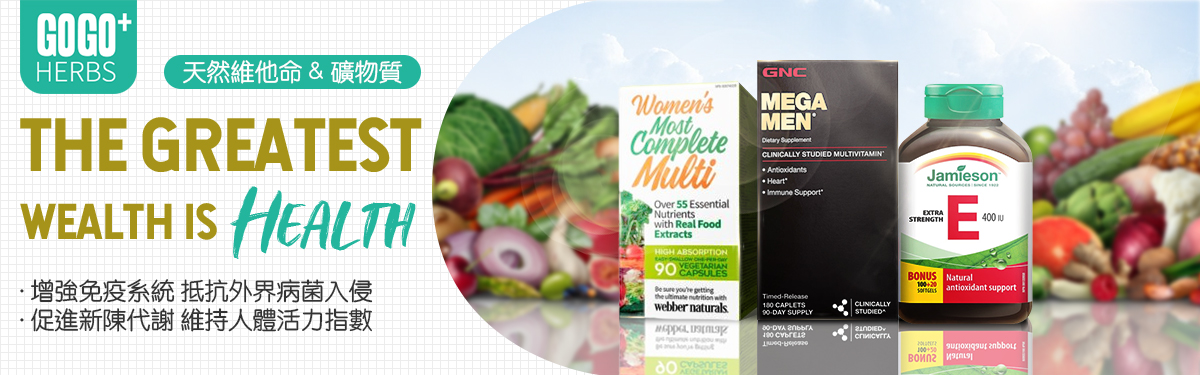
To compare different formulas, browse Gogo Herbs' Vitamins & Multivitamins category and choose the right combination for you by form (retinol or beta-carotene), daily intake, and age group.
8. When should you seek medical attention?
Vitamin A deficiency and excess can both manifest through bodily signals. Please note the following:Seek medical attention as soon as possible:
- Vision deteriorates significantly at night or in dim light.If you experience persistent dryness and discomfort in your eyes, you should have your eyes evaluated by an ophthalmologist or doctor. Do not attribute it to a "vitamin deficiency" and blindly supplement with vitamins.
- Yellowish whites of the eyes(Jaundice signs) - Liver and gallbladder function should be checked as soon as possible.
- Long-term use of high doses of vitamin A may cause persistent headaches, blurred vision, dry and cracked skin, and joint or bone pain.— It should be discontinued and a medical evaluation should be sought.
- Children accidentally ingest large amounts of vitamin A or iron supplements—This is an emergency; seek medical attention immediately.
- Pregnant or planning to become pregnantAnd you are currently taking vitamin A supplements—please consult your doctor to adjust accordingly.
- Currently taking anticoagulants, oral retinoids, or weight loss medicationsConsult a doctor or pharmacist before considering supplementing with vitamin A.
9. Frequently Asked Questions (FAQ)
Q1. What are the two forms of Vitamin A? What are the differences between them?
Divided into animal sourcesPre-made Vitamin A(Retinol, retinyl esters, etc., can be used directly, with an absorption rate of approximately 70%–90%) and plant-based sourcesProvitamin A carotenoids(Primarily beta-carotene, which must be converted in the body; the conversion efficiency varies from person to person). The key difference is that pre-formulated vitamin A accumulates in the liver.Excessive dosage carries the risk of poisoning.Carotenoids do not cause vitamin A poisoning.
Q2. Can Vitamin A protect eyesight? Can it prevent nearsightedness?
Vitamin A is synthetic.RhodopsinEssential components, forDark-light visionIt is very important; a deficiency can lead to night blindness. However, it is a nutrient that "maintains normal visual function."It cannot prevent or correct myopia.Nearsightedness is a refractive error that requires correction with glasses, contact lenses, or surgery. If considering eye health supplements, lutein and zeaxanthin are more empirically supported for addressing the macula.
Q3. Are carrots really good for your eyes?
Carrots provide beta-carotene, which the body converts into vitamin A, and vitamin A is indeed necessary for vision—so the direction of "good for the eyes" is correct. However, two points should be noted: first, the conversion efficiency is limited.Eating large amounts of carrots will not make your eyesight sharper.Secondly, long-term, excessive intake of carotenoids can cause the skin (especially the palms and soles) to turn yellow. This is a harmless and reversible form of carotenemia, which is different from jaundice.
Q4. How much Vitamin A can I take every day?
The recommended daily intake for adults is 900 mcg RAE for men and 700 mcg RAE for women, which can generally be achieved through a balanced diet. If supplements are taken, the recommended daily intake for adults is...The tolerable upper intake level (TAD) of pre-prepared vitamin A is 3,000 mcg RAE.(Approximately 10,000 IU), and also require food and supplements.Combined calculationFor postmenopausal women and older men, the NHS recommends a combined intake of no more than 1,500 mcg.
Q5. What happens if you take too much Vitamin A?
There are two types: acute and chronic. Acute cases are more common in children who accidentally ingest large doses, and manifest as headache, rash, increased intracranial pressure, nausea, and vomiting. Chronic cases are more common in individuals who ingest more than 30,000 mcg of RAE daily for several months, and manifest as thinning hair, eyebrow loss, dry and rough skin, and chapped lips. Later, severe headaches, joint pain, and increased susceptibility to fractures may occur. Symptoms usually subside within 1–4 weeks after cessation of intake. Birth defects caused by high-dose intake in pregnant women are irreversible.
Q6. Is yellowing skin a sign of vitamin A poisoning?
No. Long-term, excessive intake of carotenoids (such as carrots, pumpkins, and sweet potatoes) can cause...CarotenemiaYellowing of the skin (especially the palms and soles) is harmless and will reverse after reducing the dosage.It will not cause the whites of the eyes to turn yellow.—This is precisely withjaundiceThe difference: Jaundice is caused by elevated bilirubin levels, which can also cause the whites of the eyes to turn yellow, and it is associated with liver and gallbladder diseases. If the whites of your eyes turn yellow, please seek medical attention as soon as possible.
Q7. Can pregnant women take vitamin A supplements?
The key point is "don't overdose." High doses of pre-formulated vitamin A (more than 3,000 mcg RAE daily) are associated with an increased risk of birth defects, and pregnant women should also avoid them.Completely avoid animal liver and liver productsIf you are considering supplementation due to dietary restrictions, you should consult a doctor first, and it is advisable to use low-dose or beta-carotene-based formulas.
Q8. Can smokers take beta-carotene supplements?
Not recommended. Multiple large randomized controlled trials have shown that...High doses of beta-carotene supplements may increase the risk of lung cancer in smokers and former smokers (as well as those exposed to asbestos).This is why the AREDS2 eye care formula removes beta-carotene and replaces it with lutein and zeaxanthin. Smokers or former smokers considering supplementation should choose a formula without beta-carotene and consult a doctor first.
Q9. Can I take vitamin A while taking medication?
It depends on the type of medication.Drugs that inhibit fat absorption (such as orlistat)It can reduce vitamin A absorption; therefore, there should be at least a 2-hour interval between taking it and supplements.Oral retinoid prescription drugsUsing it together with Vitamin A increases the risk of poisoning and side effects;Anticoagulants (such as warfarin)Taking vitamin A concurrently with high doses may increase the risk of bleeding or bruising. Anyone on long-term medication should consult a doctor or pharmacist before supplementing.
10. Sources of information
- NIH Office of Dietary Supplements — Vitamin A and Carotenoids, Health Professional Fact Sheet (morphology, RAE conversion, RDA and UL, deficiency criteria, food content table, beta-carotene and lung cancer risk in smokers, drug interactions)
- NIH Office of Dietary Supplements — Vitamin A and Carotenoids, Consumer Fact Sheet (General Reader Version)
- NHS — Vitamins and minerals: Vitamin A (Function, 700/600 µg Reference Value, 1.5 mg Bone Health Reminder, Liver Health and Pregnancy Recommendations, Food Sources)
- MSD Treatment Manual Professional Edition (Merck) — Vitamin A Poisoning (Acute/Chronic Dose Thresholds and Symptoms, Rhodopsin, Glycoprotein Synthesis, Liver Storage 80%–90%, Differentiation between Carotenemia and Jaundice, Carotenoids and Fat Easier Absorption During Cooking)
- Memorial Sloan Kettering Cancer Center — Vitamin A (interactions and recommendations with warfarin, orlistat, and retinoids)
- National Eye Institute — AREDS 2 Supplements for AMD (AREDS2 formula does not contain beta-carotene; smokers should choose AREDS2)
This article is for general nutritional information only and does not constitute medical diagnosis, treatment, prevention advice, or prescription, nor does it guarantee the effectiveness of any product. Every reader's physical condition, diet, and medication use are different; vitamin A supplements cannot replace a balanced diet, eye exams, corrective lenses, or doctor's prescriptions, nor can they replace medical care for any illness. Pregnant women, those planning to become pregnant, breastfeeding mothers, infants and children, the elderly, those with abnormal liver function, and those taking prescription medications (especially anticoagulants, oral retinoids, and weight-loss drugs) should consult a doctor or registered pharmacist before supplementing with any health products. Vitamin A is fat-soluble and accumulates in the body; do not take high doses long-term without medical supervision. Product ingredients, content, dosage form, and recommended dosage are subject to the information on the actual product page and packaging. External links in this article are subject to their original publishing institutions.
Related Products:
-
Sale!
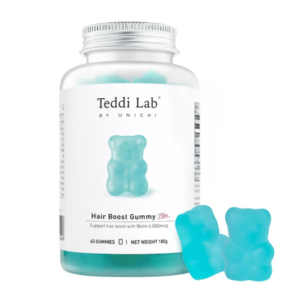
Unichi – Teddi Lab® Gummy Bears Gummy Bears for Hair Growth Upgraded Sea Salt and Green Titanium Flavour 60 Capsules
Original price was: $170.00.$125.00Current price is: $125.00. Add to basket -
Sale!
Jamieson – Long Lasting Vitamin C 1000mg 100 Tablets
Original price was: $138.00.$108.00Current price is: $108.00. Add to basket -
Sale!
Jamieson – Natural Vitamins B complex 50 120 capsules
Original price was: $168.00.$98.00Current price is: $98.00. Add to basket -
Related Post:
![母親用滴管把少量植物藻油滴在食物匙上,幼兒坐在餐桌旁]()
A Complete Guide to Plant-Based Algae Oil Omega-3: Odorless, Vegetarian, and Suitable Omega-3 Choices for Pregnant Women and Infants
![牛樟芝子實體與膠囊製品示意]()
What is Antrodia camphorata? A complete guide to its ingredients, research evidence, and precautions for consumption.
![世界心臟日護心飲食場景,香港中年夫婦享用豆漿、豆腐、雞蛋與堅果,旁有心臟及細胞膜卡通示意]()
World Heart Day: Heart Health in Hong Kong Starts with Daily Life | What are the Benefits of Lecithin? Which of Three 1200mg Products to Choose From?
![香港成年人在家閱讀與休息,從日常習慣開始理解腦部健康]()
魚油、迷你膠囊還是B12?腦部健康熱銷8款的配方與日常選擇