














































What is the difference between probiotics and prebiotics?
As the saying goes, "all diseases originate from the gut," a healthy gut can help us stay away from illness and maintain a healthy, youthful body! When it comes to maintaining gut health, the first nutrients that come to mind are probably...probiotics"Okay! So, have you ever heard of 'prebiotics,' which sounds somewhat similar to probiotics? Although..."probiotics和probioticBoth are elements that have a positive effect on the digestive system, but what exactly is the difference between them?
What are probiotics?
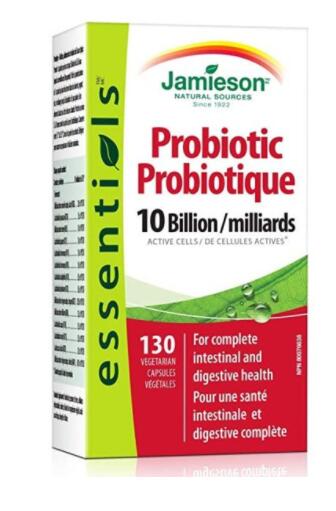
Our intestines are home to many different types of bacteria, which can be divided into "good bacteria" and "bad bacteria." Probiotics are a type of "good bacteria" in the gut, effectively balancing the intestinal environment and inhibiting the growth of harmful bacteria, offering benefits to the human body far beyond simply maintaining gut health.
- Combating constipation and gastrointestinal discomfort: Probiotics can improve the balance of the host microbiome and promote intestinal peristalsis, thereby improving constipation.
- Relieving Skin Problems: Environmental factors can affect the growth of gut bacteria in young children, and many studies have found a close relationship between the types of gut bacteria and skin problems. Probiotics can enhance skin immunity, protecting it from environmental irritants.
- Weight management: Among the hundreds of bacteria in the gut, there are so-called "fat bacteria" and "lean bacteria". Inhaling more probiotics can help the gut produce more "lean bacteria" and help the body lose weight.
- Boosting Immunity: In addition to digestion and absorption, the gut is also an important immune organ. Studies have shown that probiotics in the gut can help boost immunity and reduce the risk of catching a cold.
What are prebiotics?
Simply put, prebiotics are actually "food" for probiotics. Prebiotics are mainly carbohydrates, which have no biological activity and therefore cannot be directly absorbed by the human body. Although the human body cannot absorb prebiotics, they act like fertilizer for the probiotics in the gut, providing them with nutrients and promoting their growth in our intestines.
When should you take probiotics?
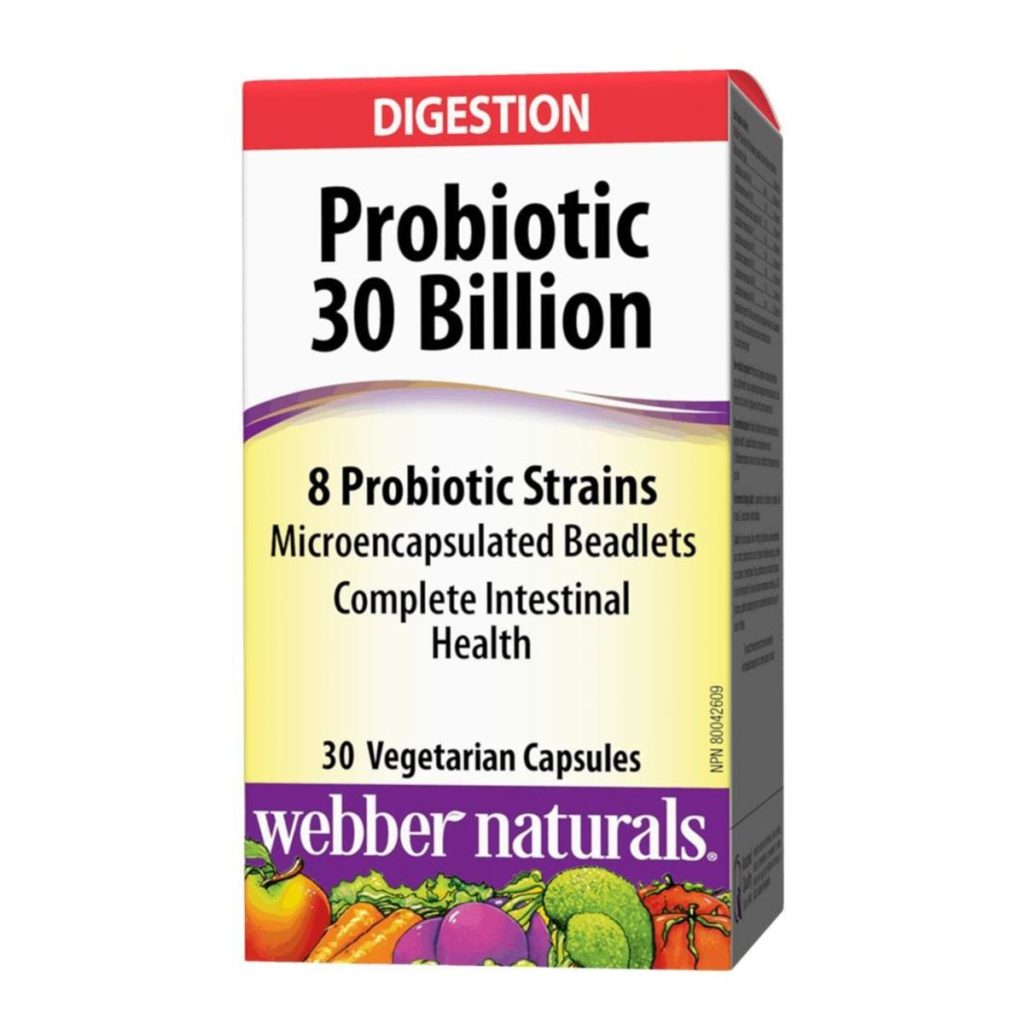
Probiotics offer numerous benefits, and everyone should learn the secrets to maximizing their effectiveness! While the dosage is important, the timing of consumption is equally crucial! The survival rate of probiotics is closely related to the temperature and acidity of the intestines. Probiotics are neither heat-resistant nor acid-resistant; their ideal survival temperature is 40 degrees Celsius, and their optimal pH level is 4-7. After eating, the stomach secretes a large amount of acid to aid digestion, significantly increasing intestinal acidity and drastically reducing the survival rate of probiotics. Therefore, the first two hours after a meal are the most difficult time for probiotics to survive. Conversely, clinical studies show that 15-30 minutes before a meal is the fastest time for probiotics to enter the body and survive most safely. Therefore, it is recommended to take probiotics before meals.
Related Post:Do you know the benefits of probiotics?
Probiotic food sources
Besides various probiotic supplements, probiotics can usually be found in fermented foods, including the following:Probiotic food sourcesWhy not add them to your daily menu?
- Pickle
- Natto
- Miso
- Cheese Yogurt
- Cheese