
















































Dietary guidelines during pregnancy
In some traditions around the world, it is often believed that "fetal development is related to the mother's diet," and this is indeed true. A mother's lifestyle and dietary habits during pregnancy and breastfeeding significantly influence the child's health. Today, one of the biggest concerns for expectant mothers is what foods they should eat during pregnancy.
During pregnancy, malnutrition is a significant risk for expectant mothers. It's crucial for them to understand that the fetus is also a life, requiring a substantial supply of nutrients for its growth. After conception, the fetus becomes entirely dependent on the mother's nutritional reserves to share its needs. However, pregnant women often cannot meet the growing nutritional demands of the fetus. This risk is even higher for certain groups of women, such as those with dietary restrictions, smokers, or those who are underweight or overweight.
The Importance of Pregnancy Meal Plans
Understanding what to eat during pregnancy is crucial for ensuring the long-term health of your child. Because pregnant women pay attention to their diet and avoid overeating, this helps establish healthy eating habits in the first 1000 days of a child's life (from conception to two years after birth) and also plays an important role in preventing adult diseases.
If a pregnant woman becomes excessively obese during pregnancy, it can lead to her child being born with a high birth weight and potentially causing obesity and cardiovascular problems in adulthood. Proper nutrition during pregnancy ensures that the fetus receives the necessary nutrients to build tissues, organs, and bones every three months, and also ensures that breast milk during lactation meets the child's developmental needs.
Pregnant women have higher nutritional needs during pregnancy. However, they must know how to regulate their nutrient intake to avoid adverse effects on the fetus. This article mainly introduces foods that should be eaten during pregnancy, and also provides the nutrients needed to give birth to a healthy baby and their intake amounts.
Understanding the nutrients needed during pregnancy and their quality
Calorie intake
Healthy pregnant women of normal weight only need to increase their calorie intake slightly during pregnancy. In fact, it is recommended that pregnant women regulate their carbohydrate intake to avoid the risk of excessive weight gain. You can supplement your calorie intake by consuming small amounts of protein or high-fat foods. The world standard for calorie intake during pregnancy is:
- The daily intake should be 69 kcal for the first three months;
- A daily intake of 266 kcal is required for 4-6 months.;
- Children aged 7-9 months need to consume 496 kcal daily.
protein
Pregnant women require a significant amount of protein during the fourth to ninth months of pregnancy. During this period, the fetus needs a large amount of protein to synthesize its tissues and maintain its growth. Therefore, the international standards for protein intake are as follows:
- The daily intake should be 1 gram for the first three months;
- For 4-6 months, the daily intake should be 8 grams;
- For children aged 7-9 months, a daily intake of 26 grams is required.
Fat
Polyunsaturated fats are essential nutrients to supplement during pregnancy. Fat is crucial for fetal development and infant growth. Polyunsaturated fats such as DHA are the best for pregnant women.
Several studies suggest that DHA is beneficial for infants and young children. DHA is crucial for the development of the fetal brain and retina, and even after birth, infants need to utilize the abundant omega-3 fatty acids in breast milk to enhance their cognitive development. A few studies suggest that omega-3 intake may reduce the risk of premature birth or postpartum mood problems in women. It is important to note that pregnant women who smoke are likely to face the risk of lower fetal DHA levels. Vegetarian pregnant women may also face the same risk because they do not consume enough fish.
- Many studies agree that pregnant and breastfeeding women should supplement with 100-200mg of DHA daily.
- Pregnant women should eat 2-4 servings of fish per week to ensure the normal development of their offspring.
鐵
Iron is a micronutrient, and micronutrients are substances that need to be supplemented during pregnancy. Studies have shown that pregnant women need to supplement iron more during the third month of pregnancy. Iron is mainly responsible for transporting oxygen to various tissues in the body. Unfortunately, iron deficiency is said to be common in infants aged 6-36 months. This is why it is recommended to supplement iron during pregnancy to improve pregnancy and delivery outcomes.
- Insufficient iron intake can have serious consequences for pregnant women, such as anemia.
- The international standard for iron intake is an average of about 27 mg per day.
- You can eat more iron-rich foods, such as lean meat, leafy green vegetables, dried fruit, and nuts.
- When your blood iron levels are low, midwives or specialists may recommend that you take iron supplements to prevent iron deficiency.
碘
Iodine is essential for fetal growth, the structure and development of organs and tissues. It stimulates a variety of metabolic processes that control heart, muscle, and digestive function, brain development, and bone maintenance. Studies have found that iodine deficiency increases the risk of discomfort during pregnancy.
Pregnant women must pay attention to their iodine intake, especially after the 12th week of pregnancy, because that is when the fetal thyroid gland begins to function.
- Fish and shellfish are the main sources of iodine, and pregnant women should eat more of them.
- Iodine is also found in vegetables and fruits, and milk, eggs, and meat are secondary sources of iodine.
- To prevent iodine deficiency, it is recommended to use iodized salt more often and supplement the diet with an appropriate amount of this mineral.
鈣
After 20 weeks of gestation, the fetus needs a significant amount of calcium to build tender bones. After birth, the infant also needs calcium to develop strong teeth and bones and maintain bone mass into adulthood. Calcium is crucial for fetal development, and calcium deficiency has been identified as a major cause of poor bone growth in children. It is recommended to consume 50 mg of calcium daily before 18 weeks of gestation, and maintain a daily intake of 330 mg from 18 weeks until delivery. Milk and its derivatives are the main sources of calcium.
You can get calcium from the following foods during pregnancy:
- Milk, cheese and yogurt
- Green Leafy Vegetables
- Soybean Concentrate Calcium Drink
- Bread and flour-fortified foods
- Fish bones, such as sardine bones
Vitamin D
Pregnant women and breastfeeding mothers need to consume 10mg daily.Vitamin DOur skin can absorb vitamin D when we are fully exposed to sunlight. Therefore, seasonal factors may affect our vitamin D intake, thereby increasing the risk of vitamin D deficiency.
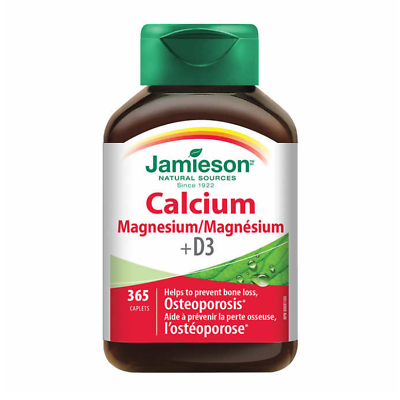
- Vitamin D helps regulate the levels of calcium and sulfate in the body, which are essential for the development of bones, teeth, and healthy muscles.
- Pregnant women should engage in light outdoor activities in the morning.
- During pregnancy, it is advisable to eat more foods rich in vitamin D, such as oily fish, eggs, and red meat.
folate
folateIt plays a crucial role in many metabolic reactions in fetal cells. These chemical processes promote the differentiation, development, and synthesis of fetal cells. This is why folic acid deficiency can affect the development of an infant's nervous system.
Folic acid supplements are considered safe to use. Ideally, it is recommended to supplement with no more than 800mg of folic acid daily for two months before conception, and during pregnancy, 400-600mg of folic acid tablets should be taken daily. Food sources containing folic acid include:
- Green Vegetables
- Fruits (such as citrus fruits)
- grain
- internal organs





Author. Michael Yeung
Related Products:
-
Sale!
 Out of stock
GNC – Children's Multi-Purpose Gummies 120 capsules
Original price was: $148.00.$120.00Current price is: $120.00. Read more -
Sale!

GINAX – Manuka Honey UMF™ 5+ 30g
Original price was: $30.00.$25.00Current price: $25.00. Add to basket -
Sale!
GNC – Chewable Children's Multivitamins Natural Mixed Berry Flavour 60 Tablets
Original price was: $135.00.$118.00Current price is: $118.00. Add to basket -
Sale!
GNC – Pro Performance 100% Whey Protein (Chocolate Flavour) 887.5g
Original price was: $420.00.$318.00Current price is: $318.00. Add to basket