

































































Flaxseed oil and fish oil are often compared because both are marketed as "Omega-3". But what they actually provide is...Two different groups of fatty acidsFlaxseed oil contains ALA, while fish oil contains EPA and DHA. This difference determines that they are suitable for completely different uses.
This article will first give you a quick overview of the conclusions, and then explain the differences between the two, how to choose according to your needs, and alternative options for vegetarians.algal oilThis section discusses what exactly is mixed in commercially available "Omega 3-6-9" blends, and precautions regarding dosage and drug interactions. For information on oil classification, cooking oils, and the complete efficacy and dosage of fish oil, please refer to the relevant sections on this website.The choice of edible oils and flaxseed oil>and<Fish oil benefits and product recommendationsThis will not be elaborated upon again in this article.
First, the conclusion: They are not the same type of Omega-3.
II. Where are they located? ALA and EPA/DHA are two different groups of fatty acids.
III. Choose according to your needs: How to choose in five common situations
IV. Vegetarians and those who don't eat fish: Algae oil is a key option
5. What is "Omega 3-6-9"? Breaking down the blend formula.
VI. Taste, Storage and Oxidation: Both require attention
7. What should I check before buying? Content, dosage, and upper limit.
8. Who should ask the doctor first?
IX. Gogo Herbs' Omega-3 related products
10. Frequently Asked Questions (FAQ)
Source of information
First, the conclusion: They are not the same type of Omega-3.
If your goal isSupplementing EPA and DHA(For example, pay attention to the heart, triglycerides, brain and vision).Fish oil is a direct route.Vegetarians or those who don't eat fish can choosealgal oilIt also provides DHA directly, and some products also contain EPA.
If your goal isIncrease intake of plant-based ALATo replace saturated fats in your diet, or simply to add a little good oil to your cold dishes.Flaxseed oil is a convenient choice.However, please note: flaxseed oilIt cannot be used as a substitute for fish oil.This is because the human body is very inefficient at converting ALA into EPA and DHA.
| Flaxseed Oil | fish oil | |
|---|---|---|
| Main Omega-3 | ALA (alpha-linolenic acid) | EPA, DHA |
| Human body utilization | It needs to be converted first, which is inefficient. | Can be used directly |
| Vegetarian available | 是 | No (algae oil can be used instead) |
| Cooking | Not heat resistant, only suitable for cold dishes. | Not applicable (supplement). |
| Main uses | Plant-based ALA source, a substitute for saturated fats | Supplementing EPA and DHA |
II. Where are they located? ALA and EPA/DHA are two different groups of fatty acids.
Omega-3 is not a single substance, but a family. This family has three main members, derived from completely different foods:
- ALA (alpha-linolenic acid)Plant-based sources include flaxseed, flaxseed oil, chia seeds, walnuts, rapeseed oil, and soybean oil. It belongs to...Essential fatty acidsThe human body cannot synthesize it on its own.
- EPA (eicosapentaenoic acid) and DHA (docosahexaenoic acid)DHA is primarily derived from oily fish (salmon, mackerel, sardines, herring, tuna) and seafood; algal oil is a direct source for vegetarians. DHA has a particularly high proportion in the retina and brain cell membranes.
"ALA will be converted into EPA and DHA"—but the efficiency is very low.
This is the most easily misunderstood point. The body can indeed convert ALA into EPA, and then into DHA, but...US NIH Office of Dietary SupplementsThe explanation is that the conversion quantity belongs to "Very small amountThe conversion rate for the average adult is approximately:ALA to EPA conversion costs approximately 5 to 101 TP4T, while conversion to DHA costs even less.(often below 1 to 5%).
Therefore, the numbers for the two types of oilCannot be directly comparedOne tablespoon of flaxseed oil contains approximately 7.3 grams of ALA, which seems higher than a serving of fish; however, after conversion, the actual proportion that can be converted into EPA and DHA is very small. In contrast, 3 ounces (approximately 85 grams) of cooked salmon already contains...directIt provides approximately 1.8 grams of EPA and DHA without any conversion.
III. Choose according to your needs: How to choose in five common situations
Instead of asking "Which one is better?", first ask "What problem do you want to solve?" The following is organized by common goals:
| Your goal | A more suitable choice | reason |
|---|---|---|
| Pay attention to heart health and triglycerides | fish oil(or algal oil) | EPA and DHA can be used directly, and most related studies focus on EPA/DHA; evidence for ALA in this regard is more indirect. |
| Brain and vision development (pregnancy, infancy) | Fish oil or algae oil | DHA is an important component of brain and retinal cell membranes, and direct supplementation is more effective. |
| Vegetarian, vegan, or no fish | algal oilMain ingredient, supplemented with flaxseed oil | Algal oil is the only source of EPA/DHA that vegetarians can directly obtain; flaxseed oil supplements ALA. |
| Want to increase plant-based ALA and replace saturated fats? | Flaxseed Oil | With one of the highest ALA contents among vegetable oils, it is suitable for use in cold dishes. |
| Skin and gut health | The two roles are different, so there's no need to choose one over the other. | Omega-3 is related to the skin barrier; regarding the gut, the real fiber and benefits come from...FlaxseedInstead of flaxseed oil |
IV. Vegetarians and those who don't eat fish: Algae oil is a key option
The original submission equated "plant-based Omega-3" with flaxseed oil, which actually missed a more direct option:Algal oil。
依The National Center for Complementary and Integrative Health (NCCIH)The explanation is that algal oil isDHA is a source of nutrition for vegetarians, and some products also contain EPA.This also makes sense biologically—fish cannot produce EPA and DHA themselves; they accumulate them in their bodies by eating microalgae, so algae are actually the original source of Omega-3 in fish oil.
According to NIH ODS, algal oil supplements generally provideApproximately 100 to 300 mg of DHASome products also contain EPA. You should check the packaging for this information when purchasing. Actual mg of DHA and EPAInstead of just looking at the "total oil content"—a softgel of algal oil labeled as containing 1,000 mg may contain far less than 1,000 mg of DHA.
In other words, a vegetarian's combination could be:Algal oil provides EPA/DHA, while flaxseed or flaxseed oil provides ALA; each has its own specific function.Instead of trying to replace fish oil with flaxseed oil.
5. What is "Omega 3-6-9"? Breaking down the blend formula.
Many products on the market are labeled "Omega 3-6-9," often leading people to believe it refers to "three types of Omega-3." In reality, it refers to...Three different types of fatty acidsMoreover, they come from different types of oil:
| Marking | What does it represent? | Common Sources of Oil | Is it necessary? |
|---|---|---|---|
| 3 | ALA | Flaxseed Oil | It is (essential fatty acid) |
| 6 | GLA (gamma-linolenic acid) | Borage oil | No (can be converted from linoleic acid) |
| 9 | Oleic acid | Various plant oils | No (the human body can synthesize it on its own) |
Therefore, in the "3-6-9" formula,Only "3" belongs to Omega-3."6" represents Omega-6, and "9" represents Omega-9. If the product also contains fish oil, EPA and DHA will also be included in the "3" portion.
① Omega-6 generally does not need to be supplemented intentionally.The American Heart Association's scientific advice recommends at least 5 to 101 TP4T of calories daily from Omega-6, noting that labeling Omega-6 as "inflammatory" is incorrect; Hong Kong people's daily diets (corn oil, sunflower oil, soybean oil, nuts) usually provide sufficient amounts. When choosing 3-6-9 products, what's truly worth paying attention to is...How much EPA/DHA or ALA should be provided?。
② Pay attention to the purity of borage oil.Borage is a plant belonging to the Boraginaceae family, and naturally containsPyrrolizidine alkaloids (PAs)--according toHong Kong Centre for Food SafetyRisk assessment of these compoundsHepatotoxicAnimal studies have also shown that some species can cause cancer. High-quality products will be processed and labeled accordingly.PA-freePay attention when purchasing.
VI. Taste, Storage and Oxidation: Both require attention
- Flaxseed oil:It has a subtle nutty flavor and a refreshing taste. However, it has a high proportion of polyunsaturated fats and is very sensitive to light, heat, and oxygen—it's recommended to choose...Small packaging in dark glass bottlesAfter openingStore in the refrigeratorUse it within a few weeks. If it develops a distinctly bitter taste or a paint-like odor, it means the oil has oxidized and should be discarded.
- fish oil:Some people may find it has a fishy smell; the most common discomfort is...Burps with a fishy smellFor stomach discomfort. You can try it.Take with meals(Especially for meals containing fat), enteric-coated or odorless formulas are easier to swallow. If discomfort persists, consult your doctor or pharmacist to discuss adjusting the dosage or form.
- Common Principles:Both should be stored in a cool, dry place, away from direct sunlight, and the expiration date should be noted on the packaging. Oil oxidation is a normal chemical process; the key is to avoid high temperatures and prolonged storage.
7. What should I check before buying? Content, dosage, and upper limit.
First look at the "actual content", not the "total oil content".This is the most practical principle for choosing Omega-3 supplements. The "1,200 mg fish oil" on the packaging refers to the weight of the whole capsule; what you should really check is the amount stated on the label. How many milligrams of EPA and DHA are there respectively?The same applies to flaxseed oil products; you should look at... ALA milligrams。
| project | General recommendations |
|---|---|
| ALA (Adult) | Approximately 1.6 grams per day for men and approximately 1.1 grams per day for women (US NIH ODS) |
| EPA + DHA (for normal adults) | Approximately 250 mg/day; approximately 300 mg during pregnancy and lactation, of which at least 200 mg is DHA (FAO/WHO). |
| Food is the foundation | Eat at least two servings of fish per week, one of which should be fatty fish (approximately 140 grams per serving, according to the UK NHS). |
| Supplement safety limits | The daily intake of EPA+DHA from supplements should not exceed 5 grams (US NIH citing FDA); higher doses should be taken under the guidance of a doctor. |
| Flaxseed Oil | A common recommendation is about 1 tablespoon (about 15 ml) per day; 1 tablespoon contains about 120 kcal, which must be included in the total daily fat intake. |
In addition, flaxseed oilDo not heat.Its smoke point is only about 107℃, while the temperature of ordinary frying oil is above 180℃. Heating it will cause ALA to oxidize rapidly and produce an off-flavor. The correct way to use it is in cold dishes, mixed into salads or cheeses, or added to soups, porridges, or pasta dishes that have been taken off the heat. Different oils are suitable for different cooking methods; see the website for details.The choice of edible oils and flaxseed oil〉。
8. Who should ask the doctor first?
- Currently taking anticoagulants or antiplatelet drugsFor those taking medications such as warfarin, aspirin, or nonsteroidal anti-inflammatory drugs (NSAIDs): high doses of Omega-3, flaxseed oil, and borage oil may affect blood clotting and increase the risk of bleeding. Consult a doctor or pharmacist before taking these medications.
- People who will be undergoing surgery or tooth extraction soonYou should inform healthcare professionals which supplements you are taking and whether you may need to stop taking them.
- Pregnant and breastfeeding womenMayo Clinic explicitly recommendsdon't wantUse flaxseed and flaxseed oil; borage oil is also not recommended for use during pregnancy. If you need to supplement DHA, please discuss appropriate sources and dosages with your doctor first.
- People allergic to fish or seafoodFish oil should be avoided; algae oil may be considered instead.
- Patients with liver disease, or those taking medications that may damage the liver.For products containing borage oil, pay extra attention to the PA content and product labeling.
- People with sensitive stomachsExcessive intake of oil-based supplements may cause diarrhea, bloating, or stomach discomfort. It is advisable to start with small amounts and take them with meals.
- Infants under one year oldVegetable oil or fish oil should not be used as a supplement. Please follow the instructions of medical staff for feeding arrangements.
No food or supplement can replace a balanced diet and proper medical care. If you experience abnormal bleeding (easily bruising, persistent nosebleeds), severe gastrointestinal discomfort, or allergic reactions, please seek medical attention as soon as possible.
IX. Gogo Herbs' Omega-3 related products
The following are product categories related to Omega-3 offered by Gogo Herbs. It is recommended to confirm these before purchasing.The label should include the actual EPA/DHA or ALA content, the source oil, the number of capsules per bottle, and the recommended dosage.Choose according to your personal dietary habits.
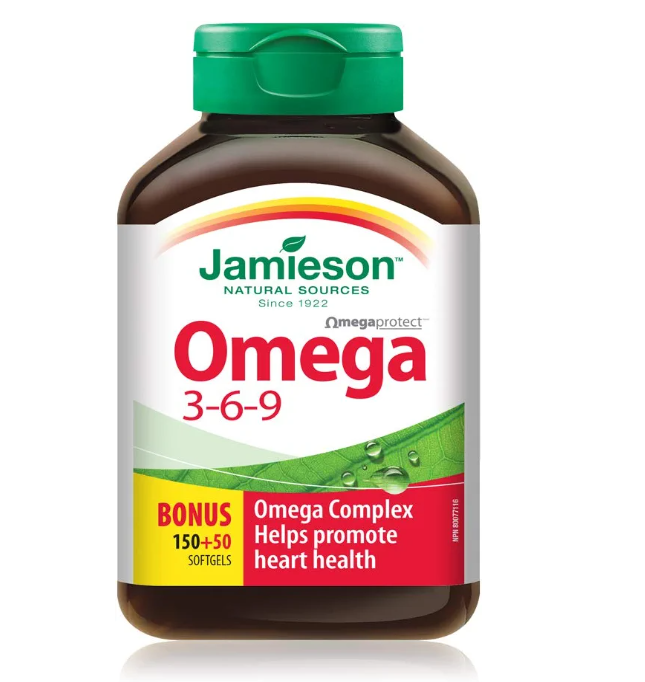
Jamieson — Omega 3-6-9 Fish Oil 1200 mg Softgels
- Each softgel contains extracts from...Fish oil, flaxseed oil and borage oilIt contains essential fatty acids and belongs to a "3-6-9" mixed formula;
- The product description states that its soft capsules are easy to swallow and have a mild fishy smell after swallowing.
- Please refer to the product label for recommended dosage, actual EPA/DHA content per capsule, and number of capsules per bottle.
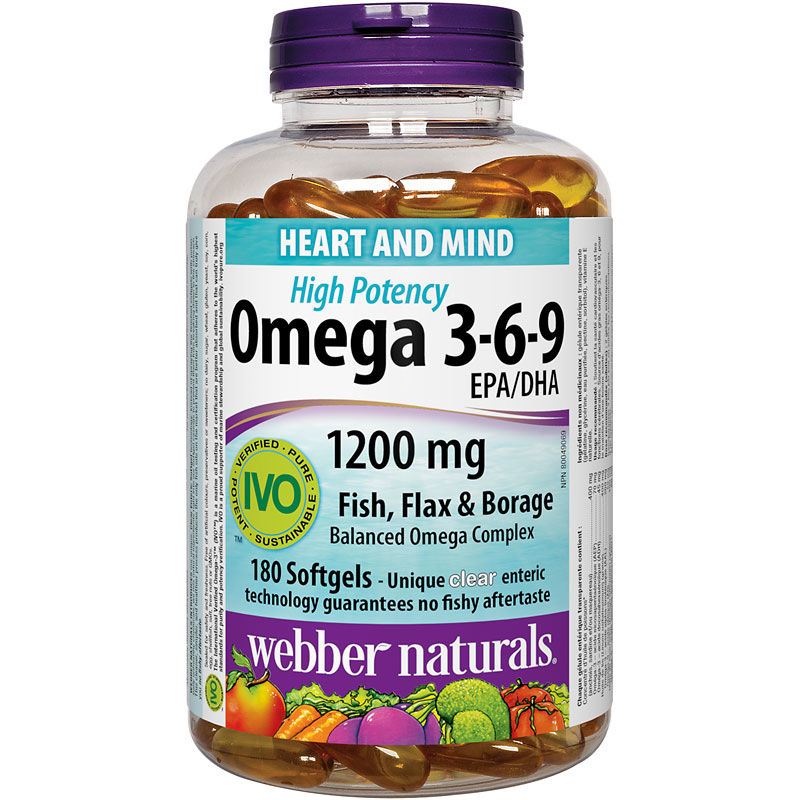
Vepogen - High-Efficiency Omega 3-6-9 1200 mg Softgels (180 capsules)
- Each capsule provides fromFish oil, flaxseed oil and borage oilThe combination of Omega-3, Omega-6, and Omega-9 fatty acids;
- It is a mixed formula, suitable for people who want to consume multiple essential fatty acids at the same time;
- Contains borage oil. Pregnant women, breastfeeding women, patients with liver disease, and those taking anticoagulants should consult a doctor before use.
The ingredients and specifications listed above are general descriptions. Actual content, dosage form, number of capsules, and recommended dosage should be based on the product page and packaging label (must be rechecked on the day of publication). This article does not provide purchase links; for the latest product information and specifications, please refer to the product page.
10. Frequently Asked Questions (FAQ)
Can flaxseed oil replace fish oil?
It is not recommended as a substitute. Flaxseed oil provides... ALAFish oil provides EPA and DHAThe body can convert ALA into EPA and DHA, but the efficiency is low (around 5 to 101 TP4T for ALA to EPA, and even lower for DHA). If your goal is to increase your body's EPA and DHA levels, eating fatty fish, fish oil, or algae oil is a more direct approach. Flaxseed oil has its own value—it's a source of ALA and also a source of essential fatty acids—just in a different role.
What should vegetarians choose to supplement Omega-3?
Priorityalgal oilAccording to the US NCCIH, algal oil is a source of DHA for vegetarians, and some products also contain EPA; algae are actually the original source of Omega-3 in fish. Flaxseed, chia seeds, walnuts, and flaxseed oil provide ALA, which can be included in the diet, but cannot replace the direct route to obtaining EPA/DHA.
What is the difference between "Omega 3-6-9" and pure fish oil?
"3-6-9" is a blend of three fatty acids: "3" is usually ALA from flaxseed oil (and EPA and DHA if the formula contains fish oil), "6" is GLA from borage oil, and "9" is oleic acid. Of the three, only "3" is Omega-3, while "9" can be synthesized by the human body. If your goal is to supplement EPA/DHA, you should look directly at the milligrams of EPA and DHA on the label when purchasing, rather than looking at the name "3-6-9".
How much should I eat each day?
Regarding ALA, the US NIH ODS recommends approximately 1.6 grams for men and 1.1 grams for women; the common recommendation for flaxseed oil is approximately 1 tablespoon (about 15 ml) daily. Regarding EPA+DHA, the FAO/WHO recommends approximately 250 mg daily for the average adult and approximately 300 mg during pregnancy and lactation; according to the US NIH citing the FDA, the total daily intake of EPA+DHA from supplements should not exceed 5 grams. Actual dosage should be determined based on product formulation, individual dietary habits, and the advice of a doctor or pharmacist.
Can flaxseed oil be used for stir-frying or frying?
Not recommended. Flaxseed oil has a smoke point of only about 107℃, while the typical frying temperature is above 180℃. Heating it will cause the ALA in flaxseed oil to oxidize rapidly and easily produce an off-flavor. The best uses are in cold dishes, salads, or cheeses, or added to soups, porridges, or pasta dishes that have been removed from the heat. If you need to heat it for cooking, choose a more stable oil (such as canola oil or peanut oil). See the website for more details.The choice of edible oils and flaxseed oil〉。
What should I do if I burp and the burp smells fishy after taking fish oil?
This is a common, mild side effect. You can try it.Take with or after meals(Especially meals containing fat) are generally absorbed better and less likely to cause gastrointestinal discomfort; some products offer enteric-coated or odorless formulations. If discomfort persists, consult a doctor or pharmacist to discuss adjusting the dosage or form; it is not recommended to increase the dosage on your own.
Can flaxseed oil and fish oil be taken together?
Generally, yes, they can. They provide different fatty acids and do not conflict: flaxseed oil provides ALA, while fish oil provides EPA and DHA. However, you should still consider your total daily intake and be aware that both can affect blood clotting. If you are taking anticoagulants or antiplatelet drugs, are about to undergo surgery, are pregnant or breastfeeding, or have a chronic illness, please consult your doctor or pharmacist before starting any supplements.
I'm currently taking anticoagulants (blood thinning medication). Can I take fish oil or flaxseed oil?
High doses of Omega-3 have a mild anticoagulant effect, and flaxseed oil may also weaken blood clotting ability. Concomitant use with anticoagulants or antiplatelet drugs may increase the risk of bleeding. Always consult a doctor or pharmacist before taking this medication, and never increase the dosage or stop taking it on your own. If surgery or tooth extraction is required, inform healthcare professionals.
Source of information
- Office of Dietary Supplements (ODS) of the National Institutes of Health (NIH) — Omega-3 Fatty Acids: Fact Sheet for Consumers(ALA/EPA/DHA sources, conversion, and recommended intake)
- Office of Dietary Supplements (ODS) of the National Institutes of Health (NIH) — Omega-3 Fatty Acids: Fact Sheet for Health Professionals(Conversion rate, algal oil DHA content, upper limit and interaction)
- The National Center for Complementary and Integrative Health (NCCIH) — Omega-3 Supplements: What You Need To Know(Evidence that algal oil is a source of DHA for vegetarians, and that fish oil and seafood are also sources)
- American Heart Association (AHA) — Fish and Omega-3 Fatty Acids(Two fish recommendations per week)
- Harris WS, et al. Omega-6 Fatty Acids and Risk for Cardiovascular Disease: A Science Advisory From the American Heart Association. Circulation. 2009. PubMed Summary
- Hong Kong Centre for Food Safety — The Centre for Food Safety released a risk assessment study report on the alkaloid content in food.(Hepatotoxicity and risk assessment of pyrrolizidine alkaloids)
- Hong Kong Centre for Food Safety's "Food Safety Focus" Issue 158— Different types of dietary fats and health
- Hong Kong Department of Health's "Healthy Working Scheme" Fat(Total fat 151 TP1T30 TP4T, saturated fat less than 101 TP4T, trans fat less than 11 TP4T)
- The UK National Health Service (NHS) — Fish and shellfish(Two servings of fish, fatty fish, mercury, and cod liver oil per week)
- The National Center for Complementary and Integrative Health (NCCIH) — Flaxseed and Flaxseed Oil: Usefulness and Safety
- Mayo Clinic — Flaxseed and flaxseed oil(Benefits, pregnant and breastfeeding women, drug interactions, side effects)
- Medical News Today — Borage seed oil for rheumatoid arthritis(GLA content, PA and contraindications of borage oil)
Note: The fatty acid content, recommended amounts, and conversion rates mentioned in this article are approximate figures and may vary depending on the variety, processing method, formula, and batch. Please refer to the product label and the latest official announcements for actual values. Most research results are observations of specific groups or dosages and should not be directly extrapolated to all individuals.
Related Products:
-
Sale!
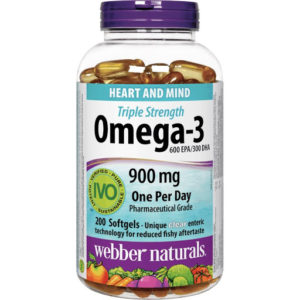
Webber Naturals – Triple Strength Omega-3 (900mg EPA / DHA) 200 capsules Value Pack
Original price was: $398.00.$280.00Current price is: $280.00. Add to basket -
Sale!

Kirkland Signature – Omega-3 Ultra Concentrated Deep Sea Fish Oil Capsules 1300mg 330 Capsules
Original price was: $350.00.$298.00Current price is: $298.00. Add to basket -
Sale!
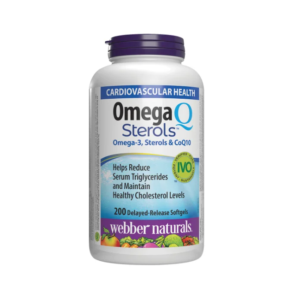
Vebogen – Omega 3 & Coenzyme Q10 & Phytosterols 200 Capsules
Original price was: $290.00.$245.00Current price is: $245.00. Add to basket -
Sale!

Webber Naturals – Omega-3 Mini Fish Oil Capsules 300mg 220 Softgels
Original price was: $198.00.$168.00Current price is: $168.00. Add to basket
Related Post:
![母親用滴管把少量植物藻油滴在食物匙上,幼兒坐在餐桌旁]()
A Complete Guide to Plant-Based Algae Oil Omega-3: Odorless, Vegetarian, and Suitable Omega-3 Choices for Pregnant Women and Infants
![牛樟芝子實體與膠囊製品示意]()
What is Antrodia camphorata? A complete guide to its ingredients, research evidence, and precautions for consumption.
![世界心臟日護心飲食場景,香港中年夫婦享用豆漿、豆腐、雞蛋與堅果,旁有心臟及細胞膜卡通示意]()
World Heart Day: Heart Health in Hong Kong Starts with Daily Life | What are the Benefits of Lecithin? Which of Three 1200mg Products to Choose From?
![香港成年人在家閱讀與休息,從日常習慣開始理解腦部健康]()
魚油、迷你膠囊還是B12?腦部健康熱銷8款的配方與日常選擇