
Short answer:Celery is a low-calorie, high-water-content vegetable containing fiber, vitamin K, vitamin A, and potassium, making it suitable as part of a balanced diet. It's often used as a weight-loss food, but it's not a "negative-calorie" food; the online claim that "celery juice can cure various diseases" currently lacks sufficient research support. For most healthy individuals, moderate consumption is generally safe, but...Celery is one of the most common serious allergens in Europe.People with kidney stones, poor kidney function, or who are taking certain medications should also be especially careful.
Reminder before reading:This article contains general nutrition education content, compiled from publicly available nutrition information and research.This does not constitute medical diagnosis or treatment advice.If you have specific health conditions, allergies, or are currently taking medication, please consult your doctor or registered dietitian before eating.
Table of contents
- What is celery? Origin and family history
- Nutritional components of celery
- Is celery juice really that magical?
- Fun facts about celery
- Who should be paid special attention to?
- How to select and consume
- Frequently Asked Questions (FAQ)
What is celery? Origin and family history
Celery belongs toApiaceae (family Apiaceae)This family also includes common vegetables such as carrots, parsley, and celery root (celeriac). The word "celery" originates from the Greek word... selinonNative to the Mediterranean and Middle East, it is a widely consumed vegetable that has recently become a regular ingredient in weight loss and healthy diets due to its low-calorie and high-water content.
Nutritional components of celery
According to the U.S. Department of Agriculture (USDA FoodData CentralBased on the nutritional information of the ingredients listed above, the main nutritional characteristics of celery are as follows:
High in moisture, low in calories, and high in fiber
- Moisture content approximately 95%Celery is a natural moisturizing vegetable; one celery stalk contains about 2 ounces (about 60 ml) of water.
- 100 grams of celery contains approximately 1.5 grams of dietary fiberIt is still a good source of fiber even with such high moisture content.
- Low in calories, one celery stalk contains approximately 7 caloriesIt contains almost no fat or protein, so it often appears in weight loss diets.
- Chewing a lot of celery can bring a feeling of fullness quickly, which can help control food intake.
Vitamins and minerals
Celery contains a variety of micronutrients, including:
- Vitamin K.It helps with blood clotting and bone health.
- Vitamin A (carotenoids)It helps maintain vision, immunity, and skin health.
- Folic acid (vitamin B9)It participates in cell metabolism and hematopoiesis; its direct link to memory is currently supported by limited research evidence and should not be exaggerated.
- 鉀It helps the heart and muscles.normalFunction. However, it should be noted that potassium intake may affect people with poor kidney function or those taking potassium-sparing diuretics. These groups should follow their doctor's advice to control their intake of high-potassium foods.
- It also contains small amounts of vitamin C, B vitamins, calcium, magnesium, manganese, etc.
A friendly reminder:Celery is rich in nutrients, but no single vegetable can "reverse" or "cure" a disease. Incorporating it into a varied diet is far more effective than eating only one type of vegetable. For general principles of a balanced diet, please refer to... NHS Eat Well 與 EatRight.org (American Academy of Nutrition)The guidance.
Is celery juice really that magical?
In recent years, many health reports have claimed that celery juice can "cure" a variety of diseases. This should be viewed with caution.
- Insufficient research support:There are currently insufficient human studies to confirm that celery juice can treat any disease. Existing claims are mostly based on personal experience or observation and should not be equated with medical guarantees.
- Fiber loss:Most of the dietary fiber is filtered out during the juicing process, and fiber is one of the important nutritional benefits of celery. If you want to get fiber, it's usually better to eat the whole celery stalk.
- High oxalate levels:Celery juice has a high oxalate content, which may put a strain on people who are prone to kidney stones or have weak kidney function. These individuals should consult a doctor before drinking it.
- Security depends on the individual:For most healthy adults, drinking celery juice in moderation is generally harmless; however, the claim that it is "completely harmless and suitable for everyone" is inaccurate, and certain groups (see below) should exercise caution.
Fun facts about celery
- The leaves have more concentrated nutrients:Celery leaves often contain higher levels of calcium, potassium, and vitamin C than the stalks, and they taste quite good, so don't rush to throw them away.
- Cutting it and then letting it sit will cause it to leak out:Some nutrients are easily lost when celery is cut into pieces, so it is recommended to cut it just before cooking or eating.
- Not "negative calories":Contrary to popular belief, celery does not cause the body to "expend more calories to digest it than it does"; it is simply very low in calories.
- Serious allergens:Celery can cause severe allergic reactions in some people, comparable in severity to peanut allergies. In Europe, celery is a common and serious food allergen, and packaged foods are often required to label it.
- Historical anecdotes:Celery was originally used asmedicinal plantsIt is sometimes used to relieve discomfort such as insomnia and joint pain—this belongs toTraditional uses are recorded, not modern medical advice.Celery was first widely cultivated as food in Italy and France around the 17th century; it is mentioned in Homer's Iliad.
Who should be paid special attention to?
- People allergic to celery:If you have a history of allergies to celery, umbelliferous vegetables (such as carrots and parsley), or related pollen, you should avoid eating them; when eating out, pay attention to the ingredient labeling. Severe allergies can trigger anaphylactic shock, and those with a history of allergies are advised to carry prescription emergency medications (such as adrenaline pens) with them at all times.
- Kidney stones/poor kidney function:Celery (especially celery juice) is high in oxalate, and excessive consumption by this group may increase the risk. It is recommended to consult a doctor or nutritionist first.
- People taking certain medications:Celery contains vitamin K, which may affect the stability of anticoagulant drugs (such as warfarin); its high potassium content may also interact with potassium-sparing diuretics. Those currently taking medication should consult their doctor regarding dietary restrictions.
- Pregnant women and breastfeeding mothers:Consuming celery in moderation as a common vegetable is generally harmless, but it is still recommended to consult a healthcare professional before drinking large amounts of celery juice or taking high-concentration extracts.
How to select and consume
- When purchasing, choose those with straight stems, bright green leaves, and no wilting or spots.
- Refrigerating the whole plant and washing and cutting it into pieces before eating can reduce nutrient loss.
- It can be eaten raw, stir-fried, used in soups, or blended into a puree; to retain fiber, it is best to eat the whole plant rather than just drink the juice.
- Treat it as part of a diverse fruit and vegetable platter, rather than as a "medicine" item.
Frequently Asked Questions (FAQ)
Does celery really help with weight loss?
Celery is low in calories, high in water content, and contains fiber, which can increase satiety, making it a suitable low-calorie option for a weight-loss diet. However, it doesn't have any magical "fat-burning" or "negative calorie" effects; weight loss still depends on overall calorie balance and dietary habits.
Is it okay to drink celery juice every day?
For most healthy adults, moderate consumption is generally harmless. However, celery juice has filtered out most of its fiber and is high in oxalate. People with kidney stones, poor kidney function, or those taking certain medications should consult a doctor before drinking large amounts daily.
How serious is a celery allergy?
Celery is one of the most common and serious food allergens in Europe, and severe cases can lead to anaphylactic shock. People allergic to celery or related plants should avoid eating it and pay attention to food labels; those with a history of severe allergies should always carry emergency medication prescribed by a doctor.
Is it safe to eat celery during pregnancy?
Celery is generally safe to consume in moderation as a common vegetable. However, pregnant or breastfeeding mothers who wish to drink large amounts of celery juice or take high-concentration extracts are advised to consult with healthcare professionals first to avoid unnecessary risks.
Can you eat celery leaves?
Yes, celery leaves often have higher calcium, potassium, and vitamin C content than the stalks, and they also taste good. After washing them thoroughly, they can be added to the dish to avoid waste.
Do I need to worry about pesticides when eating celery?
Celery ranks relatively high on some pesticide residue lists, so it's recommended to wash it thoroughly after purchase. Organic products can be chosen according to personal preference. Peeling or removing the outer layers offers little benefit to stem vegetables; the key is rinsing under running water and cooking.
Disclaimer
This article is for general nutrition and dietary education reference only. The nutritional data cited is based on publicly available databases.This does not constitute medical diagnosis, treatment, or prevention advice.This information cannot replace individual assessments by a professional doctor or registered dietitian. If you have a history of allergies, chronic illnesses, are pregnant, or are currently taking medication, please consult a healthcare professional before consuming or adjusting your diet. Descriptions of celery juice and its medicinal history in this article are compiled from various sources and do not guarantee therapeutic efficacy.
Source of information
- USDA FoodData Central — Food Nutrition Database(Data on celery water, calories, fiber, vitamins, and minerals for reference)
- NHS Eat Well — Guidelines on Balanced Diets and Fruit and Vegetable Intake
- EatRight.org — Nutrition education information from the Academy of Nutrition and Dietetics
Related Products:
-
Sale!
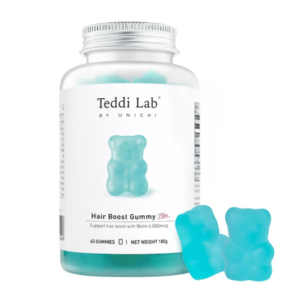
Unichi – Teddi Lab® Gummy Bears Gummy Bears for Hair Growth Upgraded Sea Salt and Green Titanium Flavour 60 Capsules
Original price was: $170.00.$125.00Current price is: $125.00. Add to basket -
Sale!
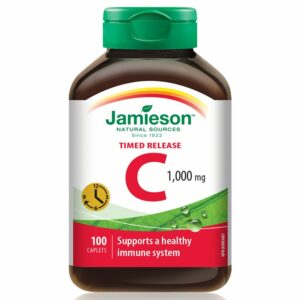
Jamieson – Long Lasting Vitamin C 1000mg 100 Tablets
Original price was: $138.00.$108.00Current price is: $108.00. Add to basket -
Sale!
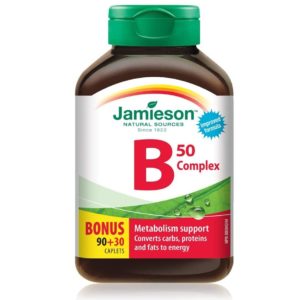
Jamieson – Natural Vitamins B complex 50 120 capsules
Original price was: $168.00.$98.00Current price is: $98.00. Add to basket -
Related Post:
![母親用滴管把少量植物藻油滴在食物匙上,幼兒坐在餐桌旁]()
A Complete Guide to Plant-Based Algae Oil Omega-3: Odorless, Vegetarian, and Suitable Omega-3 Choices for Pregnant Women and Infants
![牛樟芝子實體與膠囊製品示意]()
What is Antrodia camphorata? A complete guide to its ingredients, research evidence, and precautions for consumption.
![世界心臟日護心飲食場景,香港中年夫婦享用豆漿、豆腐、雞蛋與堅果,旁有心臟及細胞膜卡通示意]()
World Heart Day: Heart Health in Hong Kong Starts with Daily Life | What are the Benefits of Lecithin? Which of Three 1200mg Products to Choose From?
![香港成年人在家閱讀與休息,從日常習慣開始理解腦部健康]()
Fish oil, mini capsules, or B12? Formulas and daily choices for 8 best-selling brain health products.