














































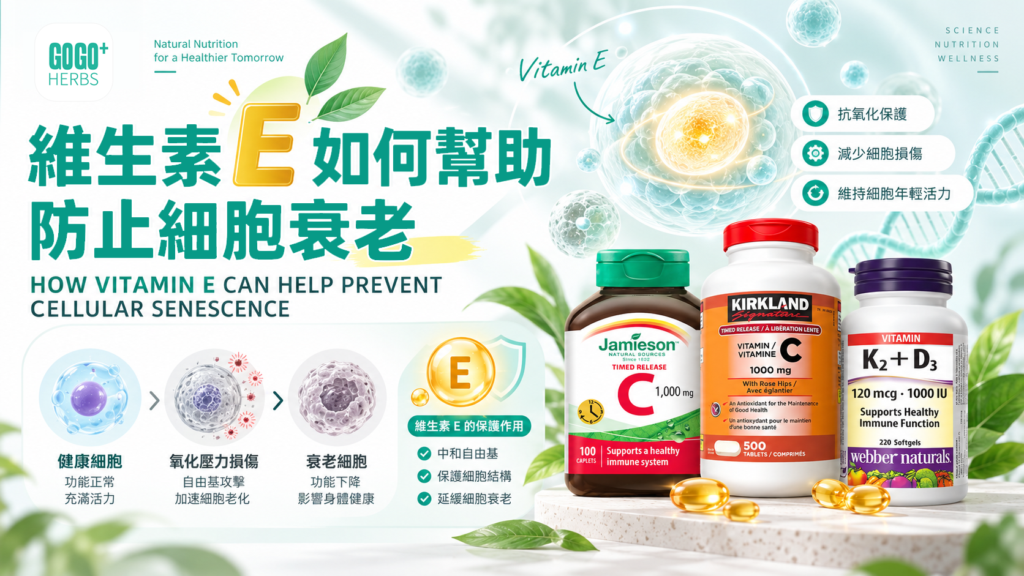
When discussing "antioxidants," vitamin E is almost always mentioned. It is indeed an important fat-soluble antioxidant that protects cells from free radical damage. However, if the title is "Vitamin E Prevents Cellular Aging," it needs to be more precise—cellular aging is a process involving multiple mechanisms in the body, and it cannot be stopped by a single nutrient.
This article will explain, based on official and academic sources, what cellular senescence is, the role of free radicals and oxidative stress, what vitamin E actually does in the body, how much to eat and where to get it, as well as several common misconceptions and safety boundaries.
II. What is cellular senescence?
III. Free Radicals and Oxidative Stress: Why Cells Are Damaged
IV. The Role of Vitamin E in Antioxidants
V. What do the studies say? Human evidence vs. laboratory and animal studies
VI. Food Sources of Vitamin E
7. How much is needed daily? Who needs to pay special attention?
8. Topical Vitamin E and Skin: Two Common Misconceptions
IX. Safety Boundaries: Upper Dosage Limits and Drug Interactions
10. Frequently Asked Questions (FAQ)
1. What is Vitamin E? What does it do in the body?
Vitamin E is not a single substance, but...A collective term for eight related compoundsAmong them alpha-tocopherolIt is the most active compound in the human body.fat solubleNutrients, this is very important—they need to be digested and absorbed along with fats, and therefore are mainly distributed in lipid-containing structures such as cell membranes, which are exactly the places where free radicals are most vulnerable to attack.
依The National Institutes of Health's Office of Dietary Supplements (NIH ODS)The explanation is that vitamin E functions in the body as follows:
- Antioxidant:Protect cells from damage caused by free radicals. Free radicals are compounds produced when the body converts food into energy, and we are also exposed to them from cigarette smoke, air pollution, and ultraviolet rays from sunlight.
- Support the immune system:The body needs vitamin E to help the immune system fight against invading bacteria and viruses.
- It helps dilate blood vessels and prevents intravascular coagulation.
- Intercellular communication and other physiological functions.
In other words, vitamin E is a "necessary, not optional" nutrient for the body; its function is to maintain normal physiological functions, not to be a "miracle ingredient for fighting aging." This positioning will be explained more clearly in later sections.

II. What is cellular senescence?
Cellular senescence refers to the process by which cells undergo senescence after a certain period of time.It stopped dividing, but did not die according to normal procedures.Instead, it remains in the tissue and continues to release chemicals that can cause inflammation.
This phenomenon was discovered earlier than many people imagined.The National Institute on Aging (NIA)Record: In the early 1960s, Leonard Hayflick and Paul Moorhead overturned the then-current scientific consensus that "human cells can replicate indefinitely," proving the number of cell divisions.There is an upper limitOnce this limit is exceeded, cells enter a senescent state. This upper limit was later known as the "Hayflick limit." Interestingly, for a long time after this discovery, it was thought to be merely a side effect of laboratory culture environments, until research on it increased rapidly in the last 20 years.
Senescent cells are not all bad.
NIA Special Reminder:Not all senescent cells are harmful.Molecules exhibited by senescent cells (known as the senescence-associated secretory phenotype) inEmbryonic development, childbirth and wound healingThe middle part plays an important role. Aging itself is also a protective mechanism of the body to prevent damaged cells from continuing to proliferate.
The problem lies in "accumulation".
The real issue is quantity versus time. The NIA points out that the number of senescent cells will...With ageWhen the immune system becomes less efficient at clearing out senescent cells, these cells accumulate and affect surrounding healthy cells, much like a moldy fruit can affect the whole plate. This is believed to be associated with a variety of age-related conditions, including cancer, diabetes, osteoporosis, cardiovascular disease, stroke, Alzheimer's disease and related dementia, and osteoarthritis, as well as a decline in vision, mobility, and cognitive abilities.
III. Free Radicals and Oxidative Stress: Why Cells Are Damaged
Free radicals are molecules with unpaired electrons. They are highly reactive and readily steal electrons from other molecules, causing a chain reaction of oxidative damage. They are not entirely external—the body produces them during the conversion of food into energy; in addition, the NIH lists several common external sources:Cigarette smoke, air pollution, and ultraviolet rays from sunlight。
When the balance between free radicals and antioxidant defenses is lost, and free radicals gain the upper hand, this state is called...Oxidative stressMild oxidative stress is part of normal metabolism, and the body has an antioxidant system to cope with it; however, long-term, significant imbalances can damage lipids, proteins, and DNA.
It is worth noting that oxidative stress is precisely...One of the stressors that induce cellular senescenceAcademic literature indicates that telomere depletion, oxidative stress, DNA damage, mitochondrial dysfunction, and oncogene activation are all known triggers for cellular senescence. In other words, there is indeed a mechanistic link between free radicals and cellular senescence—but this is…One of many factorsRather than a single cause.

IV. The Role of Vitamin E in Antioxidants
Vitamin E's place in this system is quite clear: it isLipid-soluble antioxidants on cell membranesSince cell membranes are made of lipids, and free radicals are particularly prone to attacking unsaturated fatty acids, vitamin E is positioned at the forefront, halting the chain reaction of lipid peroxidation by being oxidized itself, thus preventing the spread of damage.
It has several characteristics worth noting:
- It belongs to the "network" antioxidant system.When vitamin E is oxidized, it can be restored to its active form with the help of other antioxidants (such as vitamin C). This is why nutritionists often say that "vitamin C and vitamin E work together".
- It's not just about anti-oxidation.As described in Section 1, it also participates in normal physiological functions such as immune system function, vasodilation, and prevention of intravascular coagulation.
- The natural form in food is different from the form in supplements.Natural sources are usually labeled as d-alpha-tocopherol, the synthetic form is indicated as dl-alpha-tocopherol; equivalent to 2 mg of synthetic form, based on the activity of 1 mg of natural vitamin E. Some products also contain γ-tocopherol, tocotrienol, or mixed tocopherol forms; the NIH points out that...The scientific community is still unsure whether these forms are superior to alpha-tocopherol in supplements.。
V. What do the studies say? Human evidence vs. laboratory and animal studies
This section is crucial because popular claims about "vitamin E's anti-aging" often conflate research from different levels. The way to differentiate them is actually quite simple:In vitro and animal experiments can explain the mechanism, but only randomized controlled trials in humans can answer the question of "whether it is effective in humans".
Mechanistic level: Supporting the antioxidant role of vitamin E
In laboratory settings, studies have indeed explored the link between vitamin E and cellular senescence; animal experiments have also observed changes in indicators related to immune system aging and skin wound repair. These studies contribute to understanding the mechanisms, and the NIH and the academic community continue to invest in this area. However, animal and in vitro results...It cannot be directly applied to the human body.This is a principle that must be adhered to when interpreting.
At the human body level: the evidence primarily comes from "maintaining normal function" rather than "delaying aging".
According to NIH ODS, in human studies:
- heart disease:Some observational studies have linked higher vitamin E intake to a lower risk of coronary heart disease, but...Even the most rigorously designed randomized controlled trials have not found any benefit.—Supplementing with vitamin E does not appear to prevent heart disease, reduce its severity, or affect the associated risk of death. As for whether younger, healthier individuals with pre-existing low cardiovascular risk might have different outcomes, the scientific community remains unanswered.
- cancer:Most studies show that vitamin E does not help prevent cancer and may even be harmful in some cases (see Section 9 for details).
- Eye:Research findings on macular degeneration and cataracts are inconsistent. However, regarding...Already have macular degeneration and are at high risk of progression.Formulas containing high doses of vitamin E, combined with other antioxidants, zinc, and copper (i.e., AREDS2 formulas) have shown promising potential in slowing vision loss.
- Cognitive function:Current evidence offers little support that vitamin E supplementation can help healthy individuals maintain brain health.
VI. Food Sources of Vitamin E
The good news is that vitamin E is widely distributed in natural foods, and obtaining the recommended amount through daily diet is not difficult. According to NIH ODS, the main sources are as follows:
| category | Food examples |
|---|---|
| Vegetable oils (the richest source) | Wheat germ oil, sunflower seed oil, safflower oil; corn oil and soybean oil also provide some. |
| Nuts and seeds | Almonds (highest content), hazelnuts, peanuts, sunflower seeds |
| Green Vegetables | Dark green leafy vegetables such as spinach and broccoli |
| other | Avocados, sweet potatoes, brown rice, oats, whole wheat and wheat germ, and soy products; some breakfast cereals, juices, and spreads are fortified sources. |
Because vitamin E is fat-soluble,Taken with fat(For example, salads with olive oil or spinach stir-fried quickly with a small amount of oil) help with absorption. At the same time, although cooking oil is a good source of vitamin E, it is also high in calories and should be used in moderation—using it to replace saturated fats such as butter is a better approach.
7. How much is needed daily? Who needs to pay special attention?
The NIH ODS recommends the following average daily intake:
| Age group | Recommended daily intake |
|---|---|
| 0– 6 months | 4 mg |
| 7–12 months | 5 mg |
| 1–3 years old | 6 mg |
| 4–8 years old | 7 mg |
| 9–13 years old | 11 mg |
| 14–18 years old | 15 mg |
| Adults (including pregnant women) | 15 mg |
| Breastfeeding | 19 mg |
Lack is actually quite rare
NIH pointed out that,Vitamin E deficiency is very rare in healthy people.Almost all of these are associated with diseases that impair fat digestion or absorption, such as Crohn's disease, cystic fibrosis, and certain rare genetic disorders. A deficiency can cause nerve and muscle damage, leading to loss of sensation in the limbs, impaired motor control, muscle weakness, and vision problems, and may also weaken the immune system.
Therefore, those who truly need to discuss vitamin E supplementation with a doctor or nutritionist are usually...Patients with fat malabsorption-related diseasesInstead of adults with normal diets.
8. Topical Vitamin E and Skin: Two Common Misconceptions
Misconception 1: Vitamin E can "block ultraviolet rays".
This is a widely circulated but incorrect claim. Sunscreen products work by...UV filtering/absorbing components--according toAmerican Academy of Dermatology (AAD)According to the description, the active ingredients in current US sunscreens include avobenzone, homosalate, octocrylene, oxybenzone, titanium dioxide, and zinc oxide, among others.Vitamin E is not included.。
What is the role of Vitamin E in sunscreen formulations?Antioxidant ingredientsIt is used to help neutralize free radicals generated by ultraviolet radiation and is classified as an auxiliary ingredient in "regulating the skin's response to sunlight." Dermatological literature is quite reserved in its evaluation of this type of non-filtering ingredient—DermNet It is pointed out that while such ingredients may have some benefits, for most ingredients...The evidence proving its effectiveness remains weak.In any case, it will not increase SPF, nor can it replace sunscreen.
Misconception 2: Topical vitamin E can effectively reduce scars.
This claim primarily stems from animal experiments—the application of vitamin E topically to mice has resulted in better wound closure and less scarring. Animal experiments are helpful in understanding the mechanisms, but...It is not yet possible to directly infer the effect on human scars.Dermatological literature on the use of topical vitamin E in this regard is inconsistent and requires further human studies for confirmation.
A more realistic expectation is to view Vitamin E as...One of the reasonable antioxidant ingredients in skin care formulasIt's not about "special ingredients for scar removal or anti-aging." If your wound is healing abnormally or you have noticeable scar hyperplasia, it's recommended to consult a dermatologist directly.
IX. Safety Boundaries: Upper Dosage Limits and Drug Interactions
There is an important distinction regarding the safety of Vitamin E:Vitamin E in food is harmless and does not need to be limited; however, high doses in the form of supplements should be taken with caution.
The upper limit varies by age; for adults, it is 1,000 mg per day.
The NIH ODS states that high-dose vitamin E supplements may...Increased risk of bleeding(Reduces blood clotting ability), and withHemorrhagic strokeRisk-related. The upper limit is set based on the risk of bleeding:
- 1–3 years old: 200 mg/day
- 4–8 years old: 300 mg/day
- 9–13 years old: 600 mg/day
- 14– 18 years old: 800 mg/day
- Adults aged 19 and above (including pregnant and breastfeeding women):1,000 mg/dayThis is equivalent to 1,500 IU in the natural form or 1,100 IU in the synthetic form.
In addition, some meta-analyses suggest that higher doses (above approximately 400 IU) may affect coagulation and are associated with increased all-cause mortality, which is one of the reasons why it is recommended to avoid long-term self-supplementation with high doses.
Notable research findings
- In a large study, men took it daily for several years. 180 mg (400 IU) Synthetic Vitamin E,Increased risk of prostate cancerIn other words, even if the dosage is below the upper limit, there may still be risks.
- Two studies that tracked middle-aged men and women for more than seven years found that additional vitamin E supplementation (an average of 2011 TP1T268 mg per day) did not provide cancer protection.
- UndergoingChemotherapy or radiation therapyFor those who are not healthy, antioxidant supplements may affect the effectiveness of treatment, so it is essential to discuss this with your oncologist before starting.
Drug interactions
- Anticoagulants and antiplatelet drugs(e.g., warfarin): Concomitant use increases the risk of bleeding.
- Statins combined with nicotinic acidStudies have shown that taking vitamin E together with other antioxidants (vitamin C, selenium, beta-carotene) may weaken the cardioprotective effects of this combination of drugs.
10. Frequently Asked Questions (FAQ)
1.維他命E 真的能延緩衰老嗎?
A more accurate statement is that Vitamin E is an essential antioxidant nutrient that protects cells from free radical damage and supports normal immune and vascular function. However, cellular aging is influenced by multiple factors, including genes, immune clearance efficiency, oxidative stress, and the environment. Current human research...UnconfirmedSupplementing with Vitamin E can slow down the aging process in humans. Focusing on "adequate intake and a diverse diet" is more practical than pursuing high doses of supplementation.
2.維他命E 是「抗氧化劑的首選」嗎?
This description is not recommended. Vitamin E is an important fat-soluble antioxidant, but the body's antioxidant defenses are...A networkVitamin C, selenium, beta-carotene, polyphenols, and the body's own enzyme system each have their place and work together. No single antioxidant can be called the "first choice."
3.每天要吃多少維他命E?
The recommended daily intake for adults (including pregnant women) is 15 mg, and for breastfeeding mothers, it is 19 mg. This amount is easily achieved through a regular diet, such as a handful of almonds, a serving of sunflower seeds, and vegetables cooked with vegetable oil. The daily upper limit for supplements is 1,000 mg.
4.吃維他命E 補充品可以預防心臟病或癌症嗎?
According to the NIH, even the most rigorously designed human studies have not found that vitamin E supplements can prevent heart disease or reduce its severity; most studies also show that it does not help prevent cancer, and may even be harmful in some cases (e.g., high doses are associated with an increased risk of prostate cancer in men). Therefore, long-term high-dose supplementation for the purpose of "disease prevention" is not recommended.
5.塗含維他命E 的護膚品可以防曬嗎?
No. Vitamin E is not a UV filter in sunscreen and will not increase SPF. It is an antioxidant co-ingredient in the formula, which helps neutralize free radicals generated by UV rays. Sunscreen still requires a broad-spectrum product with SPF 30 or higher, and regular reapplication.
6.維他命E 和維他命C 一起吃效果更好嗎?
Biochemically, they do indeed work together in the antioxidant network—vitamin C can help vitamin E regain its active form. This is why they often appear in the same formula. However, this synergistic effect mainly exists at the mechanistic level and does not mean that taking them together will achieve anti-aging or disease prevention effects.
7.哪些人應該特別留意維他命E 的攝取?
This supplement is primarily for individuals with conditions associated with fat malabsorption, such as Crohn's disease, cystic fibrosis, or certain rare genetic disorders, as well as breastfeeding women (requirement increased to 19 mg). Healthy adults with a normal diet generally do not require additional supplementation. Individuals taking anticoagulants, antiplatelet drugs, or undergoing cancer treatment should consult their doctor before supplementing.
關於維他命E 補充品
gogoHerbs 維他命E 補充建議
- Multivitamins/Minerals:含約 13.5 毫克維他命E,適合飲食種類偏窄、外食比例高者作為日常營養補位;挑選時可留意包裝上標示的是天然(d-)或合成(dl-)形式。
- 單方維他命E:含量常達 67 毫克以上,遠高於建議攝取量。除非醫生或營養師指示,一般不建議自行長期使用高劑量單方產品。
- 含維他命E 的綜合抗氧化配方:常與維他命C、硒等成分搭配,作為日常營養補充的一環。
Selection and usage principles:① Check the "contents per serving" to avoid combining with other products containing Vitamin E; ② Those taking anticoagulants or antiplatelet drugs must consult a doctor before use; ③ Supplement with antioxidants during chemotherapy or radiation therapy; ④ Focus primarily on food sources, supplements should only be used as a supplement. The above guidelines are for daily nutritional health maintenance and cannot replace medication, diagnosis, or medical advice.
Reference source
- The NIH Office of Dietary Supplements (ODS) — Vitamin E Consumer Version Instructions(Physiological function, recommended intake, food sources, upper limit, interactions)
- The NIH Office of Dietary Supplements (ODS) — Vitamin E Professional Version Instructions
- The National Institute on Aging (NIA) — Does cellular senescence hold secrets for healthier aging?(Current status of research on Hayflick, Moorhead, senescent cell accumulation, and senolytics)
- American Academy of Dermatology (AAD) — How to decode a sunscreen label(List of active ingredients in sunscreen)
- DermNet (New Zealand Dermatological Society) — Sunscreens: A Complete Overview(Evidence evaluation of non-filterable antioxidants)
- Serrano M, et al. — Oncogenic ras provokes premature cell senescence, Cell, 1997 (often mistakenly cited as the original literature description of vitamin E research)
Disclaimer:This article is a compilation of nutrition and health information for general reference only and does not constitute medical advice, diagnosis, or treatment. No food or dietary supplement can prevent, treat, or cure disease, nor should it replace medication or treatment prescribed by a doctor. Pregnant and breastfeeding women, children, the elderly, those with fat malabsorption-related disorders, chronic diseases, or those taking medications (especially anticoagulants or antiplatelet drugs), and those undergoing cancer treatment should consult a doctor, pharmacist, or registered dietitian before starting any supplements. Please refer to the packaging label for the ingredients, content, and recommended dosage of individual products.
Related Products:
-
Sale!
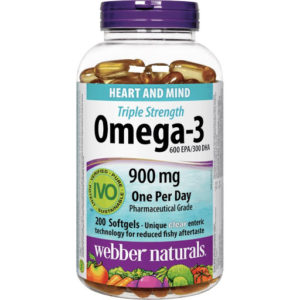
Webber Naturals – Triple Strength Omega-3 (900mg EPA / DHA) 200 capsules Value Pack
Original price was: $398.00.$298.00Current price is: $298.00. Add to basket -
Sale!

Kirkland Signature – Omega-3 Ultra Concentrated Deep Sea Fish Oil Capsules 1300mg 330 Capsules
Original price was: $350.00.$298.00Current price is: $298.00. Add to basket -
Sale!
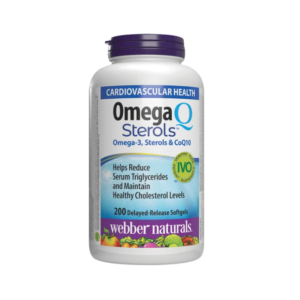
Vebogen – Omega 3 & Coenzyme Q10 & Phytosterols 200 Capsules
Original price was: $290.00.$245.00Current price is: $245.00. Add to basket -
Sale!

Webber Naturals – Omega-3 Mini Fish Oil Capsules 300mg 220 Softgels
Original price was: $198.00.$168.00Current price is: $168.00. Add to basket
Related Post:
![眼乾食葉黃素有用嗎?」「秋冬天眼乾特別嚴重,點算?]()
What foods are good for dry eyes? The roles and selection of Omega-3, lutein, zeaxanthin, and blueberry extract.
![男士夜尿、滴滴仔:良性前列腺增生的症狀、檢查與保健品選購]()
Nocturia and dribbling in men: Symptoms, examinations, and supplemental evidence of benign prostatic hyperplasia (BPH).
![通宵一晚,血壓會升多少?]()
Staying up late and blood pressure: How much will blood pressure rise after staying up all night on Halloween? Interpreting cardiovascular risk data.
![均衡備餐與體重管理]()
Weight Management Shopping Guide: 8 Selected Probiotics, Apple Cider Vinegar, and Herbal Formulas