
































































Five Essential Nutrients for Gynecological Health: Symptoms of Ovarian Cancer, Risk Factors, and the Selection of Women's Health Supplements
This is an article about women's health education and product introduction. Nutritional supplements cannot prevent, diagnose, or treat ovarian cancer or other cancers; if you have persistent or recurring symptoms, you should consult a doctor first.
First and foremost, the most important point: Supplements are not cancer screenings.
The term "gynecological killer" can be alarming, but the truly effective approach is not to treat every health supplement as a shield, but to understand bodily changes, seek medical attention as needed, undergo appropriate gynecological examinations, and support daily health with a balanced diet and personalized nutritional supplements.
Early symptoms of ovarian cancer, fallopian tube cancer, and primary peritoneal cancer may be subtle. Furthermore, symptoms such as abdominal bloating, constipation, changes in appetite, and pelvic discomfort can also be caused by gastrointestinal problems, menstrual changes, uterine fibroids, or other non-cancerous causes. Therefore, having symptoms does not equate to having cancer, but symptoms that are persistent, recurring, and gradually worsening should not be treated by simply enduring the symptoms or self-medicating with health supplements.
The U.S. Centers for Disease Control and Prevention (CDC) states that there is currently no simple and reliable universal screening method for ovarian cancer suitable for asymptomatic women; Pap smears are used to screen for cervical cancer, not ovarian cancer. If there are unexplained symptoms or if someone is at higher risk, a doctor may order a pelvic exam, vaginal ultrasound, or CA-125 test as needed for diagnostic evaluation, but these tests do not mean that everyone needs to perform them regularly on their own.CDC: Ovarian Cancer Screening NCI: Ovarian Cancer Screening
Don't dismiss these physical signs as just "middle-age spread."
1. Bloating or abdominal enlargement that is persistent and unrelated to diet.
Occasionally overeating, drinking carbonated beverages, or constipation can cause bloating, which is not uncommon. What's more concerning is persistent abdominal bloating, clothing feeling increasingly tight around the waist, or symptoms that don't improve after rest or dietary adjustments. Symptoms related to ovarian cancer may include abdominal or pelvic pain, swelling, or a feeling of pressure, and may also include gastrointestinal symptoms such as bloating and constipation. However, these symptoms are also common in other diseases and cannot be self-diagnosed based solely on symptoms.NCI: Symptoms and Risk Factors of Ovarian Cancer
2. Feeling full quickly and experiencing a significant change in appetite.
If you used to be able to eat a full bowl of rice normally, but recently you feel full after only a few bites, or even lose your appetite due to bloating, and this continues, it's worth noting. If this is accompanied by unexplained weight loss, persistent nausea, abdominal pain, or changes in bowel habits, you should definitely tell your doctor the whole story.
3. Discomfort in the pelvic or lower abdomen
Recurring lower abdominal pain, pelvic pressure, pain during intercourse, and bleeding outside of menstruation do not necessarily indicate cancer, but it is worthwhile to find the cause. Do not completely ignore it just because "the pain is not severe," especially when the symptom pattern is different from the past.
4. Frequent urination or sudden urgency
Frequent urination can be related to water intake, urinary tract infection, overactive bladder, etc.; however, if it occurs continuously without obvious cause and is accompanied by abdominal pressure or pelvic discomfort, you should tell your doctor.
5. Unusual vaginal bleeding or changes in discharge
Postmenopausal bleeding, bleeding between periods, sudden changes in menstrual flow, or abnormalities in the color, odor, or amount of discharge should not be simply attributed to "hormonal imbalance." These changes can have many causes, and doctors need to make a diagnosis based on age, cycle, medication, and test results.
When should I schedule a medical visit?
A simple principle to follow is: don't wait until the pain becomes unbearable before seeking treatment. Instead, schedule an evaluation with a family doctor or gynecologist if symptoms are unusual, recurring, gradually worsening, or persist for about two to three weeks without improvement. If you experience heavy bleeding, severe abdominal pain, fainting, difficulty breathing, persistent vomiting, or a sudden and significant deterioration, seek medical attention immediately.
Before seeing a doctor, you can take notes on: the onset date of symptoms, the frequency of occurrence per day, the relationship to your menstrual cycle, the location of the pain, changes in bowel movements and urination, changes in weight and appetite, and any medications or supplements you are currently taking. This information is usually more helpful for the doctor to determine the next steps than simply saying "I haven't been feeling well lately."
Who should be particularly wary of risks?
Having risk factors does not mean you will definitely develop cancer; the absence of known risk factors does not mean there is absolutely no possibility. Whether you are at high risk needs to be assessed by a doctor based on your personal and family medical history.
Family history and genetic factors
A history of ovarian cancer in the mother, sister, or daughter, or a family history of breast, ovarian, fallopian tube, peritoneal, or colorectal cancer, may indicate a genetic risk. Genetic factors such as BRCA1, BRCA2, and Lynch syndrome may also increase the risk. If there is a concentrated family history or someone at a young age has developed cancer, it is advisable to consult a doctor for genetic counseling rather than relying on nutritional supplements for assessment.NCI: Risk factors for ovarian cancer
Endometriosis
If you have a history of endometriosis, including what is commonly known as "chocolate tumors," you should follow your gynecologist's advice. It is one of the factors that may be associated with the risk of ovarian cancer, but the risk assessment still depends on the actual condition, and not all chocolate tumors are directly equated with cancer.
Weight, menstrual cycle and reproductive history
Factors such as being overweight, having early menarche, having late menopause, never having given birth, or having conceived late are often simplified into a single conclusion in various health articles. In reality, the risk of ovarian cancer is influenced by age, number of years since ovulation, genetics, hormones, and other factors. Don't panic if you meet one of these criteria, and don't let your guard down if you don't meet any of them.
The actual arrangements you can make
- Complete cervical cancer screening based on age, medical history, and doctor's advice.
- If you have a family history, genetic concerns, or persistent symptoms, proactively inform your doctor and don't just ask for a Pap smear and consider the matter closed.
- The doctor will decide whether a pelvic exam, vaginal ultrasound, blood tests, or referral to a specialist is needed.
- Do not mistake "one normal ultrasound" for the absence of any follow-up appointments; if symptoms persist, follow up as advised by your doctor.
Five nutritional aspects women should pay attention to in their daily lives
The following five points are for daily nutrition planning, not a prescription for cancer prevention. Nutrients support normal bodily functions, but there is no evidence that Omega-3, probiotics, iron, folic acid, magnesium, or evening primrose oil alone can prevent ovarian cancer. The National Cancer Institute also points out that the relationship between dietary factors and the risk of ovarian cancer remains inconclusive.NCI: Ovarian Cancer Prevention
Option 1: Omega-3, focusing on cardiovascular and brain health
EPA and DHA are common long-chain Omega-3 fatty acids, with fish and fish oil being one source. They participate in cell membrane structure and various physiological processes in the body, and can also be obtained through daily diets from salmon, sardines, mackerel, and other fish. For women, common considerations for fish oil supplementation include rarely eating fish, wanting to support cardiovascular health, or wishing to address specific nutritional needs under the guidance of a doctor or nutritionist.
Be aware that promotional terms such as "regulates endocrine system," "anti-cancer in gynecology," and "detoxification" should not be directly extrapolated to medical effects. High doses of fish oil may increase the risk of bleeding. Individuals taking anticoagulants or antiplatelet drugs, preparing for surgery, pregnant, or breastfeeding should consult their doctor first. The NIH ODS also recommends supplementing according to product labels and individual circumstances, rather than layering multiple fish oils on your own.NIH ODS: Omega-3
Option Two: Probiotics plus cranberries, addressing gut and urinary/private health separately.
Gut microbiota, vaginal microbiota, and urinary tract health are interconnected, but it's not a matter of "eating one capsule to completely eliminate bad bacteria." The effectiveness of probiotics highly depends on the strain, dosage, timing of consumption, and individual circumstances; research on cranberries often focuses on the risk of recurrent urinary tract infections in some women and should not be considered a product for treating vaginitis, bacterial infections, candidiasis, odor, or cancer.
If you experience itching, burning, odor, abnormal discharge, painful urination, or fever, you should first undergo a medical evaluation. Especially for recurring symptoms or discomfort during pregnancy, you should not rely solely on cranberries or probiotics to delay treatment. Individuals with severely suppressed immunity, hospitalized, or with serious chronic illnesses should also consult a doctor before taking probiotics.
Option 3: Iron and folic acid supplementation – first clarify whether you really need them.
Iron is an essential nutrient for hemoglobin production; folic acid is involved in DNA synthesis and cell division. People with heavy menstrual flow, vegetarian diets, insufficient dietary intake, those who are pregnant, or those who have previously tested positive for iron deficiency may need to pay special attention, but fatigue alone cannot directly prove iron deficiency. The safest approach is for a doctor to determine the cause based on blood test results, ferritin levels, etc.
Excessive iron supplementation may cause nausea, constipation, and abdominal pain; individuals with certain medical conditions may also be at risk of iron buildup. Folic acid levels are not necessarily better the higher they are; high doses of folic acid may mask some symptoms of vitamin B12 deficiency. When taking thyroid medications, antibiotics, antacids, or other prescription drugs, consult your pharmacist about the recommended intervals between doses.
Fourthly, magnesium supports nerve, muscle, and energy metabolism.
Magnesium is involved in energy metabolism, normal nerve and muscle function, and is also related to bone health. It can be obtained daily from foods such as nuts, legumes, whole grains, and dark green vegetables. Supplements may not be suitable for everyone, especially those with poor kidney function, prone to diarrhea, or taking multiple medications simultaneously.
The NIH ODS warns that magnesium supplements may cause diarrhea, nausea, and abdominal cramps; magnesium in supplements may also interact with some antibiotics, bisphosphonates, and other medications, and should be taken separately as advised by a healthcare professional.NIH ODS: Magnesium
Option 5: Evening primrose oil – distinguish between "may help" and "proven effective".
Evening primrose oil contains Omega-6 fatty acids and GLA, and is commonly used for women's premenstrual or menopausal health.NCCIH: Uses and Safety of Evening Primrose Oil
Common side effects include abdominal pain, nausea, or diarrhea; those who are currently taking this medication, preparing for surgery, are pregnant, breastfeeding, or have a history of epilepsy should consult their doctor first. If increased bleeding, rash, or significant discomfort occurs after taking the medication, discontinue use and seek medical advice.
How to choose from 6 women's health products according to your needs?
The prices below are compiled from the latest product database of Gogo Herbs; actual selling prices, inventory, batches, and discounts are subject to the website checkout page.
| PRODUCTS | Suitable directions to consider | Need to pay attention | |
|---|---|---|---|
| WHC White Moonlight Quadruple Omega Fish Oil 60 Capsules | Omega-3, EPA/DHA, and daily nutrition for women | Fish source; avoid using with blood thinning medications without medical advice; database indicates that this is not recommended for pregnant or breastfeeding women. | |
| ProVen Women's Probiotics + Cranberry 3600 30 Capsules | LAB 4 Probiotics and Cranberry for Daily Gut and Intimate Care | Seek medical attention if you experience symptoms; wait at least 2 hours between taking antibiotics and other treatments; those with weakened immune systems should consult a doctor first. | |
| Nature Made Extra Strong Magnesium 400 mg 180 Capsules | Magnesium, normal muscle and nerve function | Possible diarrhea; those with kidney disease or taking medication should consult a doctor first; do not combine with other magnesium products. | |
| Vebohealth Mild Iron + Folic Acid + Vitamin C, B12 28 mg 150 tablets | Iron deficiency risk, red blood cell and folic acid nutritional support | It's best to get a blood test first; it could be due to constipation or stomach upset. | |
| SWISSE Evening Primrose Oil 1000 mg 200 capsules | Omega-6, GLA, and menstrual or menopausal health considerations | Consult before taking medication, during pregnancy/breastfeeding, or before surgery. | |
| Healthy Care Sheep Placenta Extract 5000 mg 100 Capsules | Additional options for women's beauty and menopausal health | Contains gelatin and sulfites |
1. WHC White Moonlight: For women who want to supplement Omega-3.
Product information shows that each 2 capsules contain 498 mg of Omega-3, including 280 mg of EPA and 190 mg of DHA, as well as Omega-6, GLA, Omega-7, and Omega-9. Its product positioning focuses on women's daily Omega fatty acid intake and cardiovascular, brain, and menstrual health. If you rarely eat deep-sea fish, you can first review your diet before deciding whether supplementation is necessary.
The database recommends that adults aged 14 or older take 2 capsules daily with meals; the product contains fish gelatin and fish oil. Those currently taking blood thinning medication, undergoing surgery, or who are pregnant or breastfeeding should not self-medicate.
2. ProVen Women's Probiotics with Cranberry: A Division of Labor for Gut and Intimate Care
The product information lists the LAB 4 formula, which includes strains such as CUL60, CUL21, CUL09, CUL34, and CUL20, as well as 3600 mg of cranberry extract and vitamin B6. The database recommends one capsule daily for general health maintenance and two capsules daily for relieving discomfort, and states that it should be taken at least two hours apart from antibiotics.
"Relieving discomfort" does not mean it can cure an infection. If you have painful urination, fever, back pain, blood in your urine, abnormal discharge, or recurring itching, you should consult a doctor or pharmacist first. More probiotics are not necessarily better; when choosing probiotics, you should carefully check the strain name, storage method, expiration date, and usage instructions.
3. Nature Made Extra Strong Magnesium: The key is magnesium, not "anti-cancer for women".
Each capsule contains 400 mg of magnesium. The database recommends that adults take one capsule daily with meals, and notes that some people may experience diarrhea. This product is more suitable as a candidate for magnesium supplementation. Just because it is described as "relaxing" should not lead you to rely solely on magnesium for treating insomnia, anxiety, menstrual cramps, or gynecological issues.
If you are taking antibiotics, osteoporosis medication, or other minerals at the same time, you may need to take them at separate times. People with poor kidney function should especially avoid taking high doses of magnesium long-term on their own.
4. Vebegen Mild Iron Plus Folic Acid: Get proper testing first, then supplement accurately.
Each tablet contains 28 mg of iron, 400 mcg of folic acid, 8 mcg of vitamin B12, and 60 mg of vitamin C. The database recommends that adults take one tablet daily with a meal, and suggest separating it from other medications by several hours. This type of formula may be worth discussing with a doctor for individuals with heavy menstrual bleeding, a history of iron deficiency, or insufficient dietary iron intake.
However, if you are not iron deficient, long-term iron supplementation may not be beneficial. Common side effects of iron supplements include constipation, nausea, or darker stools; if you are already constipated, you should consider supplementation, water intake, fiber intake, and your doctor's advice in conjunction with these. Pregnant women or those planning to conceive should use a doctor-approved pregnancy formula and should not replace prenatal multivitamins with folic acid simply because the product name contains folic acid.
5. Swisse Evening Primrose Oil: Have realistic expectations about your menstrual cycle or menopause.
Each capsule contains 1000 mg of evening primrose oil. The database recommends that adults take 4 capsules daily with food or as directed by their healthcare professional. This is a relatively high dosage; please carefully read the label and avoid duplicating the dosage with other products containing GLA or Omega-6.
Evening primrose oil can be considered for premenstrual or menopausal health, but it is not a hormone therapy or a treatment for ovarian, breast, or uterine diseases. NCCIH research on its uses is still limited. If symptoms appear suddenly, severely impact your life, or are accompanied by abnormal bleeding, you should consult a doctor to determine the cause.
6. Healthy Care Sheep Placenta Extract: Additional beauty and menopause products
The database lists sheep placenta concentrate, gelatin, and sulfites, recommending adults take 1 to 3 capsules daily or as directed by a physician. Because it is an animal-derived concentrate, consult a professional if you have questions about the source of the ingredients, allergy history, pregnancy/nursing status, or long-term prescription medication use.
Can the five directions be eaten together? Not necessarily.
Many people, upon seeing "women's health," want to add fish oil, probiotics, iron, magnesium, and evening primrose oil to their shopping cart. The problem is, the more supplements you have, the harder it is to know which one causes diarrhea, stomach pain, rashes, or bleeding, and there's also a higher chance of overlapping ingredients.
First, use food as the base plate.
Fish, beans, eggs, meat, dark green vegetables, whole grains, nuts, seeds, dairy products, or alternatives can all provide different nutrients. A daily plate is more important than "buying just one bottle of high-concentration product." If you are on a long-term diet, have an unbalanced diet, are vegetarian, have heavy menstrual flow, or have recently experienced significant weight changes, then discuss with your doctor or registered dietitian whether supplementation is necessary.
Add only one product at a time and observe your body's reaction.
If supplementation is needed, choose the one that best suits your current needs, take it according to the label's recommended dosage, and observe changes in your digestive system, skin, sleep, and menstrual cycle for one to two weeks, recording any discomfort. Adding four or five supplements simultaneously makes it difficult to track any problems that may arise.
Medication should be taken at separate times.
Iron, magnesium, probiotics, and fish oil can all cause timing or absorption issues with some medications or nutritional supplements. Don't rely solely on online articles to determine the time interval; the most reliable approach is to bring a list of all your medications and supplements to your doctor or pharmacist.
Those planning to conceive should reconsider.
Nutritional needs differ during pregnancy, preconception, and breastfeeding, and safety data for some herbal or high-dose supplements is insufficient. WHC product information states that it is not recommended for pregnant or breastfeeding women; evening primrose oil, probiotics, sheep placenta extract, etc., should also not be chosen during pregnancy without professional advice. Please consult your obstetrician directly.
7-Day Women's Health Action Plan
Day 1: Record symptoms
Record symptoms such as abdominal bloating, constipation, frequent urination, pelvic pain, menstrual flow, discharge, bleeding, and weight changes. Don't just write "feeling unwell"; write the date, duration, and whether it affects work or sleep.
Day 2: Organizing family history
Ask your mother, sisters, daughter, and both sets of parents about any history of breast cancer, ovarian cancer, fallopian tube cancer, uterine cancer, or colorectal cancer, as well as the age at which the cancer was diagnosed. Incomplete information is fine; just note down the known details.
Day 3: Check medications and supplements
List fish oil, evening primrose oil, iron, magnesium, probiotics, painkillers, blood thinners, birth control pills, and other prescription medications. Don't overlook the fact that "beauty pills" and "sleep products" may already contain iron, magnesium, or herbal ingredients.
Day 4: Schedule appropriate check-ups
Pap smears and HPV tests have their uses, primarily for cervical cancer; they cannot replace ovarian cancer assessment. If you have symptoms or a family history of the disease, clearly state your purpose to your doctor, and don't just say "I want to have a gynecological exam" without mentioning the important points.
Day 5: Improve diet and hydration
A basic meal plan should consist of protein, vegetables, whole grains, legumes, and healthy fats. Water intake should be adjusted according to weight, activity level, weather, heart and kidney function, and doctor's advice; there's no need to believe everyone should drink the same amount.
Day 6: Join gentle activities
Walking, stretching, and simple strength training can help maintain physical fitness and mood. If you experience heavy menstrual bleeding, abdominal pain, or significant pelvic symptoms, do not force yourself to exercise; first identify the cause.
Day 7: Reflect, not blame.
Health isn't something that can be achieved in a week by "clearing away all the bad bacteria" or "returning to how you were ten years ago." Check if your symptoms are improving, if you're getting enough sleep, if your diet is regular, and if you need to seek formal medical attention. If discomfort persists, give your medical records to your doctor.
Frequently Asked Questions (FAQ)
Q1: Can eating the five essential nutrients prevent ovarian cancer?
They are designed to support normal nutrition and bodily functions according to individual needs, and cannot replace medical consultation, genetic counseling, or diagnostic tests.
Q2: If I have a Pap smear, does that mean I don't need to worry about ovarian cancer?
No. A Pap smear primarily screens for changes in cervical cells and cannot be used to screen for ovarian cancer. If you experience bloating, pelvic pain, frequent urination, feeling full quickly, or unusual bleeding, you should consult a doctor based on your symptoms.CDC: Pap smears do not screen for ovarian cancer.
Q3: Does abdominal bloating lasting more than two weeks necessarily mean ovarian cancer?
Not necessarily. Gastrointestinal problems, constipation, food intolerances, fibroids, menstruation, or other illnesses can all cause bloating. The key is to "find the cause" rather than self-diagnosing with cancer.
Q4: If there is a family history of the disease, can taking health supplements reduce the risk?
Health supplements cannot replace genetic risk assessment. If a first-degree relative has had ovarian cancer, breast cancer, or related cancers, the family history should be disclosed to the doctor, and genetic counseling, specialist referrals, or personalized follow-up may be considered as needed.
Q5: Can probiotics treat vaginal itching and odor?
Itching, burning, and odor may be caused by bacterial vaginosis, candidiasis, sexually transmitted infections, dermatitis, or other causes, and appropriate treatment should be used depending on the diagnosis. If you experience painful urination, fever, abdominal pain, or are pregnant, you should seek medical attention as soon as possible.
Q6: Can cranberries prevent all genital infections?
Studies on cranberries have focused on some cases of recurrent urinary tract infections. If symptoms persist after supplementing with cranberries, a medical examination should be conducted.
Q7: Should women take iron supplements when they feel tired?
Fatigue can be caused by many factors, including lack of sleep, thyroid problems, infections, stress, iron deficiency, or vitamin B12 deficiency. Iron supplements should not be taken long-term without medical advice; it is best to have a blood test or consult a doctor first.
Q8: Can iron and magnesium be taken at the same time?
Some people can tolerate it, but absorption and drug interactions depend on the product, dosage, and medication usage. If both are needed, please have a pharmacist assist in scheduling; do not neglect the total amount of multivitamins, iron, and magnesium supplements.
Q9: Does higher magnesium levels help with sleep and relaxation?
No. Magnesium is a mineral needed for normal nerve and muscle function, but higher doses do not equal better and may cause diarrhea. If sleep problems persist, investigate possible causes such as stress, caffeine, medications, sleep apnea, or menopause.
Q10: Evening primrose oil is natural, so it can be taken safely for a long time?
"Natural" does not mean it is suitable for everyone. Evening primrose oil may cause gastrointestinal upset or interact with medications. Before taking it, you should check your medical history and medications, especially if you have had surgery, are pregnant or breastfeeding, or have a history of epilepsy.
Q11: Will fish oil increase menstrual flow?
Fish oil should be used with caution when combined with other products or medications that may affect blood clotting. If you have heavy menstrual flow, are prone to bruising, are taking anticoagulants, or are preparing for surgery, consult your doctor or pharmacist before increasing the dosage on your own.
Q12: Can taking sheep placenta extract help with menopausal discomfort?
Menopausal hot flashes, insomnia, mood swings, vaginal dryness, and bleeding can be managed in different ways; sheep placenta extract is not a hormone therapy and cannot treat abnormal bleeding or cancer risks. This product contains animal-derived ingredients and sulfites; those with allergies or who are currently using medication should confirm this information first.
Q13: If I have no symptoms, do I need to have an ovarian ultrasound every year?
There is no proven, reliable, and universally applicable ovarian cancer screening program for women who are generally asymptomatic. Whether an ultrasound or other tests are needed depends on family history, symptoms, and a doctor's assessment. Don't schedule too many tests based on a promotional article, and don't ignore new symptoms because of a single normal result.
Q14: What is the most important thing to look for when buying women's health products?
First, check the ingredients and the content per serving. Then, look at the recommended usage, source, allergens, contraindications, expiration date, and whether the product is suitable for you. Also, be wary of exaggerated product claims, such as "cancer prevention," "tumor elimination," or "100% hormone regulation," which should not be the basis for your purchase.
Nutritional needs are organized according to life stages.
Women who are menstruating: First address menstrual flow and dietary habits.
If you experience heavy or prolonged menstrual bleeding, frequent dizziness, or shortness of breath, you should first rule out iron-deficiency anemia and gynecological problems. Do not take iron supplements long-term on your own simply because you see the label "iron supplement," as bleeding could be caused by uterine fibroids, endometrial abnormalities, hormonal changes, or other conditions. Keeping a record of the start and end dates of each menstrual period, the frequency of changing sanitary pads during the day, whether nighttime changes are needed, and whether there are blood clots or dizziness are all useful information for follow-up appointments.
In terms of diet, you can combine iron-rich foods with vitamin C-rich foods, such as meat with bell peppers, beans with tomatoes, and dark green vegetables with fruits. Components in tea and coffee may affect iron absorption; if you are dealing with iron deficiency, consult your doctor or nutritionist about mealtime and post-meal recommendations. When iron supplements cause constipation, it's important to adjust your water, fiber, and activity levels simultaneously, rather than constantly adding magnesium or laxatives simply because your stool is hard.
For those planning to conceive or potentially pregnant: Prioritize advice from an obstetrician/gynecologist.
Women trying to conceive usually need to pay special attention to folic acid, but the actual dosage should be determined based on age, medical history, diet, medications, and doctor's advice. Do not consider regular iron and folic acid products, women's beauty products, or fish oil as a complete pre-pregnancy formula. During the pre-conception period, pregnancy, and breastfeeding, evening primrose oil, sheep placenta extract, high-dose fish oil, and compound herbal products should all be reviewed by an obstetrician-gynecologist first.
If you have concerns about hereditary cancer, you should also tell your doctor about your plans to conceive and your family history. Your doctor will determine whether you need genetic counseling, specialist referrals, or other tests based on your age, family history, and personal medical history. Don't assume any pelvic pain or abnormal bleeding is a normal reaction just because you are trying to conceive.
Postpartum and busy work periods: Prioritize basic nutrition and sleep
Postpartum fatigue may be related to lack of sleep, breastfeeding, iron deficiency, thyroid problems, or emotional well-being. Fish oil, probiotics, or magnesium can be discussed, but they cannot replace postpartum checkups. If you experience persistent heart palpitations, dizziness, low mood, insomnia, breast problems, or heavy bleeding, please seek medical attention as soon as possible.
When busy with work, it's easy to fall into a pattern of eating a haphazard breakfast, having insufficient vegetables at lunch, relying on coffee to stay awake in the afternoon, and overeating at dinner. Instead of buying multiple health supplements at the same time, it's better to first establish a fixed breakfast with protein, a serving of vegetables, two servings of fruit or legumes, and then incorporate fish or other Omega-3 foods several times a week. Once your basic lifestyle is stable, it will be easier to determine what you are truly lacking.
Around menopause: Treat bleeding and hot flashes separately.
Menopause can cause hot flashes, night sweats, sleep disturbances, mood swings, and dry skin and vagina, but none of these discomforts should be directly attributed to hormones. Postmenopausal bleeding, sudden changes in menstrual flow (becoming very frequent or infrequent), bleeding after intercourse, abnormal discharge, and new pelvic pain must be evaluated by a doctor.
Evening primrose oil and sheep placenta extract may be considered by some consumers as women's health products, but they are not equivalent to hormone therapy, nor do they mean they can address endometrial, ovarian, or breast problems. If symptoms affect your life, you should discuss hormone therapy, non-hormonal medications, lifestyle adjustments, and bone and cardiovascular health with your doctor, rather than simply pursuing a "hormonal regulation" product.
Why is it easy to pick the wrong product when you work backward from the symptoms?
"I have bloating, so I'm taking probiotics" is not necessarily true.
Bloating can be caused by constipation, lactose intolerance, irritable bowel syndrome, eating too quickly, carbonated drinks, the menstrual cycle, medications, or pelvic inflammatory disease. Probiotics can help some people, but may initially increase gas in others. If bloating is accompanied by weight loss, feeling full too quickly, bloody or black stools, persistent vomiting, or pelvic pain, you should seek medical attention first.
The statement "I'm tired, so I eat iron" is not necessarily true.
Iron deficiency requires testing. Iron supplements are not energy boosters, nor are they a daily necessity for all women. Taking large amounts of iron when there is no deficiency may increase constipation and stomach discomfort, and may also interfere with the diagnosis of other diseases.
"I can't sleep well, so I take magnesium" is not necessarily true.
Magnesium deficiency can be one factor to consider, but caffeine, stress, sleep duration, nighttime phone use, thyroid issues, medications, and sleep apnea can all cause insomnia. Magnesium 400 mg products can also cause diarrhea, so if you already have trouble sleeping due to gastrointestinal problems, avoid products based solely on their titles.
"I feel uncomfortable during my period, so I take evening primrose oil" may not be the right approach.
Severe menstrual cramps, excessive menstrual flow, painful intercourse, or pelvic pain may be related to endometriosis, fibroids, adenomyosis, or other conditions. Research on evening primrose oil is limited; not every menstrual symptom should be lumped together as PMS, nor should gynecological examinations be delayed.
"I'm afraid of gynecological cancer, so I consume all women's products," is even less ideal.
Fear can make you want to buy everything at once, but doing so can cause you to overlook what's truly important: symptom records, family history, appropriate testing, vaccines, and doctor follow-ups. The value of nutritional supplements lies in fulfilling specific needs, not in replacing anxiety with a bunch of capsules.
8-Step Method for Reading Product Labels
- Check the actual ingredients listed after the product name. "Women's Formula" is not a single nutrient; you need to find out the actual content of EPA, DHA, bacteria, iron, folic acid, magnesium, GLA, etc.
- See each grain or each serving. Some figures are calculated in terms of two tablets, four tablets, or a pack. Do not mistake the content per serving for the content per tablet.
- See the recommended serving size. Fish oil products may be taken 2 capsules daily, and evening primrose oil may be taken 4 capsules daily. You cannot judge the quality based solely on "1000 mg".
- Identify the allergen and its source. Fish gelatin, gelatin, dairy products, gluten, sulfites, and animal sources can all influence your choices.
- Observe drug interactions. Blood thinners, antibiotics, thyroid medications, osteoporosis medications, and some antiepileptic drugs may need to be separated or avoided.
- See the save method. Probiotics may have requirements regarding temperature, humidity, and storage after opening; fish oil, on the other hand, requires attention to odor, light, and shelf life.
- Check the expiry date and batch number. Don't just look at the discount; make sure the expiration date is sufficient and that there is clear product information.
- Check if the health claims are excessive. "Supporting normal function" and "curing cancer" are completely different claims; anything that guarantees cancer prevention, tumor removal, or a cure for hormonal problems should not be blindly believed.
Lifestyle habits are also a part of women's health.
Sleep and stress
Sleep deprivation doesn't directly cause cancer, but it can make fatigue, appetite, mood, and pain more difficult to manage. You can start by establishing a consistent wake-up time, reducing caffeine intake in the afternoon, minimizing screen time before bed, and tracking night sweats, hot flashes, snoring, and urination at night. If you consistently have trouble sleeping for several nights a week or are unable to work normally during the day, you should seek medical attention rather than continuously increasing your intake of magnesium or other sleep aids.
Exercise and weight
Walking, strength training, and stretching help maintain physical, skeletal, cardiovascular, and emotional health. Exercise is not meant to "burn away gynecological cancer," nor is more intense better. Weight management should begin with sustainable eating, activity, sleep, and stress management, avoiding extreme dieting that leads to deficiencies in iron, folic acid, protein, or other nutrients.
Alcohol, smoking, and drugs
If you smoke or drink, reducing or quitting is usually a better priority than buying an additional supplement. Don't mistake "liver protection" or "liver-strengthening and hangover-relieving" for proof that alcohol can be neutralized; no product can undo the damage caused by alcohol. Before adding any supplements if you are using painkillers, hormones, birth control pills, antidepressants, or blood thinners.
Turn this article into your follow-up appointment checklist
You can create the following 10 questions in your phone's notes:
- What are the most likely causes of my symptoms that I should investigate first?
- Is a pelvic exam, ultrasound, or blood test necessary?
- Is my family history a good reason to seek genetic counseling?
- What is the relationship between Burley's smear and my current symptoms?
- Could my heavy menstrual flow cause iron deficiency?
- Do I need to have a blood test to check my hemoglobin, ferritin, B12, or folic acid levels?
- Will the fish oil, magnesium, iron, or herbal products I am taking interact with the medication?
- If I am trying to conceive, pregnant, or breastfeeding, which products should I stop using?
- What symptoms require an immediate follow-up appointment?
- How long after that do I need a follow-up appointment or repeat the tests?
Asking questions in a structured manner doesn't mean you're overly nervous; it simply helps the doctor understand your situation more quickly. Your body's signals deserve serious attention, but taking them seriously doesn't mean accepting the worst-case scenario.
Quick Matching Chart for Women's Health Products
| Your main considerations | You can learn about it first. | |
|---|---|---|
| I don't eat much fish regularly and want to supplement my EPA/DHA intake. | WHC White Moonlight | |
| Gut health and want to learn more about probiotics and cranberries. | ProVen Women's Formula | |
| Dietary magnesium deficiency, seeking support for muscle and nerve function | Nature Made Magnesium 400 mg | |
| Previously diagnosed with iron deficiency or heavy menstrual bleeding | Vebegen Iron and Folic Acid Formula | |
| Want to know about the menstrual health benefits of evening primrose oil? | SWISSE Evening Primrose Oil | |
| Want to learn about women's beauty and menopause extension products? | Healthy Care Sheep Placenta Extract |
Let me remind you again: true early prevention means early identification.
If you experience abdominal bloating, don't immediately assume it's cancer; and don't endure it indefinitely just because a family member says, "That's normal for older people." Also, don't ignore drug interactions and your personal medical history just because a product is natural.
The most practical order is: first observe changes in your body; if they are persistent or recurring, seek medical attention; if you have a family history of health issues, proactively disclose it; if there are any deficiencies, get tested to clarify; only choose a suitable nutritional supplement if needed; if you experience discomfort after taking it, stop and reassess. Health supplements can be part of daily health management, but gynecological examinations, doctor follow-ups, and proper symptom management are the irreplaceable core elements.
Gogo Herbs Women's Health Section
To learn more about our products tailored to different health needs, please visit:Women's Health Section
New customers who spend $350 or more on the website can enter a coupon in the coupon field at checkout. NEW88Regular-priced products are eligible for a 12% discount and free shipping. See the website checkout page for details.
Address in Mong Kok: Unit D, 5/F, Lung Kui Enterprise Building, 64 Tong Mei Road, Mong Kok. Open Monday to Saturday, 10:00 a.m. to 7:00 p.m. Closed on public holidays.
Health Declaration
This article provides general health information and product introductions only and should not replace the diagnosis and advice of a doctor, pharmacist, registered dietitian, or other qualified professional. If you experience persistent bloating, pelvic pain, abnormal bleeding, frequent urination, feeling full quickly, unexplained weight loss, or a family history of ovarian cancer, breast cancer, or related hereditary cancers, please schedule an appropriate medical evaluation. Those diagnosed with cancer, undergoing chemotherapy or radiation therapy, preparing for surgery, pregnant, breastfeeding, with kidney disease, liver disease, bleeding problems, or currently taking prescription medications must consult a healthcare professional before using any nutritional supplements.
References
- CDC: Screening for Ovarian Cancer
- NCI: Ovarian, Fallopian Tube, & Primary Peritoneal Cancers Screening
- NCI: Treatment of Ovarian Epithelial, Fallopian, & Peritoneal Cancers
- NCI: Ovarian, Fallopian Tube, & Primary Peritoneal Cancers Prevention
- NIH ODS: Omega-3 Fatty Acids
- NIH ODS: Magnesium
- NCCIH: Evening Primrose Oil
Related Products:
-
Sale!
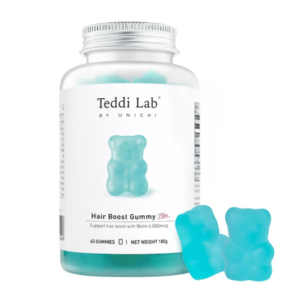
Unichi – Teddi Lab® Gummy Bears Gummy Bears for Hair Growth Upgraded Sea Salt and Green Titanium Flavour 60 Capsules
Original price was: $170.00.$125.00Current price is: $125.00. Add to basket -
Sale!

ProVen – Women's Dedicated Probiotic + Cranberry 3600 30 Capsules
Original price was: $198.00.$138.00Current price is: $138.00. Add to basket -
Sale!

Swisse – Beauty Women's Hair Nutritional Capsules 60 Capsules
Original price was: $168.00.$118.00Current price is: $118.00. Add to basket -
Sale!

Unichi – Teddi Lab® Smokamine Whitening Gummy Bears Jasmine & Grapefruit Flavour 60 capsules
Original price was: $170.00.$125.00Current price is: $125.00. Add to basket
Related Post:
![牛樟芝子實體與膠囊製品示意]()
What is Antrodia camphorata? A complete guide to its ingredients, research evidence, and precautions for consumption.
![世界心臟日護心飲食場景,香港中年夫婦享用豆漿、豆腐、雞蛋與堅果,旁有心臟及細胞膜卡通示意]()
World Heart Day: Heart Health in Hong Kong Starts with Daily Life | What are the Benefits of Lecithin? Which of Three 1200mg Products to Choose From?
![香港女士在家規劃日程與Jamieson維柏健Kirkland維他命B12產品]()
Where to choose Vitamin B12 in Hong Kong? Supplementation and testing guidelines for memory loss, fatigue, and numbness in the hands and feet.
![香港女士益生菌選購指南:蔓越莓與益生菌膠囊]()
Hong Kong Women's Probiotic Recommendations and Purchasing Guide: How to Choose Cranberry, Strain, and Dosage Form?