



























































The Importance of Healthy Eating: 6 Key Nutrients and How to Eat with Mind
For most people, eating seems like just a daily routine; but diet actually has a profound impact on our present and long-term health. With the increasing prevalence of fast food, we are more exposed to solid fats, added sugars, refined grains, and saturated fats; at the same time, few adults actually eat the recommended amount of fruits and vegetables.
It's important to clarify first: a balanced diet is the foundation of good health, but no food can prevent, treat, or cure disease, nor can it replace medical care. This article summarizes the effects of a healthy diet on the body, the difference between "mindful eating" and "eating on a whim," and six key nutrients to keep in mind when planning your meals.
II. Mindful Eating vs. Eating on a whim
III. Six Key Nutrients for Planning Your Meal Plan
IV. Safety Boundaries and Medical Advice
V. Frequently Asked Questions (FAQ)
I. Why is a healthy diet important?
A healthy diet is important because it supports the body's essential daily functions. We are not robots; our bodies need materials from food to create new cells, maintain normal function, and generate the energy needed for daily activities. These needs differ slightly at different stages of life.
- General adults:A balanced diet provides energy and various nutrients to support metabolism and normal bodily functions.
- Senior citizens:A balanced diet with sufficient nutrients (especially protein, vitamin D, calcium, B12, and dietary fiber) is needed to help maintain tissues such as muscles, bones, and skin.The National Institute on Aging (NIA)It is pointed out that a balanced diet is an important part of healthy aging.
- Patients in recovery:The body's nutritional needs may increase during the repair process, and a balanced diet can provide the necessary nutrients to support the repair process; however, this is part of medical care and should be done in accordance with the advice of doctors and nutritionists, rather than replacing regular treatment with food on your own.
Diet also affects our metabolism and mood. Essential nutrients assist in energy production, promote growth and repair, and help regulate metabolism; conversely, long-term poor dietary habits are associated with weight gain and an increased risk of chronic diseases.The World Health Organization (WHO) pointed outUnhealthy diet is one of the major risk factors for non-communicable diseases such as diabetes, heart disease, stroke and cancer (it is a risk association, not a disease caused by a single food).
II. Mindful Eating vs. Eating on a whim
Many adults are prone to nutritional deficiencies due to busy work schedules and fragmented time, primarily because they lack planned and balanced meals. After a long day, when hunger strikes, it's easy to eat whatever comes to mind – this can be called…Eat as you please(Decide based on your current mood).
Conversely, the first step in healthy eating is to cultivate...Eat with careThe habit: First, establish a basic understanding of nutrition concepts, such as what a low-fat diet is, low-calorie snacks, eating more fruits and vegetables, and how to plan when you need to lose weight. Mindful eating is actually a personal habit that grows with you, and it's easier than you think.
One practical starting point is to begin.Planning the menuConsciously plan your meals, shopping lists, and budget to prepare balanced meals for your body. Meal planning may seem troublesome at first glance, but it's well worth it in the long run. The following six key nutrients are the focus of your planning.
III. Six Key Nutrients for Planning Your Meal Plan
1. Carbohydrate
Carbohydrates are the body's primary energy source.WHO pointed outFor most people, unrefined carbohydrates should account for approximately 451 tbsp (751 tbsp) to 451 tbsp (depending on individual activity levels and circumstances); these should primarily come from whole grains (such as oats, brown rice, and whole wheat), vegetables, fruits, and legumes. They also provide dietary fiber, which aids in bowel movements and defecation. While refined sugars and sweets also contain carbohydrates, their consumption should be limited.NHS RecommendationsUse high-fiber, whole-grain starchy foods as your staple food base. Some medical conditions require carbohydrate restriction or a low-sugar diet; please follow the instructions of your doctor or nutritionist and do not make significant adjustments on your own.
2. Protein
Protein is the body's "building block," responsible for cell development, tissue growth and repair, and is also a secondary energy source. It's essential for maintaining skin, hair, and muscles. Good protein sources include fish and seafood, poultry, lean meat, eggs, dairy products, dried beans, and soy products. The WHO also mentions that for many adults, shifting their protein sources more towards plant-based sources (and reducing red meat) may be beneficial to their health.
3. Fats
Fats are not bad—they are essential fatty acids (linoleic acid and alpha-linolenic acid) that the body cannot synthesize on its own and must obtain from the diet.WHO RecommendationsAdults should consume 151 TP + 1 T + 301 TP + 4 T of total energy daily from fat, with an emphasis on the "quality of fat" being more important.Unsaturated fatsUnsaturated fats (from fish, avocados, nuts, and sunflower oil, soybean oil, canola oil, and olive oil) are better than saturated and trans fats. It is recommended that saturated fats not exceed 101 TP4T of total energy and trans fats not exceed 11 TP4T. Industrially produced trans fats should be avoided as much as possible. Fat also helps regulate body temperature and provides cushioning protection for internal organs. When choosing oils, use vegetable oils rich in unsaturated fats instead of butter, lard, and shortening; eat less fried and pre-packaged snacks.
4. Vitamins
Vitamins are like the "oil" needed for the body to function. Since the body cannot produce most vitamins on its own, a diet must include foods rich in vitamins. Vitamins A, D, E, and K are fat-soluble, while B vitamins and vitamin C are water-soluble. In practice, a variety of fruits, vegetables, and whole foods should be the primary sources. If dietary restrictions may lead to insufficient intake, vitamin supplements can be used as an aid, but should not replace a balanced diet; whether you need them and what dosage to take should be discussed with a doctor or nutritionist first.
5. Minerals
Minerals also participate in bodily functions and promote organ growth.鐵It helps produce hemoglobin, transport oxygen throughout the body, and participate in energy utilization;鈣Iron contributes to the structure and strength of bones and teeth, and participates in muscle and nerve function; iodine, potassium, and sodium also each play a role. When planning a diet, pay attention to the sources of minerals such as iron, calcium, iodine, potassium, and sodium. The WHO reminds that sodium (salt) intake should be moderate (adults should consume less than 5 grams of salt per day), while potassium can be obtained through fresh fruits and vegetables.
6. Water
Water is an often overlooked yet indispensable element.NHS RecommendationsAdults should drink about 61 TP1 8 cups of fluids (excluding the water content of food) daily, and more during hot weather or exercise; water, low-fat milk, unsweetened tea or coffee are better choices, and sugary drinks should be avoided.
Thirdly, gogoHerbs nutritional supplement recommendations (product link to be added later).
- Multivitamins/Minerals:It is suitable as a supplement to the nutritional foundation for people with a narrow range of diets and a high proportion of eating out, but a balanced diet should still be the main focus.
- Vitamin D:Suitable for those who spend long hours indoors and have insufficient sun exposure; pay attention to the dosage of each serving when choosing, and avoid combining with other products to avoid exceeding the recommended dosage.
- Calcium + Vitamin D:Suitable for people who consume less dairy products and need to pay attention to bone health.

Selection principles: Carefully check the ingredients and content per serving; choose reputable brands that provide third-party testing information; and be aware of any interactions with medications you are currently taking. The above guidelines are for daily nutritional and health maintenance and should not replace medication or medical advice.
IV. Safety Boundaries and Medical Advice
- Food is a source of nutrition, not medicine.A balanced diet supports the body's normal functioning, but it cannot prevent, treat, or cure any disease, nor can it replace medications or treatments prescribed by a doctor.
- Special attention should be paid to certain groups:The elderly, patients in recovery, pregnant and breastfeeding women, and people with chronic diseases such as heart disease, high blood pressure, diabetes, and osteoporosis should adjust their diet according to the advice of a doctor or registered dietitian.
- Positioning of supplements:Vitamin/mineral supplements can be helpful when dietary intake is insufficient, but not everyone needs them; excessive intake may be harmful (for example, excessive iron can cause gastrointestinal discomfort or even more serious problems), and there is a risk of interaction with medications. Please consult a professional before use.
- Understanding Tags:When buying packaged foods, pay attention to the sugar, saturated fat, and sodium content on the nutrition label and choose a healthier combination.
- If you experience any of these symptoms, please seek medical attention; do not rely solely on diet to manage them:Persistent fatigue, unexplained weight changes, slow-healing wounds, and uncontrolled symptoms of chronic diseases.
- For disease prevention and treatment, please follow official and medical guidelines:A balanced diet is fundamental to daily health and cannot replace vaccines, medications, or medical care.
V. Frequently Asked Questions (FAQ)
Does eating healthy food guarantee you won't get sick?
No. A balanced diet can support normal bodily functions and reduce the risk of some chronic diseases, but it cannot guarantee that you won't get sick, nor can it replace medical care. A healthy diet is an important part of overall health and also needs to be combined with sufficient sleep, regular exercise, and medical care.
What's the difference between "eating mindfully" and "eating casually"?
Eating on a whim means eating whatever you feel like when you're hungry; mindful eating, on the other hand, involves consciously planning your meals, shopping, and budgeting to ensure each meal is as balanced as possible. Mindful eating is a habit that can be cultivated, and the key is "eating with a purpose."
Do carbohydrates really make up 60% of our diet?
The WHO recommends that unrefined carbohydrates should account for approximately 451 TP 1 T 751 TP 4 T of total daily energy intake (depending on individual activity levels and circumstances), emphasizing whole grains, fruits, vegetables, and legumes as the primary sources. The key is not a fixed percentage, but rather choosing high-quality carbohydrates and avoiding refined sugars.
Is it better to eat as little fat as possible?
No. Fat is an essential nutrient, and should account for 151% of total daily energy intake (TP1T30%). The key is quality: choose unsaturated fats (vegetable oils, nuts, fish) and eat less saturated and trans fats.
Do I need to take vitamin/mineral supplements?
Not necessarily. Most people can obtain the necessary nutrients from food if they have a balanced diet and sufficient sun exposure. If their diet is limited or deemed insufficient (such as for the elderly or those with insufficient sun exposure), supplements can be used as an aid; please consult a doctor or nutritionist regarding whether to use them and the dosage.
- WHO — Healthy diet (Carbohydrates 451 TP 1 T 751 TP 4 T, Fat quality, Saturated/trans fat upper limit, Sugar and salt recommendations, NCD risk)
- NHS — 8 tips for healthy eating (whole grains, 5 A Day, fats and sugars, salt, water, breakfast)
- NIA — Healthy eating, nutrition, and diet (diet and nutrition needs of the elderly)
- NIH ODS — Iron (Functions, Sources, Risks of Excess)
- NIH ODS — Calcium (functions, recommended intake, sources of calcium)
This article is a compilation of nutrition and health information for general reference only and does not constitute medical advice, diagnosis, or treatment. No food or dietary supplement can prevent, treat, or cure disease, nor should it replace medication or treatment prescribed by a doctor. Pregnant women, breastfeeding mothers, children, the elderly, those recovering from illness, those with a history of chronic illness, or those currently taking medication should consult a doctor, pharmacist, or registered dietitian before adjusting their diet or starting any supplements. Please refer to the packaging label for the ingredients and dosages of individual products.
Related Products:
-
Sale!

GINAX – Ginseng Tea Bag / Ginseng White Tea Rose Tea Bag | 1bag
Original price was: $13.00.$10.00Current price is: $10.00. 選擇規格 This product has multiple variants. The options may be chosen on the product page -
Sale!

GINAX – Manuka Honey UMF™ 5+ 30g
Original price was: $30.00.$25.00Current price is: $25.00. Add to basket -
Sale!

Single 10% off】aXimed – Recovery Speed 100% Whey Protein Powder 30 sachets
Original price was: $558.00.$502.00Current price is: $502.00. Add to basket -
Sale!
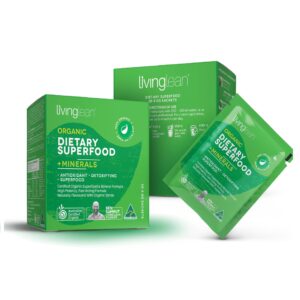
Livinglean – Organic Dietary Mineral Powder 8g x 20 sachets
Original price was: $368.00.$298.00Current price is: $298.00. Add to basket
Related Post:
![世界心臟日護心飲食場景,香港中年夫婦享用豆漿、豆腐、雞蛋與堅果,旁有心臟及細胞膜卡通示意]()
World Heart Day: Heart Health in Hong Kong Starts with Daily Life | What are the Benefits of Lecithin? Which of Three 1200mg Products to Choose From?
![香港家居餐桌上有人閱讀無品牌補充品標籤,旁邊有蔬菜]()
2024-2025 Gut Health Product Insight Report: How to Choose? First Look at Diet, Then Clarify Five Product Pathways
![| 香港成年人在家閱讀無品牌補充品標籤,桌上有蔬菜與水]()
Hong Kong Liver Health Product Insight Report 2024-2025: Liver-Protecting Formulas Decline, Q10 Increases
![香港成年人在家閱讀與休息,從日常習慣開始理解腦部健康]()
Hong Kong Brain Health Insight Report 2024–2025: Differentiating Fish Oil, Memory Formulas, and Vitamin B12 from 87 Products