






























































Hong Kong Children's Health Supplement Recommendations 2026 | Top 5 Buying Guides for Probiotics, DHA, Eye Health Supplements, and Milk Calcium
1. Disclaimer
This article is for general health information and product selection reference only, and should not replace the diagnosis and advice of doctors, pharmacists, nutritionists, optometrists, dentists, or other professionals. Children, infants, patients with chronic illnesses, those currently taking medication, those with a history of allergies, or whose parents are unsure whether it is suitable for them should consult a doctor or professional before using any health supplements. Health supplements cannot replace a balanced diet, vaccinations, sleep, exercise, vision checks, dental examinations, or disease treatment.
2. Why are Hong Kong parents starting to pay more attention to children's daily nutrition?
Hong Kong parents' concern about children's health products is no longer just..."Kids get sick easily, buy them a vitamin."In recent years, parents have been asking more and more questions about their children's health, including picky eating, irregular bowel movements, nasal or skin allergies during seasonal changes, excessive screen time on tablets and phones, lack of energy and concentration after starting school, and whether their children are getting enough nutrition for bone and teeth development. These issues cannot be solved by a single product, but rather by a comprehensive family health management approach.
According to public health information from Hong Kong, children's health is increasingly being given more and more attention."Lifestyle"This discussion takes place within this framework. A Hong Kong government news website report on March 17, 2026, stated that the Department of Health's "Student Health Service Annual Health Report for the 2024-25 Academic Year" indicated that overweight, excessive screen time for entertainment, and poor eyesight are common among primary and secondary school students. The report mentioned that the prevalence of overweight among students was 17.51 per 400 students, 93.61 per 400 students did not engage in at least 60 minutes of moderate to vigorous physical activity daily, and 89.41 per 400 students did not consume enough fruits and vegetables daily. On regular school days, 41.81 per 400 primary school students and 81.11 per 400 secondary school students spent two hours or more daily using the internet or electronic screen devices for entertainment.
source:https://www.news.gov.hk/chi/2026/03/20260317/20260317_140957_206.html?type=ticker
These figures serve as a clear reminder to parents: children's health is not solely dependent on supplements, but rather comprises a combination of diet, exercise, sleep, screen time, vaccinations, vision checks, dental care, emotional well-being, and family life. Health supplements can be a helpful tool, but they cannot be the sole remedy. On March 4, 2026, the government launched Hong Kong's first "Weight Management Action Plan," which outlines measures to help students develop habits of monitoring their weight and practicing healthy lifestyles from a young age through school education and home-school collaboration.
source:https://www.news.gov.hk/chi/2026/03/20260304/20260304_120016_166.html
Meanwhile, the government news website reported on January 26, 2026, that the Centre for Health Protection reiterated the importance of the childhood immunization program and reminded parents to arrange for their children to be vaccinated on time according to the plan.
source:https://www.news.gov.hk/chi/2026/01/20260126/20260126_181506_153.html
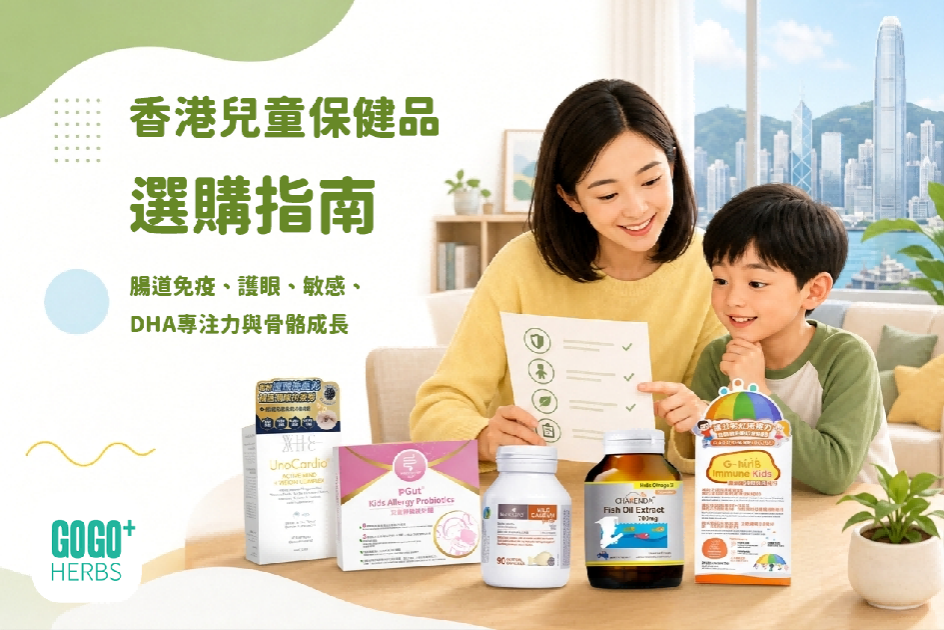
Therefore, the core argument of this article is simple: Hong Kong parents should not choose children's health supplements themselves.Which one is the most popular?It should begin, but should be started byWhich health aspect does your child most need supplementation right now?Let's get started. Intestinal health, immunity, allergies, eye protection, DHA, calcium—each category of products plays a different role. Choosing the right product is more important than buying a lot. Gogo Herbs Based on common children's health needs among Hong Kong parents, we have compiled five children's health supplements, each corresponding to one of five purchasing scenarios:
| need | Corresponding products | Main purchasing angles |
| Gut health and bowel problems | G-NiiB Microecological Children's Immune Formula | Children aged 1-5 years, gut microbiota, prebiotics, immune nutrition |
| Electronic screens and eye protection | WHC Golden Eye | Lutein, Zeaxanthin, Omega-3, Eye Care for School Children |
| Seasonal sensitivity and humidity sensitivity | PGut Children's Soothing Probiotics | 15 billion live probiotics, 6 strains, 3 prebiotics |
| DHA and nutrition during the learning period | Charenda High Purity DHA Fish Oil for Children | Each capsule contains 350mg of DHA, in fish-shaped softgels, suitable for children 6 years and older. |
| Bone and teeth health | Bio Island Natural Milk Calcium for Infants and Toddlers | Milk calcium, vitamin D3, and dosage instructions for children over 7 months of age. |
According to Gogo Herbs' order data from 2024-2026, among these five products, G-NiiB Microecological Children's Immune Formula showed the most stable sales performance, with a cumulative sales volume of 438 units from 2024 to 2026, generating approximately HK$160,646 in sales revenue, involving 250 orders. Therefore, it is the gut and immune nutrition option with the strongest sales data support in this guide. PGut Children's Soothing Probiotics, WHC Golden Eye, Charenda DHA Children's Fish Oil, and Bio Island Milk Calcium are suitable as purchasing options for different needs. In addition to the number of units sold, repurchase behavior can also reflect whether parents continue to focus on the same type of children's health needs. According to Gogo Herbs' order data from 2024-2026, these five children's products involved a total of 188 deduplicated customers, of whom 59 had repeatedly purchased the same set of children's health products during the period, with an overall repurchase rate of approximately 31.41 TP4T and an average repurchase interval of approximately 78.6 days. Among the five products, GNB004 had a repurchase rate of approximately 37.11 TP4T, making it the one with the strongest foundation for continued purchases. These figures demonstrate that parents' concerns about children's gut health, immunity, allergies, eye health, DHA, and calcium are not just one-off needs, but rather a daily purchasing scenario that continues as children grow and their lifestyles evolve. Gogo Herbs welcomes platforms, media outlets, and health content creators to cite the publicly available statistics in this article, provided the source is acknowledged. We publish this anonymous, privacy-free data to help more people understand Hong Kong consumers' health product purchasing trends, promote the exchange of health information, and collectively provide more useful and responsible health references for the general public in Hong Kong. This guide differs from typical online articles on children's health supplements; it doesn't simply compile product lists or repeat brand selling points. This article combines Gogo Herbs' recent sales data, repurchase data, product ingredient information, common inquiries from Hong Kong parents, and publicly available health information to help parents compare children's health supplements based on their children's actual needs. Parents can first consider their needs, then look at ingredients, age, precautions, and reasons for visiting the store, rather than simply pursuing..."Best Seller"或"Most Recommended"。
3. Key takeaways: How should Hong Kong parents choose health supplements for their children?
When choosing children's health supplements, Hong Kong parents should first categorize them according to their child's needs, rather than simply looking at best-selling lists. If the child is 1-5 years old, a picky eater, has irregular bowel movements, or if parents are concerned about their child's gut microbiota, they can first look into G-NiiB's probiotic formula for children. If the child is prone to seasonal allergies and parents want to compare high-bacterial-count probiotics for children, they can look into PGut's children's soothing probiotics. If the child uses electronic devices for extended periods, screen time should be controlled and vision checks arranged before considering products containing lutein, zeaxanthin, and Omega-3, such as WHC Golden Eye. If the child eats little fish, the DHA content of Charenda DHA children's fish oil can be compared. If parents are concerned about calcium intake and bone and teeth development, they can look into Bio Island's natural infant calcium. No children's health supplement can replace a balanced diet, vaccinations, doctor's diagnosis, or treatment.
4. Before choosing children's health products, first consider what your child truly needs.
The biggest misconception about children's health supplements is applying adult purchasing logic directly to children. Adults often look at...Is the content high? Does it have many benefits? Is it a best-selling item?However, the most important factors for children's products are age, dosage form, allergens, method of administration, ease of swallowing, clear ingredient labeling, and suitability for the child's current diet and health condition. Parents can ask themselves five questions first. First, is the product suitable for the child's age? For example, G-NiiB probiotic children's immune formula is labeled as specifically designed for children aged 1-5 years; WHC Golden Eye recommends one capsule daily for teenagers over 7 years old or adults; Charenda DHA children's fish oil is recommended for children aged 6 years or older; Bio Island infant natural milk calcium lists different recommendations for 7-12 months, 1-3 years, 4-8 years, and 9 years or older. Different ages have different swallowing abilities, nutritional needs, and safety considerations; one cannot rely solely on the product name."child"Just buy it directly. Second, what are the child's main needs? If it's picky eating, lack of vegetables, or irregular bowel movements, usually start by looking at dietary fiber, water intake, activity level, and gut health products. For seasonal runny nose and dry, itchy skin, parents can learn about probiotics and daily allergy management, but shouldn't use supplements as a treatment for nasal allergies or eczema. For prolonged use of tablets and phones, first control screen time, increase outdoor activities, and have regular vision checks before considering nutrients like lutein, zeaxanthin, and DHA. For school-aged children with attention deficit, first look at sleep, stress, learning environment, and diet; don't just list DHA as..."Improve grades"Third, does the child have a history of allergies? Fish oil products may contain fish; calcium milk products may contain milk, soy, or gelatin; probiotic products may contain trace amounts of dairy products or lactose. If the child has food allergies, eczema, asthma, is on long-term medication, or has a history of adverse reactions to supplements, parents should consult a doctor first. Fourth, can it be used continuously? Children's health supplements are not a one-time purchase. The design of powder packets, fish-shaped capsules, soft capsules, and food-compatible forms directly affects whether the child is willing to take them. If the child resists the taste or dosage form, even the best formula is difficult to maintain. Fifth, are there clear purchase and after-sales inquiry channels? Parents usually ask more questions about children's products, such as what age they can take them, whether they can be mixed with milk, whether they need to be refrigerated, whether they can be taken with other supplements, and whether they are suitable for sensitive skin. Therefore, children's health supplements require more attention than adult products.Ask questions before you buy.If parents are unsure, they can first visit the Mong Kok store or inquire via WhatsApp.
5. Gut health and childhood immunity:G-NiiB Microecological Children's Immune Formula
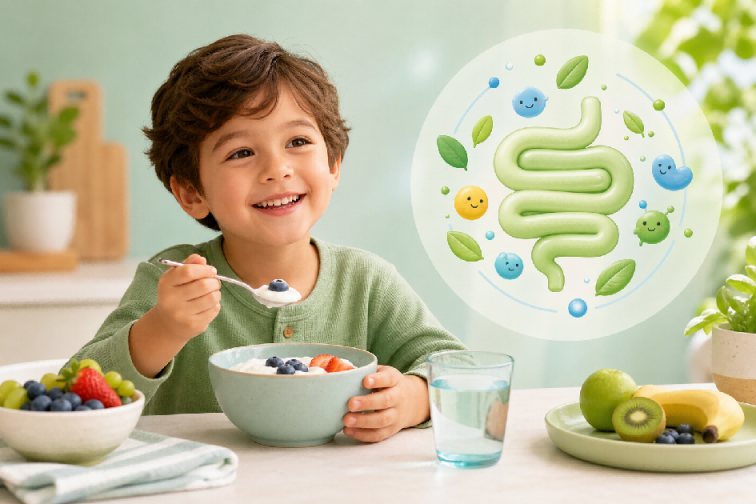
The image illustrates the connection between children's gut health and probiotic supplementation. Many parents first pay attention to children's health products because of their children's digestive system. Issues such as picky eating, insufficient fruit and vegetable intake, changes in sleep patterns after starting school, insufficient water intake, and irregular bowel movements all lead parents to consider probiotics and prebiotics. Gut health is related to immune function, but it's crucial to clarify that probiotics are not drugs, cannot replace vaccines, and do not promise to prevent colds or treat allergies. G-NiiB's probiotic children's immune formula is the product with the strongest sales data among the five products featured in this article. According to Gogo Herbs' order data from 2024-2026, GNB004 sold a total of 438 units over three years, generating approximately HK$10,646 in sales revenue and 250 orders. Specifically, it sold 182 units in 2024, 191 units in 2025, and 65 units as of May 28, 2026. This trend indicates that the product's sales were not driven by a single short-term promotion, but rather by consistent purchases from parents over three years. From a customer behavior perspective, GNB004 had 143 unique customers between 2024 and 2026, of whom 53 had made repeat purchases, resulting in a single-product repurchase rate of approximately 37.11 TP4T and an average repurchase interval of approximately 82.2 days. For children's probiotics and gut microbiota products, these figures are more valuable than simple sales volume, as they reflect that some parents do not make a one-time purchase but rather restock or repurchase after a period of time. This also supports GNB004 as a primary choice for infant gut and daily immune nutrition in this article. Product information shows that the G-NiiB microbiota children's immune formula is specifically designed for children aged 1-5 years, with 28 sachets per box. The formula includes prebiotics such as maltodextrin, fructooligosaccharides, and xylitol, as well as a comprehensive probiotic strain developed by a local university, containing 1 billion colonies per sachet, and also includes calcium acetate and zinc acetate. The product also emphasizes the use of a patented Italian sterilization technology, aiming to improve the stability of probiotics during storage, preparation, and digestion. From a purchasing perspective, the advantage of this product lies not in its simple..."Highest bacteria count"The key lies in its clear positioning: 1-5 years old, powder packaging, probiotics plus prebiotics, and fortified with calcium and zinc. Many children's probiotics on the market emphasize high CFU levels; for example, LifeTopia New Zealand's Double Immune Probiotic Toddler Formula provides 7 billion live probiotics per packet; Vitatree Children's Probiotic Immune Formula contains 10 billion CFU per capsule; and PGut Children's Soothing Probiotics contains 15 billion live probiotics per capsule. This means that if parents only care about the number of bacteria, G-NiiB's 1 billion may not be the highest. However, if the child is young and parents want to start with gentle daily gut microbiota support, G-NiiB's..."Targeted for children aged 1-5, 28 packets of powder, prebiotics, calcium and zinc formula, antibacterial technology"On the contrary, that's its selling point. Simply put, G-NiiB is suitable as..."Daily Gut and Immune Nutritional Support for Young Children"The choice, rather than"High Bacterial Count Competition"This comparison method is more than simply calling it a product."Strongest"It makes things clearer and easier for parents to determine whether something is suitable for their child. Families suitable for learning about G-NiiB include:
- 1-5 year old children
- Low intake of fruits and vegetables
- Unstable bowel habits
- Parents should pay attention to gut microbiota
- Parents prefer powder packets for easy addition to foods or drinks below 45°C.
- I want to start with a children's formula, rather than reducing the amount of adult probiotics.
Parents should pay attention to:
- This product contains trace amounts of dairy products. Individuals with lactose intolerance or under 2 years of age should consult a doctor before use.
- Health supplements cannot replace children's immunization schedules.
- If your child has a fever, persistent diarrhea, bloody stools, severe abdominal pain, worsening eczema, or respiratory symptoms, you should seek medical attention first.
In-store inquiry suggestions: If parents are unsure whether to choose G-NiiB or the high-bacterial-count PGut for their child, they can bring their child's age, bowel habits, any allergies, and daily fruit and vegetable intake to the Gogo Herbs Mong Kok store for consultation. Store staff can assist with the comparison."Daily Gut Support for Toddlers"和"Seasonally Sensitive Probiotics"Two directions.

5.1. Why is children's gut health becoming a hot topic of search among parents?
"Children's Probiotics (Hong Kong)", "Irregular Bowel Movements in Children", "Health Supplements for Picky Eaters in Children"These searches are usually not driven by parents wanting to follow trends, but rather by genuine challenges in daily care. As toddlers return to school, interact with more classmates, and shift from home-controlled eating to school snacks and meals eaten outside, their digestive systems are easily disrupted. Add to that many children's dislike of vegetables, insufficient water intake, and inadequate physical activity, and parents naturally turn to intestinal health products. However, gut health cannot rely solely on a packet of probiotics. Truly comprehensive gut health management for children should include:
- Drink water regularly every day
- Increase vegetables, fruits and whole grains
- Reduce sugary snacks and sugary drinks
- Establish a fixed toilet time
- Increase physical activity
- Observe whether the child holds back their bowel movements due to stress or the school environment.
- Consult your doctor if you have constipation, gastrointestinal sensitivities, or other health problems.
On this basis, probiotics and prebiotics can then play a role. G-NiiB is more suitable as part of children's gut nutritional support, rather than as a solution for all bowel or immune problems.
5.2. Key Ingredients and Selection Criteria for G-NiiB
According to the product information, there are several key points that parents should pay attention to when purchasing G-NiiB probiotic children's immune formula. The first is the age range. It is specifically designed for children aged 1-5 years, which is more important than simply stating..."Children's Probiotics"More clearly. When many parents search for children's health supplements, their biggest concern is not whether the product is well-known, but rather..."Is my child old enough to eat this?"First, the clear age target helps build trust. Second, the powder form. Children aged 1-5 may not be able to swallow capsules, so the powder can be eaten directly or added to food below 45°C or 100-200 ml of non-alcoholic carbonated drinks, which is more practical for families with young children. This is closer to the actual usage scenario for parents than simply listing ingredients. Third, it contains probiotics and prebiotics. The product contains probiotics as well as prebiotics such as maltodextrin, fructooligosaccharides, and xylitol. Parents may not be familiar with prebiotics, but they can be simply understood as ingredients in the formula used to support the gut microbiota environment. Parents can simply understand it as: probiotics supplement good bacteria, and prebiotics support the environment of good bacteria. Fourth, calcium and zinc. G-NiiB adds calcium acetate and zinc acetate, which makes it not just a single probiotic product, but a formula more geared towards children's daily gut and immune nutrition. Zinc is a common immune nutrient, and calcium is related to children's growth nutrition, but it does not mean that children will not get sick after supplementation. Fifth, it has had stable sales for three years. Sales data from 2024-2026 shows that GNB004 was the most stable performer among the five products tested. This is more than just a vague statement."Parents' Choice"More convincing. According to Gogo Herbs' 2024-2026 order data, GNB004 is the most consistently selling children's product among the five products in this guide. This is more convincing than simply saying..."Parents' Choice"It also has a strong data foundation.
5.3. How can G-NiiB be compared with high bacterial count products to avoid misunderstandings?
Many parents will directly look at the product label when buying probiotics."Several hundred million"This is a reasonable first step, but not a complete judgment. G-NiiB contains 1 billion colonies per packet, PGut contains 15 billion per packet, and some similar products may contain 7 billion, 10 billion, or even higher. If only looking at the bacterial count, G-NiiB is not the highest. However, for products for young children, parents should also consider the following:
- Are the suitable age clearly indicated?
- Is it easy to eat?
- Can it be mixed into everyday food?
- Does it contain prebiotics?
- Do you have any milk, lactose, or other allergens?
- Does it need to be refrigerated?
- Does it match the child's actual intestinal problems?
Therefore, G-NiiB is not positioned as..."Highest bacteria count", but"Daily Gut Microbiota Support for Young Children"This kind of positioning is better than simply saying..."Strongest"More accurate and more in line with the principles of careful selection of children's health products. Related reading:Ten foods that are good for children's health
6. Seasonal changes, nasal allergies, humid allergies, and probiotics for children:PGut Children's Soothing Probiotics

Photo: Seasonal sensitivity and daily nutritional support for children are familiar to Hong Kong parents."Seasonal Change"These two words... When experiencing sneezing, runny nose, dry and itchy skin, or discomfort in humid weather, many families naturally think of probiotics. Parents should note that probiotics should not be understood as a treatment for nasal allergies, eczema, or any allergic diseases; a more appropriate understanding is to place them within...Nutritional support for children's gut microbiota and daily sensitivity managementAmong them, PGut Children's Soothing Probiotics (15 billion probiotics per 30 packets) contains 15 billion live probiotics per packet, using MAOC-LAB patented microencapsulation technology to lock in live bacteria. It combines 6 types of probiotics and 3 types of prebiotics, including FOS, IMO, and Inulin. The main strains include *Lactobacillus plantarum* GKM3, *Lactobacillus rhamnosus* GG, *Lactobacillus paracasei* GKS6, *Lactobacillus acidophilus* GKA7, *Bifidobacterium longum* GKL7, and *Bifidobacterium* GKB2. According to Gogo Herbs' 2024-2026 order data, PGT007 sold a total of 62 units, generating approximately HK$10,920 in sales, involving 30 orders. There were 23 duplicate customers, of whom 5 had made repeat purchases, resulting in a single-product repurchase rate of approximately 21.71% (TP4T), with an average repurchase interval of approximately 80 days. This means that while PGut's current scale is smaller than GNB004's, it already has a group of parents who are paying close attention to its high bacterial count and seasonal sensitivity-supporting nutritional products. The core advantage of this product is..."The number of bacteria and the structure of bacterial strains are relatively complete."If compared with publicly available information from similar platform products, LifeTopia New Zealand's Double Immune Probiotic Toddler Formula provides 7 billion live probiotics per packet; PGut provides 15 billion per packet, with a higher count of approximately 1141 TP4T. Vitatree Children's Probiotic Immune Formula contains 10 billion CFU per capsule; PGut provides 15 billion per packet, with a higher count of approximately 501 TP4T. However, Vitatree's publicly available information shows that it contains 11 strains, while PGut contains 6 strains plus 3 prebiotics, so a comparison cannot be made solely based on which one is superior."better"Instead, PGut's advantage lies in"High bacterial count, powder form, probiotics and prebiotics, microencapsulation technology"。 Parents can quickly compare from the following perspectives:
| Comparison points | PGut Children's Soothing Probiotics | Common situations of similar products | Selection Guide |
| Number of bacteria per serving | 15 billion | Some children's probiotics contain 7 billion or 10 billion. | PGut stands out in terms of bacterial count. |
| strain | 6 types | Some products have more or fewer strains. | It's not just about quantity, but also about whether it's suitable for the child. |
| probiotic | FOS, IMO, Inulin | Some products only list a single prebiotic. | Prebiotics help maintain the integrity of the formula. |
| Dosage form | powder packet | They are available in powder packets, capsules, and gummies. | Powder packets are more convenient for mixing into food. |
| position | Children's soothing and gut microbiota | Children's gastrointestinal, immune, and allergies | It is suitable for understanding sensitive situations during seasonal transitions. |

Which families are suitable to learn about PGut?
- Parents of children aged 2 and above should pay attention to seasonal sensitivities.
- Children's daily gastrointestinal condition is unstable
- Parents want to compare the bacterial count of probiotics for children.
- Parents prefer powder packets over capsules
- We hope that the product contains both probiotics and prebiotics.
Precautions when using:
- For children under two years old, take one packet daily. For children two years old and above, take one packet twice daily. However, the actual dosage should still be based on the product label and professional advice.
- If your child is taking medication or receiving treatment, consult a doctor first.
- If a child has severe allergy symptoms, difficulty breathing, skin oozing, prolonged diarrhea, or bloody stools, medical attention should be sought first.
In-store inquiry suggestions: If parents are hesitating between G-NiiB and PGut, they can simplify the question: Is their child younger and they want to provide routine gut support, or is their child experiencing more pronounced seasonal allergies and they want to learn about high-bacterial-count soothing probiotics? Taking this question to a store in Mong Kok for consultation will be more effective than blindly buying online.
6.1. What should families with seasonal sensitivity pay attention to?
Childhood allergies are a major concern for many parents. Allergic nasal symptoms, eczema, dermatitis, and asthma can all require medical diagnosis and treatment. It's inaccurate to directly interpret probiotics as improving nasal allergies, preventing eczema, or treating eczema. Parents can understand these products on three levels: First, daily allergy management. This includes keeping the home clean, reducing dust mites, paying attention to temperature differences, moisturizing, avoiding known allergenic foods, and using medications as prescribed by a doctor. Second, gut microbiota and nutritional support. Probiotics can be a source of nutritional supplementation for parents, but they cannot replace a doctor's prescription or treatment. Third, product comparison. Parents can compare bacterial counts, strains, prebiotics, dosage forms, and age recommendations before deciding whether a product is suitable for their child. This approach is more balanced and can prevent parents from having overly high expectations for health supplements.
6.2. How can the advantages of PGut's ingredients be extended?
PGut's 15 billion live probiotics per packet is a great selling point for ingredient comparisons. It contains six types of probiotics, including Lactobacillus plantarum, Lactobacillus rhamnosus GG, Lactobacillus paracasei, Lactobacillus acidophilus, Bifidobacterium longum, and Bifidobacterium."Lactobacillus + Bifidobacterium"The formula structure is more convenient for parents than simple formulas."Probiotics"More specifically, parents should also pay attention to the three prebiotics: FOS, IMO, and Inulin. Many people only know about probiotics but not prebiotics, which can be simply understood as:
- FOS, or fructooligosaccharides, is a common prebiotic.
- IMO is isomaltooligosaccharide
- Inulin is a type of inulin commonly found in dietary fiber and prebiotic products.
To put it in a way that parents can understand, it means"It's not just about replenishing bacteria, but also about caring for the growth environment of beneficial bacteria."。
6.3. Comparison of PGut with similar platform products
When comparing PGut with similar products on other platforms, it is best compared to..."Number of bacteria per serving"和"Formula Structure"Example 1: Comparison with probiotic products containing 7 billion CFU per packet. PGut contains 15 billion CFU per packet. Compared to LifeTopia infant probiotics containing 7 billion CFU per packet, PGut has approximately 1141 TP4T higher CFU. The calculation is (150 + 1 TP1T + 70) / 70 = 1141 TP4T. Example 2: Comparison with probiotic products containing 10 billion CFU per capsule. Compared to Vitatree children's probiotic immune formula containing 10 billion CFU per capsule, PGut contains 15 billion CFU per packet, with approximately 501 TP4T higher CFU. The calculation is (150 + 1 TP1T + 100) / 100 = 501 TP4T. However, these comparisons must be followed by a sentence: "The bacterial count is only one of the factors to consider when purchasing products. Parents should also consider the child's age, strain, prebiotics, dosage form, allergens, and professional advice." This is a very important principle to consider when choosing children's health products.
6.4. What can families with seasonal sensitivity prepare before visiting the store?
Before visiting the store, parents can gather the following information: "If your child is prone to runny nose, sneezing, or dry, itchy skin during seasonal changes, parents can first record the time of onset, environment, diet, and products used, and then go to the Mong Kok store to inquire about children's probiotic options. The staff can help compare the age range, bacterial count, prebiotics, and administration methods of G-NiiB and PGut." This helps parents observe their child's condition first, rather than rushing to buy multiple products as soon as they see a sensitivity. Related reading:How to choose the best probiotic supplement?
7. Eye protection for children in the age of electronic screens:WHC Golden Eye

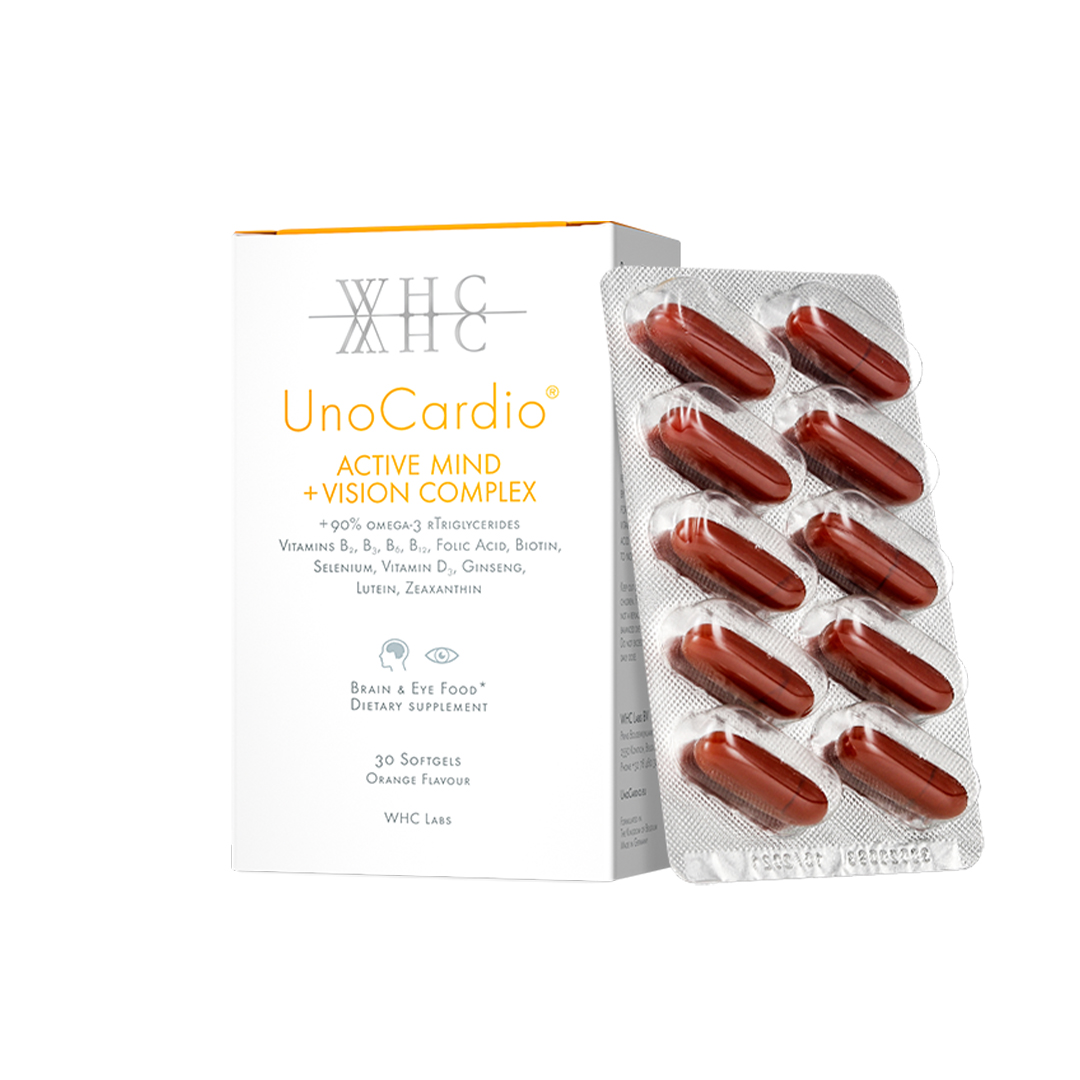
Image: Children's Screen Time and Eye-Protecting Nutrition. Screen time and vision status among Hong Kong students are no longer isolated family issues, but a public health concern. A government news report on March 17, 2026, indicated that the Department of Health recommends that children aged 6 to 12 spend less than two hours a day on electronic screens for recreational purposes. The same report also mentioned that 55.11 TP4T of Primary 6 students wear glasses, and among primary and secondary school students who underwent vision tests, 17.31 TP4T required further evaluation due to failing the initial vision test or other eye/vision problems. This data reminds parents that nutritional supplements such as lutein, zeaxanthin, and fish oil cannot replace reducing screen time, outdoor activities, adequate lighting, and regular eye exams. WHC Golden Eye's formula is unique because it is not a single lutein product. Product information shows that each capsule contains 545mg of Omega-3 fatty acids, including 300mg of EPA and 204mg of DHA; it also contains 10mg of FloraGLO lutein, 2mg of ZeaONE zeaxanthin, 50mg of Siberian ginseng extract, vitamins B6, B2, B3, folic acid, selenium, vitamin D3, and B12. It is recommended that children aged 7 and above or adults take one capsule daily with meals or as directed by a physician. According to Gogo Herbs' order data from 2024-2026, WHC007 has sold a total of 7 units, with sales of approximately HK$$2,465, involving 7 orders; there are 6 duplicate customers, including 1 repeat customer. Since this product only began to show significant sales records in 2026, this article will not describe it as a mature bestseller, but rather..."Screen Use and Comprehensive Eye-Protecting Nutrition"The selection criteria allow parents to determine whether they need to learn about this product based on the child's age and eye usage. Its advantages can be compared as follows:
| Comparison angle | WHC Golden Eye | Common single lutein products | Selection Guide |
| Lutein | 10mg | Many products are also 10mg | Lutein content is not the only selling point |
| Zeaxanthin | 2mg | The common ratio is also 10:2 | Common proportions of nutrients for eye protection |
| Omega-3 | 545mg, EPA 300mg, DHA 204mg | Many lutein products do not contain fish oil. | WHC's advantage lies in its combination of lutein, zeaxanthin, and fish oil. |
| Other nutrients | B vitamins, vitamin D3, selenium, Siberian ginseng | Depending on the product, some are relatively simple. | The formula has many layers |
| Applicable directions | Ages 7 and up, screen time, school age | Different products for adults and children | Age needs to be confirmed first. |
For example, publicly available information on Rohto V5 eye care products shows that each capsule contains 10mg of lutein and 2mg of zeaxanthin. WHC Golden Eye doesn't simply have higher levels of lutein and zeaxanthin, but it also contains Omega-3 fatty acids, including 204mg of DHA and 300mg of EPA. This is the difference between WHC Golden Eye and some single-lutein products: it's not that WHC has more lutein than all other products, but rather that it includes fish oil and a complex nutritional component. Additionally, publicly available information on Vitatree children's algal oil DHA eye care formula shows 5mg of lutein per capsule; WHC contains 10mg of lutein per capsule, twice the amount. However, Vitatree uses algal oil DHA, while WHC uses fish oil Omega-3; their sources are different, and parents should choose based on whether their child eats fish, is vegetarian, their age, and their swallowing ability. Which families are suitable to learn about WHC Golden Eye?
- Children or teenagers aged 7 and above
- Prolonged use of tablets, mobile phones, and computers
- Parents are paying attention to formulas containing lutein, zeaxanthin, and Omega-3.
- We hope that one product can simultaneously address both eye care and fish oil nutrition needs.
- Children can swallow soft capsules
Please note:
- This product contains fish oil and is not suitable for people with fish allergies to use on their own.
- Avoid taking other medications or health products that have blood-thinning effects at the same time; if you are currently taking medication, consult your doctor first.
- The most important things for eye protection are still controlling screen time, outdoor activities, sufficient light, and regular eye exams.
In-store inquiry suggestions: Parents who want to choose eye care products can bring their child's age, daily screen time, whether they already wear glasses, and whether they have received advice from an optometrist to the Mong Kok store for inquiries. If the child is under 7 years old or does not know how to swallow capsules, parents should first ask whether it is suitable for them.
7.1. Children's eye care should start with lifestyle habits.
Children's eye care should not be simplified to"Kids use tablets, so they need to take lutein."A more practical approach is to first acknowledge the reality parents face: children cannot completely separate themselves from electronic screens, but parents can mitigate the risks. Eye-protecting lifestyle habits include:
- Control entertainment screen time
- Keep the light bright when doing homework and reading.
- Maintain a proper distance
- Avoid looking at screens for extended periods in the car, in bed, or in dimly lit environments.
- Increase outdoor activities
- Have regular eye exams
- If you already have glasses, follow your optometrist's advice for a follow-up appointment.
These lifestyle habits are the foundation of eye care; nutritional supplements should only be considered as supplementary.
7.2. The real selling point of WHC Golden Eye is its "compound formula".
The most noteworthy aspect of the WHC Golden Eye formula is not..."10mg of lutein is very high."Because many eye care products on the market also contain 10mg of lutein and 2mg of zeaxanthin. What truly differentiates this product is that it contains both:
- FloraGLO Lutein 10mg
- ZeaONE zeaxanthin 2mg
- Omega-3 fatty acids 545mg
- EPA 300mg
- DHA 204mg
- Vitamins B2, B3, B6, B12
- folate
- 硒
- Vitamin D3
- Siberian ginseng extract
When compared to single lutein products, it can be understood as follows: "Some eye care products mainly provide lutein and zeaxanthin, while WHC Golden Eye adds Omega-3 fish oil in addition to 10mg of lutein and 2mg of zeaxanthin, including 300mg of EPA and 204mg of DHA, making it closer to a combination formula of eye care, fish oil and multivitamins." This way of writing is better than"More effective"It's safer and more accurate.
7.3. What are lutein, zeaxanthin, and DHA?
Many parents get confused when they see the ingredient list of eye care products. To put it simply: Lutein and zeaxanthin are carotenoids commonly found in eye health supplements. Parents can understand them as ingredients related to macular nutrition, but they shouldn't be marketed as treatments for myopia or other eye diseases. DHA is an Omega-3 fatty acid commonly found in fish oil, algal oil, or children's brain/vision development products. DHA is related to eye and brain development, but it shouldn't be marketed as making children smarter or improving their grades. EPA is also an Omega-3 fatty acid, frequently mentioned in adult fish oil products. WHC Golden Eye contains 300mg of EPA and 204mg of DHA, indicating that it's not simply a lutein product for eye health, but rather has a fish oil nutritional component.
7.4. Content that can be written when comparing with other eye care products
Eye care products can be divided into three categories: Category 1: Single lutein/zeaxanthin products. For example, some products contain 10mg of lutein and 2mg of zeaxanthin per capsule. The advantage of these products is their simplicity and directness, but they may not contain fish oil. Category 2: Lutein + DHA children's products. These products typically focus on children's eye health and brain nutrition; some contain 5mg of lutein, while others use algal oil DHA. Category 3: Complex eye care products. WHC Golden Eye belongs to this category because it contains lutein, zeaxanthin, fish oil, B vitamins, vitamin D3, selenium, and plant extracts. Percentage of eye care productsCompare:
- If a certain children's eye care product contains 5mg of lutein per capsule, while WHC Golden Eye contains 10mg per capsule, the lutein content is twice that of the former.
- If a product contains only lutein and zeaxanthin, WHC has an additional 300mg of EPA and 204mg of DHA. Its advantage lies in the formulation, not simply in the lutein content.
It must be noted after comparison that eye care products should not replace vision tests and screen time management.
7.5. Common Eye Care Questions for Children
Q: My child uses a tablet frequently, should they take lutein? A: Parents should first control screen time, increase outdoor activities, and schedule eye exams. Lutein, zeaxanthin, and DHA can be used as daily nutritional supplements, but they cannot replace eye exams or prevent myopia. Q: What is the difference between WHC Golden Eye and regular lutein? A: Each WHC Golden Eye capsule contains 10mg of lutein, 2mg of zeaxanthin, and 545mg of Omega-3, including 300mg of EPA and 204mg of DHA. It is a complex formula combining eye protection and fish oil nutrition.
8. DHA, Omega-3 and school-age nutrition:Charenda High Purity DHA Fish Oil for Children

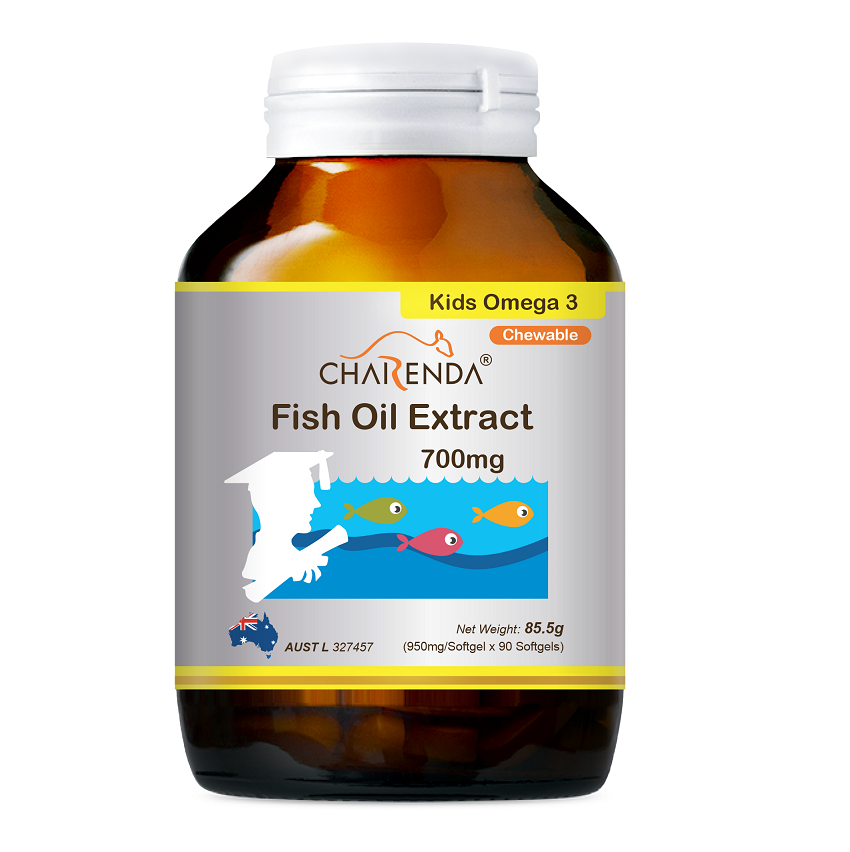
Image: DHA and Omega-3 Nutrition for School-Aged Children. DHA is one of the most easily over-marketed categories of children's health supplements. Many parents associate DHA with intelligence, memory, concentration, and academic performance. Parents should understand the concept accurately: DHA is a type of Omega-3 fatty acid, related to brain and visual development; however, no children's fish oil can guarantee improved grades, improved concentration problems, or treatment of ADHD. Charenda High Purity DHA Children's Fish Oil contains 700mg of fish oil per capsule, including 420mg of Omega-3 marine triglycerides, 70mg of EPA, and 350mg of DHA. DHA accounts for 50% of the 700mg of fish oil, which is its most clearly stated selling point. The product is a fish-shaped softgel that can be chewed or the small fish tail can be twisted off and added to food or drinks. It is recommended that children aged 6 years and older take 1 capsule twice daily, or as directed by a healthcare professional. According to Gogo Herbs' 2024-2026 order data, CD014 sold a total of 21 units, generating approximately HK$10,000 in sales (HK$7,199), involving 18 orders. There were 16 duplicate customers, with 2 of them having made repeat purchases, resulting in a repurchase rate of approximately 12.51% (HK$40,000 per unit) and an average repurchase interval of approximately 58 days. This data shows that Charenda DHA children's fish oil is not the best-selling item among the five products, but its ingredient list is clear and suitable for inclusion in..."Eat less fish, want to focus on supplementing DHA"The information is presented in the context of the desired product scenario. Comparing with publicly available information on some similar children's fish oil products, WHC Little Superman Chewable Fish Oil for Children lists 240mg of DHA; Charenda lists 350mg of DHA per capsule, approximately 45.81 TP4T higher than 240mg. Search data for Nordic Naturals Children's DHA shows 250mg of Omega-3; Charenda lists 420mg of Omega-3 per capsule, approximately 681 TP4T higher. Bio Island Children's Cod Liver Oil + Fish Oil lists 14.4mg of DHA on some platforms; Charenda lists 350mg of DHA per capsule, a significant difference in content. However, the two products have different positioning; the former is more of a cod liver oil plus fish oil, while the latter is a high-DHA children's fish oil. Therefore, a single number cannot be used to make a judgment. A better way to compare is:
| Comparison points | Charenda DHA Fish Oil for Children | Common directions for similar products | Selection Guide |
| Each fish oil capsule | 700mg | Children's fish oil, cod liver oil, and algal oil are different. | First, look at the origin and form. |
| Omega-3 | 420mg | Some products are labeled as 250mg or 640mg. | Charenda belongs to the medium-to-high content category. |
| DHA | 350mg | Some children's fish oil contains 240mg or less. | Charenda has an outstanding DHA content. |
| EPA | 70mg | Some products have higher EPA content. | Charenda is more focused on DHA. |
| Dosage form | Fish-shaped soft capsules that can be twisted open | Available in gummies, capsules, and liquids. | Suitable for children who don't like swallowing capsules |
Suitable for families who want to learn about Charenda:
- School-aged children aged 6 or above
- We usually consume less fish.
- Parents want to focus on supplementing DHA, rather than adult fish oil.
- Children can accept fish-shaped softgels or mix them into food.
- Parents want to compare DHA content, not just look at the brand name.
Please note:
- Children with fish allergies, those currently taking medication, those with blood clotting problems, or those undergoing or before surgery should consult a doctor first.
- DHA cannot replace sleep, exercise, study habits, and emotional support.
- If a child has persistent difficulty concentrating, or exhibits significant learning or behavioral problems, a professional evaluation should be sought.
In-store inquiry suggestions: Before choosing DHA products at a Mong Kok store, parents can prepare three pieces of information: their child's age, how often they eat fish per week, and whether they can swallow or chew softgels. This will make it easier for store staff to help compare DHA content, EPA/DHA ratio, and dosage form.
8.1. DHA products should not be interpreted as a guarantee of academic performance.
Children's DHA products are easily marketed as..."Brain booster," "Improved focus," "Better learning"While these claims are appealing, they can easily lead parents to have unrealistically high expectations. This is because academic performance is influenced by many factors, including sleep, mood, school environment, family stress, exercise, diet, reading habits, and individual developmental differences among children. DHA can be considered as a nutritional supplement, but it cannot promise to change learning outcomes. A more accurate understanding is:
- Support daily nutrition for school-aged children
- Supplementing Omega-3 fatty acids
- Suitable for children who don't usually eat much fish
- Parents can compare based on DHA content, EPA/DHA ratio, and dosage form.
DHA should not be understood as:
- Improve test scores
- Treatment of attention deficit
- Improve ADHD
- Make your child smarter
- Guarantee memory improvement
8.2. Charenda's DHA content and formulation characteristics
Charenda's 350mg DHA per capsule is a clear and quantifiable selling point. Parents should break down the numbers when comparing DHA products:
- Fish oil per capsule: 700mg
- Omega-3: 420mg
- DHA: 350mg
- EPA: 70mg
- DHA content in fish oil: 50%
- DHA accounts for approximately 83.31 TP4T of Omega-3.
This indicates that Charenda is a fish oil for children that is clearly more DHA-rich, rather than a fish oil for adults that is higher in EPA. Compared to WHC Golden Eye, the two are positioned differently:
| Compare | Charenda DHA Fish Oil for Children | WHC Golden Eye |
| Core positioning | DHA Fish Oil for Children | Eye-protecting + fish oil complex formula |
| DHA | 350mg | 204mg |
| EPA | 70mg | 300mg |
| Lutein/Zeaxanthin | 無 | 10mg / 2mg |
| Suitable direction | Eat less fish, want to supplement DHA | Screen use and eye protection nutrition |
Therefore, it's incorrect to say that Charenda is definitely better than WHC, or vice versa. The correct statement is: if parents primarily want to supplement DHA, Charenda has a higher DHA content; if parents prioritize eye protection from screens, WHC's complex formula of lutein, zeaxanthin, and fish oil is more suitable.
8.3. What are the differences between DHA fish oil, algae oil, and cod liver oil?
Parents commonly encounter three types of products on other platforms: Fish oil: Usually derived from fish, containing EPA and DHA. Charenda is a fish oil product. Algae oil: Generally suitable for those who don't eat fish or have a vegetarian diet, primarily providing DHA. Cod liver oil: In addition to Omega-3, it may also contain vitamins A and D, and is not entirely the same as regular fish oil. These products should not be used alone.Which has higher DHA content?Parents should also consider whether their child is allergic to fish, needs vitamins A and D, already has other supplements, and can accept the taste and dosage form.
8.4. Parents can first use three questions to determine the direction.
- How old is the child?
- How many times a week should you eat fish?
- Do you want to focus on supplementing DHA, or do you also want to protect your eyes?
If the answer is children over 6 years old, eat less fish, and want to focus on DHA supplementation, Charenda's DHA 350mg is recommended. If the answer is children over 7 years old, use tablets for extended periods, and want to balance eye protection with fish oil, WHC Golden Eye is recommended. If the child is younger and unable to chew or swallow, consult a doctor or look for a more suitable formulation.
9. Bone, teeth and calcium supplementation:Bio Island Natural Milk Calcium for Infants and Toddlers

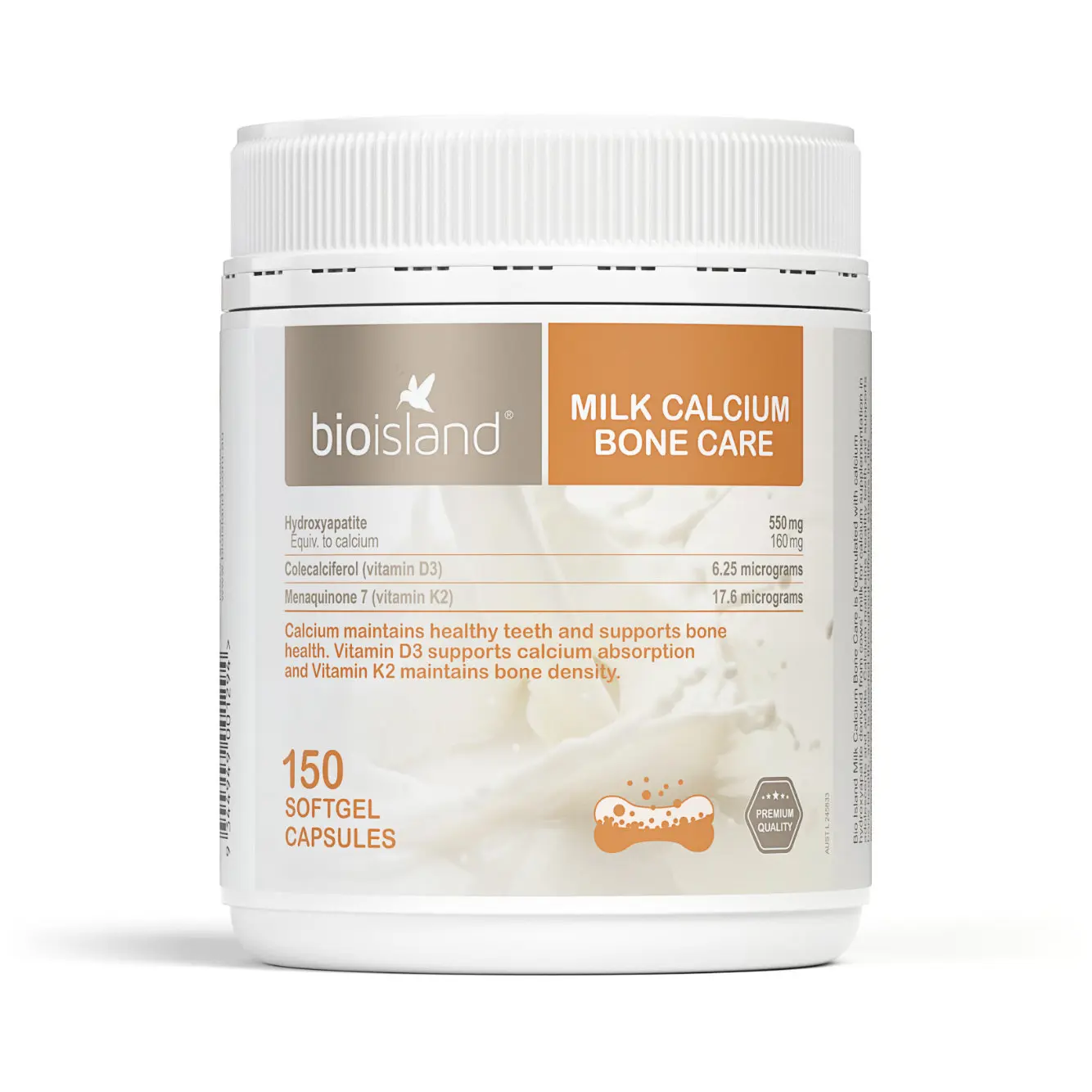
Image: Children's Milk Calcium, Vitamin D, Bone and Teeth Health. Bone and teeth health is a concern for many parents of young children. Children need sufficient calcium, vitamin D, protein, outdoor activities, and a balanced diet during their growth period. Calcium supplements can be used as a supplement when dietary intake is insufficient, but should not replace dairy products, soy products, dark green vegetables, fish, and daily exercise. Bio Island Infant Natural Milk Calcium contains 270mg of hydroxyapatite per capsule, equivalent to 78mg of calcium, and 2.5mcg of vitamin D3. The product provides different dosage instructions according to age: 1-2 capsules daily for infants 7-12 months, 2 capsules daily for children 1-3 years, 3 capsules daily for children 4-8 years, and 4 capsules daily for children 9 years and older, taken after meals. Children under 5 years old can cut open the end of the capsule and squeeze the contents onto a spoon or food. According to Gogo Herbs 2024-2026 order data, BI006 has sold a total of 6 units, with sales of approximately HK$$768, involving 3 orders. Because the sales base is still small, this article will not package it as..."Best Seller"Instead of focusing on the product itself, we place it within an educational purchasing scenario that addresses the normal nutritional needs of children for milk calcium, vitamin D, and bones and teeth, allowing parents to make their own judgments based on their child's age, milk intake, and allergies. The key to choosing this product is not "highest calcium per capsule", but rather:
- Milk calcium source
- It also contains vitamin D3.
- Suitable for infants and children of different ages
- Soft capsules can be squeezed out, making them more convenient for young children to take.
- Free of added sugar, preservatives, artificial colors and flavors
Parents often ask what the difference is between milk calcium and regular calcium supplements. Simply put, milk calcium comes from dairy products, and these products are usually marketed based on their absorption and digestive health benefits for children. Regular calcium supplements may contain calcium carbonate, calcium citrate, seaweed calcium, or other sources. Different calcium sources have different calcium content, methods of administration, and gastrointestinal reactions, and no single method is suitable for all children. If a child gets enough dairy from their daily diet, they may not need additional calcium supplements. However, if a child is a picky eater, doesn't drink milk, is allergic to dairy, or has a specific health condition, it's essential to consult a doctor or nutritionist first. Please note:
- This product contains milk, sulfites, and soy products.
- Do not exceed the recommended daily dose.
- Nutritional supplements should only be used as an adjunct when dietary intake is insufficient.
- Dental health cannot be achieved by calcium supplements, which can replace brushing your teeth, controlling sugar intake, and dental checkups.
In-store inquiry suggestions: If parents want to know if their child needs calcium supplements, they can first note the child's age, daily milk intake, whether they eat cheese/dairy/tofu, outdoor activity time, and whether they have dairy or soy allergies, and then go to the Mong Kok store to inquire. If the child already has bone, height, or dental health problems, they should consult a doctor or dentist first.
9.1. Avoid "height-growth anxiety"
Many parents buy calcium supplements for children because they worry their children won't grow tall enough. This concern is very real, but articles shouldn't exploit anxiety to promote products. Height isn't solely determined by calcium supplements; it also includes genetics, sleep, exercise, overall nutrition, health conditions, and the pace of puberty. When comparing calcium products, parents can first focus on:
- Normal development of bones and teeth
- Is dietary calcium intake sufficient?
- Vitamin D and outdoor activities
- Dairy products, soy products, dried small fish, dark green vegetables, and other food sources
- If dietary intake is insufficient, then learn about calcium supplements.
This understanding is more accurate than directly linking calcium supplements to increasing height.
9.2. Bio Island Milk Calcium: Ingredient Analysis
Bio Island Infant Natural Milk Calcium contains 270mg of hydroxyapatite per capsule, equivalent to 78mg of calcium, and 2.5mcg of vitamin D3. Hydroxyapatite is a common mineral form found in bones and teeth, hence the product's marketing focus on natural milk calcium and bone and teeth nutrition. However, parents should note that the 270mg of hydroxyapatite listed on the product label does not equal 270mg of calcium; the actual equivalent is 78mg of calcium. This is important because many parents get confused when comparing calcium products."Compound weight"和"Elemental calcium content"。 According to product labeling:
| age | Suggested usage | Estimating daily calcium supplementation |
| 7-12 months | 1-2 capsules daily | 78-156mg |
| 1-3 years old | 2 capsules daily | 156mg |
| 4-8 years old | 3 capsules daily | 234mg |
| 9 years old or older | 4 capsules daily | 312mg |
This chart can help parents understand the appropriate supplementation amounts for different ages.
9.3. How to compare milk calcium, calcium tablets, and calcium magnesium D products?
Other common children's calcium products on other platforms include milk calcium, chewable calcium tablets, calcium magnesium D, and liquid calcium. For comparison, see:
- Calcium sources: milk calcium, calcium citrate, calcium carbonate, seaweed calcium
- Does it contain Vitamin D?
- Does it contain magnesium?
- Does it contain sugar or flavoring?
- Is it suitable for the child's age?
- Is it easy to swallow or chew?
- Does it contain dairy, soy, or gelatin ingredients?
Bio Island's advantages lie in its age-appropriate usage and the combination of milk calcium and vitamin D3; however, it may not be suitable for children who are allergic to milk or soy. This balanced understanding helps parents make more informed decisions.
9.4. Dental health cannot rely solely on calcium supplements.
When discussing children's dental health, parents also need to be aware of the full context. Children's dental health requires:
- Brush your teeth in the morning and evening
- Use appropriate fluoride toothpaste
- Reduce sugary drinks and sticky snacks
- Regular dental checkups
- A diet rich in calcium and vitamin D
Milk calcium is more suitable to be understood as"Support the normal nutritional needs of teeth and bones"However, it is not recommended to write it as"Preventing tooth decay"Tooth decay is related to oral hygiene, sugar intake, brushing habits, and dental plaque, and cannot be treated solely by health supplements.
9.5. Questions to consider before bringing calcium products to the store
Before going to the store, parents can think it through:
- How old is the child?
- How much milk should I drink each day?
- Do you eat cheese, yogurt, or tofu?
- Do you have any allergies to dairy, soy, or gelatin?
- Have you already taken a multivitamin containing vitamin D3?
- Is this just a routine supplement, or has a doctor already warned of calcium deficiency?
These questions can help parents avoid redundant supplementation and make more accurate product selections. Related reading:What vitamins are needed for children's calcium supplements?
10. Comparison of ingredients in TOP 5 children's health supplements with similar products
The following comparison table is easy for parents to understand at a glance: the five products are not interchangeable, but rather cater to different needs.
| need | PRODUCTS | core ingredients | Age/Usage Focus | Ingredient advantages | Precautions |
| Gut immunity | G-NiiB Microecological Children's Immune Formula | 1 billion probiotics, prebiotics, calcium acetate, zinc acetate | Children aged 1-5 years: 1 packet daily | Clearly labeled for toddlers, powdered, contains calcium and zinc. | Contains trace amounts of dairy products; consult a doctor first if the child is lactose intolerant or under 2 years old. |
| Sensitivity and Gut | PGut Children's Soothing Probiotics | 15 billion probiotics, 6 strains, FOS/IMO/Inulin | Children under two years old: 1 packet daily; children two years old and above: 2 packets daily. | High bacterial count, probiotics + prebiotics | Consult your doctor if you are currently taking medication or undergoing treatment. |
| Eye protection and screen | WHC Golden Eye | EPA 300mg, DHA 204mg, Lutein 10mg, Zeaxanthin 2mg | 1 capsule daily for children aged 7 and above | More fish oil and B vitamins/D3 than single lutein products | People with fish allergies or those taking medications for thin blood should be careful. |
| DHA for school-aged children | Charenda DHA Fish Oil for Children | Fish oil 700mg, Omega-3 420mg, DHA 350mg | For children aged 6 and above, take 1 capsule twice daily. | High in DHA, fish-shaped soft capsules | Consult a doctor first if you have a fish allergy or need to take medication. |
| Bones and teeth | Bio Island Natural Milk Calcium for Infants and Toddlers | Hydroxyapatite 270mg, calcium 78mg, D3 2.5mcg | For months and older, the dosage is determined by age. | Milk calcium + D3, can be squeezed out and taken by infants. | Contains milk and soy; do not exceed recommended intake. |
If looking at the "percentage content," parents can first refer to the following verifiable and calculable comparisons:
- Each PGut packet contains 15 billion live probiotics, which is about 1141 TP4T higher than the 7 billion per packet of LifeTopia infant probiotics.
- Each PGut packet contains 15 billion live probiotics, which is about 501 TP4T higher than the 10 billion per capsule of Vitatree children's probiotics.
- Charenda contains 350mg of DHA per capsule, which is approximately 45.8% higher than the 240mg of DHA listed in the WHC Little Superman Children's Chewable Fish Oil information.
- Each Charenda Omega-3 capsule contains 420mg, which is approximately 68% higher than the 250mg found in Nordic Naturals Children's DHA search data.
- Each WHC Golden Eye capsule contains 10mg of lutein and 2mg of zeaxanthin, similar to many eye care products. However, it contains 300mg of EPA and 204mg of DHA, making its advantage a compound formula rather than simply higher levels of lutein.
However, parents should also remember: higher ingredient content doesn't necessarily mean better suitability. When choosing children's products, age, dosage form, child's willingness to take the product, allergens, doctor's advice, and actual needs should all be considered. Looking at Gogo Herbs' own sales and repurchase data, the five products also have clearly distinct roles:
| PRODUCTS | Sales volume in 2024-2026 | Sales | Deduplicated customers | repurchase rate | Average repurchase interval | Content Interpretation |
| G-NiiB Microecological Children's Immune Formula | 438 | HK$160,646 | 143 | 37.1% | Approximately 82.2 days | It has the strongest foundation for sustained purchases and is suitable as the mainstay of intestinal and daily immune nutrition for young children. |
| PGut Children's Soothing Probiotics | 62 | HK$15,920 | 23 | 21.7% | Approximately 80 days | High-bacterial-count probiotics are in demand for nutritional support during seasonal transitions. |
| Charenda DHA Fish Oil for Children | 21 | HK$7,199 | 16 | 12.5% | Approximately 58 days | While the sales volume is relatively small, the DHA content is clearly defined, making it suitable for families who eat less fish. |
| WHC Golden Eye | 7 | HK$2,465 | 6 | 16.7% | Approximately 50 days | Newer, multi-functional eye care products are suitable for extended screen time and provide eye-protecting nutrients. |
| Bio Island Natural Milk Calcium for Infants and Toddlers | 6 | HK$768 | 3 | 0% | There is not enough data. | With a relatively small sales base, it is suitable for use in educational settings related to milk calcium and bone and teeth nutrition. |
| Five products in total | 534 | HK$186,999 | 188 | 31.4% | Approximately 78.6 days | Children's nutritional supplements are not a one-time need; parents will continue to repurchase them as their children need them. |
This data can help parents distinguish"Core products with a stable sales base"和"Supplemental products selected according to specific needs"For example, GNB004 has outstanding sales, duplicate customers, and repurchase rate, making it more suitable for inclusion in the main theme of children's gut and daily immune nutrition; WHC007 and BI006 have smaller sales bases, making them more suitable for supplementary understanding based on screen time, milk calcium, and bone and teeth nutrition scenarios.
11. A Contextualized Shopping Guide for Parents: Which type should parents look at first for different children?
Many parents don't lack information; they have too much. Online platforms, social media, mom groups, and brand advertisements all recommend different children's health products. The real challenge is: with only one child and so many products, which one should they buy first? The following is organized by family situation to help parents find their own options before deciding whether to visit a store for more information.
11.1. Scenario 1: The child is a picky eater, eats few fruits and vegetables, and has irregular bowel movements.
The most common problems in these children are insufficient dietary fiber, insufficient water intake, and insufficient physical activity. Parents should not immediately buy a lot of health supplements, but rather observe them first:
- Do you eat vegetables and fruits every day?
- Do you often not drink enough water?
- Do you sit for long periods of time looking at a tablet or doing homework?
- Is your stool too hard, too infrequent, or irregular?
- Do you often experience bloating, poor appetite, or reluctance to go to the toilet?
If the above situations are evident, parents can start by learning about gut health. G-NiiB probiotic formula for children aged 1-5 is suitable for daily gut microbiota support; PGut children's soothing probiotics are a powder product with a higher bacterial count and prebiotics. Neither completely replaces the other; they are simply different products. If the child is young and parents want to start with daily gut health support, they can learn about G-NiiB first. If the child is two years old or older, and parents are particularly concerned about seasonal allergies, runny nose, dry and itchy skin, and want to compare probiotics with higher bacterial counts, PGut would be a better option. However, remember that if bowel problems are persistent, severe, or accompanied by abdominal pain, bloody stools, or weight loss, medical attention should be sought first. Children's probiotics are not constipation medications, nor are they a treatment for gastrointestinal diseases.
11.2. Scenario 2: Children are prone to runny nose, sneezing, and dry, itchy skin during seasonal changes.
Hong Kong is humid, and the changing seasons and air-conditioned environments are things that many parents are concerned about."Sensitive constitution"At this time, it's easy to be influenced by the advertisements."Anti-allergic", "Soothing", "Improves Moisture Sensitivity"Attractive. A more accurate understanding is: families concerned about seasonal sensitivities can learn about gut microbiota and daily nutritional support. PGut Children's Soothing Probiotics are characterized by 15 billion live probiotics, 6 strains, and 3 prebiotics per packet. Compared to some similar children's probiotics, its bacterial count has a certain advantage. For example, LifeTopia Toddler Probiotics contains 7 billion per packet, while PGut contains 15 billion, approximately 1141 TP4T higher; Vitatree Children's Probiotics contain 10 billion per capsule, while PGut contains approximately 501 TP4T higher. This comparison is valuable for parents because it's not just a vague statement."Stronger"Instead, parents should see the content of each serving. However, the bacterial count is not the only answer. Whether a child is suitable depends on their age, bacterial strain, dosage form, whether refrigeration is required, whether it is easily mixed with food, and whether they have lactose or dairy allergies. Children with sensitive constitutions especially need to be carefully checked for allergens.
11.3. Scenario 3: Children spend a lot of time using tablets, mobile phones, or computers every day.
This is a very real problem for Hong Kong families. Homework, online classes, entertainment, videos, and games all increase screen time. A student health report cited by the government news website shows that screen time and vision problems are already a cause for concern for parents. In this situation, the first step for parents is not to buy lutein, but to adjust their lifestyle:
- Schedule a rest period after each close-up work session.
- Increase outdoor activities
- Avoid looking at the screen in a dark environment.
- Maintain a suitable reading distance
- Regular eye exams
- If the child already wears glasses, follow the optometrist's advice for improvement.
In terms of nutritional supplementation, WHC Golden Eye's unique feature is its complex formula: FloraGLO lutein 10mg, ZeaONE zeaxanthin 2mg, plus Omega-3 545mg, including EPA 300mg and DHA 204mg. Compared to some single lutein products, it doesn't simply have a higher lutein content; rather, the formula includes fish oil, B vitamins, vitamin D3, selenium, and Siberian ginseng extract. If parents see lutein products on other platforms, they should ask three questions: First, is it suitable for children or teenagers? Second, does it specify the lutein and zeaxanthin content? Third, does it only contain lutein, or does it also include other eye-protecting nutrients such as DHA/EPA? WHC Golden Eye is suitable for teenagers aged 7 and above or adults. If a child is under 7 years old, cannot swallow softgels, is allergic to fish, or is currently taking medication, consult a professional first.
11.4. Scenario 4: The child eats little fish, and the parents want to supplement with DHA.
DHA-related products are the most frequently asked questions by parents, and are also the easiest to be over-expected about. Parents should avoid equating DHA directly with..."Smart," "Good at exams," "Focus will definitely improve."A more accurate statement is that DHA belongs to the Omega-3 fatty acid family, which is related to the nutrients needed for brain and visual development during childhood growth. Each capsule of Charenda High Purity DHA Fish Oil for Children contains 700mg of fish oil and 420mg of Omega-3, including 350mg of DHA and 70mg of EPA. This formula is clearly DHA-oriented. Comparing with publicly available information on some similar children's fish oils, if some products have 240mg of DHA, Charenda's DHA is about 45.8% higher; if some children's DHA products label themselves as having 250mg of Omega-3, Charenda's 420mg of Omega-3 is about 68% higher. These figures are valuable for reference, but it must be noted that a higher content does not mean that every child should take it. How much fish a child usually eats, whether they are allergic to fish, whether they can tolerate the taste of fish oil, whether they can chew or swallow it, and whether they are currently taking medication will all affect the choice.
11.5. Scenario 5: The child doesn't like to drink milk, and the parents are worried about insufficient calcium intake.
Calcium supplementation is another common concern. Parents often worry about their child's bone and teeth development if they refuse milk, cheese, or dairy products. Bio Island Infant Natural Milk Calcium is unique in that each capsule contains 270mg of hydroxyapatite, equivalent to 78mg of calcium, and 2.5mcg of vitamin D3, with dosage instructions listed for different age groups. However, calcium products should not be labeled as..."Height-increasing products"Height and bone development involve genetics, sleep, exercise, protein, calcium, vitamin D, and overall health. More calcium supplements are not necessarily better; excessive amounts may be unsuitable. If a child is already getting enough calcium from their diet, additional supplementation may not be necessary. Parents should be especially cautious if their child has a dairy allergy. Bio Island product information lists milk, soy products, and other precautions; therefore, children with allergies should consult a doctor before using the product.
12. Shopping Guide for Mong Kok Stores

Photo: Parents inquiring about children's health supplements at a Mong Kok store. It's more suitable for parents to visit a store or contact the store via WhatsApp to clarify the details beforehand, as children's ages, swallowing abilities, dietary habits, allergies, and current product use all differ. Looking at ingredient lists online may not immediately determine if a product is suitable for their child. Information on Gogo Herbs' Mong Kok store:
- Address: Unit D, 5/F, Lung Kui Enterprise Building, 64 Tong Mei Road, Mong Kok
- Business hours: Monday to Saturday 10:00-19:00, closed on public holidays
- Telephone: 3702 6959
- WhatsApp: 5427 2857
- Website: gogoherbs.com
- New customer offer: Spend HK$$350 or more on the website and enter `NEW88` at checkout to enjoy a 12% discount on regular-priced products.
Before arriving at the store, parents are advised to prepare the following documents:
| Materials to be prepared | Why it is important |
| Child's age | Different products have different age recommendations. |
| Main requirements | Intestinal health, allergies, eye protection, DHA, and calcium should not be confused. |
| Dietary habits | Picky eating, eating too few vegetables, not drinking milk, and eating little fish can affect choices. |
| Allergy history | Fish oil, calcium milk, and probiotics may all contain allergens. |
| Currently taking products or medications | Avoid duplicate additions or unsuitable combinations. |
| Can I swallow capsules? | Determine if powder packets, soft capsules, and extrudable products are suitable. |
If you are still unsure, you can visit the store for inquiries: If unsure whether to start with gut health, eye health, DHA, or calcium for your child, parents can bring their child's age, dietary habits, allergy history, and information on currently used products to the Gogo Herbs Mong Kok store for consultation. It's not recommended to blindly layer children's health supplements; clarifying needs first and then choosing suitable products is usually better than buying many different types at once. Related reading:Why are savvy consumers buying health supplements on GogoHerbs?
13. FAQ: Frequently Asked Questions from Hong Kong Parents about Children's Health Supplements
13.1. Q1: How should Hong Kong parents choose health supplements for their children?
First, consider the child's age and primary needs, then look at the ingredients, dosage form, allergens, and method of administration. Don't just look at..."TOP 5"或"sell like hot cakes"Because gut health, eye health, DHA, calcium, and allergy management are different areas.
13.2. Q2: Can children's health supplements replace a balanced diet?
No. Health supplements can only be used as an adjunct to adequate dietary intake. Children's health should still be based on a balanced diet, sufficient sleep, regular activity, outdoor time, vaccinations, and regular checkups.
13.3. Q3: Is a higher bacterial count in children's probiotics always better?
Not necessarily. PGut contains 15 billion live probiotics per packet, a relatively high count; G-NiiB contains 1 billion per packet, but is positioned as daily gut and immune nutrition support for children aged 1-5 years and also contains prebiotics, calcium, and zinc. Parents should consider their child's age and needs, not just the CFU (Cost Per Count).
13.4. Q4: Children are prone to catching colds. Can they rely on immune-boosting supplements?
This is not the correct understanding. Health supplements cannot replace vaccines, doctor's diagnosis, or treatment. The government also reminds parents to arrange for their children to be vaccinated on time according to the childhood immunization schedule. If a child frequently has a fever, infection, or has chronic health problems, they should seek medical attention first.
13.5. Q5: Can eye care products for children prevent myopia?
This claim is incorrect. Lutein, zeaxanthin, and DHA can be used as supplements in daily nutrition, but they cannot replace controlling screen time, outdoor activities, maintaining proper reading distance, and having eye exams.
13.6. Q6: What is the difference between WHC Golden Eye and regular lutein?
Each WHC Golden Eye capsule contains 10mg of lutein, 2mg of zeaxanthin, and 545mg of Omega-3 fatty acids, including 300mg of EPA and 204mg of DHA, as well as B vitamins, vitamin D3, selenium, and other nutrients. Its unique feature is its complex formula, rather than simply containing more lutein than other products.
13.7. Q7: Can DHA improve a child's grades?
This cannot be guaranteed. DHA is an Omega-3 fatty acid that is often considered important during children's growth, but learning performance and concentration are affected by sleep, stress, learning environment, emotions, exercise, and health status. DHA fish oil should only be used as a reference for daily nutritional supplementation.
13.8. Q8: What are the advantages of the ingredients in Charenda DHA children's fish oil?
Each capsule contains 700mg of fish oil, 420mg of Omega-3, 350mg of DHA, and 70mg of EPA, with DHA accounting for 50% of the fish oil content. Compared to some publicly available information on children's fish oil containing 240mg of DHA or 250mg of Omega-3, Charenda's DHA and Omega-3 content are higher. However, parents should still consider their child's age, whether they have a fish allergy, and whether they can tolerate the dosage form.
13.9. Q9: Is milk calcium always better than other calcium supplements?
Not necessarily. Bio Island Infant Natural Milk Calcium is characterized by its milk calcium source, D3 content, age-appropriate dosage, and ability to be expressed and consumed directly. However, different calcium sources have different characteristics. If a child is getting enough milk, they may not need additional calcium supplements. If a child has a milk allergy or other health conditions, they should consult a doctor first.
13.10. Q10: Can I take probiotics, DHA, lutein and calcium at the same time?
It is not recommended to combine multiple supplements at once. Parents should first clarify the main needs to avoid duplicate supplements or increasing the burden on the child's digestive system. If the child is taking medication, has a chronic illness, or has a history of allergies, consult a doctor first.
13.11. Q11: What should I prepare before going to the Mong Kok store to inquire?
Prepare information such as the child's age, main health needs, dietary habits, history of allergies, current medications or products, and whether they can swallow capsules. This information will help store staff more quickly compare product options.
13.12. Q12: Does the TOP 5 recommended in this article mean that it is suitable for every child?
No. The TOP 5 list is a selection guide based on product information, sales data, and common children's health needs. Every child's needs are different, and parents should choose according to their actual situation.
14. Conclusion: First determine your needs, then select a product.
Every child's eating habits, age, allergy history, and lifestyle are different, so there's no single answer for children's health supplements that suits everyone. Before purchasing, parents can simplify the question to one sentence: Does your child currently need gut health, allergies, eye protection, DHA, or calcium? If the answer is gut health and daily immune nutrition for toddlers, you can first learn about G-NiiB Microecological Children's Immune Formula. If the answer is seasonal allergies and high bacterial count probiotics, you can compare PGut Children's Soothing Probiotics. If the answer is electronic screen time and eye protection nutrition, you can learn about WHC Golden Eye. If the answer is less fish consumption and DHA supplementation, you can compare Charenda High Purity DHA Children's Fish Oil. If the answer is calcium, bone, and teeth nutrition, you can learn about Bio Island Infant Natural Milk Calcium. If you're still unsure, it's recommended not to buy too many products at once. Parents can WhatsApp Gogo Herbs or visit their Mong Kok store to inquire and compare products one by one based on their child's age, diet, allergy history, and current usage. Gogo Herbs Mong Kok Store: Unit D, 5/F, Lung Kuk Enterprise Building, 64 Tong Mei Road, Mong Kok. Opening Hours: Monday to Saturday 10:00-19:00, Closed on Public Holidays. Tel: 3702 6959 WhatsApp: 5427 2857 Website:www.gogoherbs.com New Customer Offer: Spend HK$$350 or more on the website and enter NEW88 at checkout to enjoy a 12% discount on regular-priced products. A reminder: This article is for general health information and product selection reference only. Before children use any health supplements, if they have a chronic illness, are currently taking medication, have food allergies, are suspected of nutritional deficiencies, or if parents are unsure whether it is suitable, they should consult a doctor, pharmacist, nutritionist, or other professional. Reference source:
- Hong Kong Government News Network: Overweight is widespread among primary and secondary school students.
- Hong Kong Government News Network: The government reiterates the importance of the childhood immunization program.
- Hong Kong Government News Network: First Weight Management Action Plan Launched
- Hong Kong Government News Network: 18 Districts Caring for Health Tour Promotes Preventive Medicine
- Gogo Herbs Product Data Sheet: May 2026 gogoherbs Product Data.csv
- Gogo Herbs 2024-2026 Sales Data
- Gogo Herbs product page: GNB004, PGT007, WHC007, CD014, BI006
- Publicly available product information from WHC HK, Watsons, YOHO, LifeTopia, Vitatree, Nordic Naturals, and Bio Island is used for ingredient comparisons with similar products.
Related Products:
-
Sale!

[Price as low as $330 in stores] G-NiiB – Immunity+ 28 packets
Original price was: $498.00.$365.00Current price is: $365.00. Add to basket -
Sale!
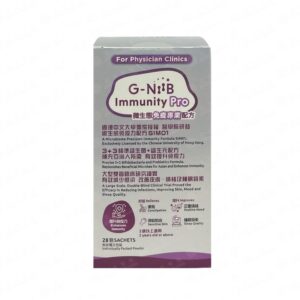
G-NiiB – Immunity Pro Immunity Pro Formula 28 packs
Original price was: $598.00.$498.00Current price is: $498.00. Add to basket -
Sale!

Swisse – Ultiboost Odorless High Concentration Wild Fish Oil 1500mg 400 Capsules
Original price was: $298.00.$248.00Current price is: $248.00. Add to basket -
Sale!
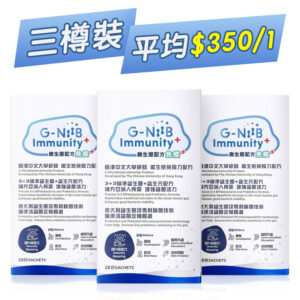
[Average price: $ 350/1] [Price as low as $ 330 in stores] G-NiiB – Immunity+ 28 packets x 3 bottles
Original price was: $1,494.00.$1,050.00Current price is: $1,050.00. Add to basket
Related Post:
![世界心臟日護心飲食場景,香港中年夫婦享用豆漿、豆腐、雞蛋與堅果,旁有心臟及細胞膜卡通示意]()
World Heart Day: Heart Health in Hong Kong Starts with Daily Life | What are the Benefits of Lecithin? Which of Three 1200mg Products to Choose From?
![香港家居餐桌上有人閱讀無品牌補充品標籤,旁邊有蔬菜]()
2024-2025 Gut Health Product Insight Report: How to Choose? First Look at Diet, Then Clarify Five Product Pathways
![| 香港成年人在家閱讀無品牌補充品標籤,桌上有蔬菜與水]()
Hong Kong Liver Health Product Insight Report 2024-2025: Liver-Protecting Formulas Decline, Q10 Increases
![香港成年人在家閱讀與休息,從日常習慣開始理解腦部健康]()
Hong Kong Brain Health Insight Report 2024–2025: Differentiating Fish Oil, Memory Formulas, and Vitamin B12 from 87 Products