




















































If you have a short temper and easily explode, you might be controlled by your amygdala.
Have you ever had this experience: you can patiently endure a client's prolonged sarcasm, but when you get home, you can't help but lose your temper over a single unintentional remark from a family member? Behind this might lie a hidden "brain"...Emotional Code"— Your amygdala is releasing the 'crisis awareness' accumulated from customers, attempting to deal with the current situation in a confrontational manner."
Amygdala: The brain's "survival instinct center"
The amygdala is responsible for the brainManaging emotionsThe amygdala is the core area of the brain, storing the results of past experiences and making quick judgments and analyses. Unlike rational thinking, the amygdala drives people to react directly through emotions; this reaction is called "survival instinct," which can instantly determine whether an event will cause harm to oneself.
The most direct emotions triggered by the amygdala include anger,Fear and sadnessThe corresponding behavioral responses are "fight," "froze," and "flee." When facing real dangers such as robbers, these responses can help us shout to resist, fight against the criminals, or take the opportunity to escape; however, when applied to interpersonal relationships, once we receive verbal attacks, or even "what we perceive as aggressive signals," we are prone to overreacting with anger and shouting.
The previously mentioned example of "being patient with customers but losing your temper with family" illustrates how the amygdala receives verbal stimuli and stores negative emotions without rational processing. These emotions then erupt the next time a similar situation arises (such as an unintentional question from a family member). For instance, the negative feelings arising from a boss's comment, "You can't even handle things properly," are recorded by the amygdala. When a family member asks, "Why didn't you buy me anything?" the amygdala triggers all the self-blame and shame associated with "not doing things well," ultimately leading to an emotional breakdown.
This phenomenon is known as "amygdala hijacking," a concept proposed in 1995 by psychologist Daniel Goleman, who is also the originator of the concept of "EQ" (emotional intelligence). Goleman argues that while the amygdala could protect humans in primitive survival scenarios, the "survival threats" in modern society often stem from interpersonal relationships, and the amygdala's instinctive responses are no longer sufficient to cope with the complexities of modern situations.
How to stay calm when "hijacked" by the amygdala?
When the amygdala is activated, it increases the activity of the cerebral cortex, prompting the body to secrete stress hormones while inhibiting the prefrontal cortex, which is responsible for calming and rational thinking. This can lead to a significant decrease in concentration and an accelerated heart rate, especially in sensitive individuals. At this time, "focus training" can provide quick relief: for example, in the midst of an emotional outburst, focusing on a specific object (such as a cup on a table or a tree outside the window) can help calm down quickly; deep diaphragmatic breathing can slow the heart rate and calm physiological fluctuations.
In daily life, cultivating a habit of "focusing on tasks" can also reduce the probability of amygdala overreaction—when we focus on concrete things, we pay more attention to the "real world" rather than "personal emotions," reducing the chances of the amygdala being triggered. Furthermore, amygdala responses are related to memory storage, so "rewriting negative memories" is key to long-term improvement.
When faced with danger or distress, it's better to "temporarily distance yourself" rather than "directly confront" the situation. A state of heightened emotion typically lasts for half an hour, while the resulting physiological reactions (such as increased heart rate and blood pressure) can last up to four hours. During the calming process, try to identify your emotional type (anger, fear, or resentment), analyze the reasons behind the emotion, and consider "what would have happened if I had dealt with it in other ways," avoiding letting your memory remain solely on the "emotional shock."
Specific steps to deal with "amygdala hijacking"
- Get away from the source of stimulation immediatelyFirst, leave the scene that triggered your emotions to avoid continuously receiving negative signals;
- Regulating physiological state through breathingTake deep, abdominal breaths to slow your heart rate and calm your anxiety through regular breathing.
- Use visual focus to shift attention.Find an object (such as a watch or a decoration on the wall) and stare at it intently, temporarily stopping your thoughts from being negative.
- Wait for the emotions to cool down naturally.Feel your own state gradually calm down, do not force yourself to "calm down" immediately, give your emotions time to buffer;
- Post-event analysis of the root causes of emotionsAfter calming down completely, identify your emotional type (anger, fear, etc.) and pinpoint the trigger point for your emotion.
- Explore alternative solutionsRecall the physical changes you experienced at the time (such as a racing heart or trembling hands and feet), and think about "what other ways you could handle a similar situation next time, besides getting angry."





Author. gogoherbs
Related Products:
-
Sale!

Jamieson – Natural Vitamins B complex 50 120 capsules
Original price was: $168.00.$108.00Current price is: $108.00. Add to basket -
Sale!
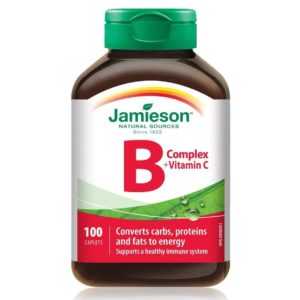
Jamieson – Vitamin B Complex & Vitamin C 100 Capsules
Original price was: $140.00.$118.00Current price is: $118.00. Add to basket -
Sale!

Webber Naturals – Melatonin 5mg 400 capsules
Original price was: $188.00.$158.00Current price is: $158.00. Add to basket