The answer will be given first:The contrast between being polite to outsiders and irritable to family members is often explained by the term "amygdala hijack."Simply put, the amygdala, responsible for detecting threats, triggers a "fight or flight" response before making a rational judgment. This doesn't mean you have a bad temper or lack willpower; rather, it's that a protective mechanism in the brain is "over-triggered" in modern interpersonal situations. This article will explain the role of the amygdala, what exactly happens during a "hijacking," why deep breathing and leaving the scene are helpful (and what research supports this), and finally, when to seek professional help.
Why is it that "one can be tolerant of strangers but explodes with anger towards family members"?
This situation is actually quite common and not hard to understand. When facing a client, you know very well that "you can't lash out here"—work relationships have consequences, social pressures, and clear boundaries, so you suppress your emotions. But suppressing them doesn't mean digesting them; those unresolved tensions will be remembered first.
Back home, the environment becomes safe, boundaries loosen, and defenses are lowered. At this moment, a casual remark from a family member—such as, "Why didn't you buy me anything?"—is not just a question in your ears, but rather triggers the self-blame and resentment accumulated during the day, making you feel like you've done something wrong again. As a result, the intensity of your reaction is completely disproportionate to the immediate stimulus.
It is important to emphasize that:This is not a moral issue of "family members being easier to bully," but rather an understandable and usually manageable emotional regulation phenomenon.Understanding the underlying neural mechanisms is often more helpful than simply blaming yourself, and it also makes it easier to find effective solutions.
What is the amygdala? The brain's "threat detector"
The amygdala is a pair of almond-shaped neural nuclei located deep in the temporal lobe, on each side, and is part of the limbic system of the brain. One of its most important functions is...Detecting and learning environments for "emotionally important" stimuli, especially signals associated with threats and danger.This is supported by consistent evidence in both animal and human studies: classic reviews indicate that the amygdala plays a crucial role in the learning and expression of fear and anxiety.Davis, 1992, "Annual Review of Neuroscience", PMID 1575447Another widely cited review also places the amygdala at the heart of emotion and fear processing.LeDoux, 1995, "Annual Review of Psychology", PMID 7872730)。
You can think of it as something in the brain.alarmIt doesn't slowly deduce "whether this is dangerous or not," but rather quickly judges whether the signal in front of it looks familiar and whether an immediate reaction is needed based on past experience. This speed of "react first, then interpret" is precisely why it can survive in primitive environments.
Fighting, fleeing, and stagnation
When the amygdala detects a threat, the body enters a state commonly known as..."Fight, flight, or freeze"State. When faced with real dangers such as robbery, these reactions can help us resist, escape, or briefly freeze to buy time—all of which have a protective function.
The problem is,This mechanism cannot distinguish between "real physical threats" and "verbal or interpersonal threats".A single criticism, an unfriendly glance, or even a signal that you perceive as an attack can be interpreted as a threat requiring action, leading to overreactions such as yelling and retaliating. This is why in modern society, we often find ourselves in trouble because of this system even when there is no real danger.
What is "amygdala hijacking"?
The term "amygdala hijack" was coined and popularized by psychologist Daniel Goleman in his 1995 book, *Emotional Intelligence*. It describes:When faced with a stimulus, an emotional reaction erupts instantly, its intensity completely disproportionate to the actual threat, leaving no time for rational judgment to intervene.Because of this book, Goleman became the most famous promoter of the concept of "emotional intelligence (EQ)".
To add a detail that is often confused:The concept of EQ was first proposed by Salovey and Mayer in 1990.Gorman's role was to popularize it among the general public and in the commercial sphere. This does not diminish the practical value of "amygdala hijacking," but simply puts the credit back in the right place.
Three key distinguishing features
Psychological literature generally uses three points to identify whether a "hijacking" has occurred:
- Strong emotional reactionThe most common manifestations are rage and aggression, but intense fear can also occur.
- sudden—It ignited almost instantly, without any apparent thought process.
- Regret afterwards—After calming down, I also realized that I had "overreacted".
The third point is actually very crucial:If you regret it afterward, it just means that rationality hasn't disappeared; it's just that it's temporarily overshadowed by emotions at the moment.This also means that emotional regulation can be improved through practice.
Supplement to modern neuroscience
Goleman's framework has helped many people understand themselves, but we should also be balanced in saying:"The amygdala reacts first, followed by the rational brain" is a simplified statement.Subsequent studies have challenged the hypothesis that "emotional stimuli reach the amygdala directly via a rapid subcortical pathway, bypassing the cortex."Pessoa & Adolphs, 2010, "Nature Reviews Neuroscience", PMID 20959860The review suggests that the primary function of the amygdala is closer to...Coordinate the cerebral cortex network to assess the importance of stimuliThe cortex is more involved in emotion processing than traditionally thought, and its actual operation is the result of the coordination of multiple pathways.
Therefore, the correct way to understand it is:"Amygdala hijacking" is a useful metaphor to describe the experience of "emotions running faster than reason"; but it is not a black-and-white mechanism with only the amygdala playing a solo role.Knowing this is actually more beneficial—because it tells us that the rational brain is not completely shut down, but can be engaged earlier and more effectively through training.
What happens to the body when it is "kidnapped"?
When the amygdala interprets a signal as a threat, it triggers a series of physiological responses, one of the main pathways being...Hypothalamic-pituitary-adrenal axis (HPA axis)It causes the body to secreteAdrenaline and CortisolStress hormones. These hormones will:
- Increase heart rate and breathing to get more oxygen to the muscles;
- Prioritize sending blood to large muscles to increase strength and speed;
- It raises blood sugar and provides instant energy;
- It dilates the pupils and improves vision.
Subjectively, you might experience a rapid heartbeat, sweaty palms, hot skin, and goosebumps. Meanwhile,The prefrontal cortex, responsible for judgment, impulse control, and rational thinking, will be weakened.This is precisely the core of "hijacking": it's not that reason has disappeared, but that it is currently unable to participate in the conversation.
Here I need to correct a common misconception. Some popular descriptions state that "when the amygdala is activated..."IncreaseThe statement "activation of the cerebral cortex" actually contradicts the statement "simultaneous inhibition of the prefrontal cortex." A more accurate statement would be:When the amygdala is activated, it triggers a stress hormone response and reduces the rational regulatory function of the prefrontal cortex.Presenting things in the wrong direction can mislead people into thinking that the brain is actually more "rational" when emotions erupt, which is inconsistent with actual experience.
Furthermore, the online claim that "emotional excitement typically lasts half an hour, and physiological reactions can last up to four hours" lacks a single authoritative source and should not be considered a general rule. A more balanced understanding is:The physiological response to strong emotions will naturally subside over time, but the recovery speed varies greatly from person to person, ranging from minutes to hours.Stress hormones typically stay in the bloodstream longer than the emotional experience itself. Therefore, the focus isn't on "waiting for several hours," but rather...Use methods to proactively help yourself return to a stable state more quickly.。
How can you stay calm when you are being "kidnapped"?
The following approaches are divided into two categories: "immediate" and "long-term". The immediate approach is to buy time for the prefrontal cortex to become active again; the long-term approach is to change the trigger threshold of this response itself.
Instant Six Steps
- Leave the scene immediately—First, get out of the environment that triggers your emotions and stop receiving the continuous negative signals. Even just moving to another room or going to the restroom along the way is more effective than standing still and confronting the situation head-on.
- Regulate your physiology with slow, deep breathing.Intentionally slowing your breathing pace (e.g., less than 10 breaths per minute) helps slow your heart rate and calm physiological fluctuations. A systematic review shows that slow breathing can increase heart rate variability (HRV) and respiratory sinus arrhythmia, and is associated with increased relaxation and reduced symptoms such as anxiety and anger.Zaccaro et al., 2018, "Frontiers in Human Neuroscience", PMID 30245619)。
- Use visual focus to shift attention.—Focus your attention on a specific object (a cup on the table, a tree outside the window, a watch), stare at it, and describe its details. When your attention is drawn back to the "real world," the space for repeatedly dwelling on emotions shrinks.
- Give your emotions time to cool down—Don't force yourself to "calm down immediately," as that often only makes you more tense. Allow yourself some buffer time and feel your state gradually return to normal.
- Identify emotion type after the fact—After calming down completely, figure out whether you were angry, scared, or upset. Different emotions point to different needs, and the ways to deal with them are also different.
- Thinking about alternative coping strategies—Reflect on the changes in your body at that moment (heartbeat, trembling), and ask yourself: Next time you encounter a similar situation, besides getting angry, what else can you do? This approach of "reinterpreting the situation from a different perspective" is called cognitive reappraisal in research, and it has been shown to reduce negative emotional feelings, accompanied by increased prefrontal cortex activity and decreased amygdala activity.Ochsner et al., 2002, Journal of Cognitive Neuroscience, PMID 12495527)。
Long-term training: Reduces the chance of being triggered
Immediate measures may provide temporary relief, but true change relies on the ability to adjust over time. The following points are supported by research:
- Mindfulness/Focus TrainingResearch has found that even healthy adults with no prior meditation experience showed a significant decrease in amygdala responses to emotional images after completing eight weeks of mindfulness-based attention training, and this change extended into non-meditation states.Desbordes et al., 2012, Frontiers in Human Neuroscience, PMID 23125828You can start by spending a few minutes each day practicing bringing your attention back to the present moment.
- Cultivate the habit of "focusing on tasks".When people focus on specific things, their attention is more focused on reality itself rather than repeatedly scanning their emotions, thus reducing the chances of being triggered.
- Regular exercise and sufficient sleepSleep deprivation can impair mood regulation, while regular exercise helps stabilize mood. For specific methods on both, please refer to the website's [link/reference].Stress Management: 5 Ways to Combat Stress and Live a More Balanced Life〉。
- Maintaining social connections and confidingExpressing your emotions is itself a form of regulation. Related discussions can be found in the website's internal forum.Communicating and confiding in others can help relieve stress and anxiety while working from home.〉。
- Pay attention to long-term stressIf work stress is already chronically high, skills alone may not be enough; it may be necessary to address the sources of stress. For guidance on diet and lifestyle adjustments, please refer to the website's related articles.What to eat when stressed? 10 everyday foods and truly effective stress-reduction habits.〉。
Common Misconceptions and Clarifications
| Common sayings | A more accurate understanding |
|---|---|
| "A bad temper is innate and can't be changed." | Emotional responses have an innate tendency, but the ability to regulate them can be improved through practice—studies show that mindfulness training can reduce amygdala responses. |
| "Being able to endure it is the same as not having emotional problems." | Holding back only postpones the emotions; the unresolved tension will still accumulate and often erupt in a safe environment. |
| When emotions arise, you can only wait for them to pass. | Waiting is one approach, but taking a deep breath, leaving the scene, and reinterpreting the situation usually leads to a faster return to calm. |
| "Amygdala hijacking is a formal medical diagnosis." | It is a popular metaphor and psychological concept used to describe a type of emotional response, not a clinical diagnostic term. |
| "Rational thinking has been completely shut down." | A more accurate description is that the prefrontal cortex's regulatory function is weakened and unable to intervene in time, rather than completely shut down. |
When should you seek professional help?
It's normal to be swayed by emotions occasionally. However, if the following situations occur, it's worth seeking professional help as soon as possible, rather than trying to manage it on your own:
- Loss of control of emotionsFrequent occurrencesThis has already affected work, family, or interpersonal relationships;
- Long-term low mood, anxiety, and irritabilitylasting two weeks or more;
- AppearThoughts of harming oneself or others;
- Emotional problems are often accompanied by significant insomnia, changes in appetite, weight changes, or difficulty concentrating.
- Suspicion can be related to the thyroid, hormones, medications, or other physical conditions.
Hong Kong has many free and confidential support channels; you can seek help first and then decide on the next step:
- "Emotional Support" 18111 Mental Health Support Hotline—24-hour one-stop emotional and mental health support.
- Hospital Authority Psychiatry Hotline: 2466 7350— 24-hour service to answer psychiatric questions and provide referrals.
- Lifeline 2382 0000—A 24-hour emotional support and suicide prevention hotline.
- Hong Kong Samaritans Suicide Prevention Association 2389 2222——24-hour emotional support hotline (Official website)。
- Social Welfare Department hotline: 2343 2255—Provide information, counseling and referrals for social welfare services.
- "Talk to me about Shall We Talk"—A one-stop government website for mental health, integrating hotline and support services.shallwetalk.hk)。
If it appearsThe risk of immediate harm to oneself or othersPlease call immediately. 999 Or go to the emergency room for assistance. For an official list of the above hotlines and resources, please refer to [link/reference needed].Department of Health Student Health Services: Overview of Support Services and Information for Emotional DistressDaily emotional management and the timing of seeking help can also refer to the government's guidelines.World Mental Health Day Press Releaseas well asDepartment of Health's "Emotional Health Tips"。
Frequently Asked Questions
Is amygdala hijacking a formal medical diagnosis?
No. It's a psychological concept and metaphor popularized by Goleman to describe a type of experience where "emotional reactions outpace rational judgment and are disproportionate to the situation." It's not a psychiatric diagnosis, nor does it have corresponding diagnostic criteria. Its value lies in helping people understand themselves, not in labeling themselves.
Why do I get so easily angry with my family?
A common cause is "delayed emotional outburst." In front of clients or colleagues, you suppress your emotions due to the consequences and the pressure of the situation; back at home, in a safer environment with lowered defenses, the accumulated tension can easily be triggered by a careless remark. This isn't because family members "deserve to suffer," but rather because pent-up emotions find an outlet in the least stressful environment.
Does deep breathing really help?
It's useful, but it mainly helps with...Physiological levelA systematic review showed that slow breathing can increase heart rate variability, enhance relaxation, and is associated with a reduction in symptoms such as anxiety and anger. Its effect is to slow the heart rate, buying time and making it easier for rational judgment to re-intervene; however, truly changing the trigger frequency requires long-term conditioning and training.
If you can't control your emotions when they arise, does it mean you lack willpower?
No. Emotional responses are triggered by faster mechanisms such as the amygdala and are not approved by will. Focusing on "enduring more" is more likely to fail because enduring is not the same as processing. A more effective approach is to leave the scene, regulate your physiology, reinterpret the situation afterward, and lower the trigger threshold through long-term training.
How long do you need to practice mindfulness or meditation each day for it to be effective?
The research shows changes brought about by "consistent practice," rather than a fixed number of hours. One study observed a decrease in amygdala response after 8 weeks of training. In practice, the key is regularity and sustainability—rather than setting a very long time limit at the beginning and then giving up, it's better to do a few minutes every day and consistently.
Can children also experience amygdala hijacking?
Yes. Children's emotional regulation abilities are still developing, and the prefrontal cortex takes time to mature, making them more prone to strong and immediate emotional reactions. How parents respond is crucial: helping the child calm down first (e.g., breathing slowly together) before discussing what happened is usually more effective than lecturing them in the heat of the moment. If the child's emotional distress continues to affect their life, consult a family doctor or other professional.
Can taking health supplements improve mood?
Health supplements cannot replace mood regulation exercises, nor can they be used to treat mood problems. A balanced diet, sufficient sleep, and regular exercise are more helpful in stabilizing mood. If mood distress persists, seek help from a doctor or mental health professional, rather than relying solely on supplements.
Is it true that "emotional excitement lasts for half an hour and physiological reactions last for 4 hours"?
These fixed timeframes lack a single authoritative source and are not recommended as general rules. A more accurate understanding is that the physiological response to strong emotions will naturally subside over time, but individual differences are significant, ranging from minutes to hours; stress hormones typically remain in the body longer than the emotional experience itself. Rather than calculating the time, it's better to proactively use methods to help yourself recover more quickly.
Is it better to suppress your emotions?
Long-term suppression is not an ideal strategy. Suppression only pushes emotions back; the tension remains, often erupting in a safe environment. A healthier approach is "regulation" rather than "suppression"—acknowledging the existence of emotions, allowing yourself time to process them, and then addressing them through methods such as reinterpretation.
When should you see a doctor?
If you experience frequent emotional outbursts that are affecting your work or relationships, or if you experience prolonged periods of depression, anxiety, or irritability for more than two weeks, or if you have thoughts of harming yourself or others, you should seek medical attention or call a support hotline as soon as possible. In case of immediate danger, please call 999 or go to the emergency room.
Data Sources and Health Disclaimer
- Davis M. The role of the amygdala in fear and anxiety. Annual Review of Neuroscience, 1992. PMID 1575447
- LeDoux JE. Emotion: clues from the brain. Annual Review of Psychology, 1995. PMID 7872730
- Pessoa L, Adolphs R. Emotion processing and the amygdala: from a 'low road' to 'many roads' of evaluating biological significance. Nature Reviews Neuroscience, 2010. PMID 20959860
- Desbordes G, et al. Effects of mindful-attention and compassion meditation training on amygdala response to emotional stimuli in an ordinary, non-meditative state. Frontiers in Human Neuroscience, 2012. PMID 23125828
- Zaccaro A, et al. How Breath-Control Can Change Your Life: A Systematic Review on Psycho-Physiological Correlates of Slow Breathing. Frontiers in Human Neuroscience, 2018. PMID 30245619
- Ochsner KN, et al. Rethinking feelings: an fMRI study of the cognitive regulation of emotion. Journal of Cognitive Neuroscience, 2002. PMID 12495527
- Department of Health Student Health ServicesOverview of Support Services and Information for Emotional Distress〉
- Department of Health Student Health ServicesEmotional Health Tips〉
- Mental Health Advisory CommitteeTell me Shall We Talk」
- Hong Kong Special Administrative Region Government Press Release:In response to the World Mental Health Day call from the Department of Health to establish positive emotion management methods
- NHS:Mindfulness;Stress, anxiety and depression
Health Disclaimer:The content of this article is for general health and emotional management information only and should not replace professional medical diagnosis, treatment, or individual advice. Everyone's physical and mental condition is different, and the causes and coping mechanisms of emotional distress also vary; if you have persistent or severe emotional problems, please consult a doctor or other professional.
Related Products:
-
Sale!
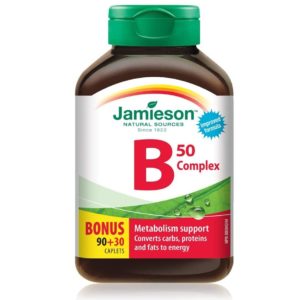
Jamieson – Natural Vitamins B complex 50 120 capsules
Original price was: $168.00.$98.00Current price is: $98.00. Add to basket -
-
Sale!
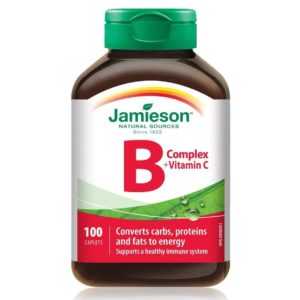
[Clearance Price for Short-Term Stock] Jamieson – Vitamin B Complex & Vitamin C 100 Capsules
Original price was: $140.00.$98.00Current price is: $98.00. Add to basket -
Sale!

Webber Naturals – Melatonin 5mg 400 capsules
Original price was: $188.00.$148.00Current price is: $148.00. Add to basket
Related Post:
![母親用滴管把少量植物藻油滴在食物匙上,幼兒坐在餐桌旁]()
A Complete Guide to Plant-Based Algae Oil Omega-3: Odorless, Vegetarian, and Suitable Omega-3 Choices for Pregnant Women and Infants
![牛樟芝子實體與膠囊製品示意]()
What is Antrodia camphorata? A complete guide to its ingredients, research evidence, and precautions for consumption.
![世界心臟日護心飲食場景,香港中年夫婦享用豆漿、豆腐、雞蛋與堅果,旁有心臟及細胞膜卡通示意]()
World Heart Day: Heart Health in Hong Kong Starts with Daily Life | What are the Benefits of Lecithin? Which of Three 1200mg Products to Choose From?
![香港關節健康洞察報告封面:中年及長者在香港步行]()
How to choose joint health supplements? 8 best-selling formulas and repurchase information help you find the right daily option.