



































































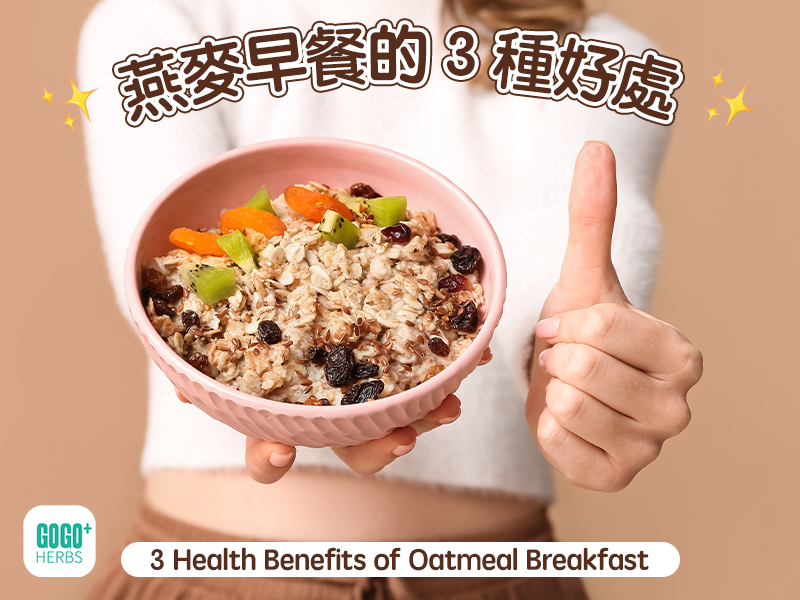
Oatmeal is probably the most frequently recommended, yet least clearly explained, grain. It is described as a "high-fiber," "high-protein," "lowering-blood-lipids," "weight-loss," and "immunity-boosting" ingredient. These five labels together sound like a panacea; however, when examined individually, the strength of their evidence varies greatly—some figures are quite solid, while others simply incorporate laboratory results into advertising copy.
What's often overlooked is that the word "oat" itself is imprecise. Steel-cut oats, whole-flake oats, quick-cooking oats, instant oats, oat bran, and oat drinks all come from the same grain, but their glycemic index can range from 52 to 79, and their beta-glucan content can differ by more than three times. The same "oat" can have different effects depending on how it's consumed.
First, we will clarify the six forms, then explain the evidence for β-glucan, cholesterol, gut, blood sugar, satiety, and immunity, and finally provide a dosage conversion that you can follow.
| Your situation | suggestion |
|---|---|
| Want to lower cholesterol with oats | Take 3 grams of beta-glucan daily, which is roughly equivalent to 60 to 75 grams of dried oatmeal or 40 to 50 grams of oat bran; continue for four to six weeks and then check blood lipids. |
| I have diabetes and want to control my post-meal blood sugar. | Choose steel-cut or whole-flake oats, avoiding instant oatmeal; do not pair the same bowl of porridge with fruit juice or honey. |
| constipate | You can eat it, but you should drink plenty of water at the same time; oats are not particularly effective than other whole grains. |
| Want to lose weight with oatmeal | Oatmeal porridge is more filling than instant oatmeal, but its calories should still be included in your daily calorie intake. |
| Celiac disease or strict gluten-free diet is required. | Choose only oats labeled "gluten-free" and discuss with healthcare professionals first. |
| Chronic kidney disease, elevated blood potassium or blood phosphorus | The portion sizes should be determined by a doctor or registered dietitian according to the stages of pregnancy; it is not advisable to apply fixed gram values on your own. |
| Currently taking statins or levothyroxine | Take your medication approximately 2 to 4 hours apart from your oatmeal meal. |
I. Six types of "oats" differ in their degree of processing.
After harvesting, oats are hulled to obtain "oat groats," which require at least 45 minutes to cook whole. Chopping oat groats creates steel-cut oats; steaming and flattening them creates whole-flake oats; pressing them thinner and pre-cooking them creates quick-cooking and instant oats; grinding off the outer bran creates oat bran; and adding water, enzymatically hydrolyzing, and filtering into a liquid creates oat drinks. As processing increases, convenience improves, but viscosity, fiber structure, and glycemic response change simultaneously.
| form | β-glucan (dry weight) | Glycemic index | Cooking time | Things to pay attention to |
|---|---|---|---|---|
| oat grains | Approximately 4 to 5% | Extensive testing has not been conducted, but it is estimated to be similar to steel cutting. | 45 to 60 minutes | It has the chewiest texture and is not commonly found in Hong Kong supermarkets. |
| Steel-cut oats | Approximately 4% | 52 | 20 to 30 minutes | The most suitable choice for blood sugar control |
| whole oatmeal | 2.3% to 8.5% | 55 | 8 to 10 minutes | The most common choice is to check the packaging label. |
| Quick-cooking oats | 2.2% to 7.7% | Approximately 65 to 72 | 3 to 5 minutes | It has been thinned, and its glycemic index rises faster than the original film. |
| Instant oatmeal | 1.4% to 5.5% | 79 | Simply rinse with hot water. | The glycemic index is already high; seasoning packets often contain sugar. |
| oat bran | 4.7% to 8.3% | 55 | 5 minutes | Beta-glucan is the most concentrated, but the texture is coarser. |
| Oatmeal drink | Usually much lower than the original film | Approximately 69 (depending on the recipe) | — | After enzymatic hydrolysis, some of the starch is converted into maltose, and most of it is filtered. |
The most noteworthy line on this chart is the glycemic index (GI) of 79 for instant oats. This puts it in the same category as white rice and white bread, and 24 points higher than whole-wheat oats. The reason isn't that the oats have gone bad, but rather that pressing and pre-cooking break down the physical structure of the starch and lower the molecular weight of beta-glucan; the body processes the same amount of oats at completely different rates.
Therefore, the statement "oatmeal is a low glycemic index food" is only half true. It applies to steel-cut and whole-flake oats, but not to instant oatmeal. When buying oatmeal, look for words like "steel-cut," "whole-flake," and "traditional" rather than just the word "oatmeal" on the front of the packaging.
II. β-glucan: The most substantial component of oats
Beta-glucan is a water-soluble fiber unique to oats and barley, composed of glucose molecules linked by alternating β-(1,3) and β-(1,4) bonds. This bonding method allows it to absorb water and form a viscous gel—the "sticky" texture of cooked porridge is mainly due to it.
It's not evenly distributed within the oat grain, but rather concentrated in the aleurone layer and endosperm cell walls. Therefore, the further out the grain is milled, the higher the concentration of β-glucan. Oat bran content is 4.7% to 8.3%, whole oats 2.3% to 8.5%, and instant oats only 1.4% to 5.5% (all figures are dry weight). For the same gram, oat bran provides more than three times the amount of nutrients found in instant oats.
3 grams is the official threshold, not something the manufacturer created themselves.
The EU's authorized health claims are very specific: each serving of food must contain at least 1 gram of beta-glucan from oats, oat bran, barley, or barley bran to be able to label it as "beta-glucan helps maintain normal blood cholesterol levels"; and the packaging must inform consumers that...To achieve the desired benefits, you need to consume 3 grams daily.The conditions in the United States and Canada are the same: 3 grams per day. This 3 grams is not set by any particular brand, but is a dosage threshold adopted by all three regulatory systems.
Converted to daily serving sizes: Assuming 4 grams of beta-glucan per 100 grams of whole oats, 3 grams is approximately 75 grams of dry oatmeal, close to three-quarters of a cup; assuming 6 to 8 grams of oat bran per 100 grams, that's about 40 to 50 grams, or four to five tablespoons. Some packaging claims "2 grams of beta-glucan per 40-gram serving," but that's a measured value, meaning you'd need to eat one and a half servings to reach the threshold—so check the nutrition label on the back, not just the front, when buying.
There is another condition that is often overlooked:The molecular weight needs to be large enough.A meta-analysis of 103 trials involving 538 participants found that postprandial blood glucose response only significantly decreased when the molecular weight of β-glucan was above 300 kg/mol; below this value, no effect was detectable. Extrusion, enzymatic hydrolysis, and prolonged high temperatures all break down the molecular chains. This explains why different products labeled "containing β-glucan" can have vastly different actual effects.
III. Cholesterol-Lowering Statistics and Mechanisms
This is the most well-supported evidence for oats, and the only one with a clearly defined dosage threshold. The figures from the two large meta-analyses are quite consistent:
| Research | scale | dose | result |
|---|---|---|---|
| Whitehead 2014 | 28 randomized controlled trials | ≥3 grams per day | Low-density lipoprotein cholesterol -0.25 mmol/L(95% CI 0.20 to 0.30); Total cholesterol −0.30 mmol/L |
| Ho 2016 | 58 trials, 3,974 people | Median 3.5 grams | Low-density lipoprotein -0.19 mmol/L(−0.23 to −0.14); non-high-density lipoprotein −0.20; apolipoprotein B −0.03 g/L |
Putting the two figures together, it represents a decrease in LDL cholesterol of approximately 5% to 8%. The Whitehead study also had a practical finding: increasing the dosage from 3 grams to 12.4 grams and extending the treatment duration from two weeks to twelve weeks did not significantly alter the effects; in other words,Once you reach the threshold, increasing the quantity won't add points proportionally.The key is to eat it every day. The same study also observed a greater reduction in diabetes patients than in non-diabetic patients.
High-density lipoprotein (HDL) and triglycerides showed no significant changes. It's important to clarify that oatmeal doesn't "generally regulate blood lipids"; it primarily lowers low-density lipoprotein (LDL) and total cholesterol.
Mechanism: It binds bile acids, forcing the liver to remove cholesterol.
Beta-glucan forms a viscous gel in the small intestine, encapsulating bile acids and preventing their reabsorption, leading to their excretion in feces. To replenish bile acids, the liver must extract cholesterol from the blood to produce them, thus lowering low-density lipoprotein (LDL) levels in the blood. Beyond this pathway, recent studies have also revealed the involvement of gut microbiota—beta-glucan is partially fermented, producing short-chain fatty acids that influence bile acid metabolism and cholesterol synthesis regulation.
Hong Kong Centre for Health ProtectionExplanation of a high-fiber dietThe same description is used: "Water-soluble fiber can bind with cholesterol-like lipids (such as bile) and be excreted from the body, helping to lower cholesterol levels in the blood." This statement is consistent with existing mechanistic studies.
IV. Why not saponins?
Many people believe that oats lower cholesterol by "the synergistic effect of saponins and dietary fiber." This claim has some basis—oats are indeed the only grain containing saponins, with avenacoside A and B being unique to oats—but attributing this to the primary mechanism places secondary components in a prominent position.
First, let's look at the content. Literature analysis shows avenacoside A at 65.5 mg/kg and avenacoside B at 377.5 mg/kg, totaling approximately 0.44 g/kg, or 0.044%. Another set of data shows that oatmeal contains approximately 0.9 g/kg, which decreases to approximately 0.1 g/kg after cooking into porridge. In contrast, β-glucan contains 23 to 85 g/kg—a difference of two orders of magnitude.
Let's look at the evidence. Studies on saponins interfering with cholesterol metabolism are almost entirely animal studies, and reviews describe the effects as "sometimes minimal." Human studies lack corresponding dosages and comparable endpoints. In contrast, β-glucan has meta-analyses of 28 and 58 randomized controlled trials, regulatory dosage thresholds, and causal clues related to molecular weight and viscosity.
Therefore, the correct way to write it is: Oats contain saponins, which have been shown in laboratory and animal studies to potentially affect cholesterol metabolism; however, the decrease in blood lipids after humans eat oats is mainly attributed to β-glucan. The two are not parallel.
V. Immunity and Gut Microbiota: Separating the Two Things
"Beta-glucan strengthens immunity" is the most frequently mentioned phrase in oat-related advertising, and it's also the one that needs the most analysis. It actually mixes three different things: gut microbiota, immune cell receptors, and the endpoint of human infection.
The gut microbiota explanation makes sense.
Beta-glucan cannot be digested by the human body, but it can be partially fermented by colonic bacteria to produce short-chain fatty acids. This process alters the gut microbiota composition, affecting bile acid metabolism and intestinal barrier function. This is a reasonable prebiotic pathway, supported by mechanistic studies. It's important to note the term "partial fermentation"—beta-glucan ferments to a lower degree than inulin or fructooligosaccharides, so its prebiotic effects are milder and won't alter the gut microbiota in just a few days.
On the one hand, the evidence is elsewhere regarding immunity.
It is an immunological fact that beta-glucan can indeed bind to receptors on the surface of immune cells. However, there is a long way to go between "binding" and "reducing illness after consumption," and most current human studies use...Yeast sourceβ-(1,3)(1,6)-glucan is not from oats. There are few intervention studies using oat-derived ingredients, and the endpoints are inconsistent. Some studies used vaccine antibodies or upper respiratory symptoms as indicators, resulting in conflicting results.
In 2011, when assessing claims that "β-glucan enhances immunity," the European Food Safety Authority (EFSA) concluded that "a causal relationship could not be established" for several applications from yeast and fungal sources, citing the lack of reliable human infection endpoints. This does not mean that β-glucan lacks immune-related activity, but rather that:Currently, there is insufficient evidence to support classifying it as a health benefit.。
Therefore, a more prudent approach is to state that oats have a positive effect on the gut environment through fiber and gut microbiota metabolism; regarding immunity, the most reliable way to maintain normal immunity is still a balanced diet, sufficient sleep, vaccination, and moderate exercise. Placing oats in the category of "whole diet" rather than "boosting immunity" avoids over-promising.
VI. Dietary Fiber and Constipation
Whole oat flakes contain 10.1 grams of dietary fiber per 100 grams, which is relatively high among grains. A bowl of 40 grams of dry oat flakes provides about 4 grams of fiber, which is about one-sixth of the recommended daily intake (25 grams or more) for adults in Hong Kong.
Oat fiber contains both soluble and insoluble components. The soluble portion absorbs water to form a gel, softening stool; the insoluble portion increases stool volume and stimulates intestinal peristalsis. A systematic review analyzed 29 studies, 14 of which were conducted on individuals without intestinal disease: oats or oat bran.It can significantly increase stool weight and reduce constipation.;butThere is no evidence that it is more effective than other grains.This is important—oatmeal helps, but it's not "particularly powerful."
Another small study conducted in a senior hospital involved 30 frail elderly individuals who had been using laxatives for a long time. Adding 7 to 8 grams of oat bran to their daily diet for twelve weeks resulted in [further results].59% can stop using laxativesThe weight of the control group remained stable, while the weight of the control group decreased. The sample size was small and not randomized, so it cannot be considered strong evidence, but the direction is consistent with clinical experience: for elderly people with insufficient fiber intake, supplementing with enough oat fiber can sometimes reduce dependence on laxatives.
Moisture is a necessary condition
Oat fiber needs to absorb water to form a gel. Adding only fiber without water may actually worsen constipation. The Centre for Health Protection...Same pageA word of caution: increase fiber intake gradually and drink at least 6 to 8 cups of fluids daily, otherwise you may experience diarrhea, bloating, and flatulence. This is the most common cause of bloating for people who are just starting to switch to oatmeal for breakfast—most will adapt within two weeks, provided they drink enough water and increase the amount slowly.
7. Blood Sugar and GI: Oatmeal is not always low in GI.
Steel-cut oats 52, whole-flake oats 55, oat bran 55, instant oats 79. While all are oats, the first three have a low glycemic index, while the last one has a high glycemic index. The difference comes from the thickness of the sheet and the degree of pre-cooking, and has little to do with the variety.
The effects of β-glucan on postprandial blood glucose were quite consistent. A meta-analysis of 103 trials and 538 participants showed that adding oat β-glucan to carbohydrate-containing meals reduced the area of the postprandial blood glucose curve. 23%Blood glucose peak decrease 28%Insulin response decreased by 22% to 24%, with the evidence level rated as "high". The effects were similar in diabetic and non-diabetic patients.
However, the same study reaffirmed the importance of molecular weight: it is only effective when the molecular weight is above 300 kg/mol, and undetectable below this value. A randomized crossover trial of 28 people made this even clearer—after adding 4 grams of high molecular weight β-glucan, the gastric emptying half-life increased from 105 minutes to 285 minutes, and the area under the blood glucose curve decreased from 135 to 78; but when the same β-glucan was cleaved with enzymes to reduce its molecular weight, all these effects disappeared.
Official blood glucose claims state a percentage, not the total amount.
The EU's authorization condition is that every 30 grams of available carbohydrates must be paired with at least 4 grams of oat or barley beta-glucan in order to label it as "helping to reduce post-meal blood sugar spikes when used as part of a meal." This is a ratio, not "eat 4 grams daily"—because the same 4 grams will have different effects depending on whether it's paired with 30 grams of carbohydrates or 100 grams of carbohydrates.
In 2025, a manufacturer applied to lower the threshold from 4 grams to 2 grams, but the European Food Safety Authority rejected the application, citing inconsistent test results between 2 and 4 grams, and stating that the lowest effective dose was higher than 2 grams. This also indicates that the 4-gram figure is not a conservative estimate, but rather the lower limit supported by current evidence.
In practice, diabetics don't need to calculate this ratio. Choosing steel-cut or whole oats, controlling the portion size, not overcooking the oats, and pairing them with protein (eggs, unsweetened soy milk, plain yogurt) instead of fruit juice or honey have a much greater impact than meticulously calculating the milligrams of beta-glucan.
8. Satiety and weight: The direction is promising, but the evidence is inconsistent.
The claim that "oatmeal prolongs satiety" is partially supported, but not as definitively as advertised.
On the positive side: A randomized crossover trial of 48 participants compared oatmeal with instant oat cereal of the same calories. The oatmeal group reported higher levels of satiety, lower hunger and appetite, and smaller lunch intake four hours later. The study also found that oatmeal had higher β-glucan content, molecular weight, and viscosity. Another systematic review concluded that "most evidence supports the positive effect of oat β-glucan on satiety."
On the other hand: a subsequent trial involving 28 people conducted by the same researcher found that even increasing β-glucan to 4 grams significantly delayed gastric emptying.There were no differences in appetite scores, ghrelin and PYY concentrations, or food intake at the all-you-can-eat lunch among the subjects.The review itself also points out that the methods used to measure viscosity in different studies are not uniform, and appetite is inherently difficult to standardize, so the results are inconsistent.
To put both perspectives together, a more accurate statement is: oatmeal (rather than instant oatmeal) has been shown in some studies to provide a feeling of fullness for several hours, but this effect is inconsistent and insufficient for weight loss on its own. What truly determines weight is total daily calorie intake. Treating oatmeal as an "extra" food, or adding a bowl on top of your regular breakfast, will still result in exceeding your calorie limit.
The combination of ingredients also has a significant impact. Oatmeal with honey, jam, and chocolate chips, versus oatmeal with eggs, unsweetened soy milk, and a handful of nuts, both called "oatmeal breakfast," have completely different levels of satiety and blood sugar response. The former is a dessert, while the latter is a main meal.
9. "High protein" should be discounted.
Dry oats contain 13.15 grams of protein per 100 grams, which is indeed relatively high for grains—white rice contains about 7 grams and white bread about 9 grams. However, the label "high-protein food" is inappropriate for two reasons.
First, consider the quantity. A 40-gram bowl of dry oatmeal contains only about 5.3 grams of protein, while an egg contains 6 to 7 grams, 100 grams of chicken breast contains more than 22 grams, and 100 grams of soybeans contain 36 grams. Oatmeal can provide protein, but it cannot be a primary source.
Secondly, there's the issue of quality. Oat protein is primarily composed of globulins, and while its lysine content is decent among grains, it's still a limiting amino acid; oats alone cannot provide a complete ratio of essential amino acids. Vegetarians can complement oats by combining them with soy milk or legumes.
Therefore, a more accurate description is: oatmeal is a staple food that is "mainly carbohydrates, high in fiber, and has a relatively high protein content among grains," but it is not a protein source. Adding oatmeal to breakfast, along with an egg or a cup of unsweetened soy milk, will provide enough protein for the entire meal.
10. Who should be careful?
Celiac disease and a strict gluten-free diet
Oats themselves do not contain the gluten found in wheat, barley, or rye, but they are easily contaminated by gluten-containing grains during cultivation, transportation, and processing. The UK National Health Service recommends that patients with celiac disease consult with healthcare professionals before consuming oats and choose products clearly labeled as gluten-free and confirmed to be free of contamination. A small percentage of people may still experience a reaction to avenin, the protein in oats, even when consuming gluten-free oats. Systematic reviews show that most patients with celiac disease can tolerate up to 100 grams of uncontaminated oats daily.
Chronic kidney disease
100 grams of dry oats contain 410 mg of phosphorus and 362 mg of potassium. A 40-gram bowl contains approximately 164 mg of phosphorus and 145 mg of potassium—not particularly high. However, the requirements for phosphorus, potassium, protein, and fluids vary greatly at different stages of chronic kidney disease, so generalizations cannot be made. Dialysis patients and those with high blood phosphorus levels should have their portion sizes determined by a nephrologist or registered dietitian based on their blood test results. They should not replace white rice entirely with oats on their own.
Irritable bowel syndrome and bloating
Oatmeal contains fermentable fiber, which may cause bloating in patients with irritable bowel syndrome (IBS) during periods of active symptoms. You can start by halving the portion size, extending the cooking time, and observing for two weeks. If bloating, abdominal pain, bloody stools, or unexplained weight loss persist, seek medical evaluation and do not immediately attribute it to insufficient fiber intake. Incidentally, sweat is mostly water and electrolytes; sweating is for body temperature regulation, not for expelling "moisture" or "toxins." The reason for replenishing water when increasing fiber intake is to help the fiber form, which is unrelated to "toxin removal."
Drug interactions
The high fiber and stickiness of oats can affect the absorption of some medications; the following two types are of particular concern:
- statins (lipid-lowering drugs)Animal studies have shown that simultaneous intake of oat bran and atorvastatin reduces the lipid-lowering effect of low-dose statins by about half. Researchers speculate that oat bran inhibits the intestinal absorption of statins. Human data is limited, but as a precaution, it is advisable not to take statins with oatmeal; the two should be taken about 2 to 4 hours apart.
- LevothyroxineSystematic reviews indicate limited evidence of the interaction between dietary fiber and levothyroxine, but current studies consistently show that simultaneous intake reduces absorption. Waiting at least 30 to 60 minutes after taking medication before eating breakfast is the most common practice; if you regularly eat large amounts of oatmeal for breakfast, it is advisable to have your thyroid function levels checked with your doctor.
Additionally, people taking warfarin don't need to specifically avoid oats—oats are low in vitamin K, unlike dark green vegetables which require a fixed intake. However, any significant changes to your diet (such as switching from skipping breakfast to eating a large bowl of oats daily) should still be discussed with your doctor first to allow for dosage adjustments.
11. How to consume 3 grams: Daily combination
Spreading 3 grams of beta-glucan throughout the day is easier to maintain than consuming a large bowl at once. Here's a practical combination:
| Time period | content | β-glucan (estimated) |
|---|---|---|
| breakfast | Cook 40 grams of whole oat flakes in water or low-fat milk, add one egg and a small amount of blueberries. | Approximately 1.6 grams |
| afternoon | Mix 150 grams of plain cheese with 2 tablespoons (about 12 grams) of oat bran. | Approximately 0.8 to 1.0 grams |
| dinner | Cook rice and oat grains in equal parts (30 grams of oat grains) into a meal. | Approximately 1.2 grams |
| total | — | Approximately 3.6 to 3.8 grams |
If you don't want to eat it three times a day, you can concentrate it at breakfast: cook 60 to 75 grams of dried whole oat flakes into a bowl, and serve with protein and fruit, which is close to 3 grams. The key point is...Continue every dayInstead of occasionally eating a large portion, the meta-analysis showed that between two and twelve weeks, the effect was not related to the length of time, but provided that the threshold was reached every day.
Several practices worth noting
- Oatmeal RiceMix white rice and oat grains in a 2:1 ratio, soak for 30 minutes before cooking. This makes the texture more palatable and also increases the fiber content of the meal.
- overnight oats: Add whole oatmeal to milk or unsweetened soy milk and refrigerate overnight. Studies show that this method still maintains a low glycemic response; however, do not add honey or jam, and use fresh fruit instead.
- oat bran in cookingAdding it to soy milk, cheese, soup, or meatballs is the most direct way to increase beta-glucan content; four to five tablespoons is enough, and it doesn't require changing your main dish.
- Not recommended practicesCookies containing whole oat grains are not recommended as a snack. These products contain sugar, oil, and flour, with oats being just one of the ingredients. They do not "avoid cholesterol buildup." If you want a snack, you might as well eat a small bowl of oatmeal porridge.
XII. Frequently Asked Questions
How much oatmeal should I eat each day?
If the goal is to maintain healthy blood cholesterol, 3 grams of beta-glucan daily is the official threshold, roughly equivalent to 60 to 75 grams of dried whole oat flakes, or 40 to 50 grams of oat bran. If the goal is simply to increase fiber intake, a 40-gram bowl provides about 4 grams of dietary fiber, which is one-sixth of the daily recommended intake.
Are instant oatmeal really that bad?
In terms of glycemic response, instant oatmeal has a glycemic index of about 79, significantly higher than that of whole oat flakes (55), and also has a lower content and molecular weight of beta-glucan. However, it still provides fiber and micronutrients, and convenience is key to its sustainability for many people. A compromise is to choose unseasoned instant oatmeal, shorten the preparation time, avoid overcooking, and eat it with protein.
Can oat milk replace oatmeal porridge?
It is not recommended as an equivalent substitute. Oat milk undergoes enzymatic hydrolysis and filtration, so its β-glucan content is usually much lower than that of whole oat flakes, and the glycemic index of some products can reach 60 to 78; some products may have added sugar or oil for better taste. It can be used as a beverage or milk substitute, but to lower cholesterol or control blood sugar, whole oat flakes or oat bran should still be the primary source of nutrition.
What should I do if I experience bloating after eating oatmeal?
Start by halving the portion size, then gradually increase it over two weeks; ensure you consume 6 to 8 cups of fluids daily. Cooking time extended and starting with small amounts of oat bran is usually easier to adapt to than eating a large bowl at once. If bloating persists, is accompanied by abdominal pain, weight loss, or bloody stools, seek medical attention.
Can oatmeal replace white rice?
It can be a partial substitute. Oatmeal and white rice are both grains, but oatmeal is higher in fiber and protein and has a slower glycemic index. Replacing one-third to one-half of white rice with oatmeal is a reasonable approach. However, a complete long-term replacement is not recommended, as one bowl of oatmeal still doesn't provide enough calories and protein to support a meal; additional protein and vegetables are necessary.
Does oatmeal raise blood sugar?
Oatmeal is a carbohydrate, so it will naturally raise blood sugar levels; the difference lies in the speed. Steel-cut and whole-flake oatmeal have a low glycemic index, while instant oatmeal has a high glycemic index. Adding beta-glucan to a meal can lower the post-meal blood sugar curve area by about 23%, but this requires a sufficiently high molecular weight and a large enough portion.
Is oatmeal related to saponins?
Oats are the only grain containing saponins, but the content is only about 0.044%, and most related studies are based on animal experiments. The decrease in blood lipids after humans eat oats is mainly attributed to β-glucan, not saponins.
Can oatmeal boost immunity?
Oat fiber can be partially fermented by gut bacteria, which has a positive effect on the gut environment; this is a reasonable prebiotic pathway. Regarding "boosting immunity and reducing infection," current human studies mostly use yeast-derived beta-glucan, while evidence from oat fiber is inconsistent, and regulatory agencies have not endorsed related claims. Maintaining immunity should still primarily rely on a balanced diet, adequate sleep, and vaccinations.
Can people with kidney disease eat oatmeal?
Yes, but it depends on the stage of the disease and blood test results. 100 grams of dry oats contains 410 mg of phosphorus and 362 mg of potassium. A 40-gram bowl provides approximately 164 mg of phosphorus and 145 mg of potassium. Patients undergoing dialysis or with high blood phosphorus levels should have their portion sizes determined by a nephrologist or registered dietitian. Do not replace white rice entirely with oats on your own, and do not stop or increase your medication without consulting a doctor.
Can eating oatmeal help with weight loss?
Oatmeal has been shown to provide a feeling of fullness for several hours in some studies, but the same set of studies did not detect any difference in appetite hormones or food intake. The core of weight loss remains the balance of calories throughout the day; the value of oatmeal lies in the fact that it is a staple food with more fiber and easier to replace refined grains, rather than a food that "will make you lose weight."
Do oats need to be soaked?
Steel-cut oats and whole oat grains are recommended to be soaked for at least 30 minutes to make them softer and cook faster. Whole oat flakes don't necessarily need to be soaked, but soaking them overnight can shorten cooking time in the morning, and studies show they retain a lower glycemic response. Instant oatmeal does not require soaking.
How long should there be a time gap between taking oatmeal and taking medication?
When taking statins or levothyroxine, it is recommended to separate them from an oatmeal meal by about 2 to 4 hours, and not to take them with oatmeal porridge. For elderly people who are taking multiple medications, the safest approach is to separate medication time from breakfast time and inform the doctor of their daily diet during follow-up visits.
XIII. Sources of Information
- European Commission:Commission Regulation (EU) No 432/2012 List of Authorized Health Claims(Dosage conditions of β-glucan with blood cholesterol and postprandial blood glucose)
- USDA FoodData Central:Nutritional information on oats(Food code 173904, per 100 grams dry weight)
- Whitehead A et al.:A meta-analysis of the cholesterol-lowering effects of oat beta-glucan (Am J Clin Nutr 2014)
- Ho HV et al:Effects of oat β-glucan on low-density lipoprotein, non-high-density lipoprotein and apolipoprotein B (Br J Nutr 2016)
- Zurbau A et al:A meta-analysis of oat β-glucan and postprandial blood glucose and insulin response (Eur J Clin Nutr 2021)
- Paudel D et al.:A review of the health benefits of oats (Foods 2021)(β-glucan content, saponin content and various physiological functions)
- Joyce SA et al.:The cholesterol-lowering mechanism of oats and oat beta-glucan, bile acids and gut microbiota (Front Nutr 2019)
- Thies F et al.:A systematic review of oats and intestinal diseases (Br J Nutr 2014)
- Rebello, CJ, etc.Dietary fiber and satiety: The role of oats (Nutr Rev 2016)
- Wolever TMS, etc.A randomized controlled trial on the effects of increasing oat β-glucan viscosity on gastric emptying, blood glucose, and appetite (Am J Clin Nutr 2020)
- Atkinson FS et al.:International Glycemic Index and Glycemic Load Table 2021
- Wiesner A et al.:A systematic review of the interactions between levothyroxine and food and dietary supplements (Pharmaceuticals 2021)
- Eussen SR et al.:Animal studies of simultaneous intake of oat bran and atorvastatin (Pharmacol Res 2011)
- EFSA NDA Panel:Evaluation and compilation of immune claims for fungal β-glucan
- Oat bran study at an elderly hospital:Intervention studies replacing laxatives with dietary fiber
- Centre for Health Protection:Healthy diet high in fiber
- UK National Health Service:Dietary management and oat consumption recommendations for celiac disease
Further Reading
- Will eating oatmeal cause you to gain weight instead of losing it? Types, serving sizes, and methods for eating oatmeal for weight loss.
- Can oatmeal be used as a main meal to help with weight loss?
- Nutritional facts about oat milk
- Causes of constipation, dietary care, and timing of seeking medical attention
- How to consume whole grains
- Balanced Diet: Understanding the Six Food Groups
Health Declaration:This article is a compilation of nutritional information and does not constitute medical advice, nor can it replace a doctor's diagnosis and prescription. Individuals with diabetes, chronic kidney disease, thyroid disease, or those currently taking lipid-lowering or anticoagulant medications should consult their attending physician or registered dietitian before adjusting their diet. If you experience persistent bloating, abdominal pain, bloody stools, unexplained weight loss, or muscle aches and unusual fatigue after taking medication, seek medical attention immediately; in case of emergency, please call 999.
Related Products:
-
Sale!

[Price as low as $330 in stores] G-NiiB – Immunity+ 28 packets
Original price was: $498.00.$365.00Current price is: $365.00. Add to basket -
Sale!
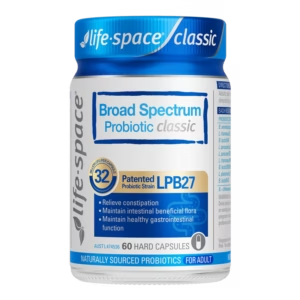
Life Space – Upgraded Adult Probiotics 32 billion 60 capsules
Original price was: $198.00.$145.00Current price is: $145.00. Add to basket -
Sale!

G-NiiB – Immunity Pro Immunity Pro Formula 28 packs
Original price was: $598.00.$498.00Current price is: $498.00. Add to basket -
Sale!
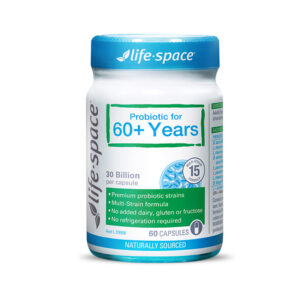
Life Space – Elder 60+ Probiotic 30 billion 60 capsules
Original price was: $198.00.$145.00Current price is: $145.00. Add to basket
Related Post:
![網購保健品付款前,先核對這 8 件事]()
Before paying for health supplements online, check these 8 things first.
![葡萄糖胺軟骨素MSM點揀?食極都痛先檢查每日劑量]()
Glucosamine chondroitin MSM selection? Eating causes pain; first check the daily dosage.
![gogoherbs-mens-hair-cover]()
How to Choose Hair Care Supplements for Men? A Comparison of 8 Biotin, Saw Palmetto, and Collagen Products
![晨光下的健康早餐时光]()
From hair-nourishing gummies to collagen powder: Comparison of 8 best-selling beauty and health products and their formulas.