






























































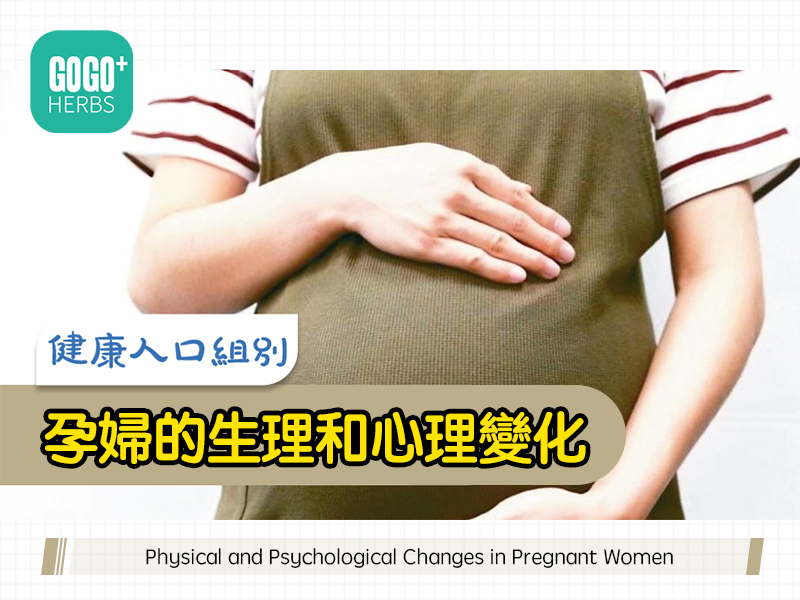
Body Changes and Nutritional Needs in the Three Stages of Pregnancy (Early/Mid/Late): A Practical Guide for Expectant Mothers
Information on pregnancy care is compiled for reference only and does not replace a doctor's diagnosis and prenatal checkup advice.
Table of contents
- Overview of the three stages of pregnancy
- Common phenomena and care during early pregnancy (0–12 weeks)
- Common phenomena and care during the second trimester (13– 27 weeks)
- Common phenomena and care during late pregnancy (28– 40 weeks)
- Psychological changes during pregnancy
- Key Nutritional Needs During Pregnancy
- When should you seek medical attention? (Warning information summary)
- Frequently Asked Questions (FAQ)
- Source of information
Overview of the three stages of pregnancy
Pregnancy is generally divided into three trimesters based on physiological changes. For ease of reading, this article will use "weeks of pregnancy" as the unit of measurement:Early pregnancy: 0.1 TP1T at 12 weeks; Mid-pregnancy: 1.3 TP1T at 27 weeks; Late pregnancy: 2.8 TP1T at 40 weeks.(Approximately 7–9 months). Different institutions or books may have slight differences in their descriptions of "months," but weeks are the most consistent reference.
Overall, the health goals during pregnancy are: to alleviate the discomforts of pregnancy and to provide the nutrients needed for the baby's development. Weight will gradually increase throughout pregnancy, but...The amount to increase varies from person to person.—This depends on factors such as pre-pregnancy weight (BMI), number of fetuses, diet, and activity level. General guidelines suggest that most singleton pregnancies result in an overall weight gain of approximately 111 Tb16 kg, but this is only a reference.Please follow the individual recommendations from your prenatal doctor after each measurement.。
A rough estimate of ideal weight is for reference only.A common formula used in pregnancy is "(height in cm - 70) × 0.6", which provides a rough target weight. If this is too low or too high, it should be determined as a percentage of the ideal weight. However, in practice, weight gain during pregnancy should be based on... BMI and healthcare worker assessmentFor accuracy, it is not recommended to rely solely on formulas for self-judgment.
Common phenomena and care during early pregnancy (0–12 weeks)
Phase 1
Common phenomena
- Nausea and vomiting (morning sickness):It is mostly related to hormonal changes, and is generally more obvious around 51 weeks of pregnancy (TP1T12 weeks), and is often seen in the morning or evening.
- Light vaginal bleeding:Some pregnant women experience spotting or brownish discharge in early pregnancy.
- Frequent urination:It is related to progesterone secretion and increased blood flow.
- Drowsiness, fatigue:When the body secretes a large amount of hormones, it is easy to feel tired.
Daily care recommendations
- Morning sickness can tryEat small, frequent meals and keep your diet light.Avoid oily and spicy foods; do not drink large amounts of soup immediately after meals.
- Frequent urinationDon't hold your urine, and don't stop drinking water because of it.— Maintain normal water intake.
- Rest when you're tired; don't push yourself.
Common phenomena and care during the second trimester (13– 27 weeks)
Phase 2
- Increased secretions:Progesterone increases vaginal discharge, so be sure to keep the area clean and dry.
- constipate:Intestinal peristalsis slows down due to progesterone and increased water absorption in the large intestine; therefore, it is recommended to consume more fiber, drink plenty of water, and engage in moderate physical activity.
- Dizziness, headache:Hormonal changes may cause local vasoconstriction; if you experience severe headaches or visual disturbances, please refer to the warning signs below.
- Low back pain:As the belly grows, the pressure on the lumbar spine increases; it is advisable to use cushions and avoid standing or sitting for long periods of time.
During this stage, most pregnant women experience relief from morning sickness and improved appetite, making it a relatively comfortable period. However, they are also prone to rapid weight gain, so it is important to maintain a balanced diet.
Common phenomena and care during late pregnancy (28– 40 weeks)
Phase 3
- Abdominal hardening, fetal movement, and changes in fetal position:As the uterus gradually expands, the fetal head descends and the fetal position becomes fixed near full term.
- The breasts become soft and may secrete milk.
- Leg cramps, mild ankle edema:It is common in the later stages; you can raise your leg and engage in moderate activity.
- Varicose veins, hemorrhoids:This is caused by the uterus compressing the inferior vena cava; avoiding prolonged sitting or standing can help.
- Nausea, chest tightness, palpitations, difficulty breathing, fatigue:It is related to the expansion and compression of the uterus, and usually improves after the fetal head descends.
During this stage, weight continues to increase until delivery, and attention is mostly focused on...Labor preparationIf you experience irregular contractions, significant worsening of edema, or bleeding, please follow the instructions of your prenatal care physician.
Psychological changes during pregnancy
Besides physical health, psychological adjustment is equally important:
- First trimester (before 12 weeks):Even when planning a pregnancy, one may still feel unreal and experience mixed feelings of joy and anxiety.
- Second trimester (12– 28 weeks):After feeling fetal movement, one begins to accept the fact of pregnancy and gradually develops a feeling of "mother and child as one".
- Third trimester (28– 40 weeks):Due to mobility limitations and anxieties about childbirth, the focus shifts to preparation for delivery. Mood swings are normal; if necessary, actively seek support from family or professionals.
Key Nutritional Needs During Pregnancy
The principles of nutrition during pregnancy are"Building a foundation for your baby while taking care of yourself."The following are common key points for each stage.Please follow your doctor's advice regarding specific intake and supplements.:
| stage | Development priorities | Common Nutritional Concerns |
|---|---|---|
| Early pregnancy | During cell differentiation, the fetus does not require much energy. | Sufficient dark green vegetables and fruits;folate與Vitamin B complexNo special supplements are needed. |
| Second trimester | The embryo develops rapidly | protein、CalciumWhen appetite improves, pay attention to weight control. |
| Late pregnancy | Organ maturation and reserve birth | ironYou can eat more yellow and orange fruits and vegetables containing beta-carotene (such as pumpkin and carrots). |
Key Nutrients Overview
- Folic acid:Preconception and early pregnancy are especially important to help prevent neural tube defects; most doctors recommend taking prenatal vitamins from the time you start trying to conceive, so please follow your doctor's advice.
- Iron:The demand increases in the later stages of pregnancy, supporting increased blood volume; iron-rich foods include lean meat, dark green vegetables, and legumes.
- Calcium:Support your baby's bone development; dairy products, soy products, and dark green vegetables are common sources.
- Vitamin D:It helps with calcium absorption; some pregnant women may need to supplement after evaluation by a doctor.
- Vitamin A (please note):Yellow and orange fruits and vegetables beta-caroteneIt is a relatively safe source; butHigh doses of vitamin A supplements (especially animal-derived retinol) pose a risk of overdose.Please consult your doctor before taking any supplements and do not increase the dosage on your own.
- Fiber:To combat constipation: whole grains, vegetables, fruits, and legumes.
When should you seek medical attention? (Warning information summary)
The following situations may indicate that a professional evaluation is needed; please do not endure the discomfort or attempt to handle them yourself:
- vaginalIncreased bleeding or the appearance of fresh blood(Observe the spots/brown spots first, but seek medical attention if they persist or worsen).
- Vomiting for a day 10 times or moreAccompanied by weight loss and decreased urine output (possibly due to dehydration).
- Severe or persistent headache, accompanied by blurred vision, high blood pressure, and upper limb edema (pregnancy-induced hypertension should be ruled out).
- Obvious, unilateral or rapidly worsening edema, or accompanied by headache and vision changes.
- Severe abdominal pain, regular contractions before 37 weeks, and rupture of membranes.
- Any obvious discomfort or unease that makes you uneasy or can't quite put your finger on it.
For more information on when to seek medical attention during pregnancy, please refer to [link/reference]. NHS Pregnancy (National Health Service Pregnancy Section) The "complications" and "symptoms" sections.
Frequently Asked Questions (FAQ)
Is it necessary to take folic acid supplements in early pregnancy?
Folic acid is important for preconception and early pregnancy, and most doctors recommend starting prenatal vitamin supplementation from the time you begin planning to conceive. Please follow your doctor's instructions for specific dosage; this article does not replace an individual prescription.
How much weight gain is considered normal during the entire pregnancy?
It varies from person to person and depends on pre-pregnancy BMI and other factors; the common reference for singleton pregnancies is about 111 Tb1 Tb16 kg, but please rely on your doctor's assessment each time and do not make your own judgment based on formulas.
Is it okay to eat mangoes and pumpkins to supplement vitamin A during late pregnancy?
Beta-carotene from yellow and orange fruits and vegetables is a relatively safe source and can be included in a balanced diet; however, high-dose vitamin A supplements (especially animal-derived retinol) should be avoided, as excessive intake carries risks, and any supplements should be discussed with a doctor first.
Is light bleeding in early pregnancy a serious problem?
Spotting or brown discharge may occur in some pregnant women, which can be observed first; however, if the bleeding increases, bright red blood appears, or is accompanied by abdominal pain, please seek medical attention as soon as possible.
What should I do if I have severe morning sickness and keep vomiting?
You can try eating small, frequent meals and a light diet. If you vomit more than 10 times a day and experience weight loss and decreased urine output, please consult a doctor, as medical evaluation and treatment may be necessary.
How can I relieve back pain during the second trimester?
Use cushions to support your back, avoid prolonged standing or sitting, and engage in moderate, gentle activity. If the pain continues to worsen or is accompanied by other abnormalities, please inform your prenatal care physician.
Source of information
- Hong Kong Department of Health Family Health Service — Guidelines on pregnancy diet, prenatal check-ups and childcare (Traditional Chinese).
- NHS Pregnancy (National Health Service Pregnancy Section) — Instructions on prenatal care, vitamin supplementation, and when to seek medical attention (in English).
- WHO — Pregnancy (World Health Organization Theme on Pregnancy Health) — Information related to prenatal care and pregnancy health (in English).
Disclaimer: This article is for informational purposes only regarding pregnancy health, intended to help expectant mothers understand common changes and nutritional concepts.This does not constitute medical diagnosis, treatment or prescription advice.Every pregnant woman's situation is different. All decisions regarding diet, weight, and supplements should be based on an individual assessment by your prenatal physician or registered dietitian. If any abnormalities or discomfort occur, please consult a medical professional immediately. Please refer to the latest version of the information from the source website for the most up-to-date information.
Related Products:
-
Sale!

Unichi – Teddi Lab® Gummy Bears Gummy Bears for Hair Growth Upgraded Sea Salt and Green Titanium Flavour 60 Capsules
Original price was: $170.00.$125.00Current price is: $125.00. Add to basket -
Sale!

Swisse – Beauty Women's Hair Nutritional Capsules 60 Capsules
Original price was: $168.00.$118.00Current price is: $118.00. Add to basket -
Sale!

Unichi – Teddi Lab® Smokamine Whitening Gummy Bears Jasmine & Grapefruit Flavour 60 capsules
Original price was: $170.00.$125.00Current price is: $125.00. Add to basket -
Related Post:
![| 香港成年人在家閱讀無品牌補充品標籤,桌上有蔬菜與水]()
Hong Kong Liver Health Product Insight Report 2024-2025: Liver-Protecting Formulas Decline, Q10 Increases
![香港成年人在家閱讀與休息,從日常習慣開始理解腦部健康]()
Hong Kong Brain Health Insight Report 2024–2025: Differentiating Fish Oil, Memory Formulas, and Vitamin B12 from 87 Products
![香港上班族在窗邊暫停看屏幕,讓雙眼休息並重新整理眼晴健康選擇]()
Eye Health Insight Report 2024-2025: Beyond Lutein – Fish Oil Accounted for 76.41% of Store Revenue Among 98 Products (TP4T)
![香港家庭查看空氣質素並整理呼吸健康資料]()
Hong Kong Respiratory Health Product Insight Report 2024–2025: Cough, Nasal Allergies, and Sore Throat Are Not the Same Thing