




















































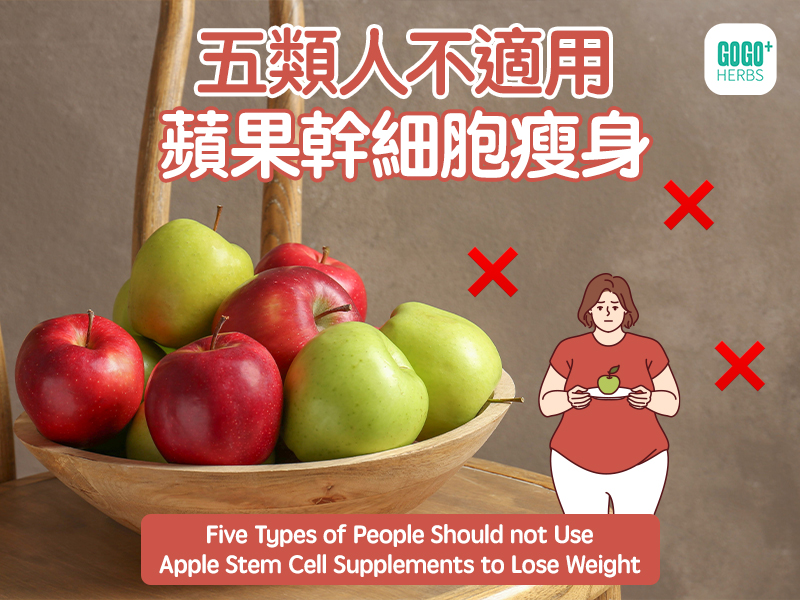
In recent years, one of the most prominent ingredients in the weight loss supplement market has been "apple stem cells." These products are mostly in powder form and individually packaged, often touting multiple benefits such as "intestinal cleansing," "acne improvement," and "weight management." The name sounds futuristic, but what does it actually refer to? Can live stem cells really be contained in a room-temperature, sealed powder packet?
Based on official and scientific information, this article clarifies four things:What are the actual raw materials for "apple stem cells"?、Why is it difficult to preserve "live stem cells" in powder packaging at room temperature?、Topical application and oral administration are two different things.And these types of products often appear togetherWhat are the precautions and labeling requirements for aloe vera and milk thistle?。
II. Deconstructing Three Common Claims: Origin, Repairing Power, and "Living Cells"
III. Why are "live stem cells" difficult to preserve in powder packets at room temperature?
IV. External application and oral administration are two different things: Where do the research and patents take place?
V. Positioning of Weight Loss Supplements: Prioritize Diet and Activity Levels
VI. Ingredient Safety (I): Aloe, Aloe Glycoside and Aloe Emodin
VII. Ingredient Safety (II): Precautions for Milk Thistle
8. Understanding Labels: Four Things You Can Do When Buying
IX. Frequently Asked Questions (FAQ)
10. Sources of Information
I. What are apple stem cells? First, distinguish between "plant cell culture" and "stem cells".
The "apple stem cells" mentioned in the market refer to a...Plant cell culture technologyThe raw material is not simply "packing apple stem cells into a bag." It originates from an ancient Swiss apple variety—Uttwiler SpätlauberThis apple was cultivated in Switzerland in the mid-18th century, and is known for its...Extremely durable and does not easily shrink even after long storage.It is famous for this "radiation resistance" property, and researchers have become interested in the longevity of its tissues.
In 2008, Swiss company Mibelle Biochemistry commercialized it using PhytoCellTec™ technology, making it...The first cosmetic active ingredient based on plant stem cells.Its International Cosmetic Ingredient Name (INCI) is... Malus Domestica Fruit Cell Culture ExtractThe direct Chinese translation is "Apple Fruit Cell Culture".extractNote the last word: 是 (is/is).ExtractIt is not a "cell".
How are the raw materials made? According to the official technical specifications, the process is roughly as follows: Take a small piece of sterilized plant tissue (bud, leaf, or fruit) → Induce the plant's callus response → Form callus tissue composed of dedifferentiated cells (i.e., "stem cells") → Cultivate in a sterile, temperature-controlled nutrient culture medium, then scale up production using a bioreactor → Finally, produce...extractFor use in subsequent formulations.
| Commonly heard statements | Actual reference |
|---|---|
| "Apple stem cells" | Market terminology. Technically speaking, it refers to...Extracts made from plant cell cultureIt is not the living cells themselves. |
| Source of raw materials | Ancient Swiss apple varieties Uttwiler Spätlauber Fruit tissue |
| International Raw Material Name (INCI) | Malus Domestica Fruit Cell Culture Extract(Apple fruit cell culture extract) |
| Original location and purpose | External use of cosmeticsActive ingredient; the official recommended ratio is approximately 21 TP 1 T 5 1 TP 4 T. |
| Technology Name | PhytoCellTec™ (Plant Cell Culture Technology) |
II. Deconstructing Three Common Claims: Origin, Repairing Power, and "Living Cells"
Once you understand the ingredients, it becomes much clearer to look back at the three common claims on the market.
Claim 1: "The raw material comes from a precious apple tree in the Alps."
According to the official explanation, the source of this raw material is...SwitzerlandThe ancient apple variety Uttwiler Spätlauber. The mention of "Alps" likely stems from the same company.Another oneIngredient confusion—the one called PhytoCellTec™ Alp Rose is the one with...Alpine wild rose leavesThe active ingredients are from different sources. They are different products and come from different places.
Claim 2: "The bark and unharvested fruit can repair themselves after being injured."
The official description actually focuses on this variety.It is durable and does not shrink even after long storage.Researchers therefore speculated that its tissues possess superior "longevity" characteristics, and used this as a starting point for their research. The ability to "self-repair after injury" is an amplified version of this story.This is not the basis for the research of this raw material.Natural plants possess the ability to repair and regenerate, but directly translating this characteristic into human health benefits is a far cry from the truth.
Claim 3: "Each package contains live apple stem cells."
This is the biggest conceptual confusion. The official name of the raw material has already been stated. ExtractHowever, in room temperature, sealed powder packaging, it isIt is impossible to maintain living cellsThis isn't because anyone's product is bad; it's simply due to the fundamental conditions required for living cells—the reasons will be explained in the next section.
III. Why are "live stem cells" difficult to preserve in powder packets at room temperature?
For cells to survive, three basic conditions must be met simultaneously:
- Sterile environment.Cell culture must be conducted under sterile conditions; contamination will lead to culture failure. Official data indicates that plant cell culture is carried out in sterile, temperature-controlled nutrient media, then scaled up in bioreactors for production.
- Appropriate temperature and nutrients.Cells require a continuous supply of nutrients and a stable temperature; once removed from the culture environment, metabolism ceases.
- Gas exchange and permeation environment.Cell culture medium requires suitable pH and gas conditions, which are incompatible with the environment of room temperature sealed packaging.
If you look at these three points together, you'll understand:Drying it into powder, sealing it, and storing it at room temperature inherently contradicts the idea of "maintaining cell survival."The reason these raw materials can be made into room-temperature powder packets or added to skincare products is because they are already...extractIn other words, "not containing living cells" is a prerequisite for its commercialization, not a defect.
IV. External application and oral administration are two different things: Where do the research and patents take place?
This is the most crucial yet most frequently overlooked point when understanding this type of product.The same ingredient can have completely different effects depending on whether it's applied to the skin or ingested.
- The patents and research are positioned for external use.The relevant patents listed by the authorities (such as US 9,155,916 B2 and European 1,985 280 B1) are all...TopicalApplication; Recommended dosage 2–5% is the ratio added to skincare products, not the oral dosage.
- Most of the studies involve in vitro (cell culture) and topical applications.According to the manufacturer's information, the research mainly focuses on "observing its effect on the activity of skin stem cells," including in vitro indicators such as promoting the efficiency of epidermal stem cell community formation and maintaining the characteristics of dermal stem cells, as well as appearance evaluation after topical application.
- The situation is completely different when taken orally.Any plant-derived extract (polysaccharides, proteins, polyphenols) must first be digested and broken down before being absorbed as a normal nutrient after oral administration. Simply applying the research context of topical use directly to oral administration confuses two different things.
However, this does not mean that Apple itself has no value—quite the opposite.Apples contain pectin, dietary fiber, and polyphenolic antioxidants, making them a fruit worth including in your daily diet.The reason "apple extract" appears in both food and skincare products is precisely because it contains this type of plant-based ingredient. It's important to focus on the right aspects:It is a valuable plant extract, but the name "stem cell" carries an imagination that goes beyond the ingredient itself.
V. Positioning of Weight Loss Supplements: Prioritize Diet and Activity Levels
These types of products typically focus on weight management. To determine where to place them in your life, you can first check what the official statement says.
The National Institutes of Health (NIH) Office of Supplements' weight loss supplement page states:The safest approach to weight management remains a healthy diet, calorie control, and regular exercise.Supplements play a supporting role. The page also reminds users that these products...Human trials were rarely conducted.Even if such products exist, they are usually small-scale and short-lived; moreover, most products contain more than one ingredient, and the combined effects of these ingredients are not easily understood. The page also mentions that before supplements are marketed...No FDA review or approval required.Manufacturers are not required to provide evidence of safety and effectiveness in advance.
| type | Common ingredients | Role in this type of product |
|---|---|---|
| Plant extracts | Apple extract, green tea extract, guarana, etc. | Provides plant-based ingredients such as polyphenols, and is intended as a daily supplement. |
| Dietary fiber | glucomannan, guar gum, psyllium husk, etc. | Increases satiety and aids bowel movement; adequate water intake is necessary. |
| probiotics | Various lactic acid bacteria and bifidobacteria | Maintaining a healthy gut microbiota (see "Probiotics and Gut Health" on this website for details). |
| Laxative plant ingredients | Aloe vera extract (aloe vera milk)Anthraquinones such as senna | Stimulates intestinal peristalsis;Short-term use ingredientsYou should pay attention to the markings and your own situation. |
Keep this order in mind, and your judgment will become clear:First, ensure your diet and activity level are adequate before considering whether supplements are needed; when purchasing supplements, check that the ingredients and dosage are clearly labeled.As for using "intestinal cleansing" as a weight management method, it is actually mistaking smooth bowel movements for fat loss - which is why aloe vera extract often appears in these kinds of formulas, and as you will see in the next section, it is precisely the kind of ingredient that needs the most attention.
VI. Ingredient Safety (I): Aloe, Aloe Glycoside and Aloe Emodin
"Aloe vera" is not a single ingredient; it must be clearly distinguished before discussing it.Which part of the leaf。
| Part | Main ingredients | illustrate |
|---|---|---|
| Skinless gel meat(Inner layer gel) | Polysaccharides (such as acetylated mannan), water | The "aloe vera gel" commonly referred to is often used in food and for topical moisturizing. This part of the aloe vera is the part that is designated for use in food under Chinese regulations. |
| Yellow latex near the leaf skin(Aloe vera milk/latex) | aloin (also known as barbaroside)Anthraquinones | It tastes bitter and is yellow in color; traditionally it is used as...Stimulant laxativesUsage is the source of most security concerns. |
| Whole leaf crushed | gel + milk | The source of some aloe vera extracts; whether or not "bleaching" affects the residual amount of anthraquinones. |
(1) Why does it have a laxative effect?
According to a review published in 2024, aloin is found in the upper digestive tract.It will not be absorbedIt will reach the large intestine intact, where it will be hydrolyzed by β-glucosidase of intestinal bacteria to produce aloe-emodin-9-anthrone, which is then oxidized into...Aloe-emodinAloe vera extract inhibits the sodium-potassium pump activity of intestinal epithelial cells and activates chloride ion channels, causing water and electrolytes to remain in the intestinal lumen, while simultaneously stimulating intestinal peristalsis—this creates a laxative effect.Effects usually appear 6 to 12 hours after administration.Understanding this timeline helps explain why these types of ingredients are often used to create the sensation of "cleansing the next day."
(2) Safety priorities: Short-term and long-term are two different things.
- It is not advisable to use it continuously for a long period of time.The European Food Safety Authority (EFSA) position is: stimulant laxativesIt is not advisable to use it continuously for more than 2 weeks.Because it may causeElectrolyte imbalance, impaired intestinal function and dependenceThe World Health Organization also recommends limiting the use of anthraquinone products to one to two weeks and avoiding their use on vulnerable populations.
- Association with melanosis coli.Long-term use of anthraquinone laxatives andmelanosis coli(A type of intestinal pigmentation) related. Current evidence...Not establishedThere is a definite link between it and colorectal cancer, but this is still a signal worth noting.
- The actions of the US FDA.The FDA had already required manufacturers to [do something] as early as 2002.Aloe vera latexThe product was removed from over-the-counter laxative products due to a lack of safety data.
- Carcinogenicity classification.The International Agency for Research on Cancer (IARC)Unbleached whole aloe vera leaf extractListed as Category 2B (Potentially carcinogenic to humans)The US NCCIH added that most animal toxicity studies tested this type of unbleached whole-leaf extract, while the products consumers encounter daily are usually not of this type; another 2023 review examined commercially available aloe vera inner leaf gel extract and bleached whole-leaf extract (beverages with aloin content not exceeding 10 ppm) and concluded that no genotoxicity was observed in these beverages.
- Case reports related to the liver.NCCIH points out that oral aloe vera gelShort-term (maximum approximately 42 days)Studies show it is safe; however, oral aloe vera...Leaf extractOnce withAcute hepatitisCase-specific (minimum 3 weeks, maximum several years).
- Drug interactions.NCCIH reminds,Excessive use of aloe vera milkPossibly increaseCardiac glycosides such as digoxinRisk of adverse reactions; if you are taking medication, consult a healthcare professional before use.
- Pregnancy and breastfeeding.The NCCIH clearly states that oral administration of aloe vera (whether in gel, milk, or whole leaf extract form) is not recommended.It may be unsafe during pregnancy and breastfeeding.If necessary, consult medical staff first.
(3) How are regulations governed in Chinese-speaking areas?
This is quite practical because it directly regulates what should be written on product packaging. A 2009 announcement issued by six ministries in mainland China, including the Ministry of Health, stipulated:
- Aloe vera productsOnly "Aloe vera gel" can be used in food production and processing.The source is limited to the gel-like flesh of peeled Aloe vera leaves.Aloe vera peel must not be used as a food ingredient.。
- Foods containing aloe vera gel,The label must state, "This product contains aloe vera; use with caution if pregnant or infant."The ingredient list should include "Aloe vera gel"; daily dosage.No more than 30 grams。
- The new food ingredient standard for this raw material is currently open for public comment, and the directions include:Including breastfeeding women in the unsuitable populationand putThe limit for aloin has been tightened from 7.0 mg/kg to 1.0 mg/kg.。
in other words,The regulations are concerned with two things: "aloe vera glycoside content" and "who should not consume it".Therefore, when picking up a box of aloe vera products, it's worth checking the ingredient list first to see if it says "Aloe vera gel" or "whole leaf/latex extract"—these are not the same thing.
(4) EU regulations have changed; do not use outdated statements.
Many online articles still state that "the EU has completely banned aloe vera," which is not entirely accurate and warrants further clarification: In its 2018 opinion, the EFSA concluded that aloe-emodin, hydroxyanthraquinone derivatives (HADs) such as emodin, are genotoxic in vitro, and aloe-emodin is also genotoxic in vivo. Furthermore, unbleached whole-leaf aloe vera extract is carcinogenic to rats.It is impossible to determine a daily intake that will not raise health concerns.Therefore, in March 2021, the European Commission listed aloe vera extract, emodin, and other substances, as well as aloe vera leaf products containing HADs, as prohibited substances.Prohibited from being added to foodThe list. After that,The General Court of the European Union on 13 November 2024(Case T-189/21, etc.)CancelThe European Commission rejected the relevant provisions of the regulation, arguing that the "lack of scientific data to establish risk thresholds" was insufficient to support a complete ban; the European Commission has already... An appeal was filed in January 2025.。
Therefore, the more accurate statement at present is:Scientific concerns regarding EFSA persist, but the regulatory status remains subject to change.For consumers, the practical focus remains unchanged—Products containing anthraquinones (aloe glycosides) should be used for a short period, according to the label, and with attention paid to one's own condition.。
VII. Ingredient Safety (II): Precautions for Milk Thistle
Another common ingredient in weight loss or liver-protecting compound formulas isMilk thistleMilk thistle. Its standardized extract components.silymarinDerived from milk thistle seeds, it's a common ingredient in liver-protecting formulas. If your product contains it, there are a few things you should know:
- People allergic to plants in the Asteraceae family should be careful.People allergic to plants in the Asteraceae family such as ragweed, chrysanthemum, marigold, and daisy may experience allergic reactions when using milk thistle.
- Those with a history of hormone-related illnesses should exercise caution.Some information is based on milk thistle.above ground的Possible estrogenic activityIt is recommended for breast cancer, uterine cancer, ovarian cancer, endometriosis orUterine fibroidsPatients should use with caution. Note that the level here is "Some information and suggestions should be used with caution.It is not a definite causal relationship, but since there is a relevant medical history, it is the safest approach to ask a doctor first.
- Those currently taking medication should be especially careful.Milk thistle may affect some liver CYP450 enzymes and P-glycoproteins.Narrow treatment windowSpecial caution should be taken when using certain medications (such as some anticoagulants and immunosuppressants) together; diabetic patients should also pay attention to changes in blood sugar.
- Pregnancy and breastfeeding:Due to limited available information, it is recommended to consult a doctor before use.
The mechanism of action, dosage, and product selection of silymarin are detailed in a dedicated article on this website; you can read further under "Silymarin and Liver Antioxidant Effects." Key points to remember:It is a common ingredient in liver-protecting formulas. When choosing it, pay attention to the ingredients and dosage label, and be aware of your medical history and any medications you are currently taking.
8. Understanding Labels: Four Things You Can Do When Buying
Faced with a dazzling array of weight loss supplements, instead of memorizing ingredient lists, it's better to master four key techniques for interpreting them:
- Look at the official names of the ingredients, not the product name.The product is called "Apple Stem Cells," but the ingredient list says "Malus Domestica Fruit Cell Culture Extract," which means it is...extractSimilarly, "Aloe vera gel" and "whole leaf extract of aloe vera" are two different ingredients and have different meanings.
- Distinguish between external and oral applications.The same ingredient can play different roles in skincare products and food. When you see an oral product marketed with "skin cell research," first ask: Is that research done for topical or oral use?
- Pay attention to the content and labeling of plant-based ingredients in laxatives.Products containing anthraquinone compounds such as aloe veraside are required to indicate the unsuitable groups and dosage. If this information is not found on the packaging, it's worth asking further questions or choosing a product with more complete labeling.
- Consult first, then begin.If you have a chronic illness, are taking prescription medications, are pregnant or breastfeeding, or have a sensitive stomach, consult your doctor or pharmacist before starting. If you experience abdominal pain, diarrhea, rash, or discomfort after starting, discontinue use and seek medical attention.
IX. Frequently Asked Questions (FAQ)
Q1: Do Apple's stem cell products really contain live stem cells?
Room temperature sealed powder packagingUnable to preserve live cells—Living cells require a sterile, temperature-controlled environment with a continuous supply of nutrients, which contradicts the requirements of drying, sealing, and room temperature storage. The formal name of the raw material is "Apple Fruit Cell Culture".extractThe word "Extract" itself indicates that it refers to extracted components, not living cells.
Q2: Where do the raw materials for "apple stem cells" actually come from?
It originates from an ancient apple variety in Switzerland. Uttwiler SpätlauberThis variety is known for its exceptional storage life and resistance to shrinkage even after prolonged storage; this raw material was introduced in 2008 by Mibelle Biochemistry in Switzerland using plant cell culture technology (PhytoCellTec™). The "Alpine apple" commonly referred to is likely a misidentification with another raw material from the same company, the Alpine wild rose leaf.
Q3: Can oral apple stem cells reach the skin directly?
The patent and recommended dosage of this raw material are bothTopicalPositioning: The patent pertains to topical application, with a recommended addition ratio of approximately 21% TP to 1% T and 51% TP to 4% T, which is the ratio used in skincare products. Oral administration presents a different scenario—plant extracts are digested and broken down, then absorbed as general nutrients. Further research is needed to support this, and conclusions from topical applications cannot be directly applied. The pectin, dietary fiber, and polyphenols in apples can be naturally obtained through a regular diet.
Q4: Isn't aloe vera natural and gentle? Why should I be careful?
The key lies inWhich part is used?Aloe veraSkinless gel meatCommonly used in food and external moisturizing; however, the area near the leaf skin...Yellow milk含aloe-glycosidesAnthraquinones, which have stimulant laxative effects, are the source of most safety concerns. The US FDA required the removal of aloe vera milk from over-the-counter laxatives as early as 2002; the IARC also classified unbleached whole aloe vera leaf extract as a Group 2B substance (possibly carcinogenic to humans).
Q5: Can I take products containing aloe vera extract every day?
Not recommended. EFSA's position is that stimulant laxatives are harmful.It is not advisable to use it continuously for more than 2 weeks.To avoid electrolyte imbalance, impaired bowel function, and dependence, the World Health Organization also recommends limiting anthraquinone products to 1 to 2 weeks. Long-term use of anthraquinone laxatives is also associated with melanosis coli. Furthermore, pregnant women, breastfeeding women, infants, and children are unsuitable groups, and those currently taking these medications (especially cardiac glycosides) should consult a healthcare professional first.
Q6: What precautions should be taken when using milk thistle?
There are four main points: those allergic to plants in the Asteraceae family may experience allergic reactions; those with a history of hormone-related diseases (such as uterine fibroids, breast cancer, ovarian cancer) should be cautious as some data mention the potential estrogenic activity of the above-ground parts; those currently taking medication, especially those using drugs with a narrow therapeutic window (some anticoagulants, immunosuppressants), should be particularly careful and monitor their blood sugar; and limited data on pregnancy and lactation suggests consulting a doctor first.
Q7: Where should I put my supplements if I want to manage my weight?
According to the US NIH Office of Supplements,A healthy diet, calorie control, and regular exercise remain the foundation of weight management.Supplements play a supporting role; the page also reminds readers that these products rarely undergo human trials, and even when they do, the scale and duration are usually limited. In practice,First, ensure proper diet and activity levels, then choose products with clearly labeled ingredients and dosages as supplementary options.This is a more pragmatic approach. If you have a chronic illness or are taking medication, please have your healthcare professional assess you before starting.
10. Sources of Information
- Mibelle Biochemistry/PhytoCellTec™:PhytoCellTec™ Malus Domestica(Raw material source: Uttwiler Spätlauber, launched in 2008, topical active ingredient encapsulated in fat bodies, and recommended dosage)
- Mibelle Biochemistry:PhytoCellTec™ Plant Cell Culture Technology(INCI name, callus culture process, bioreactor mass production, list of external patents)
- Office of Dietary Supplements, National Institutes of Health (NIH):Dietary Supplements for Weight Loss(Basic aspects of weight management, role of supplements, no need for FDA approval before market launch, limited scale of human studies)
- The National Center for Complementary and Integrative Health (NCCIH) of the United States:Aloe Vera: Usefulness and Safety(Gel/sap/whole leaf distinction, FDA removal of aloe vera milk in 2002, IARC 2B classification, acute hepatitis cases, digoxin interactions, reminders during pregnancy and breastfeeding)
- International Agency for Research on Cancer (IARC):IARC Monographs Volume 108: Some Drugs and Herbal Products(Unbleached whole aloe vera leaf extract is classified as Category 2B)
- European Food Safety Authority (EFSA):Safety of hydroxyanthracene derivatives for use in food(2018 opinion: Aloe vera emodin and other substances are genotoxic; unbleached whole leaf extract is carcinogenic to rats; a safe intake level cannot be established; stimulant laxatives should not be used continuously for more than 2 weeks)
- General Court of the European Union:Case T-189/21 Aloe Vera of Europe BV v European Commission (Judgment of November 13, 2024)(The relevant articles of Regulation (EU) 2021/468 were withdrawn; the European Commission appealed in January 2025.)
- Drug Design, Development and Therapy(2024):The Potential Application of Aloe Barbadensis Mill. as Chinese Medicine for Constipation: Mini-Review(Aloe barbazone is hydrolyzed by bacteria in the large intestine to aloe-emodin-9-anthrone and oxidized to aloe-emodin; sodium-potassium pump and chloride ion channel mechanism; laxative effect 6–12 hours)
- Frontiers in Pharmacology(2025):Aloe-emodin: from pharmacological mechanisms to clinical applications and future perspectives(Pharmacological and oral bioavailability limitations of aloe-emodin)
- Frontiers in Pharmacology:Role of gut microbiota in melanosis coli: from anthraquinone biotransformation to mucosal homeostasis dysbiosis(The association between anthraquinone metabolism by intestinal bacteria and melanosis coli)
- The Ministry of Health and six other ministries of the People's Republic of China:Announcement on Labeling Regulations for Foods Containing Aloe Vera Gel (No. 1 of 2009)(Only Aloe vera gel is suitable for food use; it must be labeled "Use with caution in pregnant women and infants" and the daily intake should not exceed 30 grams.)
- Government Service Platform of the National Health Commission of the People's Republic of China:Information on the application and review of new food ingredients (Aloe vera gel).
- Further reading on this site: <Silymarin and Liver Antioxidant Properties> (Mechanism of action, dosage, product selection, and safety precautions for silymarin)
Health Disclaimer:The content of this article is for health knowledge reference only.This does not constitute any diagnosis, medication, or medical advice, nor can it replace the professional judgment of a doctor or pharmacist.Each ingredient mentioned in this article has its own suitable users and consumption restrictions. Pregnant women, breastfeeding women, infants and children, the elderly, and those with chronic diseases or taking prescription medications should consult a healthcare professional before using any supplement. Any nutritional supplement is intended as a daily aid and should not be considered a treatment for illness or a replacement for a balanced diet. If abdominal pain, diarrhea, rash, or other discomfort occurs after use, discontinue use and seek medical attention immediately.
Related Products:
-
Sale!

GINAX – Ginseng Tea Bag / Ginseng White Tea Rose Tea Bag | 1bag
Original price was: $13.00.$10.00Current price is: $10.00. 選擇規格 This product has multiple variants. The options may be chosen on the product page -
Sale!

GINAX – Manuka Honey UMF™ 5+ 30g
Original price was: $30.00.$25.00Current price is: $25.00. Add to basket -
Sale!
Single 10% off】aXimed – Recovery Speed 100% Whey Protein Powder 30 sachets
Original price was: $558.00.$502.00Current price is: $502.00. Add to basket -
Sale!
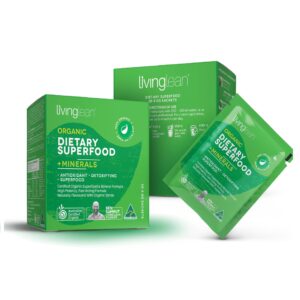
Livinglean – Organic Dietary Mineral Powder 8g x 20 sachets
Original price was: $368.00.$298.00Current price is: $298.00. Add to basket
Related Post:
![母親用滴管把少量植物藻油滴在食物匙上,幼兒坐在餐桌旁]()
A Complete Guide to Plant-Based Algae Oil Omega-3: Odorless, Vegetarian, and Suitable Omega-3 Choices for Pregnant Women and Infants
![牛樟芝子實體與膠囊製品示意]()
What is Antrodia camphorata? A complete guide to its ingredients, research evidence, and precautions for consumption.
![世界心臟日護心飲食場景,香港中年夫婦享用豆漿、豆腐、雞蛋與堅果,旁有心臟及細胞膜卡通示意]()
World Heart Day: Heart Health in Hong Kong Starts with Daily Life | What are the Benefits of Lecithin? Which of Three 1200mg Products to Choose From?
![香港關節健康洞察報告封面:中年及長者在香港步行]()
How to choose joint health supplements? 8 best-selling formulas and repurchase information help you find the right daily option.