


































































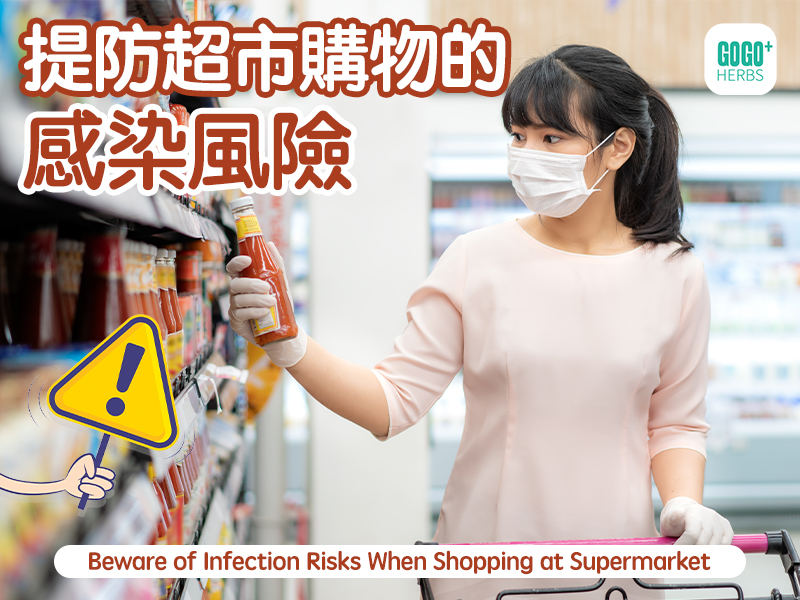
Hand hygiene and infection prevention in public places: How dirty are shopping carts, handrails, and door handles? Clean hands are key.
Supermarket shopping cart handles, escalator handrails, elevator buttons, door handles—these objects are touched by hundreds, even thousands, of people every day, making them among the most frequently used public items in daily life. Their surfaces inevitably accumulate various microorganisms, therefore...Cleaning your hands after touching surfaces and before eating is a habit that is most worth cultivating in public places.。
However, some of the suggestions circulating around this topic actually differ from official guidelines. For example, the advice that "wearing disposable gloves is an effective barrier" and "disinfect all items bought home" are practices that differ from those of the World Health Organization (WHO) and the US Centers for Disease Control and Prevention (CDC). This article clarifies four points based on information from the Hong Kong Department of Health and international official sources:How dirty are public surfaces? What is the correct way to clean your hands? Which protective measures are actually unnecessary?as well asHygiene Focus of Shopping Bags and Food。
II. How dirty are public surfaces? Let's look at the evidence.
III. Seven Steps to Clean Hands and Five Steps to Proper Handwashing
IV. Several situations where hand sanitizer cannot replace hand washing
V. Gloves are not the answer: Why it is not recommended for the public to wear gloves in supermarkets
6. Is it necessary to disinfect groceries and their outer packaging?
7. Separate shopping bags from raw and cooked food: the most often overlooked step
8. Should canned drinks be washed after opening? Debunking the "rat urine" myth.
9. In what situations should you seek medical attention as soon as possible?
10. Frequently Asked Questions (FAQ)
XI. Sources of Information
Why is hand hygiene in public places something we should take seriously?
The Centre for Health Protection of the Hong Kong Department of Health describes handwashing as a "highly cost-effective hygiene measure" and points out in several educational materials:Approximately 80% of infectious diseases are transmitted because hands are not thoroughly cleaned after touching contaminated surfaces.At the same time, please note thatA single bacterium can rapidly multiply to 16 million within six hours.This is why hand hygiene in public places deserves serious attention—not because any particular object is particularly scary, but because our hands are constantly transporting microorganisms between "contacting surfaces" and "touching our eyes, nose, and mouth."
The benefits of proper handwashing are supported by concrete figures. According to the Hong Kong Department of Health, proper handwashing...It helps reduce diarrhea-related illnesses by about 30% and respiratory infections by about 20%.It can also block the spread of up to 80% of drug-resistant bacteria within hospitals. This was announced by the World Health Organization and UNICEF in October 2025.The first "Community Environmental Hand Hygiene Guidelines"Similar conclusions have also been cited: hand hygiene can reduce diarrhea by 301 TP4T and acute respiratory infections by 171 TP4T, making it one of the most rewarding investments in the field of public health.
II. How dirty are public surfaces? Let's look at the evidence.
The claim that "public items are dirty" isn't based on intuition, but on actual measured data. Shopping carts are among the most studied public items, with studies in multiple countries detecting bacteria related to human feces or the environment on the handles and child seats.
| Research | Sampling objects | Result of the test |
|---|---|---|
| University of Arizona Shopping cart research |
Handles and child seats for shopping carts in 85 parking lots across 5 major cities. | coliform bacteria 72%The bacteria were detected in 62 shopping carts; in 35 shopping carts where the bacterial strain was confirmed,18 units (51%) tested positive for E. coli.The total number of heterotrophic bacteria in the handle and seat reached a maximum of 1.1 × 10⁷ |
| West Texas Research (2020) |
Supermarket shopping cart handles, frames, and carrying baskets | handle 50% Staphylococcus aureus and 3% were detected; Escherichia coli O157 was also detected; the bottom of the shopping basket... 96% Staphylococcus aureus was detected, along with Escherichia coli O157 (17%), Salmonella (16%), and Listeria (17%). |
| Spanish Studies (85 units in 7 supermarkets in 2019) |
Shopping cart handles and child seats | Escherichia coli 2.4%, Klebsiella pneumoniae 6.5%, and Citrobacter freundii 5.1% (all three can be isolated from human fecal samples); in addition,Shopping carts placed outdoors had a significantly higher percentage of coliform bacteria. |
Also classified as "high-contact surfaces" are elevator handrails, elevator buttons, door handles, escalator handrails, checkout counter conveyor belts, and touch screens. The Hong Kong Centre for Health Protection's handwashing guidelines directly address these issues."After touching public objects (such as elevator handrails, elevator buttons, or door handles)"This is listed as one of the times when you should wash your hands.
However, it's important to revisit an important scale here:The presence of bacteria on a surface does not mean that you will get sick after just one contact.The CDC's quantitative risk assessment indicates the risk of respiratory virus transmission via fomites.Generally less than one in ten thousand.The primary transmission routes for respiratory viruses remain droplets and aerosols. Conversely,The bacteria most closely related to the surface are intestinal pathogens.—For example, norovirus, Salmonella, and Escherichia coli O157 require low infectious doses and are relatively efficient at spreading via the "hand-to-mouth" route.
III. Seven Steps to Clean Hands and Five Steps to Proper Handwashing
There are two ways to clean your hands, and which one you choose depends on how visibly dirty your hands are – this is the standard practice of the Hong Kong Centre for Health Protection:
- When hands are visibly dirty, or stained with blood or bodily fluids:Must useWash hands with soap and water。
- When hands are not visibly dirty:AvailableHand sanitizer containing 70–80% alcoholClean hands thoroughly (this is the recommended concentration by the Hong Kong Department of Health; the WHO's community guidelines have a lower limit of 60%).
(1) Seven steps to clean hands: rubbing evenly is the key to "thorough" hand cleaning.
Hand sanitizer or hand soap is just a tool; the key is whether you thoroughly cleanse every part of your hands. The Centre for Health Protection's "Seven Steps to Clean Hands" are as follows:
- palmRub palm to palm.
- back of handPlace your palm on the back of your other hand, interlace your fingers and rub them together, alternating between the two hands.
- finger gapRub palm to palm, fingers interlaced.
- Back of fingersInterlock your fingers and rub the back of your fingers against the palm of your other hand.
- thumbGrasp the thumb of one hand and rotate and rub it, alternating between the two hands.
- fingertipRub your fingertips back and forth in the palm of your other hand, alternating between the two hands.
- wristHold your wrist and rotate and rub it, alternating between both hands.
The entire kneading processMaintain for at least 20 secondsOnly then can it be thoroughly cleaned.
(2) Five steps to proper handwashing
- Wet your hands with water (you can pull your sleeves up to your elbows first).
- Add the lye solution and rub your hands together for at least 20 seconds following the seven steps above.
- Rinse thoroughly with water.
- Dry your hands with paper towels (avoid sharing hand towels).
- If the faucet is not automatic or foot-operated, turn it off with a paper towel.
(3) When should you wash your hands?
According to the Hong Kong Centre for Health Protection, the public should wash their hands promptly in the following situations to effectively prevent the spread of pathogens:
- Before contact with eyes, nose and mouth;
- Before eating and handling food;
- After using the restroom;
- When hands are contaminated with respiratory secretions (such as after sneezing or coughing);
- After changing diapers for young children or patients, or after handling contaminated items;
- After contact with animals, poultry, or their feces;
- After disposing of the garbage;
- After touching public objects (such as elevator handrails, elevator buttons, or door handles);
- Before and after visiting hospitals, nursing homes, or caring for patients;
- Whenever you notice your hands are dirty.
The Centre for Food Safety's "Hand Hygiene" guidelines also specifically mention..."After disposing of dirty items such as money and trash"List these situations as requiring handwashing; and remind people that...Before putting on gloves and after taking off glovesYou also need to wash your hands.
IV. Several situations where hand sanitizer cannot replace hand washing
Alcohol-based hand sanitizers are convenient and effective, but they are not a panacea. The US CDC clearly states that...Soap and water are more effective than hand sanitizer in removing certain pathogens.Hand sanitizers also have their limitations:
| Wash hands with soap and water | alcohol hand sanitizer | |
|---|---|---|
| Applicable situations | Hands that are visibly dirty, stained with blood or bodily fluids, have touched raw meat or garbage, after using the toilet, or before or after handling food. | When hands are not visibly dirty |
| alcohol concentration | — | Hong Kong Department of Health recommends 70–80%WHO community guidelines lower limit is 60% |
| Combating Norovirus | efficiently | IneffectiveIt cannot replace handwashing |
| To deal with grease and dirt | efficiently | Poor results |
| Remove chemicals (such as pesticides and heavy metals). | Can be flushed away | It may not be able to remove |
inNorovirusThis is the most important point to remember. The CDC states that "hand sanitizer is not very effective against norovirus," and hand sanitizer should only be used as a supplement.Washing hands with soap and water is the most reliable method.Norovirus is one of the most common pathogens causing acute gastroenteritis. It is highly contagious, and alcohol-based hand sanitizers or wet wipes are not very effective against it—especially in places like schools and nursing homes.
Two additional practical tips: Hand sanitizer should be used in the following situations:Rub your hands together until they are completely dry.Only then is it considered complete; however, hand sanitizer is a household chemical.It should be placed out of reach of young children.To avoid accidental ingestion.
V. Gloves are not the answer: Why it is not recommended for the public to wear gloves in supermarkets
Many people wear disposable rubber gloves when shopping, believing that an extra layer of protection makes them safer. However, the WHO has a clear stance on this practice—Wearing gloves as a preventative measure is not recommended for the public in public places such as supermarkets.The WHO explained in its official Q&A:
- The public should use gloves in public places.This is not a recommended or proven effective preventative measure.;
- Wear glovesIt cannot replace hand hygieneWearing gloves will not provide further protection after proper hand hygiene has been achieved.
- GlovesIt is impossible to completely avoid hand contamination.Pathogens may come into contact with hands through tiny defects in the gloves, or they may contaminate hands during the removal of gloves.
The CDC's guidelines for "running essential errands" focus primarily on hand hygiene:Wipe the handlebars with disinfectant wipes, avoid touching your face, and use hand sanitizer.—Gloves are not recommended. Related research also shows that the process of removing contaminated gloves can easily cause contamination itself; one study documented this.Nearly 60% of glove removal actions result in skin or clothing contamination.。
The biggest problem with gloves is actually"False sense of security"Wearing gloves actually makes people more likely to touch their face, phone, and wallet, transferring microorganisms onto these items. In contrast,Hands can be washed at any time, but gloves cannot.Unless you keep changing them, gloves only "temporarily store" microorganisms on your hands.
6. Is it necessary to disinfect groceries and their outer packaging?
Another common recommendation is to "sterilize the packaging of each item you buy." The WHO's official Q&A states:There is no evidence that the virus can transmit respiratory diseases through food or food packaging.Viruses cannot multiply in food; respiratory viruses are mainly transmitted through droplets between people.
The CDC's position is also worth considering. It points out that in most cases,Daily cleaning with soap and water or detergent is sufficient; additional disinfection may not be necessary.; and use "Hygiene TheaterThe text describes excessive disinfection practices as seemingly reassuring, but potentially creating a false sense of security. A quantitative risk assessment cited by the CDC further indicates that...Surface disinfection once or twice a day offers limited help in reducing the estimated risk of infection; conversely, good hand hygiene can significantly reduce the risk of transmission through contaminated surfaces.
In addition, for disinfectants to be effective, they need to...Keep the surface moist for a period of time(It usually takes several minutes), and wiping it off immediately afterward has very limited effect; excessive or improper use of disinfectants may also irritate the respiratory tract and trigger asthma attacks, and there is a risk of accidental ingestion if there are young children at home.
In practice, this can be done as follows:
- Wash your hands first.Prioritizing handwashing after shopping and before eating is more effective than disinfecting each package individually.
- The outer packaging can be wiped with water or a damp cloth.If you feel uneasy about the packaging of dry goods, wiping it with a damp cloth is sufficient; there is no need to use disinfectant.Washing cardboard packaging can cause the material to become damp.On the contrary, they are more likely to break, so it's not worth it.
- Fruits and vegetables should be washed just before consumption.Rinsing thoroughly with running water is more appropriate than washing before storing.
- Refrigerate the food as soon as possible.According to the Hong Kong Centre for Food Safety's "Five Keys to Food Safety," cooked food and perishable food should be...Within two hoursPlace in the refrigerator; keep in the cooler compartment at 4 degrees Celsius or below (for hot food, keep above 60 degrees Celsius).
7. Separate shopping bags from raw and cooked food: the most often overlooked step
Compared to shopping cart handles,Shopping bags are actually a more noteworthy aspect.Because it travels back and forth between markets, supermarkets, and homes, and most people never clean it. Related research (Gerba et al., a team from the University of Arizona) has found the following:
- From reusable bags recycled by consumersColiform bacteria and Escherichia coli are frequently detected.Brand new, unused bags cannot be detected.
- When meat juices remain inside the bag, bacteria can multiply rapidly—especially in…Warm environment such as the trunk;
- Among the consumers surveyed in the study,Up to 97% of reusable shopping bags have never been washed.;
- The good news is:Mechanical cleaning or hand washing can significantly reduce the number of bacteria inside the bag.。
The Hong Kong Centre for Food Safety's "Five Keys to Food Safety" also directly addresses this point:
- Raw meat, poultry, and seafood should be kept separate from other foods in shopping carts and bags.To prevent the juice from contaminating other foods;
- Food and chemical products must be packaged in separate bags;
- Choose pre-packaged and canned foods first, and then choose raw meat, poultry, and seafood last.;
- When purchasing, take dry goods first, and then take refrigerated and chilled foods before checking out, in order to shorten the time that food stays in the "dangerous temperature range" (4 to 60 degrees Celsius);
- If a long travel time is anticipated, perishable foods should be kept cold with ice packs.
8. Should canned drinks be washed after opening? Debunking the "rat urine" myth.
"If you drink a can contaminated with rat urine, you will contract a deadly disease"—this message has been circulating in the United States since 2002, and has since appeared in various places in different versions, such as "a woman in a certain place died after drinking Coca-Cola".Both Xinhua News Agency and local science and technology associations have verified that this claim is a rumor.The main reasons are as follows:
- The disease in question isLeptospirosis(Commonly known as "rat urine disease"). Leptospira.They can only survive for a few minutes after being removed from water.It is quite difficult for it to survive on a dry aluminum can surface;
- The route of infection for Leptospira isContact with contaminated water or soil through broken skin or mucous membranesInstead of through the digestive tract;
- The US CDC has previously clarified similar rumors, stating that...No cases of infection from canned beverages have been found.。
That being said,It's still a good habit to check the can when shopping.—This isn't to prevent "rat urine," but rather a routine recommendation from the Centre for Food Safety: the can of canned food...There should be no dents, bulges, damage, or rust.Bottled food bottles should not have cracks or loose caps; do not buy food that has expired.
9. In what situations should you seek medical attention as soon as possible?
Good hand hygiene can reduce the risk of infection, but it cannot replace medical care. If you experience any of the following symptoms after being in a public place, seek medical attention as soon as possible:
Seek medical attention immediately if you experience any of the following symptoms:
- Gastrointestinal symptoms:Severe vomiting or diarrhea, persistent high fever, and lethargy.
- Signs of dehydration:Dry mouth, sunken eyes, significantly reduced urine output, and decreased skin elasticity.
- Respiratory symptoms:Difficulty breathing, chest pain, and persistent high fever.
- High-risk individuals:The elderly, young children, pregnant women, those with weakened immune systems, or those suffering from chronic diseases should seek medical attention as soon as symptoms appear.
When the above symptoms appearYou should not take medication on your own.Medications related to vomiting and diarrhea should be used under the guidance of healthcare professionals. If you have a chronic illness or are currently taking prescription medications, please consult your doctor or pharmacist first.
10. Frequently Asked Questions (FAQ)
Q1: Do I have to wear gloves when I go to the supermarket?
The WHO does not recommend that the public wear gloves in public places such as supermarkets as a preventive measure, because it can neither replace hand hygiene nor completely avoid contamination, and it can easily bring a "false sense of security".Focusing on hand hygiene is more practical.Cleaning your hands before and after shopping, and before eating, will make your shopping more efficient. If you wear gloves for handling raw meat or cleaning, remember to wash your hands before putting them on and after taking them off, and avoid touching your face or phone with gloved hands.
Q2: Can alcohol-based hand sanitizer completely replace hand washing?
No. The Hong Kong Centre for Health Protection recommends that...Hands must be washed with soap and water when they are visibly dirty or stained with blood or bodily fluids.Hand sanitizer containing 70–80% alcohol should only be used when there is no obvious dirt. Furthermore,Hand sanitizer is not very effective against norovirus.When facing seasons or places where gastroenteritis is prevalent, washing hands with soap and water is more reliable.
Q3: Do I need to disinfect each item I buy after bringing it home?
No need. The WHO points out that there is no evidence that the virus can transmit respiratory illnesses through food or food packaging; the CDC also believes that routine cleaning is sufficient and additional disinfection is not necessarily required. To clean the outer packaging of dry goods, simply wipe it with water or a damp cloth.Focusing on "washing hands after shopping, washing hands before eating, and refrigerating food as soon as possible" aligns better with official guidelines.。
Q4: Are there really that many bacteria in supermarket shopping carts?
Studies in multiple countries have indeed detected coliform bacteria, Escherichia coli, and Staphylococcus aureus on shopping cart handles and children's seats.However, "detecting bacteria" does not mean "you will get sick after just one exposure".The risk of respiratory virus transmission via surfaces is generally less than one in ten thousand. Therefore, the conclusion is not that you shouldn't touch them, but rather...Wash your hands after touching it and don't touch your face.。
Q5: How often should reusable shopping bags be washed?
suggestionClean after each useOr at least wash them regularly. Studies show that the vast majority of consumers never wash their reusable shopping bags, and the residual meat juices inside allow bacteria to multiply rapidly; both machine washing and hand washing can significantly reduce bacterial counts. Furthermore, raw meat should be wrapped in a disposable plastic bag before being placed in the reusable shopping bag, and...Don't leave reusable bags in the trunk of your car for extended periods.。
Q6: Are there any precautions to take when letting children sit in the shopping cart seat?
The child seat in the shopping cart is one of the locations where bacteria are most frequently detected in the study.It is recommended to clean your hands first, then have the child sit down.During and after shopping, children's hands should be cleaned as soon as possible to prevent them from eating or putting their hands in their mouths in the car. If children are in the hand-mouth exploration stage, you can bring your own wet wipes to wipe the seat surfaces first.
Q7: Do canned beverages need to be cleaned after opening?
The claim that "rat urine on the top of a jar can be fatal" is a long-standing rumor that has been clarified by officials.However, if the can is covered in dust or dirt, rinsing or wiping the top of the can before drinking is a reasonable hygiene practice.When purchasing, you should also check the can for dents, bulges, damage or rust, and pay attention to the expiration date.
XI. Sources of Information
- Centre for Health Protection, Department of Health, Hong Kong:Proper handwashing(Handwashing is a key measure to prevent the spread of disease; the roles of soapy water and alcohol hand sanitizers (70–80%); seven steps to handwashing)
- Centre for Health Protection, Department of Health, Hong Kong:Hand hygiene topic(Handwashing resources, demonstration videos and posters)
- Hong Kong Government Press Release (Department of Health):Respond to World Hand Hygiene Day by cleaning hands promptly and properly to prevent the spread of infectious diseases.(Approximately 80% of infectious diseases are transmitted through contaminated surfaces; a single bacterium can multiply to 16 million in six hours; handwashing can reduce diarrhea by about 30% and respiratory infections by about 20%; ten opportunities to wash hands)
- Hong Kong Government Press Release (Department of Health):The Department of Health is responding to "World Hand Hygiene Day" by calling on citizens to "clean their hands together to protect their health."(Preventing the spread of antibiotic-resistant bacteria, seven steps to hand hygiene, and washing hands after touching public objects)
- Hong Kong Centre for Food Safety:Five key points for food safety – purchasing(Separate raw and cooked foods in shopping carts and bags; take dry goods first, then refrigerated goods; use ice packs to keep things cool; inspect cans and packaging.)
- Hong Kong Centre for Food Safety:Five Key Points for Food Safety(Refrigerated cooked food and perishable food within two hours, refrigerator temperature)
- Hong Kong Centre for Food Safety:Hand hygiene (PDF)(A list of times to wash hands, including after handling money and trash; handwashing steps)
- World Health Organization:Q&A: Precautions for cleaning and disinfecting environmental surfaces in non-hygiene environments(The reason why it is not recommended for the public to wear gloves in supermarkets; there is no evidence that the virus can transmit respiratory diseases through food or food packaging.)
- World Health Organization/UNICEF:Guidelines on hand hygiene in community settings (2025)與Release press release(First global community hand hygiene guidelines; reduce by 301 TP4T for diarrhea, reduce by 171 TP4T for acute respiratory infections; lower limit for alcohol hand sanitizer is 601 TP4T)
- U.S. Centers for Disease Control and Prevention (CDC):Science Brief: SARS-CoV-2 and Surface (Fomite) Transmission(The risk of transmission via contaminants is generally less than one in ten thousand; hand hygiene can significantly reduce the risk, while surface disinfection once or twice a day has a limited impact.)
- U.S. Centers for Disease Control and Prevention (CDC):How to prevent Norovirus(Hand sanitizer is not very effective against norovirus; washing hands with soap and water is more reliable.)
- U.S. Centers for Disease Control and Prevention (CDC):Hand Sanitizer Facts(Recommended alcohol concentration: 601 TP 1T, 951 TP 4T; soap and water are more effective against some pathogens; hand sanitizer is less effective when hands are visibly dirty; risk of accidental ingestion)
- University of Arizona:Bacterial contamination of shopping carts and approaches to control(85 shopping carts; Coliform bacteria 72%, Escherichia coli 51%)
- Carrascosa C, et al. (2019), Journal of Applied Animal Research:Is the use of supermarket trolleys microbiologically safe?(85 shopping carts from 7 supermarkets in Spain; E. coli 2.41 TP4T, Klebsiella pneumoniae 6.51 TP4T, Citrobacter freundii 5.11 TP4T; high levels of E. coli were found in outdoor vehicles)
- Food Protection Trends (2020):Microbial Contamination of Grocery Shopping Trolleys and Baskets in West Texas(Detection rates of Staphylococcus aureus, Escherichia coli O157, Salmonella, and Listeria in the handle and shopping basket)
- Sinclair RG, Gerba CP, et al. (2016), Food Protection Trends:Efficacy of Treatment of Reusable Grocery Bags with Antimicrobial Silver to Reduce Enteric Bacteria (PDF)(E. coli and E. coli were found in the eco-friendly bags; meat juice promotes bacterial growth; most consumers never wash them; washing can significantly reduce bacteria.)
- "Science Popularization Truth" by the Science and Technology Association of Ningxia Hui Autonomous Region, China:Debunking the Rumor: Rat Urine on a Coke Can(Leptospira can only survive for a few minutes out of water and infect through the skin and mucous membranes rather than the digestive tract; the CDC has no cases of infection via canned beverages.)
- Xinhua News Agency:Is it true that aluminum cans contaminated with rat urine can become "deadly drinks"? This rumor has been circulating for 16 years.
Health Disclaimer:The content of this article is for public health knowledge reference only.This does not constitute any diagnosis, medication, or medical advice, nor can it replace the professional judgment of a doctor, pharmacist, or other healthcare professional.Handwashing and environmental hygiene are routine hygiene practices and cannot replace vaccines, medications, or regular medical care. If you experience persistent diarrhea, vomiting, fever, or other discomfort, please seek medical attention promptly. Elderly individuals, young children, pregnant women, those with weakened immune systems, and those with chronic illnesses or taking prescription medications should consult healthcare professionals if they have any questions.
Related Post:
![牛樟芝子實體與膠囊製品示意]()
What is Antrodia camphorata? A complete guide to its ingredients, research evidence, and precautions for consumption.
![世界心臟日護心飲食場景,香港中年夫婦享用豆漿、豆腐、雞蛋與堅果,旁有心臟及細胞膜卡通示意]()
World Heart Day: Heart Health in Hong Kong Starts with Daily Life | What are the Benefits of Lecithin? Which of Three 1200mg Products to Choose From?
![香港素食保健品洞察報告封面:均衡植物性餐桌與閱讀補充品標籤]()
Vegetarian Health Supplement Buying Guide: 8 Best-Selling Products, From Bacterial Strains and Plant Extracts to Daily Nutrition
![香港女士在家規劃日程與Jamieson維柏健Kirkland維他命B12產品]()
Where to choose Vitamin B12 in Hong Kong? Supplementation and testing guidelines for memory loss, fatigue, and numbness in the hands and feet.





