

























































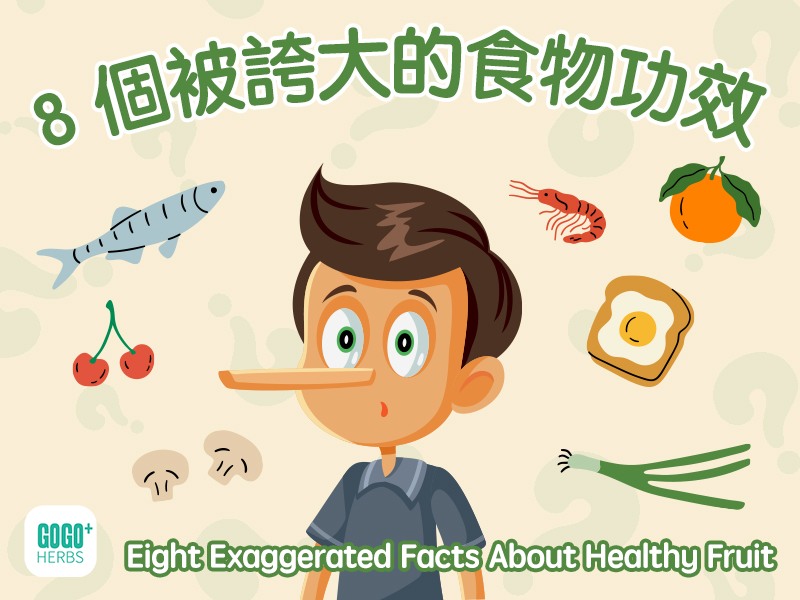
Various claims about the health benefits and even beauty-enhancing effects of certain foods circulate online, but these claims are often specious and it's difficult to ascertain their true effectiveness. In reality, most foods are indeed beneficial to the body, but once digested, they are converted into nutrients and absorbed by the intestinal wall. Claims that a particular food can have specific effects on a particular organ or bodily function are likely exaggerations and should not be trusted.
Eight common misconceptions or exaggerated claims about the health benefits of food
HEHO has compiled eight common claims about the health benefits of food. These claims are either completely unfounded or their actual effects are far less miraculous than claimed. We hope this will help you avoid believing online rumors and wasting time and ingredients.
1. Can eating celery lower blood pressure?
Celery is often called a "kitchen medicine," with its most widely circulated function being lowering blood pressure. While celery is rich in dietary fiber and has a higher potassium content than most vegetables, which does help stabilize blood pressure, this is at most a "supportive effect" and cannot achieve the blood pressure-lowering effect required by patients with hypertension. Therefore, one should never rely solely on eating celery to control blood pressure, especially for patients with severe hypertension.
II. Eating collagen canskincare?
Online sources often claim that consuming collagen can improve skin health and beauty, leading to foods rich in collagen, such as pig's feet, trotters, beef tendons, and tripe, being frequently regarded as miracle cures for whitening and skincare. However, in reality, both natural collagen from food and commercially available edible collagen products are essentially proteins. Once in the body, these proteins are digested and broken down into amino acids, making them no different from ordinary proteins. The proportion that actually reaches the skin is negligible, and they have absolutely no whitening or skincare benefits.
3. Can eating papaya increase breast size?
It's widely believed that eating papaya can enlarge breasts, especially the popular claim of green papaya stewed with pork ribs. Some businesses have even launched green papaya drinks marketed as having breast-enhancing properties, but these claims are completely unfounded. The idea that papaya can enlarge breasts is mainly based on the belief that papaya contains a large amount of papain and vitamin A, which can stimulate...female hormonesPapain is secreted. However, papain itself is a protein, and after entering the stomach, it will be broken down by pepsin. It is impossible for it to reach the breasts in an intact and active state to exert its effect and make the breasts fuller.
IV. Can eating cashews strengthen the waist and kidneys?
The claim that cashews can nourish the kidneys has been circulating online for a long time. Even Wikipedia mentions that cashews can "nourish the brain and blood, and strengthen the kidneys and spleen," but in fact, cashews have no such effects at all. Don't be misled into thinking that a food can strengthen the waist and kidneys just because its name contains the word "waist."
5. Can eating black sesame seeds turn gray hair black?
It's widely circulated online that eating black sesame seeds or Polygonum multiflorum (He Shou Wu) can help turn gray hair black and solve the annoying problem, but in reality, these methods are useless. When the melanocytes in the hair follicles age and can no longer produce melanin, gray hair will grow; this is an irreversible process. Eating more black sesame seeds and white Polygonum multiflorum (extracted from Polygonum multiflorum) to supplement zinc, iron, and other trace elements can at most prevent premature graying; it cannot turn gray hair that has already grown black again.
6. Can eating red dates replenish blood?
Many people believe that eating red dates canBlood replenishmentWomen, especially during menstruation, often eat red dates to supplement iron and promote blood production. However, this claim is likely to disappoint. The iron in plant-based foods like red dates is "non-heme iron," characterized by extremely low absorption rates, typically only 11 TP4T~51 TP4T. Furthermore, it is easily interfered with by dietary fiber in staple foods, oxalic acid in vegetables, and phytic acid in legumes. Therefore, eating red dates for iron supplementation is very ineffective. Compared to the "heme iron" found in red meat, its absorption rate is approximately ten times lower.
7. Can eating wood ear mushrooms cleanse the lungs?
Online sources claim that regularly eating wood ear mushrooms can cleanse the lungs because they are rich in fiber and plant colloids, which supposedly have a lung-moistening effect. However, this claim confuses the concepts of Traditional Chinese Medicine (TCM). In TCM, "cleansing the lungs" actually refers to clearing lung heat (lung fire), or "reducing internal heat," and has nothing to do with the modern medical concept of clearing lung pollutants. Food ingested by humans is digested and absorbed through the digestive tract before entering the bloodstream, while airborne pollutants enter the lungs through the trachea. The two have no opportunity to come into contact, therefore wood ear mushrooms cannot cleanse the lungs at all.
8. Can eating leeks enhance male virility?
Li Shizhen, in his *Compendium of Materia Medica*, recorded that "leek seeds nourish the liver and kidneys, and treat frequent urination and bedwetting," but made no mention of leeks having aphrodisiac effects. Some believe leeks have aphrodisiac properties based on their zinc content, but the zinc content in leeks is quite low, even lower than in shiitake mushrooms. While moderate consumption of leeks can improve immunity, from a modern nutritional perspective, leeks are not actually closely related to aphrodisiac effects.
Related Products:
-
Sale!

GINAX – Ginseng Tea Bag / Ginseng White Tea Rose Tea Bag | 1bag
Original price was: $13.00.$10.00Current price is: $10.00. 選擇規格 This product has multiple variants. The options may be chosen on the product page -
Sale!

GINAX – Manuka Honey UMF™ 5+ 30g
Original price was: $30.00.$25.00Current price is: $25.00. Add to basket -
Sale!
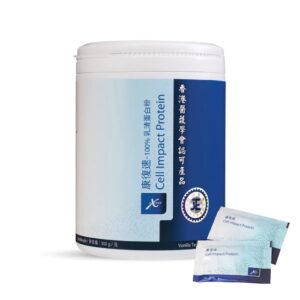
Single 10% off】aXimed – Recovery Speed 100% Whey Protein Powder 30 sachets
Original price was: $558.00.$502.00Current price is: $502.00. Add to basket -
Sale!
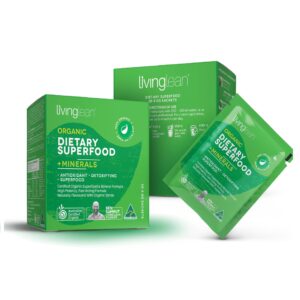
Livinglean – Organic Dietary Mineral Powder 8g x 20 sachets
Original price was: $368.00.$298.00Current price is: $298.00. Add to basket
Related Post:
![母親用滴管把少量植物藻油滴在食物匙上,幼兒坐在餐桌旁]()
A Complete Guide to Plant-Based Algae Oil Omega-3: Odorless, Vegetarian, and Suitable Omega-3 Choices for Pregnant Women and Infants
![牛樟芝子實體與膠囊製品示意]()
What is Antrodia camphorata? A complete guide to its ingredients, research evidence, and precautions for consumption.
![世界心臟日護心飲食場景,香港中年夫婦享用豆漿、豆腐、雞蛋與堅果,旁有心臟及細胞膜卡通示意]()
World Heart Day: Heart Health in Hong Kong Starts with Daily Life | What are the Benefits of Lecithin? Which of Three 1200mg Products to Choose From?
![香港成年人在家閱讀與休息,從日常習慣開始理解腦部健康]()
Fish oil, mini capsules, or B12? Formulas and daily choices for 8 best-selling brain health products.