





























































As average life expectancy continues to increase, improving the quality of life in old age has become a major concern. Memory decline, cardiovascular disease, and other problems frequently plague the health of modern people. However, recent scientific studies have shown that diet not only satisfies hunger but also plays a crucial role in nutritional supplementation and health improvement. Many everyday foods are related to…Cardiovascular healthMaintaining and improving mental well-being are closely related. The following will review authoritative research findings on diet and health from the past two years.
Grapes and blueberries enhance memory, and the key lies in "polyphenolic compounds".
A study published in *The Journals of Gerontology* suggests that polyphenolic compounds, abundant in grapes and blueberries, may significantly help improve memory decline in older adults. A research team from France and Canada found that participants who supplemented with extracts of these polyphenolic compounds experienced significant improvements in cognitive performance after six months. In the case of participants with the most severe cognitive decline, the cognitive age even reversed by nearly 14 years after taking the extracts.
Furthermore, a study published in *Nature Communications* by Edith Cowan University in Australia further confirms the benefits of polyphenols to the human body. This study shows that regularly consuming foods rich in polyphenols (such as apples and tea) can reduce the likelihood of dying from cancer and heart disease. In fact, polyphenols are quite common in our daily diet; a cup of tea, an apple, an orange, or 100 grams of blueberries or 100 grams of broccoli all contain more than 500 milligrams of polyphenolic compounds.
Plant protein reduces the risk of cancer, cardiovascular disease, and overall mortality.
A study published in JAMA Internal Medicine by researchers at Japan’s National Cancer Center and Public Health Center shows that plant protein has significant health benefits, and that replacing red and processed meats with plant or fish protein can help extend lifespan.
Research data shows that compared to those who consumed the least plant protein, those with the highest intake had a 131 TP4T lower risk of total mortality. Replacing 31 TP4T of calories from red meat with plant protein reduced the risk of total mortality by 341 TP4T, the risk of cancer death by 391 TP4T, and the risk of cardiovascular disease death by 421 TP4T. When replacing processed meat with plant protein, the risk of total mortality decreased by 461 TP4T, and the risk of cancer death decreased by 501 TP4T.
Improvement through a high-fiber dietCardiovascular metabolismDisease symptoms
A study presented at the 2019 American College of Cardiology (ACC) Middle East Meeting and the 10th UAE Cardiology Conference showed that a high-fiber diet can effectively improve blood pressure, cholesterol, and fasting blood glucose levels in patients with hypertension and type 2 diabetes.
Researchers conducted a six-month follow-up study on 200 adults with hypertension and type 2 diabetes. During the trial, participants adhered to a low-glycemic index diet while increasing their daily fiber intake by 201 TP4T to 251 TP4T, forming a "high-fiber diet" pattern. After six months, the participants who maintained this dietary adjustment showed significant improvements in their health, with systolic blood pressure decreasing by 151 TP4T, serum cholesterol decreasing by 91 TP4T, glycated hemoglobin decreasing by 151 TP4T, and fasting blood glucose decreasing by 281 TP4T.
Researchers explain that dietary fiber can bind to cholesterol particles in the digestive system and excrete them before they are absorbed by the body, thereby lowering overall cholesterol levels and indirectly reducing cholesterol absorption. At the same time, a high-fiber diet can increase satiety, reduce calorie intake, and help...Glucose stabilisation。
Based on the findings of multiple studies over the past two years, the population consuming the most plant-based foods had a 161 TP4T lower risk of cardiovascular diseases such as heart disease, stroke, and heart failure; a 321 TP4T lower risk of dying from cardiovascular disease; and a 251 TP4T lower risk of all-cause mortality compared to the population consuming the least plant-based foods. Therefore, for those wishing to prevent cardiovascular disease, it is recommended to consume more plant-based foods such as vegetables, nuts, whole grains, fruits, and legumes, while reducing the intake of animal-based foods.
Related Products:
-
Sale!
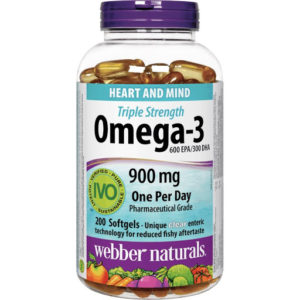
Webber Naturals – Triple Strength Omega-3 (900mg EPA / DHA) 200 capsules Value Pack
Original price was: $398.00.$280.00Current price is: $280.00. Add to basket -
Sale!

Kirkland Signature – Omega-3 Ultra Concentrated Deep Sea Fish Oil Capsules 1300mg 330 Capsules
Original price was: $350.00.$298.00Current price is: $298.00. Add to basket -
Sale!
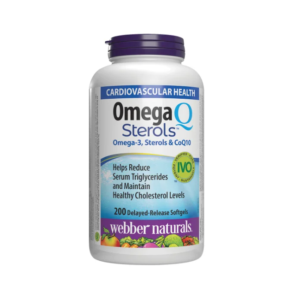
Vebogen – Omega 3 & Coenzyme Q10 & Phytosterols 200 Capsules
Original price was: $290.00.$245.00Current price is: $245.00. Add to basket -
Sale!

Webber Naturals – Omega-3 Mini Fish Oil Capsules 300mg 220 Softgels
Original price was: $198.00.$168.00Current price is: $168.00. Add to basket
Related Post:
![母親用滴管把少量植物藻油滴在食物匙上,幼兒坐在餐桌旁]()
A Complete Guide to Plant-Based Algae Oil Omega-3: Odorless, Vegetarian, and Suitable Omega-3 Choices for Pregnant Women and Infants
![牛樟芝子實體與膠囊製品示意]()
What is Antrodia camphorata? A complete guide to its ingredients, research evidence, and precautions for consumption.
![世界心臟日護心飲食場景,香港中年夫婦享用豆漿、豆腐、雞蛋與堅果,旁有心臟及細胞膜卡通示意]()
World Heart Day: Heart Health in Hong Kong Starts with Daily Life | What are the Benefits of Lecithin? Which of Three 1200mg Products to Choose From?
![香港關節健康洞察報告封面:中年及長者在香港步行]()
How to choose joint health supplements? 8 best-selling formulas and repurchase information help you find the right daily option.