

































































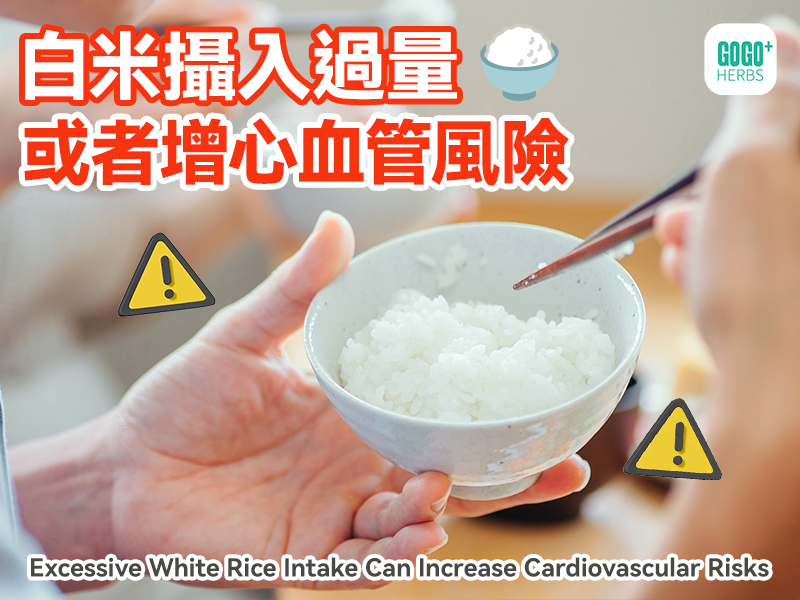
"Does consuming more refined grains increase the risk of cardiovascular disease and death?" This question has gained attention in recent years due to a large-scale study spanning 21 countries. Published in the British Medical Journal (BMJ) in February 2021, this study was part of the nutritional analysis section of the PURE study (Prospective Urban and Rural Epidemiology), covering 148,858 participants across five continents.
Let me first point out a key point that is easily overlooked: many accounts circulating online portray this event as "White rice"Eating too much can damage the cardiovascular system," but the actual conclusion of research is...Excessive consumption of refined grains is associated with an increased risk, while no significant association was found between white rice and whole grains in the fully adjusted analysis.In other words, the main products are refined wheat products (white bread, white noodles, instant cereal, biscuits, etc.), rather than white rice.
This article will fully explain what this study entailed, the actual figures, the difference between "refined grains" and "whole grains," and summarize Hong Kong's official recommendations on grains and feasible everyday alternatives. If you would like to first understand the definition of whole grains (e.g., whether corn counts as a whole grain), you can first read <Is millet a whole grain? The impact of insufficient consumption of whole grains and miscellaneous grains.To learn how the six food categories are classified and portion sizes allocated, see <Balanced Diet: Understanding the Six Food Groups〉。
Let me clarify the positioning first: This article belongs to...General Nutrition and Research Information,This does not constitute advice for the diagnosis, treatment, or prevention of any disease.If you have a chronic illness (especially diabetes, cardiovascular disease, or kidney disease), please consult your doctor or registered dietitian before adjusting your diet.
To sum it up: What did this study find?
The core findings of this study can be summarized in three points:
- The group that consumed the most refined grains had a significantly higher risk.Compared to people who consume less than 50 grams of refined grains per day, people who consume 350 grams or more (about 7 to 10 servings) per day...High risk of all-cause mortality (27%), high risk of major cardiovascular events (33%), and high risk of stroke (47%)。
- White rice and whole grains showed no significant association in the fully adjusted analysis.The study found no significant relationship between white rice intake and health outcomes, nor did it find a significant relationship between whole grain intake and health outcomes.
- The research team's conclusion is clear: reducing refined wheat products and increasing the proportion of whole grains should be encouraged.At the same time, reduce the "quantity" of carbohydrates and improve their "quality".
One point to emphasize here:This is an observational study.It shows that "the group with higher intake also had higher risk."CorrelationRather than providing causal evidence that "eating refined grains directly causes cardiovascular disease," observational studies cannot completely rule out the influence of other lifestyle factors, a limitation that the research team repeatedly emphasized in their paper.
How was this research conducted?
Clearly explaining the research design will help you determine the reliability of the results. The following figures are all from the paper itself (BMJ 2021;372:m4948):
- Research typeProspective cohort study (PURE study)
- CoverageFive continents, 21 countries (including high-, upper-middle-, lower-middle-, and low-income countries)
- Number of participants148,858 adults aged 35 to 70
- Follow-up time:Median follow-up was 9.5 years.(Recruitment for the study began in 2003, with follow-up until 2019.)
- Intake assessmentFood frequency questionnaires validated by each country were used to assess the daily intake of refined grains, whole grains, and white rice.
- Primary endpointThe composite endpoint of death or major cardiovascular event (death from cardiovascular cause, non-fatal myocardial infarction, stroke, or heart failure).
After excluding 11,728 participants who had cardiovascular disease at baseline, the actual number included in the analysis was [number missing]. 137,130 peopleDuring the follow-up period, some of these people... 9.2% (12,668 people)The aforementioned composite endpoint event occurred.
A common misrepresentation is writing "each person was followed for 16 years" instead of "the study spanned from 2003 to 2019". The correct statement is: the overall recruitment and follow-up period for the study was approximately 16 years, but...The median follow-up time for each participant was 9.5 years.。
What are "refined grains"? How do they differ from whole grains?
The structure of grains is divided into three parts: the outer layerBranThe middleEndospermWith the coregermDietary fiber, B vitamins, vitamin E, magnesium, iron, zinc, and other nutrients are mostly concentrated in the bran and germ; the endosperm is mainly composed of starch.
The so-called "Refined grains"Endosperm" refers to grain products where the bran and germ are removed during milling, leaving only the endosperm—thus, a large amount of fiber and micronutrients are lost, leaving mainly starch. In contrast, "Whole grains"" refers to grains that retain the bran, germ, and endosperm in a proportion similar to that of the original grain.
| category | definition | Common examples |
|---|---|---|
| Refined grains | Removed bran and germ, low in fiber. | White bread, white noodles and pasta, instant breakfast cereals, corn chips, biscuits, various baked desserts, white rice |
| Whole grains | The bran, germ, and endosperm are retained in proportions similar to those of the original grain. | Whole wheat bread is made with whole wheat flour, brown rice, oats (wheat bran), rye, barley, buckwheat, millet, sorghum, quinoa, and whole corn flour. |
The definition of refined grains in the study specifically refers to...Wheat products or flourWhite rice was analyzed as a separate category because nearly two-thirds of the participants in the PURE study lived in Asia, where rice is a staple food—mixing white rice into the "refined grains" category would obscure the difference between the two.
Research findings: How much higher is the risk for the group with the most refined grains?
The study divided participants into five groups based on their refined grain intake. After multiple adjustments,The group with the highest intake (350 grams or more per day, approximately 7 to 10 servings)與The lowest group (less than 50 grams per day)In comparison, the risks are as follows:
| Health Outcomes | Hazard ratio (HR, 95% confidence interval) | Conversion |
|---|---|---|
| All-cause death | 1.27 (1.11–1.46) | High 27% |
| Non-cardiovascular death | 1.31 (1.10–1.56) | High 31% |
| Major cardiovascular events | 1.33 (1.16–1.52) | High 33% |
| stroke | 1.47 (1.22–1.77) | High 47% |
| Composite endpoint of death and cardiovascular events | 1.28 (1.15–1.42) | High 28% |
In addition, the study also calculated the effect of "each additional 50 grams of refined grains": the risk ratio for the composite endpoint was... 1.02 (1.01–1.03)—The magnitudes are small, but the trend is consistent. This indicates a correlation between risk and intake.dose-response relationshipIt doesn't just suddenly appear at a certain threshold.
Blood pressure: The group that consumed more refined grains had higher blood pressure.
The study measured both blood pressure and blood lipids. The results showed that...Participants with higher refined grain intake had significantly higher average systolic and diastolic blood pressure.(Systolic blood pressure is the larger number, such as 120 in 120/80 mmHg; diastolic blood pressure is the smaller number.)
Regarding blood lipids, the study concluded that:No clinically relevant differences in blood lipids were observed.In other words, this study supports the idea that "refined grains are associated with blood pressure and cardiovascular events," rather than that "refined grains directly change blood lipid levels"—these two things are often confused when relayed, so it's worth noting.
Regional differences: Mainland China has the highest per capita intake of refined grains.
The study lists the median intake for each region, with several sets of figures being particularly relevant for readers in Hong Kong:
- The average daily refined grain intake per person in mainland China is 225 grams.It is the highest among all regions; the same set of data shows that the per capita whole grain consumption in mainland China is only... 38 grams/day。
- South Asians consume an average of 612 grams of white rice per day.It is the region with the highest white rice consumption; the average person in mainland China consumes about 200 grams of white rice per day.
- Africans consume an average of 394 grams of whole grains per day.It is the highest among all regions.
The study also indicated that the dose-response relationship was more pronounced in regions with higher refined grain intake; however, the degree of correlation varied across different regions. This explains why the same set of data yielded different conclusions when relayed across different locations.
White rice and whole grains: Why haven't studies shown a correlation?
This is the section in the entire text that most needs a balanced explanation. The study, in a fully adjusted analysis,No significant association was found between white rice and health outcomes, nor was a significant association found between whole grains and health outcomes.However, "no significant association" does not mean "no effect"; the reasons need to be considered separately.
White rice: May be on a different team than white bread.
The research team offered several explanations:
- The study was unable to distinguish between regular white rice and parboiled rice.Parboiled rice is soaked and steamed before milling, which retains more of the nutrients associated with brown rice, and it is digested more slowly and has a lower glycemic index.
- Varieties such as long-grain rice and parboiled rice.It may be superior to refined wheat products in terms of glycemic index and overall nutrition.。
- Depending on the food culture, rice may also beReplaced other less desirable ingredientsTherefore, the relationship may not appear obvious.
The study also reported that in the baseline and partially adjusted models, the group with higher white rice intake (450 grams or more per day) had a lower risk; however, the association was no longer significant when the fully adjusted model was used. This "change with adjustment" result itself illustrates that the relationship between white rice and health outcomes is not stable.
Whole grains: Intake is too low, plus the definition is confusing.
The main reason why no significant association was found in the whole grain group is...Many people eat very little.The study found that the average daily intake of whole grains in mainland China was only 38 grams, with some areas even approaching zero. It is noteworthy that in the basic model...The group that "completely avoided whole grains" had a higher risk of the composite endpoint, all-cause mortality, cardiovascular mortality, and stroke.This also provides indirect clue that whole grains are not useless. Furthermore, the research team speculates that several factors may have weakened the observed effects:
- The definition of whole grains varies greatly from country to country.The methods for calculating dry weight and weight vary in different regions.
- Many commercially available foods that claim to be "whole grains" are actually...Highly processedA significant amount of dietary fiber, vitamins, and minerals have been lost.
- Whole grains are often eaten with sugary foods, which may negate some of their benefits.
- There are many types of whole grains, and analyzing them together may...It obscures the true effects of certain types.(The above three points are speculations by the research team and are not confirmed mechanisms.)
What do other large-scale studies say? The positive evidence for whole grains remains ample.
The absence of a correlation in a single study does not necessarily reverse the overall evidence. Multiple large-scale systematic reviews and meta-analyses consistently support the view that whole grains are the primary cause of the problem.
- Aune et al. (2013)Including 16 cohort studies: for every additional 3 servings of whole grains per day, the pooled relative risk of type 2 diabetes was [missing information]. 0.68(95% CI 0.58– 0.81); refined grains were 0.95 (0.88– 1.04, not significant).
- Aune et al. (2016)Including 45 studies and over 700,000 participants: based on a daily intake of 90 grams of whole grain products,Low risk of coronary heart disease (191 TP4T), low risk of cardiovascular disease (221 TP4T), low risk of all-cause mortality (171 TP4T)The author specifically points out that the most significant benefit came from increasing the intake from "not eating at all" to "2 servings per day" (approximately 32 grams).
- Reynolds et al. (2019, Lancet)A series of meta-analyses on the "quality" of carbohydrates support the association between higher dietary fiber intake and lower risk of all-cause mortality, cardiovascular disease, and coronary heart disease.
- Hu et al. (2023)Including 24 articles, 68 studies, and over 1.62 million participants: For every additional 30 grams of whole grains consumed daily, the risk of stroke, coronary heart disease, heart failure, cardiovascular disease, and all-cause mortality decreased.
- Marshall et al. (2020)A meta-analysis of randomized controlled trials showed that replacing refined grains with whole grains had a positive impact on some cardiovascular risk factors.
To be fairHowever, some researchers have proposed the opposite approach: when refined grains are analyzed as a "separate food category" (rather than part of the overall Western dietary pattern), some meta-analyses have not observed significant associations. These differences are related to study design, portion control methods, and regional intake distributions, and related evidence is still accumulating. But regardless of the perspective, the direction of public health recommendations across countries is consistent:In your daily staple foods, try to replace some refined grains with whole grains.。
White rice vs. brown rice: How big is the actual difference?
Since refined grains are a focus of attention, it's worth illustrating the difference between white rice and brown rice with numbers. Below are figures from the USDA FoodData Central (per 100 grams of cooked rice):
| project | Cooked white rice | Cooked brown rice |
|---|---|---|
| calorific value | 130 kcal | 123 kcal |
| carbohydrate | 28.17 grams | 25.6 grams |
| Dietary fiber | 0.4 grams | 1.6 grams |
| protein | 2.69 grams | 2.7 grams |
| 鉀 | 35 mg | 86 mg |
| 鎂 | 12 mg | 39 mg |
| Glycemic Index (GI) | Approximately 72–73 | Approximately 55–68 |
As you can see, the calorie content of brown rice is not much different from that of white rice, but...It contains about 4 times the dietary fiber, 2.5 times the potassium, and 3 times the magnesium of white rice.It also has a lower glycemic index. This is exactly what "the same bowl of rice, but different quality" means – not by eating one less bowl of rice, but by replacing the same bowl of rice with a more nutritionally complete staple food.
As for white rice itself, as mentioned in the previous section, this study did not find a significant association between white rice and cardiovascular events. Therefore, you don't need to consider white rice a "dangerous food"; a reasonable approach is...Replace some of the white rice with red rice, brown rice, or oats.。
What can Hong Kong readers do?
Hong Kong's official recommendations align with the direction of this research. (Center for Health Protection)Healthy Eating PyramidGrains are listed as the "most consumed" category, and in food conversions, "1 bowl of rice" is directly written as "red rice, brown rice";Healthy diet high in fiberThen put "Replace some white rice with red rice or brown rice.This is listed as one of the main ways to increase dietary fiber. Specifically:
- Grains are staple foods, not side dishes.The Centre for Health Protection recommends the following food proportions for each meal:Grains: Vegetables: Meat, Fish, Eggs and Substitutes ≈ 3:2:1。
- 25 grams or more of dietary fiber daily(Adults and adolescents); the recommended amount for children is "age plus 5 grams", for example, about 11 grams for a 6-year-old child.
- Take it slow and make sure to drink enough water.The Centre for Health Protection reminds the public that a sudden and significant increase in fiber intake may cause bloating, flatulence, or even diarrhea. It recommends gradually increasing the amount of fiber and drinking at least 6 to 8 cups of liquid beverages daily.
To put these principles into practice in daily life, try the following steps:
- Start with "three-quarters white rice and one-quarter red or brown rice".It's easier to accept than replacing the whole bowl with brown rice at once, and the change in taste and chewiness is also smaller.
- Breakfast is the best time to start.Replace white bread with whole wheat bread, or refined breakfast cereal with pure oatmeal (oat bran).
- Replace whole grains with whole grains, rather than eating them as an extra portion.The key is "substitution"—eat less refined grains and more whole grains in the same meal, rather than adding both.
- Pay attention to bread and cookies.White bread, biscuits, cakes, and baked desserts are all refined grain products, and they often contain more oil, sugar, and sodium, making them the type of food that is easiest to get out of control with in portion sizes.
- Read the ingredient list when looking at the label.Products labeled "whole wheat" should have whole wheat flour listed as the first ingredient; if the first ingredient is wheat flour (i.e. refined flour), the actual proportion of whole grains is usually limited.
For the definition of whole grains and more selection tips, please refer to <Is millet a whole grain? The impact of insufficient consumption of whole grains and miscellaneous grains.〉。
Should we completely give up refined grains?
No, that's not necessary; the research team themselves say so. Both the paper and the explanations from the frontline researchers emphasize that the key point is..."Reduce quantity, improve quality"Instead of completely eliminating refined grains from the diet, the study's corresponding author, Dr. Mahshid Dehghan (McMaster University Population Health Institute), pointed out that while completely eliminating refined grains is not recommended,Reducing the intake of refined grains and sugar while improving the overall quality of carbohydrates is crucial for health.。
Here's a frequently quoted point: Dr. Dariush Mozaffarian of the School of Nutrition Science and Policy at Tufts University...Not involved in this studyThe commentary points out that while the public and public health community generally believe that added sugars are harmful, they often overlook the risks of refined starches; he describes refined grains as "almost equivalent to glucose" and believes that no more than one serving (about 50 grams) of refined grains should be consumed daily.An outside expert's perspectiveThis is not the conclusion of the study and should be understood separately.
Why use the phrase "almost equivalent to glucose"? Because refined grains are primarily starch with very little fiber, they break down into glucose more quickly after digestion, causing a faster rise in blood sugar—unlike whole grains, which retain fiber and are digested more slowly. However, "equivalent to 1001 TP4T of glucose" describes its digestive characteristics, not a precise chemical ratio, and should not be taken as a number.
Who should be especially careful?
diabetic patients
The type and amount of staple food need to be planned individually. Whole grains such as brown rice, red rice, and oats generally have a milder glycemic response than white rice and are good alternatives, but they still need to be included in the total daily carbohydrate intake.Do not drastically adjust your diet or medication on your own.You should consult with a doctor or registered dietitian.
Kidney disease patients
Whole grains and brown rice generally have higher potassium and phosphorus content than refined white rice. The US National Institutes of Health (NIDDK) points out that as chronic kidney disease progresses to later stages, patients may need to restrict their potassium and phosphorus intake, and healthcare professionals should determine an individualized approach based on blood test results.Whether to switch to whole grains and how much to eat should be discussed with a doctor or a nephrologist/nutritionist.
People with sensitive stomachs and prone to bloating
Sudden increases in dietary fiber can easily cause bloating, flatulence, or even diarrhea. It is recommended to start with small portions and gradually increase the amount over two to four weeks, while simultaneously increasing water intake. If discomfort persists, continue with a smaller proportion of fiber or switch to more easily digestible whole grains. For related gut health and fiber planning, please refer to [link to relevant information].Causes of constipation, dietary care, and timing of seeking medical attention〉。
Elderly and young children
Both chewing and digestive abilities need to be considered. Softer whole grains (such as oats or soft-cooked brown rice porridge) are preferable, and the rate of fiber increase should be slower. For young children, the recommended fiber intake is calculated as "age plus 5 grams". If an elderly person has difficulty swallowing or is underweight, it is advisable to consult a healthcare professional before increasing fiber intake.
When should you seek medical attention?
Dietary adjustments cannot replace medical evaluation. If the following symptoms occur, seek medical attention immediately instead of trying to manage the condition by switching to whole grains:
- Chest pain, chest tightness, difficulty breathing, palpitations, cold sweats, dizziness, or faintingThese could be warning signs of an acute cardiovascular event, indicating an emergency.Please call 999 immediately or go to the emergency room.。
- Sudden weakness or numbness in the face, arm, or leg (especially on one side), slurred speech, blurred vision, or sudden, severe headache.—These could be symptoms of a stroke; seek medical attention immediately.
- Persistently high blood pressureIf you have already been diagnosed with hypertension, diabetes, or hyperlipidemia and want to adjust your staple food structure, please consult with your doctor or registered dietitian first.
- Kidney disease has been diagnosed.However, the decision to switch to whole grains (or any high-potassium, high-phosphorus foods) should be made by healthcare professionals based on the results of blood tests.
Frequently Asked Questions
Are refined grains "poison" that must be completely given up?
No. The research team explicitly stated that they do not recommend completely eliminating refined grains; the focus is on "reducing the quantity and improving the quality." The practical approach is to replace some refined grains with whole grains, rather than removing them entirely from the diet. This "partial replacement" strategy is also easier to maintain long-term than a complete, one-time change.
Does white rice really increase cardiovascular risk?
In the case of this study, the answer is no—the studyNo findingsWhite rice intake is significantly associated with cardiovascular events and mortality. Researchers have also suggested that long-grain rice and parboiled rice may outperform refined wheat products in terms of glycemic index and nutritional value. Therefore, white rice should not be considered a "dangerous food"; if you want to improve the nutritional quality of your staple food, you can replace some white rice with red rice, brown rice, or oats.
How much refined grain should you eat each day to be considered "too much"?
The highest group of studies is350 grams or more per day(Approximately 7 to 10 servings), with the lowest group being less than 50 grams per day. In terms of everyday food conversion, 350 grams of refined grains is roughly equivalent to several slices of white bread plus a serving of white noodles or instant cereal. If your breakfast and lunch mainly consist of white bread, white noodles, or baked goods, you are more likely to fall into this range; however, the actual need still depends on your total calorie requirements.
Are brown rice and red rice always better than white rice?
Brown rice is significantly better than white rice in terms of dietary fiber, potassium, and magnesium content, and it also has a lower glycemic index, making it a reasonable choice to "replace some white rice." However, it shouldn't be the only answer: there are many types of whole grains (oats, barley, buckwheat, quinoa, millet, etc.), and rotating them is more in line with the principles of a balanced diet than eating only one type for a long time. If your stomach has low tolerance for brown rice, you can start with red rice or oats.
Are products labeled "whole grain" necessarily healthy?
Not necessarily. The research team itself pointed out that many commercially available foods labeled "whole grains" are highly processed, resulting in a significant loss of dietary fiber and micronutrients; some products also contain added sugar, oil, and sodium. It is recommended to read the ingredient list: the ingredients are listed in descending order of weight. If the first ingredient is whole wheat flour, brown rice flour, or other whole grains, the proportion of whole grains is usually higher; if the first ingredient is wheat flour (refined flour) or sugar, then be cautious.
I'm used to eating white rice. How can I reduce my intake of refined grains?
You can start with "three-quarters white rice plus one-quarter red rice or brown rice" to gradually adapt to the taste; or you can change it every other meal. Switching to plain oatmeal or whole wheat bread for breakfast is another quick way to see results. The key is "replacement" rather than "adding extra food," while maintaining a ratio of about 3:2:1 for grains, vegetables, and meat, fish, and eggs.
What can I do if I eat too much whole grains and experience bloating?
This is a common and normal reaction. Dietary fiber produces gas when it ferments in the intestines. If you usually don't eat much fiber, suddenly increasing the amount can easily cause discomfort. Recommendations: Start with small portions and gradually increase over two to four weeks; drink at least 6 to 8 cups of liquid beverages daily; cook grains thoroughly and soak them for a sufficient amount of time. If discomfort persists, you can continue with a lower proportion of fiber or switch to other types of whole grains.
Can diabetics eat white rice?
The key is portion size and overall food combination, not complete prohibition. All staple foods affect blood sugar, including brown rice and oats, so they all need to be included in your daily carbohydrate intake, taking into account medication and activity levels. Portion size allocation varies from person to person.Please consult a doctor or registered dietitian. Do not adjust medications or drastically change your diet on your own.
Is this study about "causation"?
No. This is a...Observational cohort studyThe results show a correlation where "the group with higher intake also had a higher risk," but this does not prove that "eating refined grains directly causes cardiovascular disease." The study statistically adjusted for several possible confounding factors, but observational studies cannot completely exclude the influence of other lifestyle and dietary habits. To determine causality, a randomized controlled trial is needed, but long-term randomized trials of dietary patterns are not easily conducted.
What should children and the elderly pay attention to when eating whole grains?
Both should be introduced at a slower pace. The recommended amount of dietary fiber for young children is "age plus 5 grams" (e.g., about 11 grams for a 6-year-old), which can start with oats, soft-cooked brown rice, or whole-wheat bread, ensuring adequate hydration. For older adults with weaker chewing or swallowing abilities, softer whole grains are preferable. If they are underweight or have a small appetite, they should consult a healthcare professional before increasing fiber intake to avoid reducing overall food intake due to a feeling of fullness.
Data Sources and Health Disclaimer
Official and institutional sources
- Hong Kong Centre for Health ProtectionSummary of Healthy Eating Principles> (Healthy eating pyramid, grains as staple food, food conversion)
- Hong Kong Centre for Health ProtectionHealthy diet high in fiber(Revised February 2024; 25 grams of dietary fiber daily, replacing some white rice with red or brown rice, gradual increase and hydration reminders)
- Hong Kong Centre for Health ProtectionA Man's Lifestyle - Knowing How to Eat is a Blessing(Daily serving size of grains, vegetables and fruits - reference)
- Hong Kong Centre for Health ProtectionRecommendations for a healthy diet and whole grains(The ratio of grains, vegetables, and meat in each meal is approximately 3:2:1)
- Hong Kong Department of HealthHealthy Eating Pyramid(PDF) and Student Health ServicesDietary fiber and your body〉
- World Health OrganizationHealthy eating(Recommendations for the intake of fruits and vegetables, dietary fiber, free sugars, salt, and fat)
- Whole Grains CouncilWhat is a whole grain?> (Definitions of whole grains and refined grains)
- U.S. Department of AgricultureFoodData Central Food nutrition database (white rice 168878, brown rice 169704)
- University of SydneyGlycemic Index Database(Glycemic index of white rice and brown rice)
Research Literature
- Swaminathan S, Dehghan M, et al (2021). Associations of cereal grains intake with cardiovascular disease and mortality across 21 countries in Prospective Urban and Rural Epidemiology study: prospective cohort study. BMJ 372:m4948.PubMed 33536317|Full text (PMC7856570)
- Aune D et al (2013). Whole grain and refined grain consumption and the risk of type 2 diabetes. Eur J Epidemiol 28:845–858.PubMed 24158434
- Aune D et al (2016). Whole grain consumption and risk of cardiovascular disease, cancer, and all cause and cause specific mortality. BMJ 353:i2716.PubMed 27301975
- Reynolds A et al (2019). Carbohydrate quality and human health: a series of systematic reviews and meta-analyses. Lancet 393:434–445.PubMed 30638909
- Hu H et al (2023). Consumption of whole grains and refined grains and associated risk of cardiovascular disease events and all-cause mortality. Am J Clin Nutr 117:149–159.PubMed 36789934
- Marshall S et al (2020). The Effect of Replacing Refined Grains with Whole Grains on Cardiovascular Risk Factors. J Acad Nutr Diet 120:1859–1883.PubMed 32933853
- Yu J et al (2022). White rice, brown rice and the risk of type 2 diabetes: a systematic review and meta-analysis. BMJ Open 12:e065426.PubMed 36167362
- Gaesser G. A. (2019). Perspective: Refined Grains and Health: Genuine Risk, or Guilt by Association? Adv Nutr 10:361–371.PubMed 30947337
- Gaesser G. A. (2024). Refined grain intake and cardiovascular disease: Meta-analyses of prospective cohort studies. Trends Cardiovasc Med 34:59–68.PubMed 36075506
- Medscape (February 4, 2021).High Intake of White Bread Boosts Cardiovascular Disease, Deaths(Media interviews with the research corresponding author and external experts)
Health DisclaimerThis article is for general health education and informational purposes only.This does not constitute any advice for the diagnosis, treatment, or prevention of disease, nor can it replace the professional advice of a doctor or registered dietitian.Everyone's health condition is different. If you have a chronic illness (especially diabetes, cardiovascular disease, or kidney disease), are taking medication, or have any questions about dietary adjustments, please consult your doctor or registered dietitian first. If you experience acute discomfort, please seek medical attention immediately; in case of emergency, please call 999.
This page was last updated in October 2026.
Related Products:
-
Sale!

GINAX – Ginseng Tea Bag / Ginseng White Tea Rose Tea Bag | 1bag
Original price was: $13.00.$10.00Current price is: $10.00. 選擇規格 This product has multiple variants. The options may be chosen on the product page -
Sale!

GINAX – Manuka Honey UMF™ 5+ 30g
Original price was: $30.00.$25.00Current price is: $25.00. Add to basket -
Sale!

Single 10% off】aXimed – Recovery Speed 100% Whey Protein Powder 30 sachets
Original price was: $558.00.$502.00Current price is: $502.00. Add to basket -
Sale!
Livinglean – Organic Dietary Mineral Powder 8g x 20 sachets
Original price was: $368.00.$298.00Current price is: $298.00. Add to basket
Related Post:
![母親用滴管把少量植物藻油滴在食物匙上,幼兒坐在餐桌旁]()
A Complete Guide to Plant-Based Algae Oil Omega-3: Odorless, Vegetarian, and Suitable Omega-3 Choices for Pregnant Women and Infants
![牛樟芝子實體與膠囊製品示意]()
What is Antrodia camphorata? A complete guide to its ingredients, research evidence, and precautions for consumption.
![世界心臟日護心飲食場景,香港中年夫婦享用豆漿、豆腐、雞蛋與堅果,旁有心臟及細胞膜卡通示意]()
World Heart Day: Heart Health in Hong Kong Starts with Daily Life | What are the Benefits of Lecithin? Which of Three 1200mg Products to Choose From?
![香港成年人在家閱讀與休息,從日常習慣開始理解腦部健康]()
Fish oil, mini capsules, or B12? Formulas and daily choices for 8 best-selling brain health products.