






























































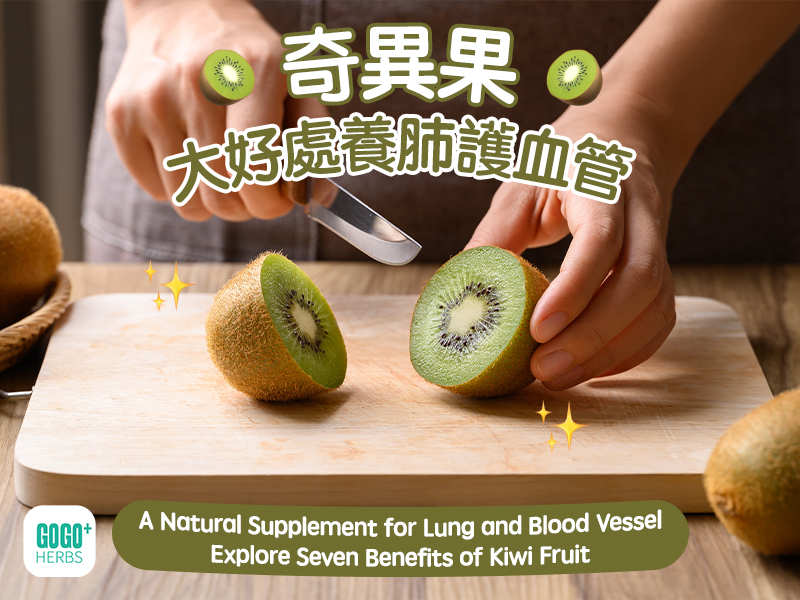
It's true that kiwifruit is small in size but high in nutrient density: by weight, it has more vitamin C than oranges, more dietary fiber, and a low to medium glycemic index. However, online sources have exaggerated its benefits—lowering blood pressure, protecting eyesight, preventing blood clotting, strengthening immunity, aiding digestion, and even claiming that its effects are "similar to low-dose aspirin."
Some of these claims are indeed supported by research, while others are simply applying findings from other studies to kiwifruit. This article will... 7 common statements broken downIt will clarify which point is valid, which point is an extension, and several things that need to be paid attention to in daily consumption.
What did a kiwi give you?
2. How is the calculation "one glass of kiwi juice = 2731 TP 4T Daily Vitamin C" performed?
III. Antioxidants, Immunity, and Lung Function: Where Does the Evidence Lie?
IV. Digestion and Defecation: Fiber, Actinidin, and Human Evidence
V. Blood Pressure: A study on eating 3 kiwis daily
6. What's wrong with the statement "The effect is similar to low-dose aspirin"?
7. Eyes: 36%. How was this number derived?
8. Two kiwis before bed and sleep
9. Who needs to be aware of dosage, allergies, and medications?
10. How to choose, how to eat, and how to store
XI. Frequently Asked Questions (FAQ)
What did a kiwi give you?
Let's look at the numbers first. Based on the edible portion per 100 grams of green kiwifruit:
| project | per 100 grams | illustrate |
|---|---|---|
| calorific value | Approximately 61 kcal | The price is moderate to low for fruit. |
| carbohydrate | Approximately 14.7 grams | It contains approximately 9 grams of sugar. |
| Dietary fiber | Approximately 3 grams | It has a relatively high content compared to common fruits, and contains both water-soluble and non-water-soluble components. |
| Vitamin C | Approximately 93 mg | Higher than oranges by the same weight; higher than golden kiwifruit. |
| 鉀 | Approximately 312 mg | Similar to a banana (approximately 358 mg) |
| Vitamin E | Approximately 1.5 mg | Rare among fruits |
| Vitamin K. | Approximately 40 micrograms | It is related to blood clotting function; those taking anticoagulants should be aware of this. |
| folate | Approximately 25 micrograms | Golden kiwifruit is slightly higher |
| Lutein + Zeaxanthin | Approximately 122 micrograms | The content is actually much lower than that of dark green leafy vegetables (see Section 7). |
A medium-sized green kiwi (about 70 grams after peeling) provides approximately 60 to 70 milligrams of vitamin C and a little over 2 grams of dietary fiber; golden kiwis have even higher vitamin C content (around 160 milligrams per 100 grams), but less dietary fiber and slightly more sugar. Both are good choices; the main difference lies in the ratio of fiber to vitamin C.
There is another point that is often overlooked:The skin of a kiwi is edible.After washing, eating it with the peel can increase dietary fiber by about 50%. If you don't like the texture, you can keep the peel and blend it into a drink.
2. How is the calculation "one glass of kiwi juice = 2731 TP 4T Daily Vitamin C" performed?
This figure is widely circulated online, with some even writing "one kiwi is equivalent to a day's worth of Vitamin C." The direction is correct—kiwis are indeed an excellent source of Vitamin C—but stating it as a fixed multiple is inaccurate for three reasons.
First, the recommended daily intake varies from country to country.Based on the US recommended intake, adult men consume approximately 90 mg and women approximately 75 mg; the Chinese Nutrition Society recommends 100 mg. Using different benchmarks, the "percentage" of the same serving of fruit can differ by more than 30%.
Second, the vitamin C content of kiwifruit itself varies.Green kiwifruit of different varieties and origins contains approximately 60 to 93 milligrams per 100 grams; golden kiwifruit contains significantly more. Therefore, the number of kiwifruit used in a "cup" and the variety of kiwifruit will affect the result.
Third, and most importantly: juicing is not the same as eating the whole fruit.Juicing significantly reduces the dietary fiber in the fruit pulp, accelerates sugar absorption, and reduces satiety. If your goal is to obtain Vitamin C, one or two medium-sized kiwis eaten whole are generally sufficient to meet an adult's daily requirement; juicing them negates the fiber benefit. For information on the distinction between whole fruit and fruit juice, please refer to [link to relevant article/reference].<Sugar and Fructose Metabolism in Fruits>。
The Hong Kong Department of Health promotes the "Two Plus Three Daily" recommendation, suggesting that you eat at least two servings of fruit and three servings of vegetables every day. One serving of fruit is roughly equivalent to one medium-sized fruit or half a large fruit. For example, one medium-sized kiwi is close to one serving, so including it in your daily fruit intake is the most practical approach.
III. Antioxidants, Immunity, and Lung Function: Where Does the Evidence Lie?
Vitamin C is an essential nutrient for maintaining a healthy immune system, a point on which there is no dispute. Kiwifruit also provides vitamin E, polyphenols, and carotenoids; an Italian study analyzing local kiwifruit found a correlation (r=0.97) between its antioxidant activity and vitamin C content, meaning...The antioxidant capacity of kiwifruit mainly comes from vitamin C.。
Regarding the original text's mention of "a 2000 study finding that consuming fruits rich in Vitamin C can significantly improve lung function," the research needs to be carefully examined. This study is... Butland et al. published their findings in *Thorax* in 2000.A prospective generational study tracked 2,512 Welsh men aged 45 to 59. Cross-sectional analysis showed that intake of vitamin C, vitamin E, beta-carotene, citrus fruits, and apples was associated with better lung function indicators (FEV₁).However, after adjusting for confounding factors such as smoking, social class, exercise, and total calories, only the association between vitamin E and apples remained, while the association between vitamin C and apples disappeared.Furthermore, longitudinal analysis did not find a correlation between the rate of decline in lung function and these intake levels.
In other words, this is aObservational studiesIt supports the idea that "people who consume more fruits and vegetables generally have better respiratory health," but it is insufficient to conclude that "eating kiwifruit can improve lung function." Another 2002 British study showed that those with higher vitamin C intake experienced a smaller decline in lung function over nine years; this is also observational evidence and can be used to support the recommendation for fruit and vegetable intake, rather than as proof of the efficacy of a single food.
If you are exposed to air pollution or smoke for a long period of time, the most evidence-based approach is still...Reduce exposure and quit smokingFruits and vegetables should be consumed as a supplement, not a substitute.
IV. Digestion and Defecation: Fiber, Actinidin, and Human Evidence
This is the area with the most empirical evidence for kiwifruit, but we need to discuss "enzymes" and "fiber" separately.
Dietary fiber.It contains approximately 3 grams per 100 grams, which is relatively high for a fruit, and includes both soluble and insoluble fiber; eating it with the peel will yield even more. Fiber helps maintain normal intestinal motility and bowel movements.
Actinidin (kiwifruit protease).Kiwifruit contains a unique proteolytic enzyme that can break down proteins. A research team at Massey University in New Zealand tested this using an in vitro simulated digestion model and found that green kiwifruit extract, in a simulated gastric environment (pH 1.9), can enhance the breakdown of some food proteins—such as the α, β, and κ proteins in dairy casein, increasing the breakdown by approximately 371 TP4T, 331 TP4T, and 481 TP4T, respectively. In a small intestine model, the breakdown of whey protein, corn protein, gluten, and gliadin was also improved. The study also indicated that…For some proteins, this effect is not obvious.It's not true that "all proteins are easier to digest." It's worth noting that the paper itself states explicitly: There has long been a popular claim that kiwifruit aids digestion, attributed to actinidin, but there has been very little published evidence to support this hypothesis—currently, the only evidence supporting it is...In vitro experimentsThis is not a human clinical trial.
There is empirical evidence regarding defecation at the human body level.An international multicenter randomized controlled trial recruited healthy controls, patients with functional constipation, and patients with constipation-predominant irritable bowel syndrome. Participants were randomly assigned to either consume two green kiwifruits daily or 7.5 grams of psyllium husk (fiber control) for four weeks. Results showed that those consuming green kiwifruit experienced an increase of approximately 1.5 or more spontaneous bowel movements per week, along with improved gastrointestinal comfort. Another study indicated that two golden kiwifruits daily had a similar effect on improving constipation as psyllium husk, which has a similar fiber content.
Therefore, a more accurate statement is:Kiwifruit can serve as a source of dietary fiber, which can actually help with bowel movements.The claim that "kiwi enzymes aid digestion" is currently based on in vitro studies. Simply stating that it "has been clinically proven in humans to help improve indigestion" skips the evidence level. For information on the causes of constipation, the correct use of fiber, and when to seek medical attention, please refer to [link to relevant materials].Causes of constipation, dietary care, and timing of seeking medical attentionIf bowel habits continue to change, or are accompanied by bloody stools, weight loss, or persistent abdominal pain, these are signs that require immediate medical attention.
V. Blood Pressure: A study on eating 3 kiwis daily
This study does exist and is the source of the claim that "kiwifruit lowers blood pressure".
Svendsen's team at Oslo University Hospital in Norway recruited 118 men and women with high blood pressure (systolic blood pressure between 128 and 159 mmHg or diastolic blood pressure between 85 and 99 mmHg), with an average age of 55. They were randomly divided into two groups: one group ate 3 green kiwis daily, and the other group ate 1 apple daily for 8 weeks, without changing other dietary habits. The comparison was made using 24-hour ambulatory blood pressure monitoring.
- Kiwi Group's 24-hour updatessystolic blood pressureApproximately lower than Apple Group 3.6 mmHg(p=0.017);
- diastolic blood pressureLow 1.9 mmHg(p=0.040);
- The research team concluded that eating 3 kiwis daily can improve 24-hour blood pressure.Better than one apple a day。
The original manuscript listed the study as "2014"—the year the paper was submitted and reviewed. It was officially published in the journal Blood Pressure in 2015, while an earlier version was presented at the American Heart Association Scientific Sessions in 2011. Both are the same study.
A few points need to be honestly added:3.6 mmHg is a minor change and belongs to the auxiliary level.This was a small, single-sample study, and the research team themselves suggested continuing the study within dietary patterns such as DASH. The fiber and potassium content of kiwifruit and apples were not exactly the same in the study, so it's impossible to determine which component of the kiwifruit was responsible. Most importantly—The blood pressure-lowering effect of food cannot be used as a substitute for blood pressure medication.If you are taking blood pressure medication, do not adjust the medication on your own. Any dietary changes should be discussed with your doctor first.
From a nutritional perspective, kiwifruit contains approximately 312 milligrams of potassium per 100 grams. Potassium helps the body metabolize sodium and maintain normal blood pressure, which is a well-documented fact. However, relying solely on one type of fruit is insufficient to control blood pressure. A holistic dietary approach that includes reducing sodium intake, controlling weight, regular exercise, and sufficient fruits and vegetables is the key.
6. What's wrong with the statement "The effect is similar to low-dose aspirin"?
The original text stated, "Eating 2 to 3 kiwis daily can help reduce the risk of excessive blood clotting... This effect is similar to taking a low-dose aspirin daily, but it's a more natural and healthier way to protect your heart." This entire paragraph needs to be rewritten because it packages a dangerous message as health advice.
Let's start with the research itself. Duttaroy and Jørgensen from the University of Oslo published a randomized crossover trial in the journal *Platelets* in 2004: After healthy volunteers consumed 2 to 3 kiwis daily for 28 days, the study investigated the platelet aggregation response to collagen and ADP.Reduced by approximately 181 TP4T(p<0.05), blood triglycerides also decreased by about 15%; after stopping consumption for two weeks, the value returned to the original level.
The research does exist, but the original manuscript reversed its meaning in three places:
- The researcher himself explicitly stated that he does not recommend replacing aspirin with kiwi fruit.In the interview, Duttaroy emphasized that the results were "quite promising," but the mechanism of action of kiwifruit is different from that of aspirin, and further research is needed to identify the active ingredient. The claim of "similar to aspirin" was a headline used by the media at the time, not a conclusion of the study.
- This is a small, short-term study.The observation focuses on changes in laboratory indicators (platelet aggregation rate), rather than clinical outcomes such as "reduction in cardiovascular events".
- Aspirin is a medication, not a health supplement option.It is prescribed by a doctor based on an individual risk assessment and has its own bleeding risks and contraindications; no one should stop taking the medication or switch to eating fruit on their own because they have seen such reports.
The same research team later observed similar results in male smokers: those who ate kiwifruit daily experienced a decrease in blood pressure and whole blood platelet aggregation (2013, *Journal of Human Hypertension*). These findings, while nutritional observations, do not alter the aforementioned principle—Food cannot replace medicine。
A more accurate and safer way to put it is:This study shows that kiwifruit has an observable effect on platelet function, which is a nutritional finding.That is precisely why,People who are taking anticoagulants (such as warfarin) or antiplatelet drugs should consult a doctor or pharmacist before regularly consuming kiwifruit.Because the effects of the two may be cumulative. Kiwifruit also contains vitamin K, which can affect the effectiveness of medications such as warfarin. People with this condition need to maintain a stable intake and monitor their condition as directed by their healthcare provider.
7. Eyes: 36%. How was this number derived?
The statement "3 servings of fruit a day can reduce the risk of macular degeneration" has a source, but it was mistakenly attributed to lutein in kiwifruit in the original manuscript.
This study, published in *Archives of Ophthalmology* in 2004 by Cho's team at Harvard University, analyzed two large-scale generational studies—the Nurses' Health Study (77,562 women) and the Healthcare Workers Longitudinal Study (40,866 men)—following participants for 12 to 18 years. The results showed that daily intake...3 or more servings of fruitPeople who consume less than 1.5 servings per day have a higher risk of developing neovascular age-related macular degeneration compared to those who consume less than 1.5 servings per day.Approximately 36%(Relative risk 0.64).
There are three points to keep in mind when reading this study:
- The subject of the study is the "fruit" as a whole, not the kiwi.The study did not specify any particular fruit; it discussed the total amount of fruit consumed.
- This is an observational study.People who eat more fruit tend to smoke less and exercise more. Although the study has been statistically adjusted, it still cannot prove a causal relationship.
- The study, however, did not find a link to lutein.The authors explicitly stated that no significant association was observed between vegetables, vitamins, carotenoids (including lutein and zeaxanthin) and the risk of macular degeneration, a result that even surprised the researchers themselves.
Looking at the content together makes it even clearer: kiwifruit contains about 0.07 to 0.2 mg of lutein per 100 grams; spinach about 6 to 9 mg; and kale even more, exceeding 10 to 30 mg per 100 grams. In other words,Kiwifruit contains only about one percent of the lutein found in spinach.It has never been a primary source of lutein. For information on the role of lutein, food sources, and supplement selection, please refer to [link to relevant article].What is Lutein?。
A more practical approach is to include kiwifruit as one serving of your daily fruit intake, helping you achieve the overall recommendation of "two plus three fruits a day." For those seeking to increase their lutein intake specifically for macular health, dark green leafy vegetables and egg yolks are more cost-effective. If you experience blurred vision, distorted or deformed central vision, or other similar issues, you should consult an ophthalmologist as soon as possible, rather than trying to address the problem by adjusting your fruit choices.
8. Two kiwis before bed and sleep
This is one of the more interesting aspects of the research that was not mentioned in the original manuscript.
A team from Taipei Medical University published a study in the *Asia Pacific Journal of Clinical Nutrition* in 2011, recruiting 24 adults (aged 20 to 55) who reported sleep problems. The participants ate two kiwis one hour before bedtime for four weeks, and their sleep quality was recorded using the Pittsburgh Sleep Quality Index, sleep diaries, and wrist movement monitoring. The results showed:
- The subjective sleep quality index score decreased by approximately 42.41 TP4T;
- The time required to fall asleep is reduced by approximately 35.41 TP4T;
- Nighttime awakening time decreased by approximately 28.91 TP4T;
- Total sleep time increased by approximately 13.41 TP4T, and sleep efficiency improved by approximately 5.411 TP4T.
It should be noted that this is aSingle-arm, self-before-and-after control studyWith only 24 participants and no control group, the influence of placebo effect, seasonal changes, or "starting to pay attention to one's sleep" cannot be ruled out. Researchers also stated that the true mechanism of action and active ingredient still require further investigation.
Mechanistically, a common misconception needs to be corrected: kiwifruit contains serotonin, but...Orally administered serotonin cannot cross the blood-brain barrier.It won't directly convert into serotonin in the brain. The more likely connection is the vitamin B6 provided by kiwifruit—a cofactor needed for the body to synthesize serotonin, and kiwifruit is one source of B6. Think of eating two kiwifruit before bed as a…Mild, easy-to-follow eating habitsYes, that's possible; however, if it's chronic insomnia or has affected daytime energy and work, the focus should still be on finding the cause and seeking medical attention. For relevant nutritional information, please refer to [link/reference].Insomnia and B Vitamins。
9. Who needs to be aware of dosage, allergies, and medications?
Kiwifruit is a safe and convenient fruit for most people, but the following situations are worth noting.
People who are allergic to latex, pollen, or certain foods.Kiwifruit is one of the fruits that most commonly causes allergies, mainly involving two situations: one is...Pollen-Food Syndrome(Oral allergy syndrome) People who are sensitive to birch pollen, etc., may experience itching and slight swelling of the lips, tongue, inside of the mouth, or throat after eating raw kiwifruit. Symptoms are usually mild, and it is generally safe to eat after thorough cooking.Latex-Fruit SyndromeBritish hospital data indicates that approximatelyhalfPeople with type 1 latex allergy also have food allergies, with the most common allergenic fruit being...Bananas, kiwis and avocadosThe original text mentioned that "those with allergies to latex, wheat, figs, or poppy seeds are at higher risk," which aligns with the aforementioned cross-reaction. Common symptoms include itching in the mouth and throat, swelling of the tongue or lips, difficulty swallowing, vomiting, and hives; if difficulty breathing, hoarseness, dizziness, or confusion occurs, it indicates a severe allergic reaction and requires immediate medical attention.Seek medical attention immediately。
People with impaired kidney function.Potassium is mainly excreted through the kidneys. When kidney function declines, the ability to excrete potassium weakens. Potassium intake for such individuals needs to be individually assessed by medical professionals based on blood potassium levels. They should not consume large amounts of high-potassium fruits on their own.
Those who are currently taking anticoagulant or antiplatelet drugs.As mentioned in Section 6 above, kiwifruit has an observable effect on platelet function and also contains vitamin K. Those taking medications such as warfarin should discuss this with their doctor and maintain a stable intake.
People who need to control their blood sugar.Kiwifruit has a glycemic index between 39 and 52 (this varies depending on the variety and source of measurement), generally classified as low to medium. Its fiber and organic acids help slow the rise in blood sugar. In practice, you can choose to eat one kiwifruit at a time, paired with a small amount of protein or fat (such as cheese or nuts), and adjust this according to your individual blood sugar levels; please consult with your doctor or registered dietitian for adjustments.
People with sensitive stomachs.Unripe kiwifruit is more acidic and contains actinidin, a protease, which can cause stomach discomfort in some people. Choose riper fruit and avoid eating large quantities on an empty stomach.
10. How to choose, how to eat, and how to store
- SelectThe skin should be intact, without bruises or oozing, and slightly soft when gently pressed, indicating it is ready to eat. If it is still hard when you buy it, it will soften after being left at room temperature for one to several days.
- accelerated maturationIf you put it in a paper bag with apples or bananas, ethylene will accelerate the ripening process; if you want to delay eating it, put it in the refrigerator, as low temperatures will slow down the ripening process.
- Eat with skinEating it with the peel after washing can increase your dietary fiber intake by about 50%; if you don't like the taste, you can blend it into a beverage.
- Do not store with dairy products for extended periods.Actinidin breaks down dairy proteins. If you add kiwi to cheese or milk jelly and leave it for a long time, it may become runny or have a bitter taste. It is recommended to mix and eat it immediately.
- Eating the whole fruit is preferable to juicing it.Juicing significantly reduces dietary fiber and accelerates sugar absorption, while eating whole preserves fiber and provides a feeling of fullness.
- Don't buy too much at once.Kiwifruit ripens quickly, so it's more practical to buy a quantity that can be consumed within one to two weeks: eat the soft ones first, and save the hard ones for later.
XI. Frequently Asked Questions (FAQ)
Can kiwifruit really lower blood pressure?
One study supports its auxiliary effect. A study at Oslo University Hospital had individuals with high blood pressure eat three green kiwis or one apple daily. After eight weeks, the kiwi group experienced a decrease of approximately 3.6 mmHg in 24-hour ambulatory systolic blood pressure. This is a small-amplitude, auxiliary-level result and a single study.It cannot be used to replace antihypertensive drugs.Blood pressure control still primarily relies on sodium reduction, weight management, regular exercise, and a consistent dietary pattern; any adjustments to medication must be determined by a doctor.
Can eating kiwifruit replace low-dose aspirin?
Can't.This claim comes from a 2004 study: healthy volunteers who ate 2 to 3 kiwis daily for 28 days experienced a reduction of approximately 18% in platelet aggregation. However, the study leader explicitly stated that kiwis are not recommended as a substitute for aspirin, as their mechanisms of action differ, and the study was only a small, short-term trial observing laboratory indicators. Aspirin is a prescription drug with bleeding risks and contraindications; no one should discontinue its use or replace it with food on their own. Those taking anticoagulants or antiplatelet drugs should consult a doctor before consuming kiwis.
Is kiwi a good source of lutein?
No. Kiwifruit contains approximately 0.07 to 0.2 mg of lutein per 100 grams, spinach about 6 to 9 mg, and kale even more—a difference of nearly a hundredfold. The online study claiming "3 servings of fruit daily reduce macular degeneration by 36%" discusses...Total fruit intake(No specific variety specified), and the study itself did not find a link between lutein and carotenoids. Dark green leafy vegetables are a better source for targeting macular health.
Does eating kiwifruit before bed help you sleep?
A small study supports this. A 2011 study had 24 people with sleep problems eat two kiwis an hour before bed for four weeks, resulting in improvements in sleep quality, sleep onset time, and nighttime wake-up time. However, this study lacked a control group and had a small sample size, so it cannot be considered conclusive. It's also important to note that the serotonin in kiwis does not cross the blood-brain barrier; the vitamin B6 it provides is more likely to be relevant. This can be tried as a mild bedtime habit, but long-term insomnia should still be addressed by a doctor.
How many kiwis can you eat a day?
There is no hard and fast rule, but it should be included in the overall fruit serving size. The Department of Health recommends at least two servings of fruit per day, with one serving roughly equivalent to one medium-sized fruit. Therefore, one to two kiwis would roughly correspond to one to two servings. The original text's "2 to 3 kiwis per day" is a reference to a study, not a general recommendation. If you are eating other fruits at the same time, you should consider the total amount as a whole.
Can kiwifruit cause allergies?
Yes, and it ranks high among common allergenic fruits. Two scenarios are most common: oral allergy syndrome (itching and mild swelling in the mouth and throat) in people with pollen allergies, and latex-fruit syndrome in people with latex allergies—about half of those with type 1 latex allergies also have food allergies, most commonly bananas, kiwis, and avocados. If you have experienced throat swelling, difficulty swallowing, vomiting, hives, or difficulty breathing, seek medical evaluation; severe cases require immediate emergency treatment.
Can people with kidney disease eat kiwifruit?
The condition should be assessed by a healthcare professional based on kidney function and blood potassium levels. Potassium is primarily excreted through the kidneys; when kidney function declines, the ability to excrete potassium weakens, making it unwise to consume large amounts of high-potassium fruits on your own. In such cases, please consult your attending physician or a registered dietitian first.
Does drinking kiwi juice mean eating a whole kiwi?
No, that's not the same. Juicing significantly reduces dietary fiber, leads to faster sugar absorption, and results in a lower feeling of fullness. If your goal is to get vitamin C, eating the whole fruit is sufficient and retains fiber; juicing actually loses one of its advantages. If you want to drink it, it's recommended to consume it with the pulp and control the portion size.
What's the difference between green kiwifruit and golden kiwifruit?
Golden kiwifruit has a higher vitamin C content (around 160 mg per 100 grams), slightly more sugar, and a sweeter taste; green kiwifruit has significantly more dietary fiber and higher activity of actinidin. Choose green kiwifruit if you want more fiber and enzymes, and choose golden kiwifruit if you want more vitamin C; both are worth eating alternately.
Are kiwifruit and Chinese gooseberry the same fruit?
Yes. Kiwifruit is the scientific name and common name for this fruit, and China is one of its original centers. "Kiwi" is the name used after it was introduced, improved, and exported from New Zealand; Hong Kong generally uses "kiwifruit." Green-fleshed, yellow-fleshed, and red-fleshed varieties all belong to the kiwifruit family.
Source of information
- Svendsen M, Tonstad S, Heggen E, et al. The effect of kiwifruit consumption on blood pressure in subjects with moderately elevated blood pressure: a randomized, controlled study. Blood Pressure 2015;24(1):48–54. PubMed Summary
- Karlsen A, Svendsen M, Seljeflot I, et al. Kiwifruit decreases blood pressure and whole-blood platelet aggregation in male smokers. Journal of Human Hypertension 2013;27(2):126–130. PubMed Summary
- Svendsen M, Klemsdal TO, Heggen E, et al. Effect of Dietary Intake of Kiwi Fruit on 24-Hour Ambulatory Blood Pressure. Circulation 2011;124(suppl 21):A16175 (Abstract of the American Heart Association Scientific Sessions). AHA Summary
- Duttaroy AK, Jørgensen A. Effects of kiwi fruit consumption on platelet aggregation and plasma lipids in healthy human volunteers. Platelets 2004;15(5):287–292. PubMed Summary
- Cho E, Seddon JM, Rosner B, Willett WC, Hankinson SE. Prospective study of intake of fruits, vegetables, vitamins, and carotenoids and risk of age-related maculopathy. Archives of Ophthalmology 2004;122(6):883–892. DOI Full Text/Harvard University Press Release
- Butland BK, Fehily AM, Elwood PC. Diet, lung function, and lung function decline in a cohort of 2512 middle aged men. Thorax 2000;55(2):102–108. PMC Full Text
- McKeever TM, Scrivener S, Broadfield E, et al. Prospective study of diet and decline in lung function in a general population. American Journal of Respiratory and Critical Care Medicine 2002;165(9):1299–1303. PubMed Summary
- Kaur L, Rutherfurd SM, Moughan PJ, Drummond L, Boland MJ. Actinidin enhances gastric protein digestion as assessed using an in vitro gastric digestion model. Journal of Agricultural and Food Chemistry 2010;58(8):5068–5073. PubMed Summary
- Richardson DP, Ansell J, Drummond LN. The nutritional and health attributes of kiwifruit: a review. European Journal of Nutrition 2018;57(8):2659–2676. PMC Full Text
- Gearry RB, et al. Consumption of 2 Green Kiwifruits Daily Improves Constipation and Abdominal Comfort—Results of an International Multicenter Randomized Controlled Trial. American Journal of Gastroenterology 2023. PMC Full Text
- Bayer SB, Heenan P, Frampton C, et al. Two Gold Kiwifruit Daily for Effective Treatment of Constipation in Adults—A Randomized Clinical Trial. Nutrients 2022;14(19):4146. MDPI Full Text
- Lin HH, Tsai PS, Fang SC, Liu JF. Effect of kiwifruit consumption on sleep quality in adults with sleep problems. Asia Pacific Journal of Clinical Nutrition 2011;20(2):169–174. PubMed Summary
- D'Evoli L, Moscatello S, Lucarini M, et al. Nutritional traits and antioxidant capacity of kiwifruit (Actinidia deliciosa Planch., cv. Hayward) grown in Italy. Journal of Food Composition and Analysis 2015;40:1–9. DOI Abstract
- US Department of Agriculture, FoodData Central (Kiwifruit Nutritional Information). database
- NHS inform. Food allergy(Oral allergy syndrome/Hormonal-food syndrome). Web page
- Cambridge University Hospitals NHS Foundation Trust. Latex allergy – information for patients(About half of those with latex allergies also have food allergies, most commonly to bananas, kiwis, and avocados.). Web page
- Anaphylaxis UK. Allergy to fruit. Web page
- Centre for Health Protection, Department of Health, Hong Kong. Two servings of fruit(Conversion between "two plus three every day" and the quantity of one serving of fruit). Web page
- Hong Kong Department of Health's "Healthy Working Scheme". Common Health Eating Questions. Web page
This article is a compilation of health information and does not constitute diagnosis or medical advice. Kiwifruit is a common food, not a medicine, and should not be used to diagnose, treat, or prevent any disease. If you have kidney disease, diabetes, cardiovascular disease, blood clotting problems, or are taking long-term medications (especially anticoagulants and antiplatelet drugs), please consult your doctor or registered dietitian before adjusting your diet; if you experience persistent discomfort or severe allergic symptoms, seek medical attention immediately.
Related Products:
-
Sale!

GINAX – Ginseng Tea Bag / Ginseng White Tea Rose Tea Bag | 1bag
Original price was: $13.00.$10.00Current price is: $10.00. 選擇規格 This product has multiple variants. The options may be chosen on the product page -
Sale!

GINAX – Manuka Honey UMF™ 5+ 30g
Original price was: $30.00.$25.00Current price is: $25.00. Add to basket -
Sale!
Single 10% off】aXimed – Recovery Speed 100% Whey Protein Powder 30 sachets
Original price was: $558.00.$502.00Current price is: $502.00. Add to basket -
Sale!
Livinglean – Organic Dietary Mineral Powder 8g x 20 sachets
Original price was: $368.00.$298.00Current price is: $298.00. Add to basket
Related Post:
![母親用滴管把少量植物藻油滴在食物匙上,幼兒坐在餐桌旁]()
A Complete Guide to Plant-Based Algae Oil Omega-3: Odorless, Vegetarian, and Suitable Omega-3 Choices for Pregnant Women and Infants
![牛樟芝子實體與膠囊製品示意]()
What is Antrodia camphorata? A complete guide to its ingredients, research evidence, and precautions for consumption.
![世界心臟日護心飲食場景,香港中年夫婦享用豆漿、豆腐、雞蛋與堅果,旁有心臟及細胞膜卡通示意]()
World Heart Day: Heart Health in Hong Kong Starts with Daily Life | What are the Benefits of Lecithin? Which of Three 1200mg Products to Choose From?
![香港成年人在家閱讀與休息,從日常習慣開始理解腦部健康]()
Fish oil, mini capsules, or B12? Formulas and daily choices for 8 best-selling brain health products.