


























































Does Drinking Honey Lemonade Really Help?
Recently, a candidate for Taipei mayor mentioned in a political speech that "honey lemonade" could be a "miracle cure", which has sparked a lot of controversy, and the topic has even risen to the top of Google's top searches. Some people claim that this drink can not only helpDissolve fatIt can also help to clear up acne and "flush out" toxins from the body. Today, we're going to take a closer look at the properties of honey and lemon, and what the combination of honey and lemon water can do for your health.
Honey: The Modern Health Value of an Ancient Ingredient
Honey is a thick, sweet liquid made by bees and some closely related insects and is one of the oldest foods in the history of the human diet. Records of human use of honey for food and medicine date back to the Stone Age. In the medicinal field, honey was used by the ancient Egyptians, Greeks and Romans to treat skin ailments, and numerous modern studies have confirmed that unfiltered honey has powerful healing properties and is suitable for use in skin care. A literature review of over 3000 people showed that honey was more effective than traditional treatments in treating severe burns, and even in diabetic patients with foot ulcers, honey improved the healing rate of these wounds.
In addition to this, microbiologists have found that honey can fight up to 60 different species of bacteria, as well as inhibit common pathogens that cause colds and coughs, and is particularly effective in reducing the severity and frequency of coughs in young children with respiratory infections. However, it is important to note that whilst honey is a viable option for relieving coughs in children, there is a risk of botulism spores being present in honey. The gastrointestinal tract of infants and young children under the age of one is too immature to eliminate these bacteria, which can multiply in the intestines and damage the fragile immune defence system of babies, and there have been cases of deaths caused by the consumption of honey, which is why it is strictly prohibited to feed honey to infants and young children under the age of one.
Lemon: a citrus fruit with high nutritional density
Lemon is a citrus fruit with edible pulp and peel, rich inVitamin CCitric acid, citric acid, flavonoids, and small amounts ofVitality B Citric acid in lemon can be associated with calcium oxalate crystals in the urine. Clinical studies have shown that the formation of kidney stones is mainly due to the accumulation of dense minerals such as calcium oxalate crystals in the urine, and citric acid in lemon can bind with calcium oxalate crystals, thus helping to prevent the formation of kidney stones. Another study covering more than 10,000 people showed that vitamin C can reduce the oxidative stress caused by free radicals on the organs, which in turn reduces the risk of heart disease and stroke. It can be deduced that consuming vitamin C-rich lemons is helpful in preventing these cardiovascular problems.
In addition, the flavonoids in lemon have been scientifically proven to reduce the risk of heart disease and diabetes, and even slow down cognitive decline. In animal studies, it has also been found that citrulline contained in lemon can help reduce the levels of triglycerides and low-density cholesterol (commonly known as "bad cholesterol") in the body. However, it should be noted that drinking lemon water on an empty stomach may lead to excessive secretion of gastric acid, which may lead to gastric or duodenal ulcers, which is one of the reasons why many people are used to adding honey to lemon water.
Honey Lemonade: Efficacy needs to be rationalised
Based on the above mentioned health benefits of honey and lemon, and the need to harmonise the taste, it is widely believed that the combination of honey and lemon can bring more health benefits to the public. The international journal International Journal of Food Sciences and Nutrition has published a study entitled "Potentiating effects of honey on antioxidant properties of lemon-flavoured black tea". The International Journal of Food Sciences and Nutrition (International Journal of Food Science and Nutrition) has published a study entitled "Potentiating effects of honey on antioxidant properties of lemon-flavoured black tea", which points out that honey can enhance the antioxidant activity of lemon tea, inhibit lipid peroxidation, and increase the content of antioxidant substances, such as phenols, flavonoids and organics.
Another study published in the Journal of Ayurveda and Integrative Medicine, "Does short-term lemon honey juice fasting have effect on lipid profile and body composition in healthy individuals? The study "Does short-term lemon honey juice fasting have effect on lipid profile and body composition in healthy individuals?" in the Journal of Ayurveda and Integrative Medicine showed that 50 healthy subjects who fasted for 4 consecutive days and consumed only 300 ml of lemon honey juice 4 times a day showed significant decreases in body weight, body mass index (BMI), fat mass (FM), free triglycerides, body fat percentage and total serum cholesterol. This suggests that honey lemon water may have some weight loss potential.
It has also been clinically proven that drinking honey lemon water can provide some relief when people suffer from colds or upper respiratory tract infections. However, it is important to note that there is no scientific evidence to support the popular belief that honey lemon water can detoxify the body, clear acne, improve brain function and even cure cancer. Therefore, we can consider honey lemonade as a tasty beverage that may have the added benefits of antioxidants, weight loss and cold relief, but we should remain cautious about other therapeutic benefits that have not been scientifically proven.
Related Products:
-
Sale!
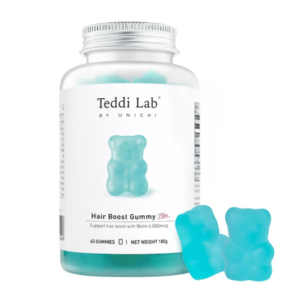
Unichi – Teddi Lab® Gummy Bears Gummy Bears for Hair Growth Upgraded Sea Salt and Green Titanium Flavour 60 Capsules
Original price was: $170.00.$125.00Current price is: $125.00. Add to basket -
Sale!
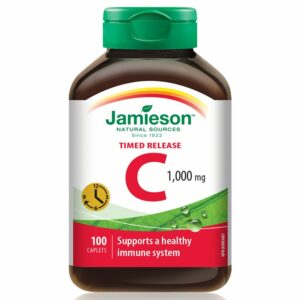
Jamieson – Long Lasting Vitamin C 1000mg 100 Tablets
Original price was: $138.00.$108.00Current price is: $108.00. Add to basket -
Sale!
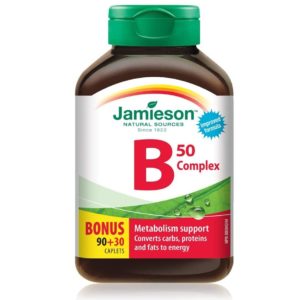
[Two or more bottles of $88] Jamieson – Natural Vitamin B Complex 50 120 capsules
Original price was: $168.00.$98.00Current price is: $98.00. Add to basket -
Related Post:
![| 香港成年人在家閱讀無品牌補充品標籤,桌上有蔬菜與水]()
Hong Kong Liver Health Product Insight Report 2024-2025: Liver-Protecting Formulas Decline, Q10 Increases
![香港成年人在家閱讀與休息,從日常習慣開始理解腦部健康]()
Hong Kong Brain Health Insight Report 2024–2025: Differentiating Fish Oil, Memory Formulas, and Vitamin B12 from 87 Products
![香港上班族在窗邊暫停看屏幕,讓雙眼休息並重新整理眼晴健康選擇]()
Eye Health Insight Report 2024-2025: Beyond Lutein – Fish Oil Accounted for 76.41% of Store Revenue Among 98 Products (TP4T)
![香港家庭查看空氣質素並整理呼吸健康資料]()
Hong Kong Respiratory Health Product Insight Report 2024–2025: Cough, Nasal Allergies, and Sore Throat Are Not the Same Thing