


















































Preventing blood pressure fluctuations in hot weather
The Hong Kong Observatory has issued extreme heat warnings for several consecutive days, with citizens often sweating profusely when outdoors. This not only affects daily life but also requires extra attention to the health of individuals with cardiovascular diseases, hypertension, and other chronic illnesses. Specialist doctors point out that excessively high ambient temperatures can disrupt the body's blood pressure balance, and in severe cases, may even trigger a stroke, endangering life.
According to statistics, a significant proportion of Hong Kong's population suffers from hypertension, and many of these patients require long-term medication to control their condition. Last year, the American Heart Association revised its definition of hypertension, lowering the original systolic blood pressure of 140 mmHg and diastolic blood pressure of 90 mmHg to systolic blood pressure of 130 mmHg and diastolic blood pressure of 80 mmHg. This means that as long as blood pressure reaches these levels, it is considered hypertension.
High blood pressure can lead to a variety of serious complications, including cardiovascular diseases such as stroke, myocardial infarction, and heart failure. Therefore, people should pay more attention to changes in their blood pressure and take precautions.Cardiovascular healthDaily management is crucial. Cardiologist Dr. Huang Pinli stated that many patients only know that blood pressure tends to rise in cold weather due to vasoconstriction, but they often overlook the fact that blood pressure can also become abnormal in hot weather. This is especially true for individuals with pre-existing high blood pressure; rapid temperature changes can cause more pronounced fluctuations in blood pressure, further burdening the body.
summerBlood pressure is prone to riseOne reason is that high temperatures cause the body to sweat profusely, leading to dehydration and increased blood viscosity, which in turn raises blood pressure. Therefore, people with cardiovascular problems are more prone to accidents in hot weather, especially during exercise, and may even experience sudden death. The risk is even higher if blood vessels are not elastic, increasing the likelihood of acute myocardial infarction or cerebrovascular disease.
Dr. Wong specifically reminded the public that air conditioning is commonly used indoors in Hong Kong during the summer. People frequently move between environments with large temperature differences, requiring their bodies to constantly adapt to these changes. This stimulates the heart's regulatory function, leading to repeated dilation and constriction of blood vessels, which in turn causes unstable blood pressure. Fluctuations in blood pressure not only affect heart and brain health but can also trigger conditions such as retinal arteriosclerosis and hemorrhage. Therefore, in addition to taking medication on time, patients with hypertension should cultivate healthy lifestyle habits and regular sleep patterns to help stabilize their blood pressure.
Dr. Huang suggests that because patients with hypertension are more sensitive to temperature changes, they should develop the habit of regularly monitoring their blood pressure. Regardless of winter or summer, blood pressure changes should be measured and recorded at fixed times in the morning and evening. To obtain more accurate data, it is recommended to measure blood pressure at fixed times every day, such as when waking up in the morning on an empty stomach and before going to bed at night. This helps to identify patterns in blood pressure fluctuations, thereby more effectively controlling blood pressure and reducing the risk of cardiovascular and cerebrovascular diseases.
Furthermore, even in summer, there is still a temperature difference between morning and night, so blood pressure may fluctuate upon waking. It is recommended that patients sit quietly for a few minutes after getting up to allow their bodies to gradually adapt before engaging in any activities. If you wish to do morning exercises, focus on light exercise to avoid strenuous activity that could cause a sudden rise in blood pressure.
Besides being mindful of temperature fluctuations, many elderly people spend long hours sleeping in air-conditioned rooms during the summer. Due to their weaker constitution and prevalence of hypertension, catching a chill during sleep can cause blood vessels to constrict, leading to fluctuations in blood pressure and potentially triggering hypertension-related vascular complications. Dr. Huang suggests considering using a fan or air conditioner instead of air conditioning, or adjusting the air conditioner temperature to between 23 and 25 degrees Celsius, while wearing long-sleeved pajamas and long pants to help reduce the chance of catching a chill. Another method is to wait a while after turning off the air conditioner to allow the body to adjust to the room temperature before leaving the air-conditioned environment, which can also reduce the burden on the cardiovascular system.
Recommendations for improving lifestyle habits and diet:
- Controlling weight:
Hypertension patients often have obesity problems because being overweight increases the risk of developing hypertension.The burden on the heartWeight loss can affect blood pressure stability. Studies show that moderate weight loss can help lower blood pressure. It is recommended to reduce the intake of high-calorie, high-fat, and sugary drinks, eat more fresh fruits and vegetables, and moderately control carbohydrate intake to maintain a balanced diet.
- Adhere to a low-fat diet:
A high-fat diet not only easily leads to obesity, but may also cause problems such as diabetes, atherosclerosis, and fatty liver, all of which are risk factors for hypertension. Even patients with mild hypertension should control their dietary fat intake.
- Reduce sodium intake:
According to the World Health Organization, the daily salt intake should not exceed one teaspoon. Daily diets should reduce the use of high-sodium seasonings such as salt, MSG, and soy sauce, and avoid processed foods such as ham, sausages, and pickled foods.
- Managing psychological stress:
Patients with hypertension should maintain a calm state of mind and learn to face life and work stress with a positive attitude, avoiding emotional fluctuations that could adversely affect blood pressure. In addition, they should pay attention to sleep quality, develop good sleep habits, and avoid staying up late and insufficient sleep to prevent blood pressure spikes.
- Quit smoking and limit alcohol consumption:
Smoking and drinking are major risk factors for high blood pressure. Nicotine and alcohol, especially high concentrations of alcohol, can harden blood vessel walls, leading to elevated blood pressure. People with high blood pressure should quit smoking and strictly control their alcohol consumption to maintain cardiovascular health.





Author. gogoherbs
Related Products:
-
Sale!
 Out of stock
Webber Naturals – Triple Strength Omega-3 (900mg EPA / DHA) 200 capsules Value Pack
Original price was: $398.00.$280.00Current price is: $280.00. Add to basket -
Sale!

Kirkland Signature – Omega-3 Concentrated Deep Sea Fish Oil Pills 1300mg 330 Capsules
Original price was: $350.00.$298.00Current price is: $298.00. Add to basket -
Sale!
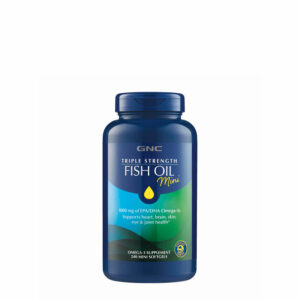
GNC – Triple Super Fish Oil Mini Capsules 240 Capsules
Original price was: $298.00.$245.00Current price is: $245.00. Add to basket -
Sale!

Swisse – Ultiboost Odorless High Concentration Wild Fish Oil 1500mg 400 Capsules
Original price was: $298.00.$220.00Current price is: $220.00. Add to basket