























































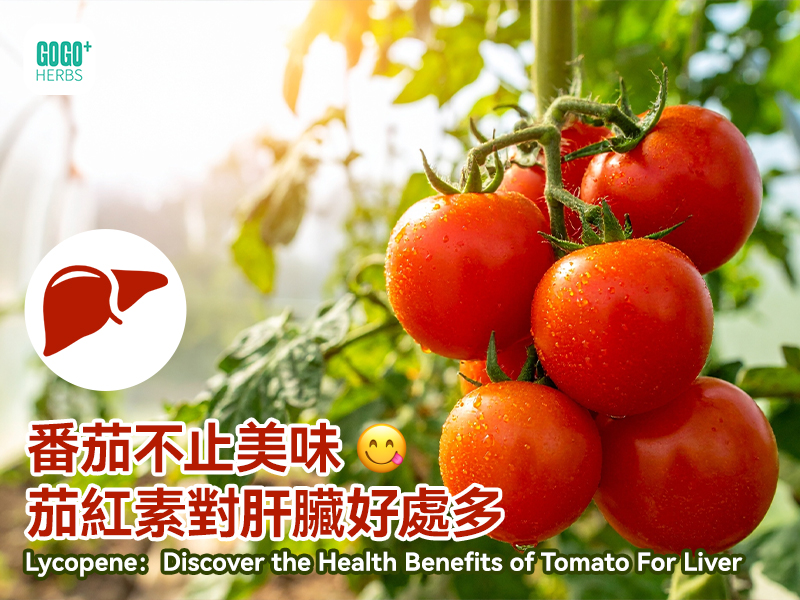
At the tomato stalls in the market, red tomatoes, pink tomatoes, tomatoes the size of a fist, tomatoes the size of a finger are lined up in a row, and the prices can differ by as much as double. People who choose the reddest pile usually have one reason: it's high in lycopene, which is good for the liver.
This claim is not unfounded. A mouse experiment published in Cancer Prevention Research in 2018 by Wang Xiangdong's team at Tufts University showed that a group fed a high-fat diet also consumed tomato powder. After 24 weeks, the incidence of liver cancer was reduced by 67%, the number of tumors was reduced by 83%, and the tumor size was reduced by 95%.
These three numbers are quite striking and easily turned into a chart. To understand them, you need to identify three things: what kind of rats were they, what kind of feed they were, and how much would a human need to eat to match them. The third question actually has an answer—in an interview at Tufts University, the study's corresponding author said that, in human terms, it's roughly equivalent to two to three tomatoes a day, or a serving of pasta with tomato sauce.
This sentence is much more useful than the four words "lycopene protects the liver".
1. How were those three numbers calculated?
Let me explain the experiment clearly first. It's not one of those surveys you see every day that says "people who eat more tomatoes are healthier." Instead, it's a deliberately created model of liver disease—researchers first gave mice a carcinogenic starting point, then gave them a diet that could promote liver cancer, and then saw how much tomato powder could block it.
| project | content |
|---|---|
| object | Male mice with both BCO1 and BCO2 genes knocked out |
| starting point | Two-week-old infants were given an intraperitoneal injection of diethylnitrosamine (DEN) at a dose of 25 mg/kg. |
| diet | Starting at six weeks of age, the animals were fed a high-fat diet, with fat making up 60% of their total energy intake; one group was given tomato powder as an additional supplement. |
| time | 24 weeks, 9 birds per group |
| result | The incidence of liver cancer decreased by 67%, the number of tumors decreased by 83%, and the tumor volume decreased by 95% (p<0.05). |
Three details are worth noting. Diethylnitrosamine is a commonly used chemical carcinogen in laboratories; a single injection is enough to plant the seeds of a tumor in the liver of a mouse. Human liver cancer rarely looks like this; cases in Hong Kong mainly stem from long-term accumulation of hepatitis B, hepatitis C, alcohol, and fatty liver. The diet, with fat making up 60% of the total energy, isn't just about "occasionally eating an oily meal," but rather replacing most of the daily calories with fat for six months.
There's still time. A mouse's lifespan is about two and a half years, and 24 weeks is about one-third of adulthood, which translates to roughly a decade or more of long-term exposure in humans. This conversion can only be used to understand "enough time," not to extrapolate what humans would gain from eating tomatoes for two years.
In other words, this is a stress test: adding a food to a known carcinogenic environment to see how much less harm it causes. It answers the question of "whether there are protective signals," not "whether eating it will reduce the risk of liver cancer."
II. Why use a type of mouse that cannot break down lycopene?
The experiment used BCO1 and BCO2 double-gene knockout mice. These two genes produce β-carotene-15,15′-oxygenase and β-carotene-9′,10′-oxygenase, respectively. The same enzymes also exist in the human body, responsible for breaking down lycopene into smaller metabolites (apo-lycopenoids). Knocking out both effectively blocks this metabolic pathway.
Why do this? Because if you only use ordinary mice, when tomato powder is effective, you can't distinguish whether the benefit comes from lycopene itself or its metabolites. If the pathway is blocked and tomato powder is still effective, it means the protective effect doesn't rely on these metabolites.
This design also sets the boundaries for the conclusions. It proves that "it is still effective without relying on this metabolic pathway," rather than that "humans will get the same effect from eating tomatoes." The activities of BCO1 and BCO2 vary from person to person; people with different genotypes can have blood lycopene concentrations that differ by several times—this is precisely the direction that researchers have been pursuing since then.
As for the proportion of tomato powder in feed and the concentration of lycopene, the methodology section of the paper lists these figures, but those are animal feed formulations, and directly multiplying them by human weight is not appropriate. The truly usable conversion is the research team's own statement: two to three tomatoes per day, or a serving of tomato sauce with pasta.
Third, two papers are often read as one.
Almost all the widely circulated articles attribute "fatty liver, liver inflammation, and liver cancer" to the same research result. In reality, they are two papers published by the same laboratory in 2018, with similar models, the same 24-week study period, and the same 9 mice in each group, but they measure different substances.
| 《Molecular Nutrition & Food Research》 | "Cancer Prevention Research" | |
|---|---|---|
| The quantity is | Liver fat accumulation and inflammation | liver cancer |
| Does it contain carcinogens? | No, only high-fat feed. | Yes, DEN is injected at two weeks of age. |
| Main results | The severity of steatosis was correlated with a decrease in liver triglycerides (p<0.04). | The incidence, number, and size of tumors decreased. |
| Mechanism clues | SIRT1 activity is associated with increased adiponectin activity and increased AMPK phosphorylation. | Reduced liver inflammatory foci and increased expression of clock genes |
| gut microbiota | Increased abundance, decreased relative abundance of Clostridium species | Increased abundance and diversity, decreased abundance and diversity of Clostridium and Mucispirillum |
Why is it important to distinguish between them? Because there's a huge gap between "reduced liver fat" and "reduced liver cancer" in humans. The former can show changes within six weeks, while the latter takes ten or twenty years, and involves several hurdles such as fibrosis and cirrhosis. By combining the two into the statement "Tomatoes prevent liver cancer," that middle ground disappears.
Both papers share a common conclusion worth remembering: the effects of tomato powder do not depend on carotenoid lysins. This "does not depend on" is the starting point of the whole story—it suggests that it's not just the lycopene molecule that's at work.
IV. Why tomato powder outperforms purified lycopene
In an interview at Tufts University, Wang Xiangdong stated it more directly than in the paper's abstract: "We observed that tomato powder was more effective in preventing liver cancer development than the same dose of purified lycopene supplements." His reasoning was that other components in tomatoes—vitamin E, vitamin C, folic acid, minerals, phenolic compounds, and dietary fiber—may work together.
The source of this statement needs to be clarified: it comes from an interview with a research institution and is the researcher's description of the overall observations; the paper's abstract does not list "comparison with purified lycopene" as a main conclusion. It's more accurate to interpret it as the researcher's interpretation rather than as control data in the paper.
However, this direction is echoed in another completely independent study that focuses on humans, and that data is even more robust.
V. The First Layer of the Human Body: A Singapore Study of 63,000 People
In 2020, the journal *Cancer Epidemiology, Biomarkers & Prevention* published the results of the Singapore Chinese Health Study, which was the first prospective population study specifically examining the relationship between tomatoes and liver cancer.
Sixty-three thousand two hundred and fifty-seven Chinese participants aged 45 to 74, who were cancer-free at enrollment, were followed for an average of 17.6 years, during which 561 cases of liver cancer occurred. Four groups were categorized by tomato intake from low to high. Comparing the highest and lowest intake groups, the hazard ratio was 0.63 (95% CI 0.49 – 0.81), with a trend test p < 0.001. This inverse association remained in individuals without hepatitis B carrier status.
Then comes the most crucial line: lycopene intake was not associated with the risk of liver cancer (trend test p=0.54).
In the same study, tomatoes were relevant, but lycopene was not. This aligns with the finding in mouse experiments that "tomato powder outperformed purified lycopene." Two lines of evidence from completely different systems point to the same conclusion: it's not just that one red molecule that plays a role.
This is still an observational study. People who eat more tomatoes may generally eat more vegetables, less processed meat, have higher incomes, and have more frequent physical examinations. The researchers adjusted for known confounding factors, but adjustment does not eliminate them; this is a limitation common to all cohort studies.
VI. The Second Layer of the Human Body: A Six-Week Experiment with Seventy-Nine People
The POMOSANO trial published in Nutrients in 2026 used tomatoes directly as an intervention, which is a rare randomized controlled design.
| project | content |
|---|---|
| object | 79 adults with metabolic-associated fatty liver disease (MASLD) and a BMI not exceeding 30. |
| Grouping | The intervention group consisted of 42 people, and the control group consisted of 37 people. |
| intervention | The intervention group consumed 200 grams of raw tomatoes and 50 grams of tomato sauce daily; the control group did not eat tomatoes. |
| time | 6 weeks |
| Main measurements | FibroScan controlled decay parameter (CAP) reflects liver fat content. |
| result | The median change in CAP was −35.00 to −18.00 dB/m; the interaction term β = −26.63 (−44.00 to −9.25), p = 0.0030 |
Both groups showed a decrease in liver fat, with the intervention group experiencing a greater decrease, which was statistically significant. This result is quite positive in the context of the topic "Tomatoes and Liver."
However, in the same report, there were no differences between the two groups in liver stiffness, FIB-4 index, weight, body composition, and most metabolic and biochemical indicators. The authors themselves frankly stated that the sample size was small, the time period was only six weeks, compliance relied on self-reporting by the subjects, and no blood lycopene or carotenoid concentrations were measured. The conclusions belonged to the "hypothesis formulation" level and required confirmation by larger-scale and longer-term trials.
Six weeks is enough to move liver fat, but not weight or fibrosis. This timeframe is worth remembering because it also illustrates one thing: the effects of tomatoes are not achieved by making people lose weight.

VII. Prostate cancer versus other cancers: the strength of the evidence varies greatly.
The four cancers that are often grouped together—prostate cancer, lung cancer, breast cancer, and colorectal cancer—are actually not on the same level of evidence.
Observational studies on prostate cancer are the most numerous, but the results are also the most inconsistent. A 1995 study tracking 47,894 men showed that those who ate more than ten servings of tomato products per week had a hazard ratio of 0.65 ( 0.44–0.95) compared to the lowest group; however, later meta-analyses, examining cohort studies separately, showed a hazard ratio of 0.96 ( 0.84–1.10), which was not statistically significant.(PMID 27841367)。
In 2007, the U.S. Food and Drug Administration conducted a formal review and concluded that there was no credible evidence to support claims on labels that "eating tomatoes or lycopene can reduce the risk of cancer."(PMID 17623802)This review is often overlooked, but it represents the regulatory body's overall assessment of all the evidence available at the time.
Regarding lung cancer, stronger evidence lies in the fruit as a whole rather than tomatoes; for colorectal cancer, it lies in whole grains and dietary fiber. The World Cancer Research Fund and the American Institute for Cancer Research maintain that tomatoes "may" reduce the risk of respiratory and digestive tract cancers, while clearly stating that no single food can prevent cancer.
This doesn't mean tomatoes are worthless. It means that expecting tomatoes to be a shield against a specific type of cancer is unrealistic; placing them back into the overall diet is where they belong.
VIII. Current Status of Liver Health in Hong Kong
Bringing American rat experiments back to our own country reveals a different picture.
In 2022, Hong Kong recorded 1,612 new cases of liver cancer and 1,412 deaths. Liver cancer was the third leading cause of cancer death that year, accounting for 9.6% of all cancer deaths—after lung cancer and colorectal cancer.
Fatty liver disease is more common. Data from the Faculty of Medicine at the Chinese University of Hong Kong shows that about 27% of the adult population in Hong Kong suffers from non-alcoholic fatty liver disease, or about one in four. The team used magnetic resonance spectroscopy to track and estimate that the incidence of non-alcoholic fatty liver disease is 13.5% over three to five years, with more than 100,000 new cases each year.
The main cause of liver cancer is viral hepatitis. Approximately 8% to 10% of Hong Kong's population are hepatitis B carriers, and data from the government and the Department of Health indicate that about 70% to 80% of liver cancer patients in Hong Kong are related to chronic hepatitis B.
These figures make it clear: the main culprit behind liver cancer in Hong Kong is hepatitis B, not a particular food coloring. Tomatoes may trigger fatty liver, but fatty liver itself is not solely caused by tomatoes.
9. The main treatment for fatty liver is weight loss, not tomatoes.
The joint guidelines from the European Association for the Study of the Liver, the European Association for the Study of Diabetes, and the European Association for the Study of Obesity in 2024 specify the key points in detail:
| Weight loss range | Corresponding liver changes |
|---|---|
| – % (those with normal weight but metabolic risk factors) | Improvement in liver-related indicators |
| 5% or more | Decreased liver fat content |
| 7–10% | Improvement of liver inflammation |
| 10% or more | Fibrosis has the potential to improve |
Comparing these lines side-by-side with the results from POMOSANO, the roles become clear. The Pomodoro Technique significantly reduced liver fat over six weeks, while weight remained unchanged—it followed a path that didn't rely on weight loss. Weight loss is the main focus, while the Pomodoro Technique is something easily done daily alongside it, without much concern.
This division of labor is not meant to belittle tomatoes. On the contrary, precisely because it doesn't require willpower to lose ten kilograms, it's more suitable for long-term consumption. What we really need to be wary of is using it as a substitute—replacing a meal with a glass of tomato juice or replacing a doctor's appointment with tomato supplements; neither of these practices are supported by this research.
10. How can lycopene be absorbed?
The act of absorption determines the difference between "how much you eat" and "how much you absorb".
Lycopene in raw tomatoes exists in the all-trans crystalline form, encased in chromoplasts within the cells, making it difficult for human digestive enzymes to release. Heating and chopping break down the cell walls and dissociate the crystals, thus increasing bioavailability—tomato paste, tomato sauce, and cooked tomato soup all have higher lycopene content and absorption rates than the same weight of raw tomatoes.
Oils are necessary, but the type isn't the key; the total amount is. Processed foods contain about 10 grams of fat, and raw foods about 15 grams. A single meal can include this: half a tablespoon of olive oil, an egg, or a small piece of meat. A meal completely devoid of oil will result in almost undetectable lycopene absorption.
There's an upper limit to heating. Prolonged high-heat concentration will cause lycopene to oxidize and degrade; cooking for too long doesn't necessarily make it more nutritious. Simmering over medium heat for about ten minutes with a little oil is a more practical approach for everyday use. A more complete comparison of the finished product can be found at [link to product description].A complete nutritional analysis of tomatoes〉。

11. How to put in the three meals a day?
It's not difficult to break down "two to three tomatoes a day" into Hong Kong people's three meals. In terms of quantity, two to three medium-sized tomatoes are roughly the equivalent after research and conversion; in terms of vegetables, half a bowl of cooked tomatoes counts as one serving.
For breakfast, fry one or two tomatoes along with the eggs; the oil will already be in the pan. For lunch, have a plate of scrambled eggs with tomatoes or beef and tomato rice; lycopene and protein will be consumed together. For dinner, cook tomato and potato soup, or pasta with tomato sauce. If you get one meal right, you'll likely have enough for the day.
What you should pay attention to is often the finished product. The following figures are the content per 100 grams.
| Products | Lycopene (micrograms) | Sodium (mg) | Usage Tips |
|---|---|---|---|
| Dried tomatoes | 45,900 | — | With the highest concentration, sugar and calories are also concentrated; use in small amounts. |
| Tomato paste | 28,764 | 59 | Adding one or two tablespoons to the cooking liquid is enough; the sodium content is not high. |
| Tomato sauce | 12,062 | 907 | 21.3 grams of sugar, used for flavoring, not for vegetables. |
| Salted tomato juice | 9,037 | 253 | A 240ml cup: be mindful of your daily salt intake. |
| raw tomatoes | 2,573 | 5 | Potassium 237 mg, Vitamin C 13.7 mg |
Here's a commonly refuted fact: per 100 grams, tomatoes are not the food with the highest lycopene content. Guava (about 5,204 micrograms) and watermelon (about 4,532 micrograms) both exceed the 2,573 micrograms of raw tomatoes; papaya (1,830 micrograms) and pink grapefruit (1,420 micrograms) are in the same range. The real advantage of tomatoes is that they are widely consumed, have many product variations, and are inexpensive—they are the primary source of lycopene for most people, not the champion in concentration.
Incidentally, white grapefruits contain almost no lycopene; choose varieties with pink or red flesh.
As for how the variety and size of tomatoes affect calories and sugar content, please see <How to choose between large tomatoes and cherry tomatoes〉。
12. Quantity and Safety Limits
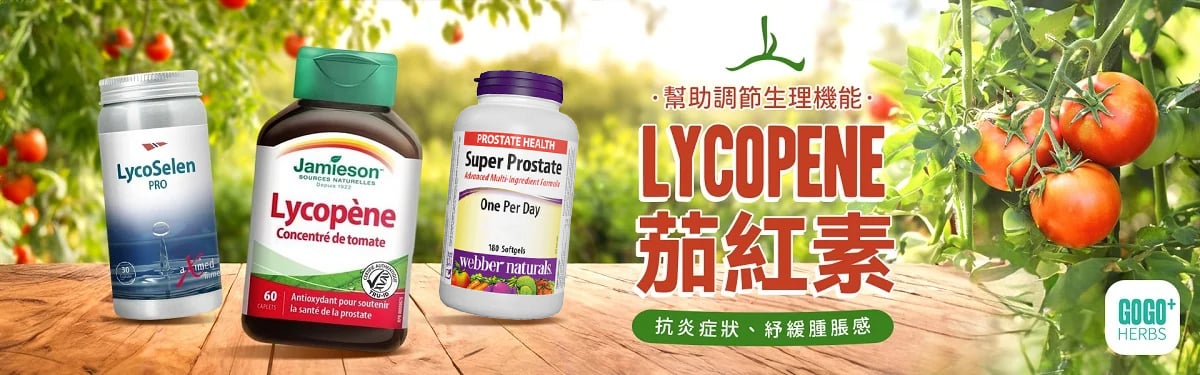
There is currently no international organization to establish a daily recommended intake or upper limit for lycopene. This does not mean that there is no limit to the amount that can be consumed, but rather that the question of "how much is enough" can only be estimated based on the effective doses studied—which, when converted back, is equivalent to two to three tomatoes per day.
A few practical things to keep in mind:
The skin turned orange-yellow.Long-term excessive intake of tomatoes or lycopene can lead to high blood concentrations, causing the skin to turn orange-yellow; there are case reports in the literature.(PMID 35938228)This condition does not harm the liver and will gradually subside after discontinuing use, but it is important to know that it is not a sign of worsening liver disease.
Gastroesophageal reflux disease.Tomatoes are a common trigger, especially when eaten on an empty stomach or before bed. This varies greatly from person to person; those experiencing symptoms should simply avoid them, without needing to completely abstain from tomatoes.
Kidney disease and dialysis.Tomatoes contain 237 mg of potassium per 100 grams. People who need to limit their potassium intake should include tomatoes and tomato juice in their daily intake. Concentrated products should be consumed with caution.
Solanaceae allergy.A small number of people are allergic to tomatoes, experiencing reactions such as itchy mouth and skin rashes. This is not related to lycopene, but rather to an allergy caused by protein.
People who are currently receiving follow-up care from doctors.Dietary adjustments for liver cancer, cirrhosis, or fatty liver require consultation with the attending physician and a registered dietitian; simply adding one type of food is not enough.
When should I see a doctor?
Symptoms of liver disease often appear late. Persistent discomfort in the upper right abdomen, unexplained fatigue, decreased appetite, significant weight loss, yellowing of the whites of the eyes or skin, abdominal distension, and easy bruising should all prompt immediate medical attention. Individuals who are hepatitis B carriers, have a family history of cirrhosis or liver cancer, should follow their doctor's advice for regular checkups and examinations.
If you experience acute discomfort, call 999 to request an ambulance.
Frequently Asked Questions
How many tomatoes should I eat every day?
Based on current research estimates, two to three medium-sized tomatoes per day, or one serving of pasta with tomato sauce, roughly corresponds to the serving size calculated from mouse experiments. In terms of vegetable serving size, half a bowl of cooked tomatoes counts as one serving.
Is it better to eat it raw or cooked?
Both have their benefits. Cooked tomatoes have more easily absorbed lycopene; raw tomatoes retain more vitamin C, and their water and fiber are also intact. With a little oil in the same meal, both methods of consumption allow for the absorption of lycopene.
Can drinking tomato juice replace eating tomatoes?
It can supplement lycopene, but it lacks the satiety provided by fiber and chewing, and the salted version contains 253 mg of sodium per 100 grams. It's fine as a beverage, but not very suitable as a vegetable substitute.
Are lycopene supplements worth taking?
Current evidence largely supports obtaining lycopene from whole foods. In mouse studies, tomato powder was more effective than the same dose of purified lycopene; in a Singaporean population study, tomato intake was relevant, but lycopene intake was not. If you wish to take supplements, consult a doctor or pharmacist first and be mindful of combining them with other carotenoid supplements.
Can tomatoes prevent liver cancer?
Human studies are still ongoing, and there is currently no experimental evidence to prove that tomatoes can prevent liver cancer. Existing support comes from mouse experiments and associations observed in more than 60,000 people. Adding tomatoes to a balanced diet is a well-founded practice; however, using them as a means of cancer prevention is beyond the scope of evidence.
Is it beneficial for people with fatty liver to eat more tomatoes?
A randomized trial involving 79 people over six weeks showed that consuming 200 grams of raw tomatoes and 50 grams of tomato sauce daily resulted in a greater reduction in liver fat compared to the control group. In the same study, there were no changes in weight or fibrosis, so tomatoes were a side dish; weight loss and exercise remained the primary focus.
Which is the best: tomato paste, tomato sauce, or tomato juice?
Tomato paste has the highest lycopene concentration and low sodium content, making it the easiest to use daily. Tomato juice and salted tomato juice are higher in sodium; check the ingredient list.
What happens if you eat too many tomatoes?
The most common side effect is an orange-yellow discoloration of the skin, which will subside after discontinuation. Kidney disease patients who need to restrict potassium should calculate the dosage; people with gastroesophageal reflux may experience discomfort if they consume large amounts on an empty stomach.
Can hepatitis B carriers protect their liver through diet?
Diet is supplementary and cannot replace antiviral medication and regular monitoring. Hepatitis B carriers should follow their doctor's instructions for follow-up appointments to monitor liver function, viral load, and liver imaging; abstaining from alcohol, controlling weight, and avoiding health products of unknown origin are equally important.
Do tomatoes interact with medications?
Currently, there are no reports of clear, clinically significant interactions between tomatoes or lycopene and commonly used medications. If someone currently taking medication plans to significantly increase their intake of a certain food or start taking supplements, the safest course of action is to consult their doctor or pharmacist first.
Source of information
Xia H, Liu C, Li CC, Fu M, Takahashi S, Hu KQ, Aizawa K, Suganuma H, Wu G, Zhao L, Wang XD. Dietary Tomato Powder Inhibits High-Fat Diet – Promoted Hepatocellular Carcinoma with Alteration of Gut Microbiota in Mice Lacking Carotenoid Cleavage Enzymes. Cancer Prevention Research. 2018;11(12):797–810. PMID 30446518
Li CC, Liu C, Fu M, Hu KQ, Aizawa K, Takahashi S, Suganuma H, Cheng J, von Lintig J, Wang XD. Tomato Powder Inhibits Hepatic Steatosis and Inflammation Potentially Through Restoring SIRT1 Activity and Adiponectin Function Independent of Carotenoid Cleavage Enzymes in Mice. Molecular Nutrition & Food Research. 2018. PMID 29266812
Thomas CE, Luu HN, Wang R, Adams-Haduch J, Jin A, Koh WP, Yuan JM. Association between Dietary Tomato Intake and the Risk of Hepatocellular Carcinoma: The Singapore Chinese Health Study. Cancer Epidemiology, Biomarkers & Prevention. 2020. PMID 32284341
Tatoli R, Donghia R, Carella N, Cerabino N, Di Chito M, Zappimbulso M, Pesole PL, Stabile D, Ferro A, Pascale G, Shahini E, Pavone F, Fontana L, Giannelli G. Effect of Tomato Consumption on Liver Steatosis in MASLD: A Randomized Controlled Trial (POMOSANO Study). Nutrients. 2026. PMID 42588099
Xu X, Cheng Y, Li S, Zhu Y, Yi P, Zhou W, Zhu L, Wang Y, Li Y. Dietary carrot and lycopene intake and risk of prostate cancer: a systematic review and meta-analysis. Medicine. 2016. PMID 27841367
Kavanaugh CJ, Trumbo PR, Ellwood KC. The US Food and Drug Administration's evidence-based review for qualified health claims: tomatoes, lycopene, and cancer. Journal of the National Cancer Institute. 2007;99(14):1074–1085. PMID 17623802
Brown KF, Rumgay H, Dunlop C, et al. The fraction of cancer attributable to modifiable risk factors in England, Wales, Scotland, Northern Ireland, and the United Kingdom in 2015. British Journal of Cancer. 2018. PMID 29567982
Tufts University. Eating Tomatoes to Fight Liver Cancer. Tufts Now, 28 February 2019. now.tufts.edu
Carotenoderma due to lycopenemia: A case report and evaluation of lycopene deposition in the skin. Journal of Dermatology. 2022. PMID 35938228
Hong Kong Cancer Registry Centre, Hospital Authority: Overview of Hong Kong Cancer Statistics 2022www3.ha.org.hk
Hong Kong Special Administrative Region Government Press Release: Legislative Council Question 14 – Introduction of New Medical Technology (New Symptoms and Mortality Figures of Liver Cancer), 26 March 2025.info.gov.hk
The Chinese University of Hong Kong's Faculty of Medicine: A recent study by CUHK reveals that more than 100,000 new cases of non-alcoholic fatty liver disease are diagnosed in Hong Kong each year.med.cuhk.edu.hk
Centre for Health Protection, Department of Health: Viral hepatitis.chp.gov.hk
US Department of Agriculture, Agricultural Research Service. FoodData Central: Lycopene content in tomatoes, tomato products, guava, watermelon, papaya, and grapefruit.fdc.nal.usda.gov
Related Readings
〈Fried and oily foods can easily lead to fatty liver.> This discusses how dietary structure contributes to fatty liver; <Types, causes, and symptoms of fatty liver disease> provides the foundation for diagnosis and classification; <Nutritional Myths and Food Safety of WatermelonThen we can look at the same set of questions from another fruit high in lycopene.
Health Declaration:The content of this article is for health education purposes only and should not replace professional medical diagnosis, treatment, or individual advice. For any dietary adjustments, supplement use, or questions about your medical condition, please consult a doctor or registered dietitian.
Related Products:
-
Sale!

GINAX – Ginseng Tea Bag / Ginseng White Tea Rose Tea Bag | 1bag
Original price was: $13.00.$10.00Current price is: $10.00. 選擇規格 This product has multiple variants. The options may be chosen on the product page -
Sale!

GINAX – Manuka Honey UMF™ 5+ 30g
Original price was: $30.00.$25.00Current price is: $25.00. Add to basket -
Sale!
Single 10% off】aXimed – Recovery Speed 100% Whey Protein Powder 30 sachets
Original price was: $558.00.$502.00Current price is: $502.00. Add to basket -
Sale!
Livinglean – Organic Dietary Mineral Powder 8g x 20 sachets
Original price was: $368.00.$298.00Current price is: $298.00. Add to basket
Related Post:
![眼乾食葉黃素有用嗎?」「秋冬天眼乾特別嚴重,點算?]()
What foods are good for dry eyes? The roles and selection of Omega-3, lutein, zeaxanthin, and blueberry extract.
![男士夜尿、滴滴仔:良性前列腺增生的症狀、檢查與保健品選購]()
Nocturia and dribbling in men: Symptoms, examinations, and supplemental evidence of benign prostatic hyperplasia (BPH).
![通宵一晚,血壓會升多少?]()
Staying up late and blood pressure: How much will blood pressure rise after staying up all night on Halloween? Interpreting cardiovascular risk data.
![均衡備餐與體重管理]()
Weight Management Shopping Guide: 8 Selected Probiotics, Apple Cider Vinegar, and Herbal Formulas