






























































Information on infant and toddler care is compiled for reference only and does not replace a doctor's diagnosis or pediatric advice.
Table of contents
- The first year of infancy: the most rapid period of development
- Physiological motor development (gross motor skills and fine motor skills)
- Psychological and Emotional Development
- A psychological perspective (for understanding only, not for diagnosis)
- Nutritional needs and complementary foods
- When should you consult a doctor?
- Frequently Asked Questions (FAQ)
- Source of information
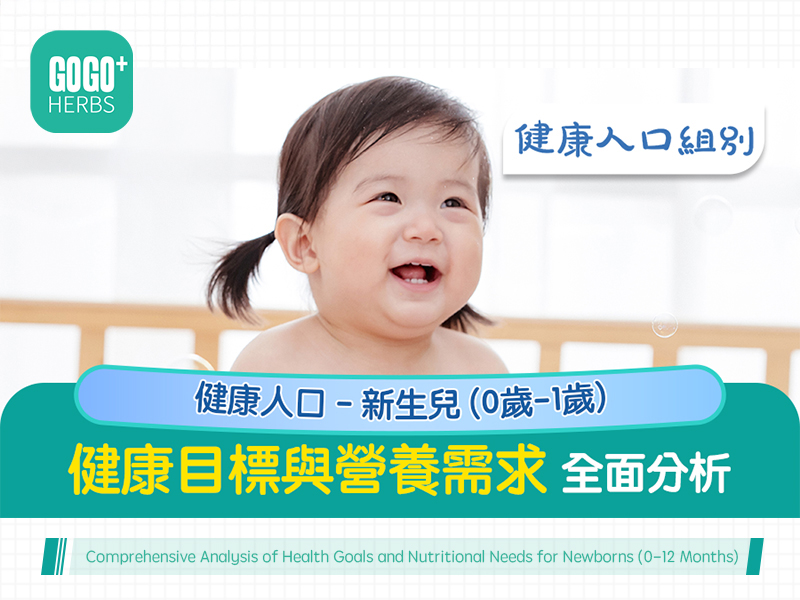
The first year of infancy: the most rapid period of development
The first year of a baby's life is the period of most rapid development, which can be physiologically divided into three stages: 0–1 and 0–1.coarse movements(such as lifting the head, rolling over, sitting, crawling) andfine movements(Such as grasping, pinching objects with fingers) are the two main categories. During this period, the baby also begins to establish an emotional connection with the caregiver and expresses their needs through voice, facial expressions and body language.
Physiological motor development (gross motor skills and fine motor skills)
Development Reference
The following are common references for observing the age of infants.This is for trend awareness purposes only and does not imply that "failure to meet the standard is abnormal".:
- 1 month:It will stare at people's faces.
- 2 months:It can be amusing.
- 3 months:It might laugh out loud.
- 4–5 months:She began to recognize strangers and showed a friendly smile to her mother.
- 6 months:They will put food in their mouths by themselves, or open their mouths to indicate that they want more food.
- 7– 8 months:Perhaps she smiles at her reflection in the mirror.
- 9–10 months:When you reach out for a toy, he might hand it to you; or he might start to fear strangers.
- 12 months:They can point out what they want.
Motor development is a continuous process, and most babies will gradually master it over a period of time, without needing to compare themselves with other babies.
Psychological and Emotional Development
In terms of emotional regulation and interpersonal interaction, babies will gradually develop: smiling at people, opening their mouths to indicate that they want more food when they are full, and pointing to what they want; and expressing different emotions and needs through sound and facial expressions.
約 Around 6 months oldBabies begin to develop an attachment to their closest caregivers. Research indicates that the brain grows rapidly from 25 weeks of gestation to two years after birth (especially the right brain), and this expansion is directly influenced by the richness of the early environment and social interaction experiences; the emotional experiences babies gain from sounds, images, and interactions form the foundation for early learning.
A psychological perspective (for understanding only, not for diagnosis)
Nutritional needs and complementary foods
Nutrition for infants in the first yearBreast milk is the best source of nutrition.If breastfeeding is not possible, discuss suitable infant formula with your doctor. Pay attention to the following: calories, protein, carbohydrates, lipids, and sufficient vitamins and minerals (such as folic acid, iron, zinc, magnesium, calcium, vitamins A, C, E, B complex, and niacin).However, specific intake and whether supplementation is necessary should be based on the advice of a pediatrician or nutritionist.。
When will non-staple foods begin to be available?
Most modern guidelines (such as) NHS Best Start in Life、WHO Guidelines for Feeding Supplemental Foods)suggestion:Exclusively breastfeed the baby until about 6 months old, and start introducing complementary foods around 6 months.Continue breastfeeding or formula feeding at the same time. The timing of starting also depends on whether the baby shows signs of readiness (such as being able to sit steadily, showing interest in food, and the disappearance of the tongue thrust reflex).Please refer to the pediatrician's assessment and your baby's individual condition.It is not advisable to do it too early.
Reference serving sizes for side dishes (not mandatory)
| Phase (approximately) | Common Reference Content | remind |
|---|---|---|
| Initial stage (from about 6 months onwards) | A few tablespoons of rice cereal/wheat cereal or rice porridge, and a small amount of vegetable puree or fruit puree. | Start with a single ingredient and a small amount, and observe for allergic reactions. |
| Mid-term (approximately 7– 9 months) | Gradually increase the portion size, adding chopped vegetables, fruits, and high-quality protein. | The texture gradually changes from muddy to crumbly. |
| Later stage (approximately 10–12 months) | The portions have increased, the food is more diverse, and the texture is closer to a home-cooked meal. | Respect your baby's appetite and do not force them to finish their food. |
Eggs (such as egg yolks and whole eggs) are generally recommended to be consumed at approximately [amount missing]. 6 months laterStart with small amounts and observe for any allergic reactions; please follow the advice of your doctor or health educator when introducing any new ingredients. The serving sizes in the table above are...Common references; please adjust flexibly according to your baby's appetite and doctor's advice.。
For more information on infant feeding and nutrition, please refer to [link/reference]. Hong Kong Department of Health Family Health Service The parenting and infant nutrition section.
When should you consult a doctor?
- Their development is significantly behind that of their peers (e.g., they are slow to lift their heads, avoid eye contact, and do not interact verbally).
- Difficulty feeding, stunted weight gain, frequent vomiting, or suspected allergic reactions.
- Allergic reactions such as rashes, respiratory or gastrointestinal abnormalities may occur after the introduction of complementary foods.
- Your mood or sleep condition makes you feel worried or something is wrong.
If you have any concerns, consulting a pediatrician or a health center/family health service professional as soon as possible is usually more reassuring than searching on your own.
Frequently Asked Questions (FAQ)
Do babies have to be at least a few months old before they can start eating complementary foods?
Most guidelines recommend exclusive breastfeeding until around 6 months, followed by the introduction of complementary foods around 6 months, adjusting according to the baby's readiness. The exact timing should be determined by a pediatrician's assessment and should not be too early.
Is there a problem if development milestones are not "met"?
Every baby's pace is different, and age milestones are just a reference. Unless your baby is significantly behind or you have a feeling something is wrong, there's no need to panic excessively, but you can proactively confirm with your doctor.
When can I give my baby eggs?
Generally, you can start trying eggs in small amounts after about 6 months and observe for allergic reactions; please follow the advice of your doctor or health educator when introducing new foods.
What to do if you don't have enough breast milk?
You can discuss with a pediatrician or lactation consultant to evaluate options for increasing milk supply, expressing milk, or choosing appropriate formula. Do not make your own judgments and delay nutrition.
Will arguments between parents affect the baby?
Although babies don't understand the content, they can sense the tension and indifference in the environment and become anxious. Stable and warm responses help develop a sense of security and trust.
Is Freud's "oral personality" a diagnosis?
No. The oral stage is an early psychological theory; modern understanding of personality formation is more complex, and it should not be used to label or judge individuals.
Source of information
- Hong Kong Department of Health Family Health Service — Guidelines on childcare, infant nutrition, and complementary foods (Traditional Chinese).
- NHS Best Start in Life — Weaning — UK National Health Service guidelines for starting complementary foods (weaning), including the explanation of "starting at around 6 months" (in English).
- WHO — Complementary feeding fact sheet — World Health Organization Fact Sheet on Feeding of Complementary Foods (in English).
Disclaimer: This article is a compilation of information on infant and toddler development and nutrition for parents to understand common concepts.This does not constitute medical diagnosis, treatment or prescription advice.Every baby is different; all decisions regarding feeding, complementary foods, and supplements should be based on an individual assessment by a pediatrician or registered dietitian. If you have any concerns about development or nutrition, please consult a medical professional as soon as possible. Please refer to the latest version of the information from the source website for the most up-to-date information cited in this article.
Related Post:
![母親用滴管把少量植物藻油滴在食物匙上,幼兒坐在餐桌旁]()
A Complete Guide to Plant-Based Algae Oil Omega-3: Odorless, Vegetarian, and Suitable Omega-3 Choices for Pregnant Women and Infants
![牛樟芝子實體與膠囊製品示意]()
What is Antrodia camphorata? A complete guide to its ingredients, research evidence, and precautions for consumption.
![世界心臟日護心飲食場景,香港中年夫婦享用豆漿、豆腐、雞蛋與堅果,旁有心臟及細胞膜卡通示意]()
World Heart Day: Heart Health in Hong Kong Starts with Daily Life | What are the Benefits of Lecithin? Which of Three 1200mg Products to Choose From?
![香港成年人在家閱讀與休息,從日常習慣開始理解腦部健康]()
魚油、迷你膠囊還是B12?腦部健康熱銷8款的配方與日常選擇