Many women find that they seem to shrink in height, experience back pain, or even fracture bones easily after a minor fall around the time they enter menopause—these could all be signs of bone loss. Human bone density peaks around age 30 and then gradually declines with age; after menopause, the rate of bone loss accelerates significantly due to decreased estrogen levels.
This article will explain the mechanisms of bone loss, the actual effects of caffeine and diet, whether soybeans and yams truly have bone-protecting effects, and the nutritional and lifestyle habits that menopausal women should really pay attention to. In this article, "bone quality" and "bone mass" refer to bone density and bone mass, and "estrogen" refers to female hormones such as estradiol.
This article contains
- 1. Bones are "living": Why does bone mass decrease year by year?
- II. Why does estrogen loss accelerate after menopause? Understanding the role of estrogen.
- Third, besides calcium deficiency, these factors also affect bone density.
- IV. Should I give up coffee and milk tea? A discussion of caffeine and bone health.
- V. Essential Bone-Protecting Nutrients During Menopause
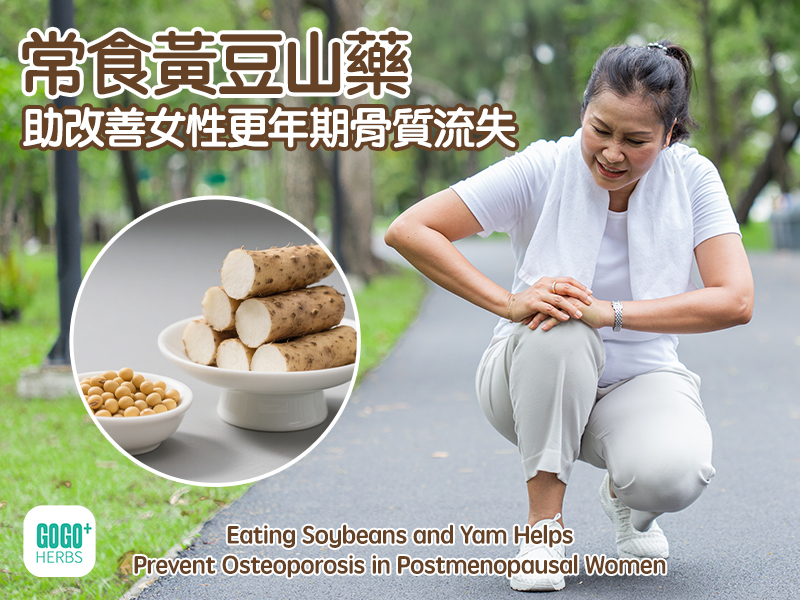
- VI. Soybeans, yams, and phytoestrogens: Can they really protect bones?
- 7. "Three Less and One More" and Lifestyle Habits: How to do it in daily life
- 8. How to prepare your bones before and after menopause
- 9. If these symptoms occur, please seek medical attention as soon as possible.
- 10. Frequently Asked Questions (FAQ)
- Source of information
1. Bones are "living": Why does bone mass decrease year by year?
Bones are not static frameworks, but living tissue that is constantly "rebuilding": the cells responsible for bone formation (osteocytes) and the cells responsible for breaking down bone (osteoclasts) are always operating in balance.Hong Kong Centre for Health ProtectionIt is pointed out that the skeleton is a dynamic organ, and the body is constantly producing new bone tissue and breaking down old bone tissue;After we get to around 30 years old, the rate at which bone tissue is produced begins to slow down relatively.More bone tissue is broken down than is newly formed, leading to gradual bone loss.
In other words, bone mass is like an account: you deposit more and withdraw less when you're young, reaching its peak around age 30 ("peak bone mass"). Afterward, withdrawal gradually exceeds deposit, and the account balance declines year by year. If your peak bone mass in your youth was already low, and the rate of bone loss is rapid, the chances of developing osteoporosis later in life will increase. Therefore,Preventing osteoporosis is not something you only need to do during menopause; it's a lifelong process.。
| stage | Bone changes |
|---|---|
| Children and adolescents | Bone formation occurs much faster than bone breakdown, leading to rapid bone mass accumulation. |
| Around 30 years old | Bone mass reaches its peak (peak bone mass). |
| After 30 years old | The rate of new bone formation slows down, and bone mass begins to be lost year by year. |
| Before and after menopause in women | Estrogen levels decrease, and the rate of loss accelerates significantly. |
| Postmenopausal 5–8 years | The rate of loss was still relatively fast, but it gradually slowed down afterward. |
The rate and starting point of bone loss vary from person to person, which explains why two women of the same age can have vastly different bone health conditions.
II. Why does estrogen loss accelerate after menopause? Understanding the role of estrogen.
Estrogen plays an important protective role in women's bones. On the one hand, it inhibits the activity of osteoclasts, and on the other hand, it helps the intestines absorb calcium, maintaining a balance between bone breakdown and bone formation. When ovarian function declines and estrogen levels drop, this balance is disrupted, and bone breakdown significantly exceeds bone formation.
Studies show that bone loss caused by estrogen deficiency...The most rapid cessation of menstruation occurs in the early stages.The trabecular bones (such as the spine) are most affected. The following two studies can help understand its speed:
- Ettinger (1988)It is pointed out that bone loss caused by estrogen deficiency is quite rapid at first, with trabecular bone losing about 5–8% per year and cortical bone (the outer layer of long bones in the limbs) losing about 1–3% per year; after 10–15 years of estrogen deficiency, the rate of loss gradually slows down each year.
- Mazzuoli et al. (2000)A study tracking 123 women aged 60 with a 45– bone mineral density (BMD) found that lumbar spine BMD decreased by approximately 1.5% to 3.9% per year over 1 to 5 years after menopause.It was not significant until about 6 years after menopause.During this period, the total loss was approximately 15%.
This also explains why the Centre for Health Protection...Early menopauseListed as a risk factor for osteoporosis: If menopause occurs prematurely due to surgery or disease, the duration of estrogen protection is shortened, and bone loss may occur earlier.
A friendly reminder:Menopause is a natural physiological stage, not a disease. Accelerated bone loss can be slowed down through diet, exercise, and lifestyle changes—the earlier you start, the better the results, but it's always worth starting at any time.
Third, besides calcium deficiency, these factors also affect bone density.
While calcium deficiency is a common cause, bone health is affected by many factors.Centre for Health ProtectionSeveral factors that increase the risk of osteoporosis are listed below:
- Endocrine disorders:For exampleHyperthyroidism (overactive thyroid)Hyperparathyroidism and other conditions can interfere with bone metabolism and formation.
- Malnutrition, insufficient calcium intake。
- Long-term use of certain medications:Such as steroids, some chemotherapy drugs, and anticonvulsants.
- Lifestyle habits:Alcohol abuse, smoking, lack of exercise, or prolonged inactivity (such as after a stroke).
- Other diseases:Cancer and inflammatory bowel disease, etc.
A systematic review also showed that hyperthyroidism is associated with decreased bone mineral density and an increased risk of fractures.Vestergaard & Mosekilde, 2003In terms of diet, a long-term preference for processed foods, sugary drinks, excessive caffeine and alcohol, or a high-fat, high-protein diet rich in meat and fatty foods is detrimental to bone health. Furthermore,Underweight or overweightThe disadvantages are also: those who are too thin have less bone mass, while those who are too heavy will increase the burden on their joints and cause metabolic problems.
Important Boundaries:Thyroid or parathyroid dysfunction is a disease that must be diagnosed and treated by a doctor (e.g., by having a blood test to check thyroid function).Endocrine disorders cannot be corrected by diet alone.If you have been diagnosed with a related problem, please follow your doctor's instructions and consult a doctor or pharmacist before adding any health supplements.
IV. Should I give up coffee and milk tea? A discussion of caffeine and bone health.
Many people believe that caffeine "drains" calcium from bones, thus avoiding coffee, milk tea, and strong tea. In fact, this isn't so absolute. International authorities on bone and calcium metabolism research... Heaney (2002)The review points out:
- Caffeine itself only has a small effect on intestinal calcium absorption.Very small inhibitory effect24-hour urinary calcium excretionNo impact。
- This level of inhibition is very small.Just 1 to 2 tablespoons of milk is enough to completely offset the effects.。
- Past observations have shown that "people who drink coffee regularly have poorer bone health," largely because...People who drink a lot of coffee tend to drink less milk.— That is, caffeine is only an indicator of "insufficient calcium intake", not the main cause.
- 在Calcium intake reaches the recommended amountThere is no evidence that caffeine is harmful to bones or calcium metabolism in humans.
Of course, some studies also suggest that high caffeine intake is associated with faster loss of caffeine.Rapuri et al. (2001)A study tracking older women found that those who consumed more than 300 mg of caffeine daily (about 3 cups of coffee) experienced faster spinal bone loss, and that the effects interacted with vitamin D receptor genotypes—meaning the impact varied from person to person.
In summaryFor most people, the key is not "giving up coffee," but rather...Is overall calcium intake sufficient?What's truly noteworthy is that caffeinated drinks such as hand-shaken tea, milk tea, and lemon tea often...Replaces calcium sources such as milkIt also often contains a lot of sugar, which is what is more detrimental to bones and weight.
If you want to reduce your caffeine intake, consider the following:Naturally caffeine-free or low-caffeineChoice:
- Rooibos, South Africa's national treasure tea:Naturally caffeine-free and contains various minerals.
- Chamomile tea:Herbal tea, caffeine-free.
- Other herbal teas:Spices such as peppermint and hibiscus generally do not contain caffeine (but it is still advisable to pay attention to the ingredient label when purchasing).
It's important to note that these drinks themselvesNot a "bone-protecting" drugUsing them as alternatives to caffeinated beverages can help reduce caffeine and sugar intake, but bone health still requires a balanced diet, sufficient calcium, and exercise.
V. Essential Bone-Protecting Nutrients During Menopause
Bone health cannot rely on a single nutrient. Besides the well-known calcium, vitamin D, magnesium, and protein are equally important. Below is a summary of the roles of major nutrients and their officially recommended intake (for the distribution of various food groups in a daily diet, please refer to this website).Understanding the Six Major Food Groups in a Balanced Diet):
| Nutrients | Main function | food sources |
|---|---|---|
| 鈣 | The main minerals that make up bones; they also participate in muscle contraction and nerve conduction. | Milk, cheese, yogurt; calcium-fortified soy milk; fish eaten whole (sardines); dark green vegetables (kale, amaranth, sweet potato leaves); firm tofu. |
| Vitamin D | It helps the intestines absorb calcium and regulates the body's calcium-phosphorus balance. | Sun exposure (skin synthesizes its own vitamin D); oily fish (salmon, sardines, tuna); egg yolks; foods fortified with vitamin D. |
| 鎂 | It participates in bone mineralization; assists in the normal functioning of the parathyroid gland (related to bone metabolism). | Whole grains, legumes, nuts, dark green vegetables, whole wheat bread |
| protein | An important component of the skeletal matrix, it maintains muscle strength (and helps prevent falls). | Lean meat, fish, eggs, beans and their products, dairy products |
| Vitamin K | Assisting in bone mineralization | Dark green leafy vegetables, fermented foods (such as natto) |
| 鉀 | It helps reduce calcium loss from bones. | Bananas, oranges, avocados, sweet potatoes, spinach, and other fruits and vegetables |
Recommended daily intake (based on official guidelines)
- calcium:UK NHSThe recommended intake for adults aged 19 to 64 is approximately 700 mg daily, which can be obtained from a balanced diet.US NIH Office of Dietary SupplementsIt is recommended that women over 51 years of age take approximately 1,200 mg daily.The total daily intake should not exceed 1,500 mg.Excessive consumption may cause gastrointestinal discomfort.
- Vitamin D:NHSThe recommended daily intake for adults (including pregnant and breastfeeding women) is 10 micrograms (400 IU). Sunlight is the primary source of nutrients; supplementation may be considered during autumn and winter or for those who spend long periods indoors.
- magnesium:NHSIt is noted that women aged 19 to 64 need about 270 mg per day and men about 300 mg, which can generally be obtained from a balanced diet; high doses (more than 400 mg) taken for a short period of time may cause diarrhea.
A friendly reminder:Calcium intake recommendations vary slightly across different regions (guidelines in Hong Kong, the UK, and the US are not entirely the same), and adjustments can be made based on individual dietary habits and doctor's advice. If you are also taking thyroid medication, some antibiotics, or osteoporosis medication,Calcium supplements may affect drug absorption, so they should be taken at different times and you should consult a doctor or pharmacist first.。
VI. Soybeans, yams, and phytoestrogens: Can they really protect bones?
Soybeans and their products containSoy isoflavonesIts structure is similar to human estrogen, hence it is called "phytoestrogen." This is the origin of the claim that "regular consumption of soybeans helps improve bone loss during menopause." So, what is the evidence?
Soy isoflavones and bone density: Research results are inconsistent.
Based on the combined results of multiple randomized controlled trials, the overall trend is positive, but the overall effect is limited and varies depending on dosage, population, and bone location.
| Research | Design and Objects | result |
|---|---|---|
| Chen et al. (2003) | 203 postmenopausal Chinese women aged 62 (48–) were given approximately 40 or 80 mg of isoflavones daily for one year. | The high-dose group showed higher bone mineral content in the total hip and trochanter.Mild but statistically significantPositive changes are particularly noticeable in those with lower bone mass. |
| Liu et al. (2009) meta-analysis | 10 RCTs, 896 women, average daily dose of 87 mg, for at least 1 year | Overall bone densityNo significant effect observedHowever, for those taking ≥80 mg daily, the effect on vertebral bone mineral density was not significant.Weak positive trend |
| Ricci et al. (2010) meta-analysis | Seventeen studies, including 12 involving 1,433 participants, provided lumbar spine data. | Overall effectNot statistically significantHowever, studies on genistein alone showed more positive results. |
| Abdi et al. (2016) Systematic Review | 23 RCTs, involving 3,494 postmenopausal women | Different phytoestrogen preparations and dosages yielded conflicting results, with an overall positive but not consistent trend. |
Population study: People who regularly eat soybeans have a lower risk of fractures
Observational studies provide more encouraging clues.Zhang et al. (2005)A study tracking 24,403 postmenopausal women in Shanghai found that the group with the highest soy protein intake...The risk of fracture is approximately 60% of that in the lowest group.(Relative risk 0.63), and shows a dose-response trend;Singapore Chinese Health ResearchA similar direction was also observed.
Put these pieces of evidence together:Using natural foods such as soybeans, tofu, and soy milk as daily sources of protein and calcium is a reasonable and positive choice.Research suggests it may help slow bone loss, but the effect is mild and it cannot replace medication for osteoporosis. Consult a doctor before considering high-dose soy isoflavone supplements.
Yam and Burdock: Traditional Perspectives and Modern Evidence
Yam (often called Huai Shan in Hong Kong) containsdiosgeninIt is one of the raw materials for the industrial synthesis of hormone drugs, and therefore is often mistakenly believed to "supplement hormones." It is important to note that:The human body cannot directly convert diosgenin into estrogen.Animal experiments have shown that diosgenin can reduce bone loss in ovariectomized rats.Zhang et al., 2014),butHuman research is still insufficientEvidence in this regard is still accumulating.
As for burdock, it is often listed as a source of phytoestrogens, but related human studies are quite limited. Overall, yam and burdock are considered...Nutrient-rich ingredientsIncorporating these into a balanced diet is encouraged; however, they should not be regarded as methods for "supplementing hormones" or "treating menopausal bone loss."
Important Boundaries:Phytoestrogens supplementsIt cannot replace a doctor's diagnosis and prescription.Osteoporosis is a medical condition that requires evaluation and treatment by a doctor. Because phytoestrogens may affect hormone-sensitive tissues, and some studies indicate that soy products may interact with certain medications,Those currently undergoing hormone therapy, thyroid treatment, or osteoporosis medication must consult a doctor before taking this medication.。
7. "Three Less and One More" and Lifestyle Habits: How to do it in daily life
In terms of diet, you can grasp"Three less and one more"in principle:Less fried, less salt, less sugar, and more fiber.This not only helps with body management but also lays a good foundation for bone health. Whether eating out or cooking at home, choose more dark green vegetables, legumes, and whole grains, and supplement calcium with low-fat dairy products or calcium-fortified soy products.
In terms of sports,Weight-bearing exercise and resistance trainingThis is especially important for bones, as bones respond to mechanical stress and increase bone mass. A comprehensive analysis shows that various exercise modalities (including aerobic, resistance, and mixed training) help maintain bone mineral density in postmenopausal women.Kemmler et al., 2020If you're concerned about balance or joint problems, activities like Tai Chi, brisk walking, hiking, and dancing are also good options—a Hong Kong study showed that Tai Chi training has a positive effect on bone density in postmenopausal women.Chan et al., 2004)。
Other lifestyle habits (you can also refer to this website)<Develop good lifestyle habits to prevent bone loss>):
- Quit smoking and limit alcohol consumption:Both smoking and excessive alcohol consumption increase the risk of osteoporosis.
- Moderate sun exposure:It helps the skin synthesize vitamin D.
- Maintain a healthy weight:Avoid being too thin or too fat.
- Preventing falls:Removing obstacles from the home, maintaining vision and hearing checks, and preserving muscle strength and balance are especially important for older adults.
8. How to prepare your bones before and after menopause
The focus may differ slightly at different stages, but the core remains the same:Incorporate calcium, vitamin D, and exercise into your daily life.。
| stage | Key Points |
|---|---|
| Premenopause (young to middle age) | Peak bone mass: Balanced diet, sufficient calcium and vitamin D, regular weight-bearing exercise, no smoking and limited alcohol consumption. |
| The perimenopausal period (the years before and after menopause) | Estrogen levels begin to decline and loss accelerates: Increase calcium and vitamin D intake, increase exercise, and assess individual risk factors. |
| Postmenopause | Continue maintenance and regular assessments; if necessary, consult a doctor to determine if medication is required; also, take precautions against falls. |
It is important to emphasize that:Starting skincare before menopause yields the greatest benefits; however, it's never too late to begin at any age.Even after menopause for many years, improving diet and increasing exercise can still help maintain bone and muscle function.
9. If these symptoms occur, please seek medical attention as soon as possible.
Osteoporosis often presents with no obvious symptoms in its early stages and is frequently only discovered after a fracture. If you experience any of the following, it is recommended to seek medical evaluation as soon as possible:
- 因Fractures from minor falls or collisions(i.e., "fragility fracture").
- Persistent unexplained lower back pain。
- Height has obviously decreasedOr appearHunchback(Possibly due to spinal compression).
In addition, the following individuals are at higher risk and should proactively assess themselves: those who have been taking high-dose steroids for a long time, those whose parents have had a hip fracture, those who are underweight, those who lack exercise, and those who smoke or drink heavily.Postmenopausal womenDoctors may use risk assessment tools (such as FRAX) and schedule appointments.Dual-energy X-ray absorptiometry (DEXA/DXA) for bone mineral densityMeasuring bone mineral density. This website provides information on the causes, classification, diagnosis, and treatment of osteoporosis.Prevention and treatment of osteoporosisA more complete explanation is available; if you also experience joint discomfort, you can also refer to this.Glucosamine and Osteoarthritis。
Emergency:If after falling...Severe pain, inability to stand, obvious deformity, or suspected fracturePlease call immediately. 999 If you need to seek medical attention at the emergency room, do not attempt to treat it yourself or delay treatment.
Medical Boundaries:Osteoporosis can be treated with medication (such as drugs that slow down bone breakdown), but whether or not medication is needed should be determined by your doctor based on your fracture risk.Diet, exercise, and calcium/vitamin D are part of daily maintenance and cannot replace the diagnosis and prescription of medication.
10. Frequently Asked Questions (FAQ)
1. Bone loss has occurred; is it possible to reverse it?
Lost bone mass is difficult to fully recover to the level of youth, butBone loss can be slowed and existing bone mass maintained through diet, exercise, and (if deemed necessary by a doctor) medication.This significantly reduces the risk of fractures. The key is to start early and stick to it.
2. Is drinking milk every day enough to get calcium?
Milk is a good source of calcium, but healthy bones also require vitamin D (which helps calcium absorption) and weight-bearing exercise (which stimulates bones). Furthermore, prolonged sitting, smoking, and excessive alcohol consumption can negate the benefits of calcium supplementation. Drinking milk alone is insufficient; a holistic approach is recommended.
3. Can soy milk and tofu protect bones?
Soy products contain soy isoflavones and also provide protein and (depending on processing) calcium. Studies show that people who regularly eat soybeans have a lower risk of fractures, which is a positive sign. It's reasonable to include soy as part of a daily diet; however...It is a gentle and continuous form of maintenance, not an immediate "bone-strengthening" method, and cannot replace medication.。
4. Chinese yam (Huai Shan) contains phytoestrogens. Can eating more of it supplement hormones?
No. The diosgenin contained in yam...It cannot be converted into estrogen in the human body.Animal studies suggest it may help reduce bone loss, but human evidence remains insufficient. Simply eat yams as a nutritious food; don't expect them to "supplement hormones."
5. Do coffee and milk tea really cause osteoporosis?
Caffeine has only a very small inhibitory effect on calcium absorption.As long as overall calcium intake is sufficient, the impact on bones is limited.More importantly, milk tea and hand-shaken tea often replace milk and other calcium sources, and are high in sugar. Instead of giving up coffee, it's better to ensure you get enough calcium every day.
6. Can soy isoflavone supplements replace osteoporosis medication?
No. Osteoporosis is a medical condition that requires diagnosis and prescription treatment by a doctor. Health supplements are only supplementary for daily nutrition.It cannot replace medicineIf you are currently taking medication, you should consult your doctor or pharmacist before adding any health supplements to avoid any interactions.
7. Is calcium supplementation alone enough?
Not enough. Vitamin D helps with calcium absorption, magnesium participates in bone mineralization, proteins form the bone matrix, and weight-bearing exercise stimulates bone growth. Bone health is the result of a combination of factors.
8. Is it helpful to start taking care of yourself before menopause?
Very useful. The higher the peak bone mass accumulated in youth, the more "capital" you will have later in life. A balanced diet, sufficient calcium and vitamin D, and regular exercise should be established from childhood. Even after menopause, improving lifestyle habits can still help maintain bone and muscle function.
9. When should a bone mineral density test be performed?
There is no strict age requirement, but it is generally recommendedWomen aged 65 and above, men aged 70 and aboveYounger individuals, or those with risk factors (such as long-term steroid use, parental hip fracture, underweight, early menopause, etc.), should discuss with their doctor whether testing is necessary. The standard testing method is DEXA, and the procedure is painless.
10. Is hormone therapy always necessary after menopause?
Not necessarily. Whether or not hormone therapy or other osteoporosis medications are used must be assessed by a doctor based on your symptoms, fracture risk, and individual health condition.Do not purchase or discontinue medication on your own.Any treatment decision should be discussed with your doctor.
Source of information
- Hong Kong Centre for Health Protection:Osteoporosis, a common disease in men(Causes, risk factors, prevention and treatment of osteoporosis)
- UK NHS:Calcium、Vitamin D、Vitamins and minerals (such as magnesium)
- US NIH Office of Dietary Supplements (ODS):Calcium、Vitamin D、Magnesium
- Ettinger B. Prevention of osteoporosis: treatment of estradiol deficiency. Obstet Gynecol. 1988;72(5 Suppl):12S–17S.
- Mazzuoli G, et al. Annual skeletal balance and metabolic bone marker changes in healthy early postmenopausal women. Bone. 2000;26(5):477–482.
- Chen YM, Ho SC, et al. Soy isoflavones have a favorable effect on bone loss in Chinese postmenopausal women with lower bone mass. J Clin Endocrinol Metab. 2003;88(10):4740–4747.
- Liu J, Ho SC, et al. Effect of long-term intervention of soy isoflavones on bone mineral density in women: a meta-analysis of randomized controlled trials. Bone. 2009;44(5):948–953.
- Ricci E, et al. Soy isoflavones and bone mineral density in perimenopausal and postmenopausal Western women: a systematic review and meta-analysis. J Womens Health. 2010;19(9):1609–1617.
- Abdi F, et al. Effects of phytoestrogens on bone mineral density during the menopause transition: a systematic review of randomized, controlled trials. Climacteric. 2016;19(6):535–545.
- Zhang X, et al. Prospective cohort study of soy food consumption and risk of bone fracture among postmenopausal women. Arch Intern Med. 2005;165(16):1890–1895.
- Koh WP, et al. Gender-specific associations between soy and risk of hip fracture in the Singapore Chinese Health Study. Am J Epidemiol. 2009;170(7):901–909.
- Heaney RP. Effects of caffeine on bone and the calcium economy. Food Chem Toxicol. 2002;40(9):1263–1270.
- Rapuri PB, et al. Caffeine intake increases the rate of bone loss in elderly women and interacts with vitamin D receptor genotypes. Am J Clin Nutr. 2001;74(5):694–700.
- Vestergaard P, Mosekilde L. Hyperthyroidism, bone mineral, and fracture risk—a meta-analysis. Thyroid. 2003;13(6):585–593.
- Kemmler W, et al. Effects of Different Types of Exercise on Bone Mineral Density in Postmenopausal Women: A Systematic Review and Meta-analysis. Calcif Tissue Int. 2020;107(5):409–439.
- Chan K, et al. A randomized, prospective study of the effects of Tai Chi Chun exercise on bone mineral density in postmenopausal women. Arch Phys Med Rehabil. 2004;85(5):717–722.
- Zhang Z, et al. High-dose diosgenin reduces bone loss in ovariectomized rats via attenuation of the RANKL/OPG ratio. Genes Nutr. 2014;9(5):429.
Note: This article is a revised version of an existing article on this site, "Regular Consumption of Soybeans and Yams Helps Improve Bone Loss During Menopause in Women." Some statements in the original article referenced data from health checkup institutions in Taiwan. This article has been revised to reflect data from the Centre for Health Protection, the NHS, and peer-reviewed studies, and the original personal recommendations have been removed.
Health Declaration:The content of this article is for general health information reference only.It cannot replace professional medical diagnosis, treatment or prescription.Everyone's health condition is different. If you have any questions about your bone health, or are taking any medications, please consult your doctor or registered pharmacist. If you experience acute symptoms or suspect a fracture, seek immediate medical attention or call 999.
Related Products:
-
Sale!

GINAX – Ginseng Tea Bag / Ginseng White Tea Rose Tea Bag | 1bag
Original price was: $13.00.$10.00Current price is: $10.00. 選擇規格 This product has multiple variants. The options may be chosen on the product page -
Sale!

GINAX – Manuka Honey UMF™ 5+ 30g
Original price was: $30.00.$25.00Current price is: $25.00. Add to basket -
Sale!

Single 10% off】aXimed – Recovery Speed 100% Whey Protein Powder 30 sachets
Original price was: $558.00.$502.00Current price is: $502.00. Add to basket -
Sale!

Livinglean – Organic Dietary Mineral Powder 8g x 20 sachets
Original price was: $368.00.$298.00Current price is: $298.00. Add to basket
Related Post:
![母親用滴管把少量植物藻油滴在食物匙上,幼兒坐在餐桌旁]()
A Complete Guide to Plant-Based Algae Oil Omega-3: Odorless, Vegetarian, and Suitable Omega-3 Choices for Pregnant Women and Infants
![牛樟芝子實體與膠囊製品示意]()
What is Antrodia camphorata? A complete guide to its ingredients, research evidence, and precautions for consumption.
![世界心臟日護心飲食場景,香港中年夫婦享用豆漿、豆腐、雞蛋與堅果,旁有心臟及細胞膜卡通示意]()
World Heart Day: Heart Health in Hong Kong Starts with Daily Life | What are the Benefits of Lecithin? Which of Three 1200mg Products to Choose From?
![香港成年人在家閱讀與休息,從日常習慣開始理解腦部健康]()
Fish oil, mini capsules, or B12? Formulas and daily choices for 8 best-selling brain health products.