












































Don't eat oats like that.
Oats are a highly nutritious whole grain food, rich in dietary fiber, especially its key nutrient "beta-glucan," a water-soluble fiber with multiple health benefits such as regulating cholesterol and stabilizing blood sugar. Therefore, many people...Improve blood lipidsTo lower cholesterol, many people choose to replace white rice with oatmeal as part of their daily diet. However, nutrition experts warn that while oatmeal is suitable for long-term consumption, improper consumption can not only fail to achieve the desired health benefits but may even burden the body.
Oatmeal helps stabilize blood sugar, but liquid oat products pose a higher risk of raising blood sugar.
Oats help stabilize blood sugar primarily because of their relatively low glycemic index (GI), which is lower than that of white rice, brown rice, and germ rice. The dietary fiber in oats increases intestinal viscosity, slows down the digestion and absorption of carbohydrates, thereby reducing the rate at which glucose enters the bloodstream, lowering fluctuations in insulin secretion, and contributing to stable blood sugar control.
However, many commercially available liquid oat products, such as oat milk, oat drinks, or oat porridge, while convenient and quick to consume, often have a higher glycemic index than solid oats. Adding extra sugar or other high-sugar ingredients to enhance the taste can easily cause a rapid rise in blood sugar, not only failing to help control blood sugar but also potentially leading to weight gain and increased cholesterol. Therefore, for those who need to lose weight or control their blood sugar, it is recommended to prioritize unsweetened solid oat products and carefully check the additive list on the packaging to avoid consuming unnecessary refined sugars and processed ingredients.
Oatmeal cannot replace regular meals; a balanced diet remains key.
Although oats helpLower cholesterolHowever, oatmeal is not nutritionally complete and cannot provide all the nutrients the human body needs, therefore it cannot completely replace regular meals. If oatmeal is used as a staple food for all three meals for a long time, it may lead to an unbalanced diet, which in turn affects the body's absorption of important minerals such as calcium, iron, and magnesium. This is because oatmeal contains phytic acid, which may interfere with the digestion and utilization of these minerals.
In addition, oatmeal should be part of a main meal, not a snack after a meal. If you consume oatmeal on top of a full meal, it can easily lead to excessive starch intake, which will not only fail to help with weight loss but may also cause excess calories and weight gain.
People with hypertension, hyperlipidemia, and hyperglycemia should consume oatmeal in moderation and avoid excessive intake.
For those with three highs (high blood pressure, high blood sugar, high cholesterol)High blood pressureFor patients with conditions such as high blood sugar and high cholesterol, while oatmeal can help regulate cholesterol, this does not mean it can be consumed without restraint. According to the recommendations of the U.S. Food and Drug Administration (FDA) and the European Food Safety Authority, to effectively lower blood cholesterol through oatmeal, approximately 3 grams of beta-glucan needs to be consumed daily, which is roughly equivalent to 3 to 4 bowls of oatmeal, potentially containing as many as 440 calories. If consumed with milk, the total calorie intake could exceed 800 calories. Excessive intake can not only lead to calorie accumulation but may also cause elevated triglycerides, thereby increasing the risk of high cholesterol and cardiovascular disease.
Pay attention to the type of oat product and its suitability for your individual constitution.
The market offers a wide variety of oat products, including rolled oats, oat flour, oat milk, and instant oats, but not all of them offer the same health benefits. Some products are highly processed, significantly reducing their fiber content, and may even contain large amounts of sugar or other additives. These not only fail to help lower blood lipids but may also have negative health effects.
In addition, for people with gluten allergy or celiac disease, although oats themselves do not contain gluten, they are susceptible to cross-contamination during the production process. Therefore, they should still carefully choose certified gluten-free oat products to avoid causing gastrointestinal discomfort or intestinal diseases.
Finally, oats are high in phosphorus, and excessive intake may increase the burden on the kidneys for people with poor kidney function or kidney disease. Therefore, it is recommended that kidney patients avoid or consume very little oats and consult a nutritionist or doctor in advance to ensure dietary safety and health.
In summary, while oats are a very healthy food, it's important to pay attention to the type, quantity, and method of consumption to truly realize their health benefits and avoid adverse effects from improper intake. Maintaining a diverse and balanced diet is the key to long-term health.





Author. gogoherbs
Related Products:
-
Sale!
 Out of stock
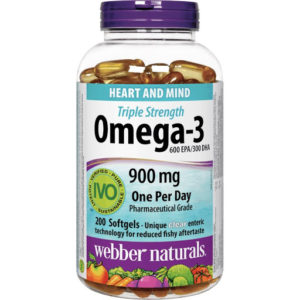
Webber Naturals – Triple Strength Omega-3 (900mg EPA / DHA) 200 capsules Value Pack
Original price was: $398.00.$280.00Current price is: $280.00. Add to basket -
Sale!

Kirkland Signature – Omega-3 Concentrated Deep Sea Fish Oil Pills 1300mg 330 Capsules
Original price was: $350.00.$298.00Current price is: $298.00. Add to basket -
Sale!
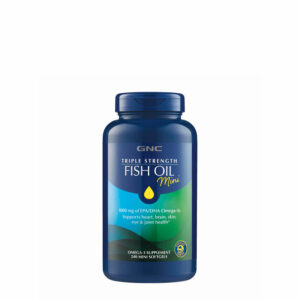
GNC – Triple Super Fish Oil Mini Capsules 240 Capsules
Original price was: $298.00.$245.00Current price is: $245.00. Add to basket -
Sale!

Swisse – Ultiboost Odorless High Concentration Wild Fish Oil 1500mg 400 Capsules
Original price was: $298.00.$220.00Current price is: $220.00. Add to basket