
















































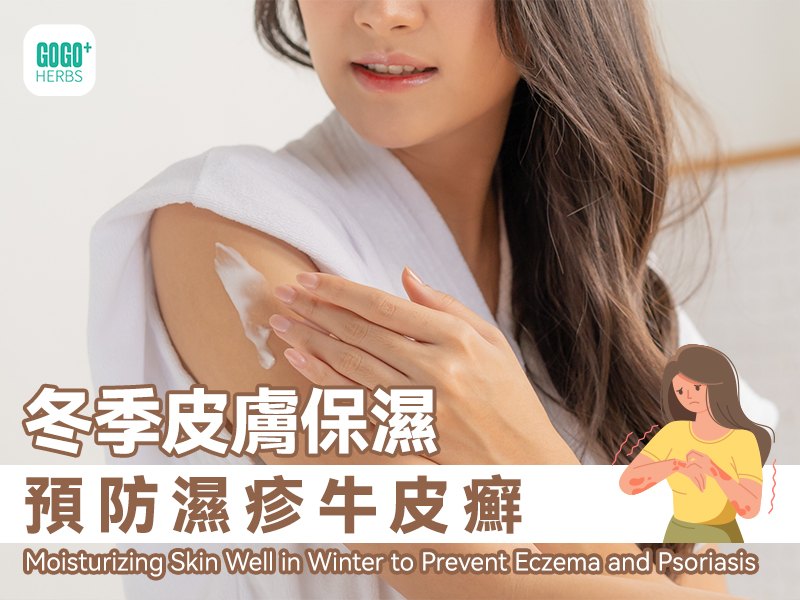
Winter skin moisturizing to prevent eczema and psoriasis
Erythroderma is a serious complication of skin diseases, often resulting from the worsening of common skin conditions such as eczema and psoriasis. Patients experience widespread redness, swelling, dryness, peeling, and intense itching all over their body, sometimes accompanied by a foul odor, severely impacting their quality of life. Dermatologist Dr. Chiang Chung-Yi warns that erythroderma not only affects appearance but can also lead to life-threatening complications such as sepsis and heart failure, urging the public to pay attention to skin care and take preventative measures early.
Causes and symptoms of erythroderma
Dr. Jiang pointed out that erythroderma is usually caused by localized...eczemaIt can worsen. Under the influence of factors such as lack of proper care, seasonal changes, and stress, eczema can develop into atopic dermatitis, and eventually erythroderma. Erythroderma patients will have large areas (up to 901 TP4T) of redness and swelling on their skin, resembling "roasted suckling pig", accompanied by blisters, intense itching, and odor, which seriously affects their appearance and causes emotional distress for many patients.
Potential risks of erythroderma
Patients with erythroderma experience dilated blood vessels in their skin, leading to rapid heat loss and a predisposition to hypothermia. Furthermore, the significant loss of water and protein increases the burden on the heart, potentially leading to heart failure, especially for the elderly.Decreased immunityPatients are also more susceptible to bacterial infections, which can lead to systemic sepsis and even be life-threatening.
Prevention and treatment of erythroderma
The key to preventing erythroderma is moisturizing. Dr. Jiang emphasizes that many eczema patients mistakenly believe that "if it doesn't itch, there's no need for skincare." Even without obvious symptoms, an oil-based moisturizer should be used morning and evening, or at least three times a day during autumn and winter (after waking up, after showering, and before bed) to maintain skin hydration. If you are concerned about the oily feeling, you can choose a regular moisturizer.
Because many skin diseases have similar symptoms and are easily confused, Dr. Jiang suggests that if you have any skin problems, you should seek medical attention as soon as possible to clarify the cause and avoid delaying treatment or aggravating the condition due to misuse of medication.
Dr. Jiang shared a case of a 70-year-old eczema patient who had neglected skin care for a long time. Her condition rapidly worsened within days, developing into erythroderma, characterized by red, swollen, and intensely itchy skin, even leading to scratching and bleeding. After diagnosis, because the condition was not yet too severe, the doctor prescribed oral steroids and antibiotics, and instructed her family to provide careful care and regular follow-up appointments.