
































































"Why do I always feel so tired?" "Why do I feel so heavy and lacking in energy all day?" These are two questions that many Hong Kong people ask themselves every spring. When the humid season arrives, water seeps from the walls, the floors become damp, and people feel as if they are soaked in water.
Traditional Chinese medicine categorizes this set of sensations as "dampness." This framework has been in use for a long time and can indeed explain the condition of some people; however, it has a premise that is easily overlooked:Dampness is a syndrome differentiation in Traditional Chinese Medicine, not a laboratory test result.Fatigue, heaviness in the body, and bloating can also be symptoms of anemia, thyroid dysfunction, sleep apnea, and even mood problems. Treating them all as "excessive dampness" often doesn't lead to the worst outcome; it often means delaying the diagnosis of a problem that can be detected by blood tests for years.
This article will do three things: First, it will explain what dampness is in Traditional Chinese Medicine and which body types are compatible with it; then, it will break down "fatigue, heaviness in the body, abdominal distension, and excessive vaginal discharge" and explain which of these should be investigated for other causes first; finally, it will discuss diet, the actual dosage conversion of the three soups, and who should not drink them.
| Your situation | suggestion |
|---|---|
| Feeling tired and heavy-headed, but also pale, experiencing palpitations, and shortness of breath after climbing just two flights of stairs. | First, get a blood test to check for anemia; don't just assume it's due to dampness. |
| He is extremely sleepy during the day and snores loudly at night; his family once said he would "choke awake" by it. | Schedule a sleep test to rule out sleep apnea. |
| Abdominal bloating and loose stools, especially noticeable after drinking milk or eating fruit. | First consider lactose or fructose malabsorption, rather than simply wet weight. |
| Increased vaginal discharge, accompanied by odor, color change, or itching. | See a doctor to rule out infection first; do not make your own dehumidifying soup. |
| If you want to drink a soup to dispel dampness, you should be pregnant, breastfeeding, or currently taking Chinese medicine. | Consult a traditional Chinese medicine practitioner first; some medicinal herbs have specific contraindications. |
| Swollen feet, indentations when pressed, or significant weight loss in a short period of time. | Seek medical attention as soon as possible to rule out heart, liver, kidney, or metabolic problems. |
First, "excessive dampness" is a concept in Traditional Chinese Medicine, not a laboratory test result.
First, let's clarify the definition. In Traditional Chinese Medicine (TCM), "dampness" is a collective term for a group of pathogenic characteristics and symptoms, not referring to a specific measurable fluid in the body. Traditionally, the characteristics of dampness are summarized as follows:
- Heavy Turbidity—The main symptom is a feeling of heaviness, such as a heavy head, sluggish and tired limbs; secretions and excretions tend to be sticky and turbid.
- Viscosity—The course of the disease is lingering and recurring, and it is not easy to get rid of it quickly.
- downwardIt can easily affect the lower part of the body, such as lower limb edema, increased vaginal discharge, and sticky, soft stools.
- Restricting the flow of airWhen dampness stagnates in the spleen and stomach, it can cause abdominal distension and loss of appetite.
These are descriptions of the theoretical system of Traditional Chinese Medicine (TCM). (Lecturer, School of Chinese Medicine, The Chinese University of Hong Kong)Dr. Guan Keqi's newspaper columnIt is also worth noting that dampness has the characteristics of being sticky and adherent, and it can turn into cold or heat depending on the cause of the disease and the individual's constitution, forming cold-dampness or damp-heat. "It is best to consult a Chinese medicine doctor before taking care of your health."
So the first thing to clarify is: there is no such thing as a "humidity index".Blood tests, urine tests, and body fat measurements all failed to detect "excessive dampness." This doesn't mean it doesn't exist—Traditional Chinese Medicine has a complete diagnostic system, and recent studies have attempted to find objective markers for it. A study published in the *Journal of Ethnopharmacology* (…)PMID 40784529A study comparing individuals with "balanced constitution" and "damp constitution" using serum exosome proteomics identified a number of differentially expressed proteins, primarily enriched in complement cascade and cardiovascular disease-related pathways. Four of these proteins, validated by ELISA, showed area under the curve (AUC) of 0.92 to 0.98 in differentiating damp constitution. The same study also observed that when a compound formula consisting of Poria cocos, Alisma plantago-aquatica, and Atractylodes macrocephala was used for damp constitution combined with hyperlipidemia, the expression of some differentially expressed proteins tended to recover.
This is a very interesting direction, but it should be viewed with a degree of skepticism: it's exploratory research, the samples come from a specific cohort, and it's conducted by a single research team; it's still a long way from a "clinically usable moisture test." It doesn't prove that "moisture can be detected," but rather...The syndrome of "dampness" may correspond to certain measurable biological differences, which warrants further investigation.。

II. Of the nine body constitutions, which ones are considered "damp"?
Many people say they have "dampness" when they feel tired, but Traditional Chinese Medicine does not classify body constitution into two categories.The "Classification of Traditional Chinese Medicine Constitutions and Health Preservation" published by the Office of Traditional Chinese Medicine Regulation, Department of HealthThe body constitution is divided into nine types: balanced, yin deficiency, qi deficiency, yang deficiency, damp-heat, phlegm-dampness, qi stagnation, blood stasis, and special constitution. Among them, two types truly focus on "dampness":
| constitution | Common symptoms described in official documents | Official dietary guidelines |
|---|---|---|
| Damp-heat constitution | Irritability, heaviness in the limbs, abdominal distension, dry mouth and bitter taste | Avoid overeating and excessive drinking; eat less fatty, spicy, and sweet foods. |
| Phlegm-dampness constitution | Obesity, fatigue, lethargy, loose stools | A light diet is recommended, avoiding rich and fatty foods, alcohol, and overeating. |
| Qi deficiency constitution | Weak breathing, slightly overweight, frequent spontaneous sweating, fatigue and forgetfulness | Foods that replenish, invigorate, and promote the flow of Qi include rice, yam, and jujubes. |
| Yang deficiency constitution | Fatigue, feeling cold, cold limbs, pale lips, drowsiness and weakness | Foods that warm and tonify the spleen and kidney yang, such as mutton, beef, and cinnamon. |
Looking closely at this table reveals an easily overlooked issue:"Fatigue" can appear in three different constitutions: phlegm-dampness, qi deficiency, and yang deficiency.Therefore, simply saying "I'm very tired" is not enough to determine if one has excessive dampness. Phlegm-dampness tends to manifest as "heaviness in the body, drowsiness, and loose stools"; Qi deficiency tends to manifest as "shortness of breath, spontaneous sweating, and susceptibility to colds"; and Yang deficiency manifests as "aversion to cold and cold limbs". The treatment approaches for the three are different, and even opposite—people with Yang deficiency will only become more tired if they drink large amounts of cold and dampness-removing soups for a long time.
Another study indirectly supports the distinction between "cold-dampness" and "damp-heat." A study published in the *Journal of Inflammation Research* on tongue coating metabolomics...PMID 40718131A comparison of tongue coating metabolites between patients with "cold-dampness syndrome" and "damp-heat syndrome" in chronic gastritis revealed 20 significantly different metabolites. The key pathways were concentrated in glycerophospholipid metabolism, with phosphatidylethanolamine being the core metabolite. This indicates that the classification of dampness into cold and heat patterns in Traditional Chinese Medicine is not arbitrary but has a corresponding biological basis.
III. Check against common symptoms: Which ones match, and which ones need to be checked first?
The following is a breakdown of common symptoms of "dampness and heaviness." Listing them side-by-side in the same column is not intended to replace Traditional Chinese Medicine with Western medicine, but rather to inform you:Before deciding which soup to make, are there any other things worth doing first?
| Performance | How does Traditional Chinese Medicine understand this? | Causes that should also be considered in modern times | When should an inspection be performed? |
|---|---|---|---|
| Overall fatigue and heaviness in the body | Dampness is heavy and turbid; or it may be due to qi deficiency. | Iron deficiency anemia, hypothyroidism, insomnia, and low mood | Lasting for weeks, affecting daily life |
| lethargy and excessive sleepiness | Phlegm and dampness retention; or yang deficiency | Sleep apnea, poor sleep quality, and drowsiness as a side effect of some medications | Snoring, waking up choking at night, and inability to stay awake during the day. |
| Loss of appetite, bloating | Dampness affects the spleen and stomach, causing stagnation of Qi. | Functional dyspepsia, lactose or fructose malabsorption, gut microbiota imbalance | Persistent abdominal bloating, accompanied by weight loss or pain upon eating |
| Loose stools that stick to the toilet | Spleen deficiency with dampness | Irritable bowel syndrome, post-infectious bowel reaction, lactose intolerance | Blood in stool, black stool, nighttime diarrhea, weight loss |
| Increased vaginal discharge | Leukorrhea due to spleen deficiency; or damp-heat accumulation in the lower body | Vaginal infections (candidiasis, bacterial vaginosis, trichomoniasis) | Changes in color, odor, or texture, or accompanied by itching or pain. |
| Thick and greasy tongue coating | Typical signs of a wet tongue | Oral hygiene, smoking, dehydration, mouth breathing | Accompanied by oral pain or ulcers that do not heal for a long time |
| lower limb edema, pressure marks | Water and moisture accumulation | Heart, liver, and kidney function; venous return; some medications | If pitting edema occurs, seek medical attention as soon as possible. |
The most useful aspect of this chart is the last row. All the other items fall into the category of "can be addressed gradually," but...Pitting edema is notIf you press your finger on the front of your calf for a few seconds, and the indentation lingers after you release it, your body is telling you that water is trapped in the interstitial spaces, which may be caused by problems with the heart, liver, or kidneys. At this point, the first thing to do is not to make soup, but to get a blood and urine test.Causes and Evidence of EdemaA separate article details the differences between concave and non-concave surfaces.
IV. Fatigue is not necessarily caused by dampness: four factors should be eliminated first.
"Fatigue" is the most common reason attributed to dampness, and it is also the one most easily overlooked.The UK National Health Service (NHS)Persistent fatigue is listed as a symptom that needs to be taken seriously, and several combinations of symptoms that point to a specific disease are outlined:
| Accompanying symptoms | Situations that may need to be excluded |
|---|---|
| Waking up at night, coughing or choking sounds, loud snoring, and still feeling sleepy during the day. | Sleep apnea |
| Fatigue, palpitations, shortness of breath, pale complexion | Iron deficiency anemia |
| Extreme fatigue, excessive thirst, frequent urination (especially at night), and weight loss. | diabetes |
| Fatigue, restlessness, tension, anxiety, irritability, muscle weakness | Hyperthyroidism |
| Extreme fatigue lasting for at least three months, accompanied by problems with thinking, memory, and concentration. | Myalgia encephalomyelitis/chronic fatigue syndrome |
The NHS's recommendation is straightforward:If you experience persistent fatigue for several weeks without a clear cause, or if it is affecting your daily life, you should see a doctor.The doctor may order blood tests to check for anemia, diabetes, or thyroid function. These tests can be arranged at family doctors or general clinics in Hong Kong, and the cost is low, but they can potentially resolve problems that have been bothering you for years.
Two other types of causes that are often overlooked:
- drugSome blood pressure medications, antihistamines, antidepressants, and sedatives can cause drowsiness or fatigue. If you feel "sinking" after starting a certain medication, it's worth telling your doctor about the timeline.
- mood— Depression and chronic stress often manifest as "feeling heavy-hearted and lacking energy" rather than "unhappiness." This aspect is most easily obscured by the framework of "wetness and heaviness."
5. Increased vaginal discharge: First distinguish between normal and abnormal discharge.
"Abnormally increased vaginal discharge in women" is often listed as a manifestation of dampness. Traditional Chinese medicine does indeed have a concept of "leukorrhea due to spleen deficiency"—Pharmacopoeia information on yamIt is specifically listed as being used for "excessive vaginal discharge in women, due to spleen deficiency or both qi and yin deficiency." However, there is one crucial step that must be taken first:Distinguish between normal physiological secretions and infections that require treatment.
NHS dataIt's clearly stated: Vaginal discharge itself is normal; its function is to keep the vagina clean and moist, and to prevent infection. The following are within the normal range:
- It has no strong or unpleasant odor;
- It is transparent or white;
- It can be thick and sticky, or it can be slippery and moist;
- The amount of vaginal discharge varies over time—it is usually heavier during pregnancy, sexual activity, and when using contraception; it is also more noticeable and wet around ovulation.
What needs to be noted isChange in nature:
| Changes in secretions | Possibly pointing to |
|---|---|
| It has a fishy smell | Bacterial vaginosis |
| Thick, white, like tofu dregs | Candida infection |
| Yellow-green or foamy | Trichomonas infection |
| Accompanied by pelvic pain or bleeding | Chlamydia or gonorrhea |
| Accompanied by blisters or ulcers | Genital herpes |
If any of the following symptoms appear, you should seek medical attention instead of first preparing a dehumidifying soup:Changes in color, odor, or texture; significantly increased flow compared to usual; itching or pain; bleeding between periods or after intercourse; painful urination; pain between the lower abdomen and thighs (pelvic area).These situations require examination and targeted medication; herbal remedies for removing dampness will not help, and delaying treatment may even allow the infection to spread.
As for cases of "excessive discharge but normal consistency, no odor, and no itching," the traditional Chinese medicine approach of treating leukorrhea due to spleen deficiency can be considered. However, it is still recommended to consult a traditional Chinese medicine practitioner for diagnosis first, rather than self-medicating with long-term diuretic decoctions.Pharmacopoeia information on red beansIt is noted that "those with yin deficiency and fluid depletion should use with caution, as excessive dosage may cause further fluid depletion."
VI. Where does dampness come from: External dampness, internal dampness, and Hong Kong's climate
Traditional Chinese medicine classifies dampness into "external dampness" and "internal dampness," and the two can aggravate each other.
- External dampness—From the environment. Humid seasons, prolonged residence in wetlands, wading through water and getting caught in rain allow external dampness to invade the body. Hong Kong's springtime humid weather and its hot, humid summers fall into this category.
- Internal dampness—It stems from dysfunction of the spleen and stomach. Improper diet, excessive consumption of rich, greasy, raw, and cold foods can damage the spleen and stomach; emotional distress, depression, and anxiety can also affect the flow of Qi, leading to the internal generation of phlegm and dampness.
This framework is also used in official documents.The Office of Traditional Chinese Medicine Regulation of the Department of HealthTraditional Chinese Medicine Health Preservation in Four Seasons – Summer Heat PreventionThe document states: "Hong Kong's hot and humid summer climate easily leads to dampness and heat affecting the spleen and stomach." The same document also contains a noteworthy sentence when discussing air conditioning: "Air conditioning closes the pores, preventing dampness and heat from dissipating through sweating, easily leading to the accumulation of damp heat in the body."
This statement has two layers of meaning. The first is from a Traditional Chinese Medicine (TCM) perspective: sweating is considered one of the ways to expel dampness from the body. Prolonged exposure to air conditioning and poor perspiration leads to the accumulation of dampness. The second layer is from a modern perspective: the real health problems associated with air conditioning are...Excessive temperature difference between indoors and outdoors與Poor air circulationThe former causes the body to repeatedly experience temperature shocks, while the latter makes respiratory infections easier to spread. Both can coexist and do not need to contradict each other.
As for the phrase "the spleen governs the transformation and transportation of water and dampness," it is a core expression of the TCM theory of viscera and bowels, which this article will use, but will explicitly state that it belongs to the TCM theoretical system, not a conclusion of modern physiology. If a corresponding modern concept is to be found, the closest is...Gastrointestinal digestion and absorption and water and electrolyte balanceas well asOverall metabolic stateThis is why people with "dampness" often experience bloating, changes in stool consistency, and fatigue simultaneously. For a complete overview of Traditional Chinese Medicine's spleen and stomach theory, including the classification of cold and hot foods and Zusanli acupoint massage, please refer to...How does Traditional Chinese Medicine regulate the stomach and intestines?。
7. Three dietary habits: frozen drinks, irregular eating times, and difficulty in digestion.
1. Frozen drinks: Traditional Chinese medicine has a clear explanation for this, and modern research also points to potential applications.
The Department of Health's summer heatstroke prevention information simply states:Iced drinks can easily damage the spleen and stomach's yang energy, or produce phlegm and dampness.Therefore, one should drink cold drinks in moderation to cool off in summer, and cites the saying "hot without burning the lips, cold without freezing the teeth" to point out that one should drink warm water to quench thirst after sweating a lot.
Is there a corresponding study in modern research? There is one study that is quite consistent in direction: the High-resolution manometry study published in the *Journal of Neurogastroenterology and Motility*.PMID 24466448Comparing the effects of room temperature water and cold water on esophageal peristalsis, in 15 healthy subjects under three conditions—single swallow, continuous rapid swallow, and esophageal instillation—the distal contraction integral of cold water was only 0.67, 0.56, and 0.24 times that of room temperature water, respectively. In other words,Cold water reduces the amplitude and speed of esophageal peristalsis.。
However, it's important to maintain a balance: this study measures esophageal peristalsis, not "yang qi," and cannot directly conclude that "drinking cold drinks leads to dampness and heaviness." The only supporting argument it makes is:Low-temperature liquids can indeed temporarily slow down the peristalsis of the upper digestive tract, which does not contradict the traditional Chinese medicine concept that "cold drinks damage the spleen and stomach."As for how long the effects will last and how they differ among different people, the study has no answers.
Practical advice should not be taken to extremes. Completely giving up frozen drinks is neither feasible nor necessary for many people;Avoid drinking large amounts of ice water on an empty stomach, gulping down iced drinks after exercise, or drinking frozen drinks before bed.These three points can already reduce most discomfort. In other situations, drinking slowly and in small sips is more important than the temperature itself. To strike a balance between cooling down and digestive burden, you can refer to...Summer cooling and cold/heat constitutionOne article.
2. Regular eating habits: Irregular eating times and overeating.
Skipping breakfast, fasting for extended periods, and then overeating at a single meal is a common pattern among Hong Kong office workers. From a modern perspective, this pattern leads to significant fluctuations in gastric emptying and post-meal blood sugar, and is also associated with symptoms of functional dyspepsia. From a Traditional Chinese Medicine perspective, this is called "improper diet damaging the spleen and stomach."
What we need to do is not just chant the slogan "You must eat breakfast," but...Fix meal timesEat at roughly the same time every day, with similar portion sizes, and avoid jumping from extreme hunger to extreme fullness. This point is more convincing than any dehumidifying soup.
3. Difficult to digest: Oily, high-fat foods and large amounts of meat
High-fat meals slow down gastric emptying, making the feeling of fullness last longer—this is a physiological fact. For people who already experience bloating and belching, the feeling of fullness after a hot pot or buffet meal is often more tangible than any "dampness" in the body.
The method is very simple:Reduce frying and thick sauces; keep meat portions to the size of your palm; and avoid combining large amounts of meat with large amounts of refined starch in the same meal.You don't need to give up meat, you just need to avoid overeating in one meal.
8. How to choose spleen-strengthening foods: A table to clarify dosage and contraindications
The table below lists commonly used spleen-strengthening and dampness-eliminating foods side by side. The dosage column cites the decoction range from the Chinese Pharmacopoeia, indicating the dosage of decocted Chinese medicinal herbs.Nutritional advice that is not about "how much to eat each day"The actual intake from soup is much lower; the conversion will be done for each type of soup after section five.
| Ingredients | Traditional Chinese Medicine Properties and Efficacy | Pharmacopoeia decoction dosage | Modern correspondence | Pay attention |
|---|---|---|---|---|
| White rice (cooked rice) | Sweet and neutral in nature; it strengthens the spleen and replenishes qi, harmonizes the stomach and relieves irritability. | — | Provides energy; approximately one fist-sized portion per meal. | It is not advisable to completely abstain from sex due to fear of gaining weight. |
| Potatoes | Sweet and neutral in nature; strengthens the spleen and stomach. | — | Potassium, Vitamin C; after cooling, some starch converts into resistant starch. | Deep-frying will negate the benefits. |
| sweet potato | Sweet and neutral in nature; tonifies the spleen and replenishes qi. | — | Dietary fiber, potassium | Those prone to gas and bloating should start with small portions. |
| yam | Sweet and neutral in nature; it nourishes the spleen and stomach, promotes the production of body fluids, and benefits the lungs. | 15 to 30 grams | Contains mucilage and amylase; studies are mostly conducted at the animal and cellular levels. | Those with dampness, fullness, or stagnation should not eat too much. |
| Job's tears (coix seed) | Sweet, bland, and cooling; promotes diuresis and eliminates dampness, strengthens the spleen and stops diarrhea. | 9 to 30 grams | Most studies have focused on animals; evidence for diuresis in humans is weak. | Use with caution during pregnancyIt has a cooling nature; those with cold and dampness should pair it with ginger. |
| Red beans | Sweet and sour, neutral in nature; promotes diuresis, reduces swelling, detoxifies, and drains pus. | 9 to 30 grams | Protein, potassium, dietary fiber | Use with caution in patients with yin deficiency and fluid depletion; prolonged use may further damage fluids.Different from red beans |
| Atractylodes macrocephala | Bitter, sweet, and warm in nature; it strengthens the spleen and replenishes qi, dries dampness and promotes diuresis. | 6 to 12 grams | Polysaccharide research focuses on the gut and immune system and is currently in the preclinical stage. | Those with yin deficiency and internal heat, or dry mouth and tongue should use with caution. |
| party membership | Sweet and neutral in nature; it strengthens the spleen and lungs, nourishes blood and generates body fluids. | 9 to 30 grams | Studies of compound therapy for exercise-induced fatigue are mostly based on mouse data. | It is not advisable to use it together with Veratrum nigrum. |
| Corn silk | Sweet, bland, and neutral in nature; promotes diuresis, reduces swelling, eliminates dampness, and relieves jaundice. | 15 to 30 grams | Traditionally used as a diuretic, but human evidence is limited. | Pregnant women should use with caution. |
| Dried tangerine peel | Pungent, bitter, and warm in nature; regulates qi, strengthens the spleen, dries dampness, and resolves phlegm. | 3 to 10 grams | Contains volatile oils, which help reduce feelings of fullness. | Those who experience dry mouth or are prone to getting overheated should not consume excessive amounts. |
There are three points in this table that deserve special mention, because they directly refute the impression that "any food that is good for the spleen can be eaten in large quantities without worry."
Yam: Strengthens the spleen, but should not be eaten in large quantities when there is excessive dampness and abdominal distension.
There's no dispute that yam is a good choice for strengthening the spleen. However...Pharmacopoeia InformationAlso note "Those with dampness, fullness, or stagnation should not eat too much.The reason is that yam is nourishing and astringent, suitable for people with "spleen deficiency without obvious dampness retention"; if one already has abdominal distension and a thick, greasy tongue coating, using a large amount of yam alone may actually make the distension more pronounced. The correct approach is to use it in combination with dampness-removing herbs such as Poria cocos and Coix seed, rather than eating it alone in large quantities.
Job's tears and red beans: Not a good combination for everyone, nor should it be consumed every day.
Job's tears are cool in nature, while red beans are diuretic. Together, they form a classic "dampness-removing" combination, but the direction is "purging" rather than "tonifying".People with Yang deficiency, who are afraid of cold, and have cold hands and feet will experience increased fatigue rather than relief from drinking this product for a long time.Information on red beans explicitly states that "excessive use can damage body fluids," meaning that excessive consumption can lead to dry mouth, dry skin, and constipation. As for "Job's tears water for weight loss," that's a different topic altogether—the diuretic effect of Job's tears has been observed in animal experiments, but evidence in humans is weak, and short-term weight loss is mostly just a change in water content.
There is another thing to clarify:Adzuki beans are not red beans.Although they look similar, they are different species. Adzuki beans are long and slightly flattened, while red beans are rounder. In traditional Chinese medicine prescriptions, "adzuki beans" usually refers to the former.Nutritional information and consumption guidelines for red beansThis has been discussed in detail in another article and will not be repeated here.
Staple foods: Don't give them up for fear of gaining weight.
Many people cut out rice, potatoes, and sweet potatoes to lose weight, only to rebound and experience weight gain and digestive problems after two or three months due to binge eating. From a nutritional perspective, the key is...Total daily calories and serving sizeInstead of demonizing starch, from the perspective of traditional Chinese medicine, grains are the foundation of "strengthening the spleen and replenishing qi". Long-term lack of staple food will lead to insufficient production of qi and blood.
A more sustainable approach is to reserve about a fist-sized portion of staple food at each meal and replace half of it with whole grains (brown rice, oats, quinoa). This maintains energy supply while increasing dietary fiber, eliminating the need to agonize over whether to eat or not.
IX. Different Body Constitutions: Different Dietary Methods for Damp-Heat, Cold-Dampness, and Spleen Deficiency
The same dehumidifying soup isn't suitable for everyone. The table below is divided into three common categories for easy comparison with your own symptoms. If you're unsure which category you fall into, it's recommended to consult a registered Traditional Chinese Medicine practitioner for diagnosis, rather than relying on self-diagnosis and long-term consumption.
| humid heat | Cold and dampness / Yang deficiency | Spleen deficiency/Qi deficiency | |
|---|---|---|---|
| Typical manifestations | Dry mouth, bitter taste, prone to acne, dark yellow urine, thick and greasy yellow tongue coating, feeling heavy and irritable. | Feeling cold, cold limbs, loose stools, white and greasy tongue coating, and significant discomfort after drinking cold drinks. | Fatigue, shortness of breath, excessive sweating, poor appetite, and pale complexion |
| direction | Clear heat and promote diuresis | warms the middle jiao, strengthens the spleen, and eliminates dampness. | Invigorating Qi and Strengthening the Spleen |
| More suitable | Job's tears, red beans, and corn silk | Atractylodes macrocephala, dried tangerine peel, ginger, and Codonopsis pilosula | Codonopsis pilosula, Dioscorea opposita, Atractylodes macrocephala, and jujube |
| To reduce | Spicy foods, alcohol, desserts, fried foods | Frozen drinks, raw and cold fruits, and long-term consumption of large amounts of Job's tears. | Excessive dieting, eating only vegetables and not staple foods |
Here is a common vicious cycle worth pointing out:Feeling dampness in the body → Drinking barley and red bean water every day → Feeling more tired and cold after two or three weeks → Thinking that "the dampness has not been cleared" → Continuing to drink it.If someone is inherently deficient in Yang energy, this cycle can last for a long time. The method for determining this is simple: after drinking it for one to two weeks, if symptoms such as fatigue, cold intolerance, and loose stools appear...aggravatedThe direction is wrong; we should stop and re-examine the issue.
It's also important to distinguish between "damp-heat" and "internal heat." Both can cause symptoms like dry mouth, acne, and irritability, but the key to damp-heat is "dampness"—symptoms include heaviness in the limbs, abdominal distension, and a thick, greasy tongue coating.Heatiness and internal heatThe key point is "fire"—mouth ulcers, sore throat, irritability, and insomnia. The treatment approaches differ: the former requires strengthening the spleen and eliminating dampness, while the latter requires differentiating between deficiency and excess before clearing heat. Using the wrong approach, such as drinking bitter and cold herbal teas for a long time when one clearly has spleen deficiency and dampness, will only make one feel more tired.
10. Three types of soup: Dosage conversion, suitable and unsuitable.
Let me start with the part that is most easily misunderstood.The recipe says "1 liang of Atractylodes macrocephala", which refers to...Total amount of soupThis is not the daily dosage for each person. Hong Kong's retail market for Chinese medicinal herbs commonly uses the Sima system.Practice Guidelines of the Hong Kong Chinese Medicine CouncilIt is stated that 1 jin (Sima) = 0.60478982 kilograms, and 1 liang = 37.7994 grams. Therefore, "1 liang" is approximately equal to 37.8 grams; when divided among 3 to 4 people, each person would receive approximately 9.5 to 12.6 grams, which falls within the range of decoction and administration prescribed in the pharmacopoeia.
| Ingredients | original party | Conversion | Serves 3 people | Serves 4 people | Pharmacopoeia Scope of Decoction |
|---|---|---|---|---|---|
| yam | 1 tael | Approximately 37.8 grams | Approximately 12.6 grams | Approximately 9.5 grams | 15 to 30 grams |
| Job's tears | 1 tael | Approximately 37.8 grams | Approximately 12.6 grams | Approximately 9.5 grams | 9 to 30 grams |
| lean meat | 1 jin | Approximately 604.8 grams | Approximately 202 grams | Approximately 151 grams | — |
| Atractylodes macrocephala | 1 tael | Approximately 37.8 grams | Approximately 12.6 grams | Approximately 9.5 grams | 6 to 12 grams |
| Corn silk | 2 liang | Approximately 75.6 grams | Approximately 25.2 grams | Approximately 18.9 grams | 15 to 30 grams |
| party membership | 1 tael | Approximately 37.8 grams | Approximately 12.6 grams | Approximately 9.5 grams | 9 to 30 grams |
| Red beans | 1 tael | Approximately 37.8 grams | Approximately 12.6 grams | Approximately 9.5 grams | 9 to 30 grams |
| Dried tangerine peel | 2 pieces | Approximately 3 to 6 grams | — | — | 3 to 10 grams |
After conversion, we can see:Most of the ingredients were distributed within the limit for each person, but the amount of Atractylodes macrocephala and Dioscorea opposita was slightly too high or too low when serving 3 people.For a more precise calculation, the amount of Atractylodes macrocephala can be reduced to 8 qian (about 30 grams) for a 3-person serving, while the amount of Dioscorea opposita can be increased to 1.5 liang (about 56.7 grams). These adjustments do not affect the taste of the soup, but only the ratio of "tonifying" to "purging".
First recipe: Yam and Job's tears soup (serves 3 to 4)
Material:1 tael (about 37.8 grams) of yam, 1 tael (about 37.8 grams) of Job's tears, 1 catty (about 604.8 grams) of lean meat, and an appropriate amount of water.
Practice:Wash the ingredients; cut the lean meat into chunks and blanch it. Add all the ingredients to water, bring to a boil over high heat, then reduce to low heat and simmer for about 2 hours. Finally, add a small amount of salt to taste.
direction:It strengthens the spleen and promotes diuresis. Yam is more tonifying, while Job's tears are more purging; this combination of tonifying and purging is the intention of this formula.
Suitable:Spleen deficiency with mild dampness – easily fatigued, average appetite, soft stools but no obvious abdominal distension.
Unsuitable or need adjustment:
- Pregnant women—The pharmacopoeia lists "use with caution in pregnant women" for this prescription. You should consult a traditional Chinese medicine practitioner first or omit the coix seed altogether.
- Feeling cold, cold hands and feet— Job's tears are cooling in nature, so it is advisable to add 3 slices of ginger and 1 piece of dried tangerine peel to the pot.
- I have abdominal bloating and a thick, greasy tongue coating.—Yam is not suitable for people with dampness and fullness in the middle jiao (digestive system). At this time, you should reduce the amount of yam and increase the amount of coix seed and dried tangerine peel.
Second recipe: Corn silk, atractylodes macrocephala and lean pork soup (serves 3 to 4)
Material:One pound of lean pork or pork (about 604.8 grams), two ounces of corn silk (about 75.6 grams), and one ounce of Atractylodes macrocephala (about 37.8 grams).
Practice:Blanch the lean pork after removing excess fat; wash and tie the corn silk into a bundle for easy rinsing. Put all ingredients into a pot with water, bring to a boil over high heat, then simmer over low heat for about 1 hour.
direction:It strengthens the spleen while promoting diuresis, tending towards a situation where "dampness is more prevalent than deficiency".
Suitable:People who are prone to lower limb edema, have a swollen face in the morning, urinate less frequently, but have relatively good physical strength.
Unsuitable or need adjustment:
- Dry mouth and throat, dry mouth at night, dry skin—Atractylodes macrocephala is bitter, warm, and drying. The pharmacopoeia notes that it should be used with caution by those with yin deficiency and internal heat or depletion of body fluids. Such people are more likely to experience increased dryness of mouth after drinking it.
- Pregnant women—Corn silk should be used with caution by pregnant women. Although Atractylodes macrocephala has the function of stabilizing pregnancy, it should be used under the guidance of a doctor and should not be boiled in large quantities on one's own.
- Currently taking diuretics or antihypertensive drugs—Corn silk itself has a diuretic effect, and its combination may cause electrolyte fluctuations, so it is advisable to consult a doctor first.
Third dish: Codonopsis pilosula and red bean soup with pork ribs (serves 3 to 4)
Material:Codonopsis pilosula 1 tael (about 37.8 grams), red adzuki beans 1 tael (about 37.8 grams), dried tangerine peel 2 pieces (about 3 to 6 grams), pork ribs 1 catty (about 604.8 grams), and 3 candied dates.
Practice:Cut the pork ribs into pieces and blanch them; wash the red beans, dried tangerine peel, and jujubes and set aside. Add all the ingredients to water, bring to a boil over high heat, then simmer over low heat for about 2 hours.
direction:It replenishes Qi and removes dampness, making it suitable for people who have both deficiency and dampness.
Suitable:Fatigue, shortness of breath, and easy sweating, along with heaviness in the lower limbs and loose stools.
Unsuitable or need adjustment:
- Those currently taking Chinese medicine containing Veratrum nigrumThe pharmacopoeia for Codonopsis pilosula clearly states that it "should not be used with Veratrum nigrum," which falls under the category of the "Eighteen Incompatibilities."
- Diabetes may require blood sugar control—Three candied dates weigh approximately 15 to 20 grams, containing about 10 to 15 grams of sugar, equivalent to 3 teaspoons of sugar. This can be reduced to one date, or replaced with two red dates.
- Yin deficiency, dry mouth, constipationRed beans have a diuretic effect, but prolonged consumption can damage body fluids, so this type of person should not drink them frequently.
- High blood pressure or poor kidney function—Pork ribs and jujubes increase the sodium, potassium, and phosphorus load, so the portion size should be reduced and the soup should not be consumed in excess.
The common reminder from all three soups:Soup is part of your diet, not a prescription. Drinking the same recipe continuously for two or three weeks can alter your constitution; what was suitable before may become unsuitable. A more prudent approach is...Once or twice a week, for no more than three to four consecutive weeksThen pause for a while and reassess based on the current situation.
XI. Exercise and Sweating: What can exercise do, and what can't it replace?
Traditional Chinese medicine believes that moderate exercise can stimulate Yang energy, which in turn promotes the transformation and transportation of fluids. Official documents also mention that cold air causes sweat pores to close, preventing the dissipation of summer heat and dampness through sweating. Therefore, within the framework of traditional Chinese medicine, "getting moving and sweating a little" is indeed a part of dispelling dampness.
But one thing needs to be made clear:Sweat is mostly water and electrolytes (mainly sodium and chloride). Sweating is a way to regulate body temperature, not to "expel moisture from the body".There's nothing wrong with understanding exercise as "dehydration," but if you think that "the more you sweat, the better," you're going in the wrong direction—excessive sweating without replenishing fluids will result in dehydration, dizziness, and electrolyte imbalance.
The truly verifiable benefits of exercise are actually more tangible:
- Regular physical activity improves insulin sensitivity, which is helpful for postprandial blood glucose and weight management;
- It promotes intestinal peristalsis and has a positive effect on defecation and bloating;
- Improving sleep quality and mood are two of the most common causes of fatigue.
Regarding portion sizes, the World Health Organization recommends that adults consume a cumulative total of [number missing] servings per week. 150 to 300 minutes of moderate-intensity activityand at least once a week 2 daysDo strength training. You can start with 20 to 30 minutes of brisk walking every day; there's no need to pursue high intensity from the beginning.
Hydration: Drink plain water after daily activities;Exercising for more than an hour and sweating profuselyOnly then should you consider drinks containing electrolytes. And drinking a large amount of ice water immediately after exercise is precisely the situation mentioned in Section Seven that should be avoided.
12. When should I see a doctor?
The following situations should no longer be explained by "dampness and heaviness," and one should not prepare soup on their own beforehand:
| Condition | Why is it tight? |
|---|---|
| Fatigue lasting for weeks, with no apparent cause, and affecting work or daily life. | Blood tests are needed to rule out anemia, diabetes, and thyroid problems. |
| Unexplained weight loss, night sweats, and persistent low-grade fever | These are signs that require a systematic examination. |
| Pale complexion, palpitations, shortness of breath, dizziness | It could be anemia, which is especially common in women and vegetarians. |
| Persistent changes in bowel habits, blood in stool, black stool, nighttime diarrhea | The intestines need to be examined; this should not be treated as "damp-heat". |
| Persistent or worsening abdominal bloating, accompanied by weight loss or pain upon eating. | Organic problems need to be ruled out. |
| Pitting edema of the lower extremities, shortness of breath, and inability to lie flat at night. | It may involve heart, liver, and kidney function. |
| Changes in the nature of vaginal discharge, unusual odor, accompanied by itching or pelvic pain | Most cases are infections and require targeted medication. |
| Persistent low mood, loss of interest, and thoughts of self-harm | Professional support is needed; it's not enough to just focus on conditioning one's constitution. |
If it occursSevere abdominal pain, hematemesis or coffee-ground vomit, altered consciousness, difficulty breathingPlease call immediately. 999 Or go to the emergency room.
If you wish to treat this condition using Traditional Chinese Medicine, it is recommended to consult...Registered Traditional Chinese Medicine PractitionerDiagnosis. Chinese medicine practitioners in Hong Kong must register under the Chinese Medicine Ordinance and can practice [the following].Office of Traditional Chinese Medicine Regulation, Department of HealthConsult the instructions on seeking medical advice and treatment methods. Diagnosis requires observation, auscultation, inquiry, and palpation; examining the tongue, pulse, and overall condition is essential. This cannot be replaced by reading an article or referring to a table.
XIII. Frequently Asked Questions
What are the typical symptoms of high humidity levels?
Typical symptoms described in Traditional Chinese Medicine (TCM) include: heaviness and fatigue in the body, a feeling of heaviness in the head, poor appetite, abdominal distension, loose and sticky stools, and a thick, greasy tongue coating. Women may also experience increased vaginal discharge. However, it's important to note that these symptoms are not unique to dampness—fatigue can be caused by anemia or thyroid problems, abdominal distension can be caused by lactose intolerance or functional dyspepsia, and increased vaginal discharge can be caused by infection. Therefore, "matching the symptoms" is only the first step; the next step is to identify any other underlying causes that require further investigation.
Can I drink herbal tea for removing dampness every day?
It is not recommended to drink this tea daily for an extended period. Most commercially available dehumidifying teas are composed of diuretic and dampness-removing herbs such as Job's tears, red beans, poria cocos, and alisma plantago-aquatica, which are designed to "drain" rather than "tonify." Long-term consumption carries two risks: first, it can deplete body fluids (leading to dry mouth, dry skin, and constipation); second, if one is already deficient in yang or qi, it can worsen fatigue and cold intolerance. A safer approach is to drink it once or twice a week for several weeks, then stop and reassess based on one's current constitution.
Can barley water help with weight loss or reduce water retention?
In Traditional Chinese Medicine, Job's tears are used to promote diuresis and eliminate dampness, and animal experiments have also shown a diuretic effect. However, high-quality evidence for its use in humans is weak. Even if it has a diuretic effect, short-term weight loss mainly reflects water retention, not fat reduction. What truly affects weight is daily calorie intake and expenditure and activity level. As for edema, if it is pitting, persistent, or unilateral, one should first consult a doctor to determine the cause, rather than relying on Job's tears water for treatment.
Why are frozen drinks said to "harm the spleen and stomach"? Is there any scientific basis for this?
Traditional Chinese medicine explains that cold drinks damage the spleen and stomach's yang energy, potentially leading to phlegm and dampness. The Department of Health's summer heatstroke prevention materials also adopt this view, advocating the dietary principle of "avoiding cold drinks that damage teeth." Modern research, however, has shown that a study measuring esophageal pressure found that cold water reduced the amplitude and speed of esophageal peristalsis in healthy subjects by 30-70%, consistent with the finding that "low temperatures weaken upper gastrointestinal peristalsis." However, this study only measured esophageal peristalsis and cannot directly prove "damage to yang energy," nor can it infer long-term consequences. In practice, avoiding drinking large amounts of ice water on an empty stomach or consuming excessive amounts of iced drinks after exercise can already reduce most discomfort.
Are adzuki beans and red beans the same thing?
No. Adzuki beans are long and slightly flat, while red beans are rounder; they belong to different species. In Traditional Chinese Medicine prescriptions, "adzuki beans" usually refers to the former, which is more focused on promoting diuresis, reducing swelling, and detoxifying and draining pus. Red beans are more commonly used in everyday dishes like red bean paste and soup, and are primarily rich in dietary fiber, potassium, and plant protein. When buying adzuki beans, the most practical approach is to look at their appearance: long and slightly flat are adzuki beans, while round and plump are red beans. Neither is recommended to be consumed in large quantities at once, and adzuki beans are especially unsuitable for long-term consumption by people with yin deficiency, fluid depletion, or constipation.
Isn't yam good for the spleen? Why is it said that people with dampness should not eat too much of it?
While yam does indeed strengthen the spleen, its function is to "tonify" rather than "drain," and it tends to be nourishing and astringent. Pharmacopoeia data clearly states that "those with dampness, fullness in the middle burner, or stagnation should not consume too much." If you already have abdominal distension, a thick, greasy tongue coating, and sticky stools, consuming large amounts of yam alone may exacerbate the bloating. The correct approach is to combine it with dampness-draining herbs, such as yam with poria, coix seed, and dried tangerine peel, combining tonification and purgation, rather than consuming large quantities of a single herb. This is also why many traditional Chinese medicine prescriptions are compound formulas.
Can people with dampness in their body eat fruit?
Yes, but you need to choose the right type and quantity. Traditional Chinese medicine generally considers watermelon, cantaloupe, dragon fruit, and bananas to be cooling or high in water content, so people with bloating or loose stools should not eat too much at once; apples, papayas, and guavas are relatively neutral. From a modern perspective, fruits provide dietary fiber, potassium, and vitamin C, and are part of a balanced diet. The Department of Health recommends that adults eat two servings of fruit daily. The real issue is usually not "whether to eat fruit or not," but "how much to eat at once" and "whether to eat a lot of other sweets at the same time."
Does sweating during exercise help "remove moisture"?
In Traditional Chinese Medicine (TCM), moderate exercise can stimulate Yang energy and promote the transformation and transportation of fluids, with sweating being one pathway. However, it's important to understand that sweat is primarily composed of water and electrolytes. Sweating itself regulates body temperature, rather than expelling any "dampness" from the body. The true benefits of exercise lie in improving metabolism, promoting bowel movements, and enhancing sleep and mood, all of which can alleviate feelings of heaviness and fatigue. Conversely, excessive sweating without replenishing fluids will only lead to dehydration and dizziness; it's not a case of "the more you sweat, the better."
Does excessive vaginal discharge equal a heavy, wet feeling?
Not necessarily. Vaginal discharge itself is normal, and the amount can vary depending on pregnancy, sexual activity, contraception, and the menstrual cycle. If it's odorless, clear or white, and doesn't cause itching, it's usually within the normal range. What you should pay attention to is changes in the nature of the discharge: a fishy smell, cottage cheese-like consistency, yellowish-green color, or foamy discharge, accompanied by pelvic pain or bleeding. These often indicate an infection and require examination and targeted medication. In Traditional Chinese Medicine, "spleen deficiency leukorrhea" is suitable for cases with copious but normal-natured discharge, accompanied by fatigue and loose stools. However, it's still recommended to rule out infection first, and then consult a Traditional Chinese Medicine practitioner for diagnosis.
When should you see a doctor instead of making soup yourself?
There are several clear dividing lines: persistent fatigue for several weeks without a known cause; unexplained weight loss or night sweats; blood in the stool or a persistent change in bowel habits; pitting edema in the lower limbs; changes in vaginal discharge or pain; and persistent low mood. These conditions require a medical examination, not a prescription. Conversely, if you only feel heavy-bodied, have a poor appetite, and slightly loose stools during seasonal changes, but all tests are normal, adjusting your diet and lifestyle, along with moderate exercise, and consulting a traditional Chinese medicine practitioner for diagnosis and treatment, is a reasonable approach.
XIV. Sources of Information
- Department of Health, Office of Traditional Chinese Medicine Regulation: "Classification of Constitutions in Traditional Chinese Medicine and Health Preservation"
- Department of Health, Office of Traditional Chinese Medicine Regulation: "Traditional Chinese Medicine's Four Seasons Health Preservation—Summer Heatstroke Prevention"
- Department of Health, Office of Traditional Chinese Medicine Regulation: <Seeking Medical Treatment from a Traditional Chinese Medicine Practitioner>
- Hong Kong Chinese Medicine Council: Guidelines for Retailers of Chinese Herbal Medicines (Appendix: Sima System Weight Conversion)
- China Pharmaceutical Information Inquiry Platform: Job's Tears (Properties, Dosage, and Precautions)
- China Pharmaceutical Information Inquiry Platform: Red Bean (Properties, Dosage, and Precautions)
- NHS: Tiredness and fatigue
- NHS: Vaginal discharge
- Dr. Guan Keqi (School of Chinese Medicine, The Chinese University of Hong Kong): "Bitterness" helps to resolve dampness stagnation.
- Serum-derived exosome proteomics unveils the distinct and adjustable nature of the dampness constitution in traditional Chinese medicine. J Ethnopharmacol(2025)
- Potential Metabolic Markers in the Tongue Coating of Chronic Gastritis Patients for Distinguishing Between Cold Dampness Pattern and Damp Heat Pattern. J Inflamm Res(2025)
- Effect of Cold Water on Esophageal Motility in Patients With Acalasia and Non-obstructive Dysphagia: A High-resolution Manometry Study. J Neurogastroenterol Motil(2014)
- Polysaccharides from Atractylodes macrocephala: A Review of Mechanistic and Therapeutic Insights into Intestinal Disorders. Nutrients(2025)
- The water extract of adlay seed (Coix lachrymajobi var. mayuen) exhibits anti-obesity effects through neuroendocrine modulation. Am J Chin Med(2007)
Source of the report: An interview with registered Chinese medicine practitioner Xu Zechang in a local newspaper. The sections on "Common Manifestations of Excessive Dampness," "Mechanisms of Dampness Formation," "Dietary Habits to Avoid," "Recommended Spleen-Strengthening Foods," and the ingredients and preparation methods for the three soups are all derived from that interview. Constitution classification, dosage of medicinal materials, boundaries for seeking medical treatment, and research data are supplemented according to the aforementioned official documents and literature.
Health Reminder
This article is for health education and general information purposes only and does not constitute medical advice, nor can it replace the diagnosis and prescription of a traditional Chinese medicine practitioner or doctor. In traditional Chinese medicine, "dampness" is a syndrome-type concept that requires comprehensive judgment through observation, auscultation, inquiry, and palpation; the same fatigue and abdominal distension can have completely different causes in different people.
If you experience persistent fatigue, unexplained weight loss, blood in your stool, pitting edema in your lower limbs, or changes in vaginal discharge accompanied by pain, please seek medical attention immediately. If you experience severe abdominal pain, vomiting blood, altered consciousness, or difficulty breathing, please...Call 999 immediately or go to the emergency room.Pregnant women, breastfeeding mothers, those taking Chinese or Western medicine, or those with chronic illnesses should consult a Chinese medicine practitioner or doctor before drinking any soup containing medicinal herbs.
Related Products:
-
Sale!
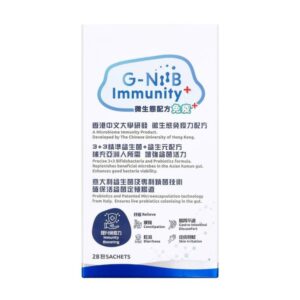
[Price as low as $330 in stores] G-NiiB – Immunity+ 28 packets
Original price was: $498.00.$365.00Current price is: $365.00. Add to basket -
Sale!
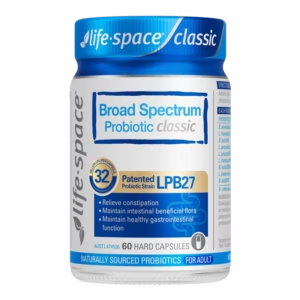
Life Space – Upgraded Adult Probiotics 32 billion 60 capsules
Original price was: $198.00.$145.00Current price is: $145.00. Add to basket -
Sale!
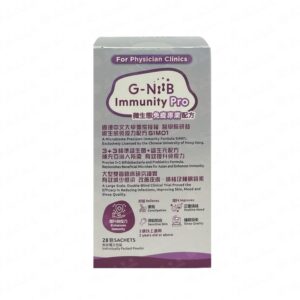
G-NiiB – Immunity Pro Immunity Pro Formula 28 packs
Original price was: $598.00.$498.00Current price is: $498.00. Add to basket -
Sale!
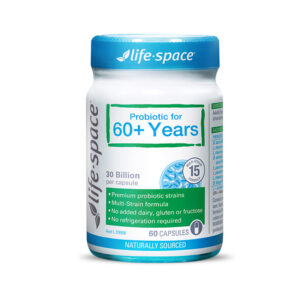
Life Space – Elder 60+ Probiotic 30 billion 60 capsules
Original price was: $198.00.$145.00Current price is: $145.00. Add to basket
Related Post:
![晨光下的健康早餐时光]()
From hair-nourishing gummies to collagen powder: Comparison of 8 best-selling beauty and health products and their formulas.
![糖尿病八大警號:症狀、診斷標準與糖尿病前期]()
Eight warning signs of diabetes: symptoms, diagnostic criteria, and prediabetes.
![秋冬護眼指南:四種營養素、產品規格比較與維他命A的安全劑量]()
Autumn/Winter Eye Care Guide: Four Nutrients, Product Specifications Comparison, and Safe Dosage of Vitamin A
![眼乾食葉黃素有用嗎?」「秋冬天眼乾特別嚴重,點算?]()
What foods are good for dry eyes? The roles and selection of Omega-3, lutein, zeaxanthin, and blueberry extract.