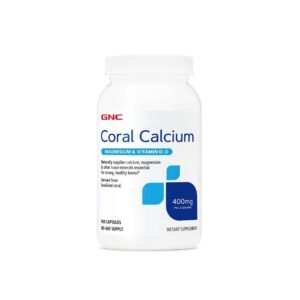


















































The role of calcium in the human body and points to note when consuming it
What is calcium?
鈣 Calcium (Ca) is an essential nutrient that helps form strong bones and teeth. This naturally occurring substance is the most abundant mineral in the human body. Studies show that 99.1% of the body's calcium is found in bones and teeth. The remaining 11.4% is found in our blood and other tissues. Calcium is also essential for blood clotting and muscle function. It is now widely known that calcium can prevent osteoporosis and bone defects. The only source of calcium is our food. It is present in some foods or fortified by adding it to others. Calcium is also available as a dietary supplement and is found in some medications.
Health benefits of calcium
Calcium plays a vital role in maintaining healthy bones and teeth. After ingesting calcium-rich foods, calcium is absorbed in our small intestine. During circulation, most of it is deposited in our bones. In this way, calcium helps prevent bones from thinning. Low bone density is a major cause of fragile bones and osteoporosis.
Studies have found that our bone mass grows most rapidly during puberty. Therefore, adolescence is the ideal time to build bone mass through adequate calcium intake. There is also favorable evidence that calcium can improve heart health. Because calcium helps regulate muscle contractions, including heartbeat, these studies suggest it may help stabilize blood pressure levels.
In general, the main functions of calcium include:
- Strong bones and teeth.
- Regulate muscle contractions, including your heart rate.
- Maintain blood clotting at normal levels.
Calcium supplements
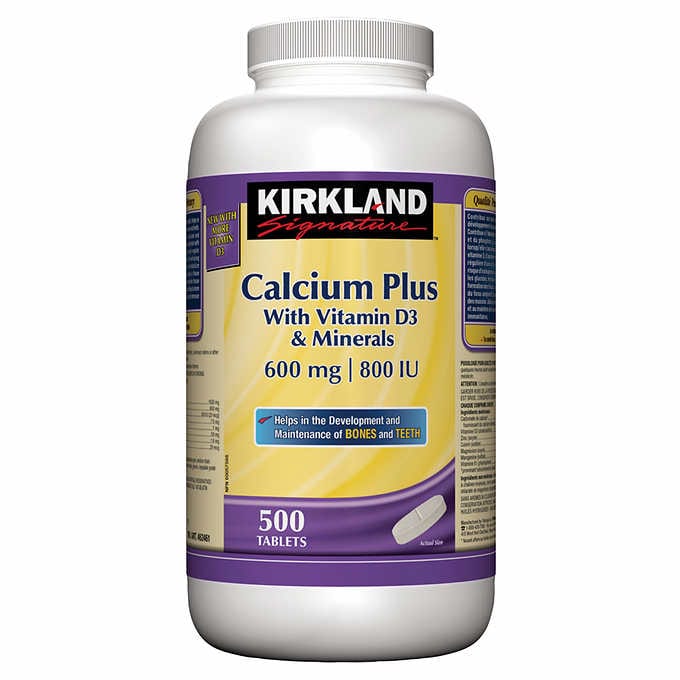
Calcium supplementsBeneficial for people with low calcium levels or nutritional deficiencies. Taking high-quality supplements can also help promote bone formation and prevent osteoporosis. Like any medication, calcium supplements must be taken carefully in precise dosages to achieve maximum effectiveness. This means that anyone taking calcium supplements should always strictly adhere to the prescribed dosage to avoid misuse and side effects.
Calcium supplements mainly come in two forms: calcium carbonate and calcium citrate. Calcium carbonate is more popular in the market because it is cheaper and more convenient. However, the main difference between these two calcium supplements lies in how they are absorbed by the body. Calcium carbonate must be ingested with food to be absorbed, while calcium citrate does not. Therefore, calcium citrate is easily absorbed by the stomach and intestines.IntestinesThe best choice for patients who are not well-suited to calcium carbonate. Another difference is that calcium citrate may require more tablets to achieve the required dosage, while calcium carbonate only requires a small number of tablets. However, calcium carbonate is considered to have a higher risk of side effects than calcium citrate.
Related Post:Exercise, calcium, and vitamin D: the secrets to strong bones
Dosage requirements for calcium
Multiple studies have shown that the maximum amount of calcium absorbed at one time is less than 500 mg, meaning that the highest dose a person should ingest at one time should be less than 500 mg. Therefore, you should avoid taking too much calcium at once (more than 500 mg). The same applies when taking calcium supplements. For example, if you want to take 1,000 mg of calcium daily, it is best to divide the dose into two 500 mg doses taken at two different times of the day. The following are the recommended daily calcium intake per person:
| category | age | Daily intake |
| child | 1 to 3 years old | 350 mg |
| child | 4-6 years old | 450 mg |
| child | 7-10 years old | 600 mg |
| adolescent boys | 11-17 years old | 1000 mg |
| teenage girls | 11-17 years old | 800 mg |
| Adults | 18 to 50 years old | 1000mg/1300mg |
| Adults | 51-70 years old | 1000mg |
| Adults | 71 years and older | 1200mg |
| Breastfeeding women | 18 to 50 years old | 1,250 mg |
Calcium deficiency
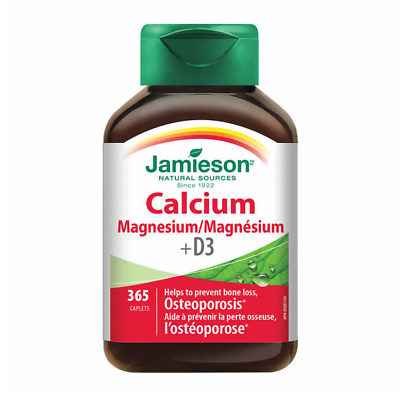
Calcium deficiency is called hypocalcemia. Hypocalcemia occurs when a person's calcium intake is consistently insufficient, especially during childhood. For this reason, most children who are allergic to calcium-rich foods are more likely to develop hypocalcemia later in life. Some medications can also lower calcium levels in the body; these include steroids and antacids (medications that reduce stomach acidity). People taking these medications must increase their calcium intake to avoid hypocalcemia. Hypocalcemia is particularly common in women who have given birth or are aging. Typical symptoms include brittle nails and bones that are prone to cracking. Other symptoms include muscle cramps, fatigue, depression, and abnormal heart rate.
It is important to note that vitamin D and calcium deficiencies are documented as significant causes of osteoporosis. Therefore, adults and pregnant women must:
- Consume more foods rich in calcium and vitamin D.
- Take calcium and vitamin D supplements daily.
Foods rich in calcium
Sources rich in calcium include:
- Milk, cheese, yogurt, ice cream and other dairy products
- Leafy green vegetables—such as kale, okra, and spinach
- Fortified beverages, such as soy drinks with added calcium.
- Bread and any food made with fortified flour.
- Bony fish, such as sardines.
- Other foods, such as beans and sweet potatoes.
Side effects of calcium supplements
Any nutrient can produce side effects when ingested in excess. Calcium supplements must be taken in moderation to avoid the harmful effects of overdose. Today, the condition of excessive calcium intake is called "hypercalcemia." It is caused by consuming large amounts of dairy products or calcium supplements. Although hypercalcemia remains a rare condition worldwide, caution is advised when obtaining calcium from diet and supplements.
Hypercalcemia can lead to serious health problems, such as:
- Poor kidney function (excessive urination)
- Loss of appetite
- Dizziness and headache
- constipation and vomiting
- Abdominal pain and bone pain
Why you need Vitamin D and calcium
Eating calcium-rich foods is essential for the growth of strong bones and teeth. However, without vitamin D, our bodies cannot absorb calcium into our bloodstream. Therefore, vitamin D is crucial if we want to get the best results from a high-calcium diet. Fortunately, our bodies produce vitamin D when our skin is exposed to sunlight. However, vitamin D deficiency can become a problem in winter or cold seasons (shorter days, less sunshine). Therefore, it is recommended to take a vitamin D supplement of 10 micrograms daily to prevent the risk of vitamin D deficiency along with calcium.





Author. Michael Yeung
Related Products:
-
Sale!

Jamieson – Calcium Concentrate 650mg + Vitamin D3 400IU 120 capsules
Original price was: $108.00.$88.00Current price: $ 88.00. Add to basket -
Sale!
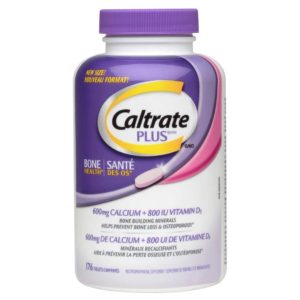
caltrate – Calcium 600mg + Vitamin D3 800IU & Minerals (Value Pack) 176 capsules
Original price was: $198.00.$180.00Current price is: $180.00. Add to basket -
Sale!
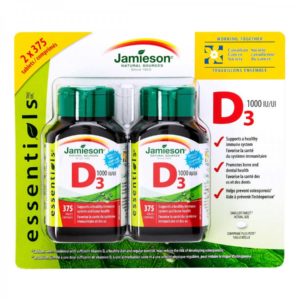
Jamieson – Vitamin D3 1000IU 375 Capsules 2-pack
Original price was: $180.00.$148.00Current price is: $148.00. Add to basket