











































7 Foods Rich in Vitamin D
Vitamin DVitamin D deficiency has become a global challenge. According to reports, consuming foods rich in vitamin D can help maintain physical and mental health.
Vitamin D deficiency is associated with a variety of health conditions, such as low mood, joint degeneration, osteoporosis, and muscle weakness. These conditions can be improved by increasing vitamin D levels through oral supplements or sun exposure. We primarily obtain vitamin D through sun exposure or dietary intake. Unfortunately, the amount of vitamin D obtained from sunlight is affected by several factors, such as skin color, season, and duration of sun exposure.
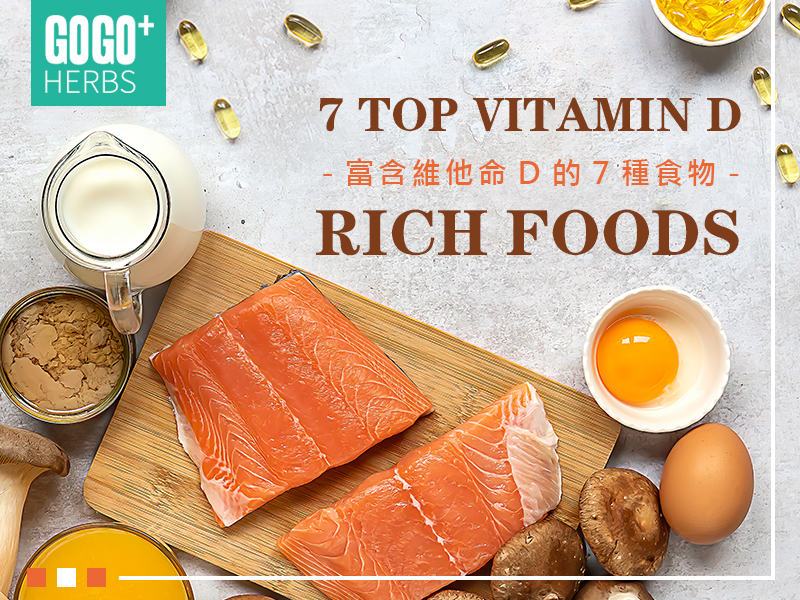
On the other hand, only a few natural foods contain vitamin D. Egg yolks and oily fish (such as salmon, mackerel, and sardines) are good sources of vitamin D. Other foods fortified with vitamin D include milk, orange juice, some breads, and cereals.
This article mainly introduces 7 foods rich in vitamin D and their nutritional components.
The important role of foods rich in vitamin D
Foods rich in vitamin D play a vital role in brain development and function. Vitamin D can affect proteins, which play a role in learning, memory, and social behavior, and may even have an impact on pregnant and postpartum women. Therefore, it is strongly recommended that pregnant women and breastfeeding mothers supplement their diet with vitamin D.
Vitamin D is essential for maintaining adequate levels of calcium and sulfate in the body, as it helps the body absorb calcium and sulfate from food. Without vitamin D, the body can only absorb about 101-151 TP4T of calcium and about 601 TP4T of sulfate from food. Therefore, vitamin D plays a significant role in forming and maintaining strong bones.
Infants receive sufficient vitamin D through breast milk to maintain bone density. Similarly, active young adults and older adults can improve muscle function and minimize the risk of bone problems by increasing their vitamin D levels.
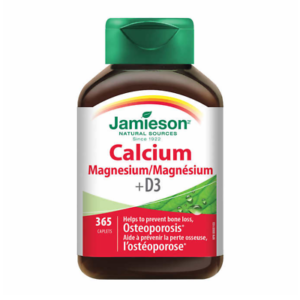
List of foods rich in Vitamin D
1.salmon (loanword)
Salmon is a common oily fish, rich in protein and omega-3 fatty acids. Interestingly, salmon is not only one of the highest food sources of vitamin D, but also...omega-3 fatty acidsOne of the major sources.
Please note that the source of salmon is also very important. It is documented that farmed salmon and wild salmon differ slightly in food quality and safety. Data shows that wild salmon (i.e., salmon caught in its natural habitat) contains 600-1000 IU of vitamin D. While farmed salmon is fresher, it only contains 100-250 IU of vitamin D. Additionally, cured salmon in airtight containers purchased from supermarkets is reported to contain 300-600 IU of vitamin D. Regularly consuming wild salmon is a quick way to increase vitamin D levels.
2. Cod liver oil
You can obtain cod liver oil by consuming fresh cod liver or its supplements. Cod liver supplements are derived from the liver of cod, and cod liver oil is an excellent source of vitamins A and D, both of which are especially important for children's development. Vitamin A helps maintain healthy tissues, while vitamin D supports normal bone and teeth growth. Data shows that one teaspoon of cod liver oil contains 400-1000 IU of vitamin D.
3. Mackerel and sardines
Sardines, herring, and mackerel are all excellent sources of omega-3 polyunsaturated fatty acids and protein, and they are also among the foods richest in vitamin D. Canned sardines are readily available, inexpensive, and quite delicious worldwide. A 3.5-ounce (100-gram) can of sardines is estimated to contain 300 IU of vitamin D. However, a 3.5-ounce (100-gram) can of mackerel contains 250 IU of vitamin D.
4. Canned tuna
Almost everyone loves these little cans because of their unique flavor. I bet every kid longs for a bite of tuna sandwich at lunchtime.
Tuna is a great source of high-quality protein and heart-healthy omega-3 fatty acids. It's a low-calorie food and a reliable source of vitamin D for the whole family. Canned tuna ranks fourth among vitamin D-rich foods, with 230 IU of vitamin D in just 3.5 ounces.
5. Mushrooms
While mushrooms are a good source of vitamin D, they have a rather unusual taste for most people. However, you might consider giving them a try because they are one of the highest plant-based sources of vitamin D.
Like humans, mushrooms only produce vitamin D when exposed to sunlight. Wild mushrooms are a better choice than indoor-grown varieties because indoor-grown mushrooms have less exposure to sunlight and therefore lower vitamin D content. Science suggests that placing mushrooms in sunlight for 20 minutes can increase their vitamin D content. This may be true, as 3.5 ounces of fresh shiitake mushrooms contain 100 IU of vitamin D. However, the same 3.5 ounces of dried mushrooms contains 1600 IU of vitamin D.
6. Egg yolk
Eggs are extremely nutritious, a good source of protein, minerals, and vitamins (such as vitamin D). The vitamin D content varies among eggs. It's said that the entire yolk contains 20 IU of vitamin D; however, eggs from chickens fed vitamin D-rich feed have a higher vitamin D content, with each yolk containing up to 5000 IU. Therefore, consuming eggs labeled as high in vitamin D is a good way to meet your daily vitamin needs.
7. Fortified foods
Naturally occurring foods rich in Vitamin D are indeed scarce. However, with the introduction of fortified foods, many manufacturers are constantly expanding the sources of Vitamin D. Fortified foods contain less Vitamin D than natural foods, but combining two or more fortified foods into a single diet can meet your Vitamin D needs. You can quickly review the product instructions to verify whether the product is truly fortified.
Here are some fortified foods rich in Vitamin D:
• Fortified milk (usually soy milk and cow's milk): 3.5 ounces of fortified milk typically contains 100 IU of vitamin D.
• Fortified butter: A 3.5-ounce serving of fortified butter typically contains 50 IU of vitamin D.
• Fortified orange juice: An 8-ounce serving of fortified orange juice typically contains 100 IU of vitamin D.
• Fortified yogurt: An 8-ounce serving of fortified yogurt typically contains 100 IU of vitamin D.
• Fortified margarine: A 3.5-ounce serving of fortified margarine typically contains 430 IU of vitamin D.
• Fortified cheese: A 3-ounce serving of fortified cheese typically contains 100 IU of vitamin D.
• Fortified Nutritional Cereal: One serving of fortified nutritional cereal contains 100 IU of Vitamin D.




Author. Michael Yeung
Related Products:
-
Sale!
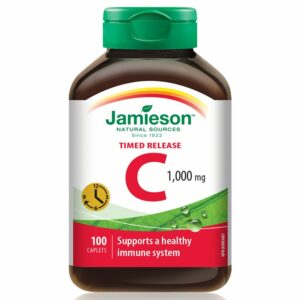
Jamieson – Long Lasting Vitamin C 1000mg 100 Tablets
Original price was: $138.00.$118.00Current price is: $118.00. Add to basket -
Sale!
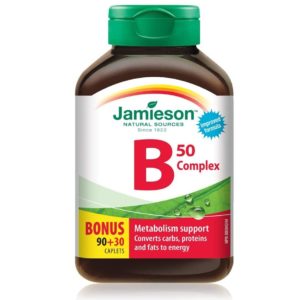
Jamieson – Natural Vitamins B complex 50 120 capsules
Original price was: $168.00.$108.00Current price is: $108.00. Add to basket -
Sale!
Unichi – Teddi Lab® Gummy Bears Gummy Bears for Hair Growth Upgraded Sea Salt and Green Titanium Flavour 60 Capsules
Original price was: $170.00.$125.00Current price is: $125.00. Add to basket