



























































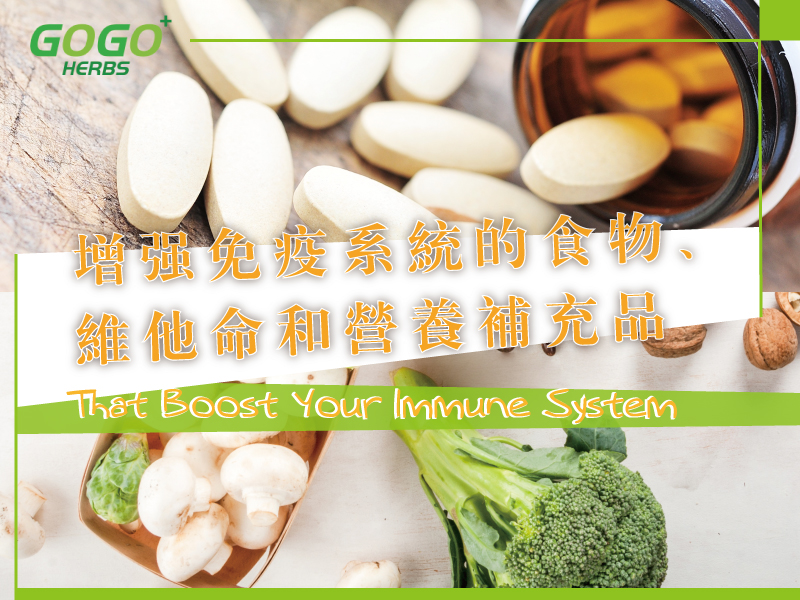
Foods, vitamins, and nutritional supplements to boost immunity
Looking for ways to stay healthy and safe and protect your family during a global pandemic?Immune SystemThe best way to be in optimal condition is through a well-rounded, healthy diet that ensures you get all the minerals your body needs.defend his lifeAnd nutrition. So what does our body need? Are there certain types of food that can deliver these nutrients more effectively? If so, what supplements should we take to boost our immune system?
What does our immune system need??
Generally speaking, the nutrients directly related to our immune system areVitamins A, C, D and EIn addition to minerals like zinc, selenium, and magnesium, antioxidants are also important, as research shows they work with our white blood cells, and a lack of these nutrients can suppress immune function in order to maintain the health and balance of our other cells.
What about nutritional supplements?
Currently, there is insufficient scientific research to support the claim that direct intake of dietary supplements can help boost your immunity, unless you are nutritionally deficient. Therefore, the best way to maintain good health is to obtain nutrients directly from food. However, in today's modern society, vitamin D deficiency is quite common. The best source of vitamin D is sunlight, and with many people spending more and more time indoors, the likelihood of vitamin D deficiency is increasing. If you spend most of your time indoors or live in a northern climate with limited sunlight, then taking vitamin D supplements may be necessary.
Foods that help boost immunity
So, what are the best foods for our immune system? Each of the foods listed below contains the nutrients our bodies need to function optimally. So next time you go to the supermarket, consider adding these foods to your diet to help maintain health, a strong immune system, and increased resistance to viruses and diseases.
Red bell pepper
Vitamin C has many benefits for the body and immune function. It has been found to help reduce the risk of respiratory infections and support the growth and repair of many tissues in the body.
When it comes to Vitamin C, you might think you get the most from citrus fruits, right? While citrus fruits are indeed rich in Vitamin C and very beneficial to your health, red bell peppers actually contain even more of this essential vitamin. One cup of red bell peppers contains 2111 TP4T of the daily requirement of Vitamin C, about twice that of an orange (1061 TP4T)!
Chickpeas
Chickpeas are an excellent source of fiber, and are also rich in protein (an amino acid essential for our body's growth and tissue repair), as well as zinc, which is crucial for regulating our immune response and boosting immunity. What's more, they are versatile and incredibly delicious!
garlic
Garlic has long been considered to have immune-boosting properties, and it also tastes delicious. Reports indicate that garlic can soften blood vessels and promote blood circulation. Garlic contains a large amount of sulfur compounds, which help fight infection.
Ginger
Ginger is another popular remedy, especially in Chinese culture. Ginger has anti-inflammatory properties, making it a helpful remedy for sore throats or coughs. Furthermore, research has found that fresh ginger helps reduce the buildup of plaque in blood vessels.
mushroom
Vitamin D, also known as the sunshine vitamin, is actually best obtained from the sun, but it can also be obtained from foods such as mushrooms. Mushrooms are an excellent source of vitamin D, which helps absorb calcium, thus strengthening bones, and helps fight respiratory problems because it plays an active role in our immune response. In fact, some studies have shown that low vitamin D levels are associated with a higher risk of respiratory infections and also with the development of certain autoimmune diseases.
broccoli
Spinach is a wonderful vegetable. It is rich in vitamin C and beta-carotene, and is a major dietary source of vitamin A. It also contains a large amount of antioxidants, which help protect immune cells from environmental damage.
green tea
Green tea has long been considered beneficial to health due to its antioxidant properties. It is rich in flavonoids and epigallocatechin gallate (EGCG), a potent antioxidant that is lost during the fermentation process of most black teas. Green tea also contains the amino acid L-theanine, which can help produce cells that fight bacteria.
Broccoli
Broccoli is an underrated vegetable because it is one of the most nutritious. It contains vitamins A, C, and E, as well as many other antioxidants and a large amount of fiber. Broccoli is most nutritious when raw or uncooked.
sunflower seed
Sunflower seeds are rich in fiber and other nutrients such as phosphorus, magnesium, and B vitamins, and also contain a significant amount of vitamin E, which is essential for maintaining our immune system. 28 grams of sunflower seeds are enough to provide your daily requirement of 491 TP4T of vitamin E.
yogurt
Yogurt is an excellent source of vitamin D and also contains live bacteria cultures called probiotics. Probiotics help promote gut health, which is closely linked to a healthy immune system, as much of your immune system actually resides in the gastrointestinal tract. Plain yogurt is the best choice because it contains no added sweeteners or sugar.
Related Post:
![香港男士閱讀營養標籤並規劃日常健康管理]()
GogoHerbs 2024–2025 男士健康保健品洞察報告:了解男士健康保健品的需求路線
![香港女性在家閱讀營養標籤並規劃日常健康管理]()
GogoHerbs 2024–2025 Hong Kong Women's Health and Wellness Products Market Insight Report: From Hair Care, Beauty, and Women's Probiotics to Daily Nutrition
![香港女士益生菌選購指南:蔓越莓與益生菌膠囊]()
Hong Kong Women's Probiotic Recommendations: Cranberry Formula, Strains, and Buying Guide
![香港益生菌推薦及選購比較,成人、長者、女士及兒童益生菌選擇指南]()
Hong Kong Probiotics Recommendations and Buying Guide: How to Choose for Adults, Seniors, Women, and Children?