

























































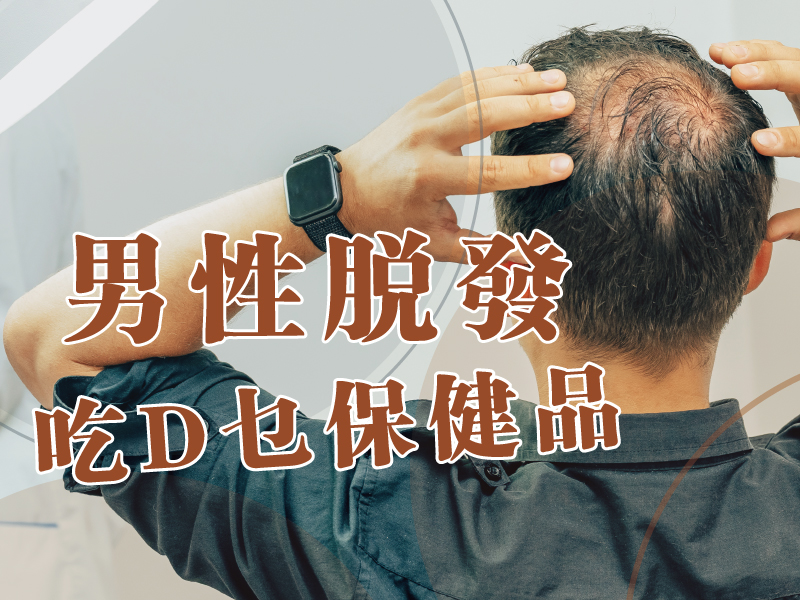
The most common cause of male pattern baldness isGenes and hormones (male pattern baldness/androgenetic alopecia)This type of hair loss usually cannot be reversed by taking health supplements alone. What health supplements can do is address deficiencies in a balanced diet.Replenish the nutrients needed for hair growth and maintain the health of the scalp and hair.If hair loss is significant or continues to worsen, the first step should be to consult a doctor or dermatologist to find the cause before deciding on treatment. Below is a summary of common nutrients related to hair health, along with precautions to take when purchasing them.
Table of contents
- First, let's understand: most male pattern baldness is caused by genes and hormones.
- Nutrients related to hair health
- Health supplements cannot replace medical treatment and therapy
- Purchase Guide: Men's Hair Care Products
- When should you seek medical attention?
- Frequently Asked Questions (FAQ)
- Source of information
First, let's understand: most male pattern baldness is caused by genes and hormones.
It's normal for most people to lose 501-100 hairs per day. The "M-shaped" or "Mediterranean" hairlines commonly seen in men are mostly due to...Male pattern baldness (androgenetic alopecia)This is usually related to family history and the metabolism of male hormones in the body, and it progresses slowly. Other temporary hair loss may be caused by illness, stress, significant weight loss, anemia, or certain medications.
Because the reasons are different,"Health supplements" are not effective for all types of hair loss.If it is male pattern baldness, nutritional supplements can only support overall hair health and are unlikely to make the atrophied hair follicles grow thick hair again; if it is caused by nutritional deficiency or stress, it is more important to address the underlying cause.
Nutrients related to hair health
Proteins and keratin
The main structural proteins of hair areKeratinHair is composed of amino acids; adequate intake of high-quality protein is fundamental to maintaining healthy hair and nails. People with a balanced diet generally do not lack protein; only long-term dieting, extremely low-calorie diets, or significant protein deficiency are more likely to affect hair quality.
Some people take extra protein supplements, butSupplementing with protein cannot "treat" or "reverse" hair loss.However, its effectiveness is limited, especially for genotyped male pattern baldness. If you suspect your diet is unbalanced, start by adjusting your intake of natural protein sources (fish, eggs, beans, lean meat), and consult a doctor or registered dietitian if necessary to determine if supplementation is needed.
Vitamin B6
Vitamin B6 participates in the metabolism of proteins and amino acids in the body, and is also related to nerve and hormone balance. In the past, it was claimed that B6 could "stabilize sebum secretion, prevent seborrheic alopecia, and stimulate hair regrowth," but...The evidence is currently insufficient and this method cannot be considered a treatment for hair loss.Vitamin B6 primarily plays a role in maintaining normal physiological metabolism; unless a deficiency is confirmed by testing, it is not recommended to supplement with high doses on your own in order to promote hair growth.
Biotin (Vitamin B7)
Biotin is one of the vitamins needed for healthy hair, skin, and nails, and it is also a cofactor in the metabolism of carbohydrates, fats, and proteins. Biotin deficiency is rare in the general population; however, if a deficiency is due to illness, long-term intestinal absorption problems, or a specific diet, supplementation may improve hair and nail quality.However, for people who are not deficient in biotin, supplementing with biotin may not necessarily make their hair thicker.The effects vary from person to person.
Zinc, iron, vitamin D
- Zinc:Zinc is involved in cell repair and hair follicle health, and severe zinc deficiency may be related to hair loss; however, excessive zinc supplementation may be risky, so refer to labels and doctor's advice.
- iron:Iron deficiency anemia may be accompanied by hair loss, and it is more common in women than men; if men do not have iron deficiency, iron supplementation will not help with male pattern baldness.
- Vitamin D:It is related to the hair follicle cycle, and research is still ongoing; it can be obtained daily through moderate sun exposure, food, and supplements when necessary.
The relationship between the "deficiency" of the above nutrients and "hair loss" is mostly based on specific groups that are deficient in these nutrients.This does not mean that supplementing will prevent hair loss or promote hair growth for the average person.Whether supplementation is needed should be based on blood tests and medical assessments.
Health supplements cannot replace medical treatment and therapy
For male pattern baldness, medically supported treatments include:Finasteride and Minoxidil(refer to NHS Hair LossThese are medications, requiring doctor's evaluation and prescription. Their effectiveness varies from person to person and requires continuous use. Health supplements should not be considered a substitute for these treatments.
If you are considering using medication, please discuss your condition and possible side effects with your doctor first. Do not purchase "hair growth" products of unknown origin to replace proper treatment.
Purchase Guide: Men's Hair Care Products
If your daily diet is already balanced and you wish to supplement your hair with hair-related nutrients after a doctor's evaluation, you can refer to men's hair care products on the market. Below are the purchase links (product ingredients, content, and claims).Please refer to the product labels and product pages.(This article does not guarantee the efficacy of any product.)
- GogoHerbs Men's Hair Care SectionThis product line offers a wide selection of men's hair care/health supplements, including those containing biotin, saw palmetto, and collagen.
Common ingredient types include: biotin, saw palmetto, collagen/keratin peptides, zinc, and B vitamins. Recommendations when purchasing:
- Make sure you read the ingredients and dosage for each dose, rather than just looking at the words "hair growth";
- Be mindful of any interactions between your medications (such as hormone-related or anticoagulant drugs) and the ingredients in your formula;
- Pregnant women, breastfeeding mothers, patients with chronic diseases, or those who take medication long-term should consult a doctor or pharmacist first.
- For the latest prices, stock, and complete labels, please refer to the product page for the information available on the day of publication.
When should you seek medical attention?
If you experience any of the following symptoms, it is recommended that you see a doctor or dermatologist first (see reference). NHS):
- Suddenly accelerated hair loss, clumps of hair loss, or scalp inflammation, redness, swelling, and pain;
- Accompanied by fatigue, abnormal weight changes, and thyroid-related symptoms;
- Suspected to be related to medication, illness, or significant stress;
- I want to know if drug treatment (such as finasteride/minoxidil) is suitable for me.
- Hair loss can affect mood or self-confidence, requiring professional and psychological support.
Frequently Asked Questions (FAQ)
1. Can taking protein supplements cure hair loss?
No. Protein is the building block of hair (keratin), and a balanced diet helps hair quality, but it cannot cure or reverse genotyped male pattern baldness. If your diet is already adequate, additional supplementation offers limited benefits.
2. Can vitamin B6 prevent seborrheic alopecia and stimulate hair regrowth?
There is currently insufficient evidence to support this claim, and it cannot be considered a treatment for hair loss. Vitamin B6 is mainly involved in normal metabolism; unless a deficiency is detected, it is not recommended to supplement with high doses on your own in an attempt to promote hair growth.
3. Is biotin (B7) always effective for hair loss?
Not necessarily. While biotin deficiency may improve hair and nail quality after supplementation, it may not necessarily make hair thicker in healthy individuals. The effects vary from person to person.
4. Can health supplements replace hair growth medication prescribed by a doctor?
No. The most proven treatments for male pattern baldness include medications such as finasteride and minoxidil, but these require a doctor's evaluation; health supplements should not replace proper medical treatment.
5. Is all male pattern baldness related to genetics?
The most common cause of male pattern baldness is related to genetics and hormones, but hair loss can also be caused by stress, illness, anemia, weight loss, or medication. Persistent or abnormal hair loss should be assessed by a doctor to determine the cause.
6. What should you pay attention to when purchasing hair care products?
Check the ingredients and dosage per dose, pay attention to drug interactions, and consult a healthcare professional if you have any special health conditions. Prices and stock levels are subject to the information on the product page on the day of purchase; do not make a decision based solely on the word "hair growth".
Source of information
- NHS — Hair loss (Causes of hair loss, medical advice and treatment recommendations)
- GogoHerbs — Men's Hair Care and Health Products Section (Product Purchase Portal)
Related Products:
-
Sale!
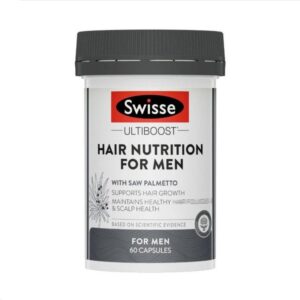
Swisse – Ultiboost Men's Hair Capsules 60 Capsules
Original price was: $168.00.$118.00Current price is: $118.00. Add to basket -
Sale!
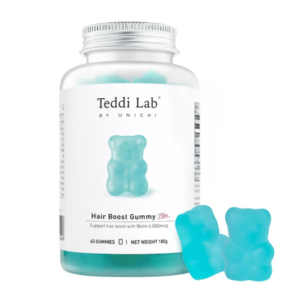
Unichi – Teddi Lab® Gummy Bears Gummy Bears for Hair Growth Upgraded Sea Salt and Green Titanium Flavour 60 Capsules
Original price was: $170.00.$125.00Current price is: $125.00. Add to basket -
Sale!
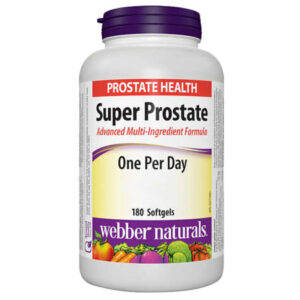
Webber Naturals – Men's Ultra Prostate Formula (1 capsule daily) 180 capsules
Original price was: $298.00.$250.00Current price is: $250.00. Add to basket -
Related Post:
![母親用滴管把少量植物藻油滴在食物匙上,幼兒坐在餐桌旁]()
A Complete Guide to Plant-Based Algae Oil Omega-3: Odorless, Vegetarian, and Suitable Omega-3 Choices for Pregnant Women and Infants
![牛樟芝子實體與膠囊製品示意]()
What is Antrodia camphorata? A complete guide to its ingredients, research evidence, and precautions for consumption.
![世界心臟日護心飲食場景,香港中年夫婦享用豆漿、豆腐、雞蛋與堅果,旁有心臟及細胞膜卡通示意]()
World Heart Day: Heart Health in Hong Kong Starts with Daily Life | What are the Benefits of Lecithin? Which of Three 1200mg Products to Choose From?
![香港成年人在家閱讀與休息,從日常習慣開始理解腦部健康]()
Fish oil, mini capsules, or B12? Formulas and daily choices for 8 best-selling brain health products.