













































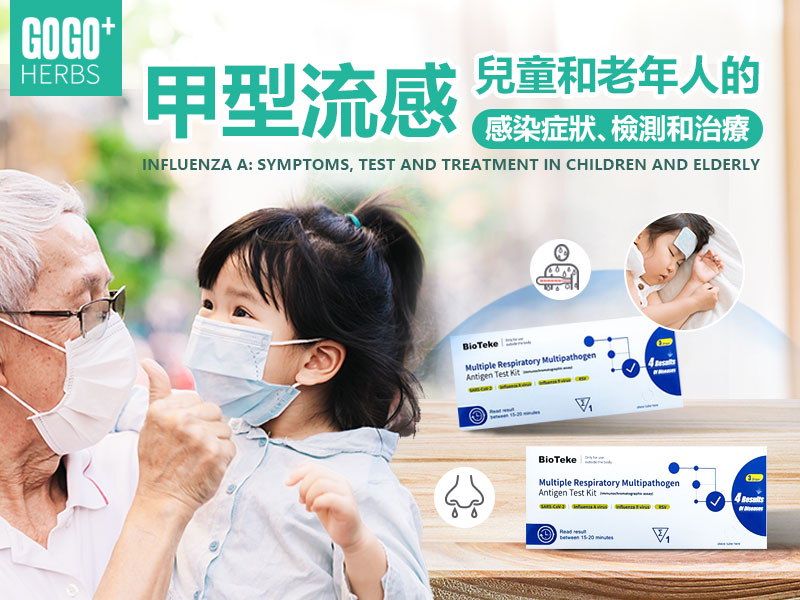
Influenza A: Symptoms, Detection, and Treatment in Children and the Elderly
H1N1 influenzaInfluenza, commonly known as the flu, is a contagious respiratory illness caused by the influenza A virus. People of all ages are susceptible, but children and the elderly are particularly vulnerable. Influenza A can be detected by obtaining a respiratory sample through a swab of the back of the nose or throat. Understanding the causes, symptoms, testing procedures, and treatment options for influenza A will help us effectively manage the condition and receive treatment.
Causes of influenza A:
Influenza A is primarily caused by the influenza A virus, which belongs to the Orthomyxoviridae family. When an infected person coughs, sneezes, or talks, the virus spreads rapidly from person to person through respiratory droplets. Children whose immune systems are still developing and the elderly with weakened immune systems are more susceptible to infection and therefore require preventative measures.
Related reading:Understanding Immunity and Methods to Boost Immunity
Symptoms of influenza A in children
1. Fever and chills
Children infected with influenza A virus may suddenly develop a fever. Closely monitoring their body temperature changes can help detect their health condition early.
2. Cough and sore throat
A persistent cough and sore throat are common symptoms. Drinking plenty of fluids and taking throat-soothing medication can relieve the discomfort caused by these symptoms.
3. Runny nose or nasal congestion
Nasal congestion, runny nose, and sneezing are common symptoms in children. Saline nasal drops can be used to help relieve nasal congestion.
4. Muscle and body pain
Children may cry and complain of muscle and body aches. Make sure they get plenty of rest, and if necessary, use over-the-counter pain relievers for children to relieve the pain.
5. Fatigue and irritability
H1N1 influenza can easily make children feel tired and irritable. Providing a comfortable environment and ensuring they get rest can help them recover.
Symptoms of H1N1 influenza in the elderly
1. Exacerbation of chronic diseases
Influenza A infection in the elderly can worsen pre-existing chronic conditions, such as heart or respiratory problems. Their condition must be closely monitored, and they should seek medical attention promptly.
2. Shortness of breath/rapid breathing
Older adults may experience worsening breathing difficulties. Closely monitor for any signs of breathing difficulties and take immediate action.
3. Confusion or dizziness
Influenza A can sometimes cause confusion or dizziness in the elderly. Family members and caregivers should be alert to sudden changes in the mental state of the elderly.
4. Gastrointestinal symptoms
Some older adults may experience gastrointestinal symptoms such as nausea or vomiting. In such cases, ensuring adequate fluid intake is crucial.
5. Physical weakness and fatigue
Influenza can weaken and exhaust the elderly, so adequate nutrition and hydration are crucial for recovery.
H1N1 influenza testing for children and the elderly
- Nasal swab or throat swab
The common method for detecting influenza A is through nasal or throat swab sampling, which is a quick and relatively non-invasive method suitable for children and the elderly.
- Rapid antigen test
Rapid antigen tests can provide results within minutes, enabling rapid and effective diagnosis and facilitating timely treatment.
- Polymerase chain reaction (PCR) detection
Polymerase chain reaction (PCR) testing has high sensitivity and can accurately detect influenza A virus. Although test results may take longer, PCR testing is highly valuable for confirming influenza A.
Treatment of childhood influenza A
- antiviral drugs
Doctors may prescribe antiviral drugs such as oseltamivir to reduce the severity and duration of symptoms in children; timely medication is key to effectively controlling the disease.。
- Control fever symptoms
Over-the-counter fever reducers for children are suitable for controlling fever symptoms. It is also essential to ensure adequate hydration to prevent dehydration.
- Get more rest and increase comfort.
Children need sufficient rest and should be provided with comfortable conditions, such as hot soup and air humidifiers, to help relieve discomfort.
Recommended rapid test kits

Reagen's 4-in-1 antigen rapid test kit offers a new way to test at home. It rapidly detects antigens for COVID-19, respiratory syncytial virus (RSV), and influenza A and B, providing results in just 15 minutes. Its sensitivity, specificity, and accuracy are as high as 96.841 TP4T, 99.451 TP4T, and 98.241 TP4T, respectively. With its outstanding convenience and efficiency, this test kit gives you peace of mind and allows you to quickly take steps to protect your personal and community health.
Reagen continues to lead in available diagnostic methods, providing reliable, comprehensive, and rapid testing that empowers users to take the lead in understanding and managing their health.

This test kit provides a comprehensive solution for monitoring respiratory health. It can rapidly and accurately detect antigens for COVID-19, respiratory syncytial virus (RSV), and influenza A/B viruses within 15 minutes. Bioteke's reliable accuracy and efficiency make it an essential home testing tool for protecting health. It features high sensitivity (96.361 TP4T), specificity (1001 TP4T), and accuracy (99.291 TP4T). Furthermore, this product has obtained EU CE certification.
Treatment of H1N1 influenza in the elderly
- antiviral drugs
Doctors often prescribe antiviral medications for older adults to reduce the impact of H1N1 influenza.。
- Hospitalization may be necessary.
Severe cases in older adults may require hospitalization, especially when patients experience difficulty breathing or have underlying serious health conditions.
- Relieve pain
Over-the-counter and prescription pain relievers can help relieve physical pain and discomfort in older adults. However, the dosage should be adjusted according to individual health conditions.
- Hydration and nutrition
It is important to ensure that elderly patients with influenza A receive adequate hydration and proper nutrition, which not only aids in their full recovery but also helps prevent complications.
Conclusion
Two crucial factors in the treatment and control of influenza A are early detection and timely intervention. Therefore, it is recommended to take immediate action upon experiencing one or more symptoms, such as undergoing testing to assess the condition before initiating treatment. Remember to consult a healthcare professional for accurate information and guidance regarding your symptoms, as well as appropriate treatment options.
Gogo Herbsis a fast-growing online health food shop in Hong Kong, offering quality health products to customers all over Hong Kong. We offer a carefully selected range of vitamins and minerals, herbal remedies and functional foods that are effective and pure for the overall health of our customers. These highly effective and pure products are all beneficial to the overall health of our customers.supplementsInvolving quality products from leading brands, our team of experts selects supplements for young and old people with mild or severe health challenges. All carefully selected supplements are safe and legally certified.