















































Wear a mask - to prevent coronavirus
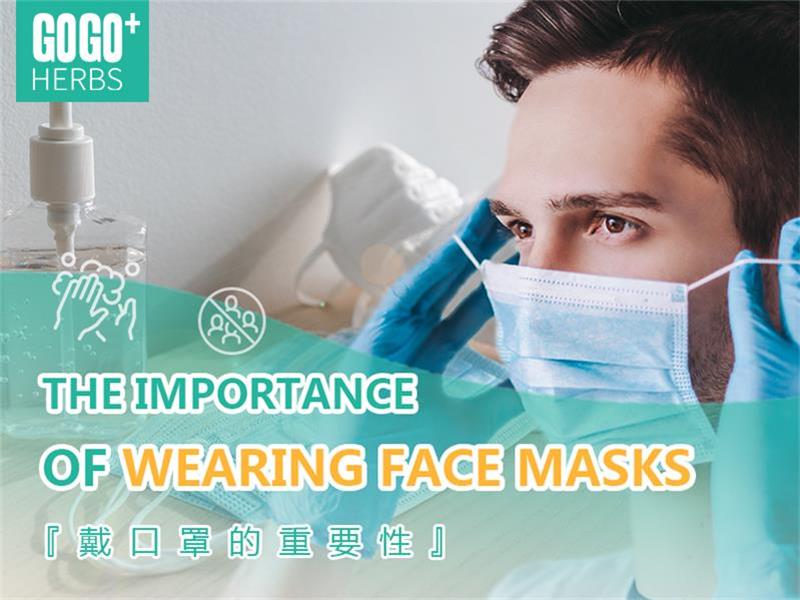
As the COVID-19 pandemic spreads globally, wearing masks...mask (surgical etc)Face masks are becoming more important than ever. While many Asian countries have long practiced this, current scientific research shows that wearing masks can effectively suppress the spread of viruses, making mask-wearing more widespread and sometimes even mandatory in some parts of the world where it was not previously practiced. Here's what you need to know about masks and why you should wear them.
How do face masks prevent the spread of COVID-19 and other viruses?
Many people misunderstand masks, believing they can prevent them from getting sick. Most masks won't prevent you from being infected by airborne viruses; however, masks are meant to prevent you from infecting others. Wearing a mask correctly, along with maintaining good hand hygiene and social distancing, helps you and others around you.Stay healthyThe best way. When we talk, breathe, sneeze, or cough, masks prevent the spread of saliva and respiratory droplets containing bacteria and viruses. Since the outbreak of COVID-19, many studies have confirmed that wearing masks is one of the most effective ways to help prevent the spread of the virus.
Different types of masks
There are three main types of masks. Each type has a different price and practicality. It is recommended to wear a surgical mask or a fabric mask in public places.
N95 Protective Masks: These masks are more expensive than surgical masks and tend to be in shorter supply, but they are generally more effective than other types of masks due to their fit and design. Therefore, these masks should be reserved for medical professionals. N95 protective masks gained wider recognition during the 2003 SARS outbreak. N95 protective masks are tight-fitting disposable masks that filter out at least 95% of droplets and aerosols.
Surgical/medical masks: These disposable masks were originally made for doctors, dentists, and surgeons to prevent bacteria and viruses from spreading from doctors to patients. They are non-fitted and typically have three or more layers. While they are effective at filtering out larger particles in the air, they are looser, making it easier for air and contaminants to escape from their edges.
Fabric masks: These masks are often handmade from a variety of materials, and their shape, fit, and performance can vary. What makes them appealing is that they can be made with more organic materials and are reusable. Some fabric masks even come with an additional filter. Studies have shown that fabric masks, especially those made with multiple layers of cotton, are almost as effective as surgical masks in slowing the spread of viruses. The CDC now also recommends that the general public wear fabric masks. In one study, filtration efficiency ranged from 49% to 86% depending on the fabric material and thickness.
Why wear a mask?
The CDC and the World Health Organization (WHO) now recommend that the public wear masks in public. While not always recommended, science has begun to demonstrate a link between masks and reducing the spread of COVID-19 and other diseases, leading to more governments and businesses implementing mask mandates. This is especially important during the COVID-19 pandemic because asymptomatic carriers of the virus are very common, meaning you may be infected with the virus without any visible symptoms or signs.
In many parts of Asia (such as Hong Kong), wearing masks in public has become almost universal, and given population density and minimal lockdown or social distancing measures, the transmission rate of the virus has remained low. In the United States, where transmission rates have been high and mask-wearing has been generally low, a study conducted across fifteen states, including the District of Columbia, investigated the virus after mask mandates were implemented. The study showed that the spread of the virus slowed significantly after mask mandates were enforced.
In an experiment using high-speed video recording, it was demonstrated that even when a person is simply speaking, hundreds of droplets ranging from 20 to 500 micrometers in size are generated, but when the mouth is covered with a simple fabric, almost all of these droplets are blocked. Furthermore, another study showed that when unwell people wear masks, the spread of flu or cold viruses is significantly reduced.
Because COVID-19 is highly contagious, these mask recommendations are more important than ever to ensure the safety of your friends, family, and especially those with weakened immune systems and those at risk. By wearing a mask, you can prevent others or their loved ones from contracting COVID-19.
Hygiene tips for wearing masks and maintaining good health
- Wash your hands frequently with soap for 20-30 seconds. If you are unable to wash your hands, use hand sanitizer (with an alcohol content of at least 70 ITP 4T) after touching any public surfaces.
- Try to avoid going to public places or any social gatherings.
- If you must go to public places, always wear a mask and avoid crowds and maintain social distancing (at least 1.5 meters) as much as possible.
- Wash and/or disinfect your hands before and after putting on or taking off a mask.
- Make sure the mask covers your mouth and nose. Do not wear it under your nose or chin.
- Make sure the mask fits snugly behind your ears.
- Do not touch while wearing a mask.
- Disposable masks should generally only be worn once. Wearing them multiple times increases the risk of spreading bacteria.
- If you need to remove your mask to eat or drink, please place it in a bag or appropriate container to avoid contaminating other surfaces. Put your mask back on immediately after eating/drinking.
- If you accidentally touch the mask, please wash or disinfect your hands.
- Fabric masks should be washed regularly with soap and water. Fabric masks can be hand-washed or washed with other clothes.
- For fabric masks, once they get dirty, they should be placed in a sealed bag until they can be washed.
- Be sure to wash your hands after removing your mask.
- For disposable masks, please ensure they are disposed of properly.
- Masks cannot replace maintaining social distancing or good hand hygiene.
- Do not allow people with breathing difficulties to wear masks.
- Do not let children under two years old wear masks.
For children who are not used to wearing masks, encourage them to wear masks intermittently at home. This will help them get used to wearing masks in public places or when it is mandatory to wear masks at school.
Combined with good hand hygiene and social distancing, wearing a mask is an inexpensive, simple, sustainable, and effective way to help control the spread of the COVID-19 virus.