





































































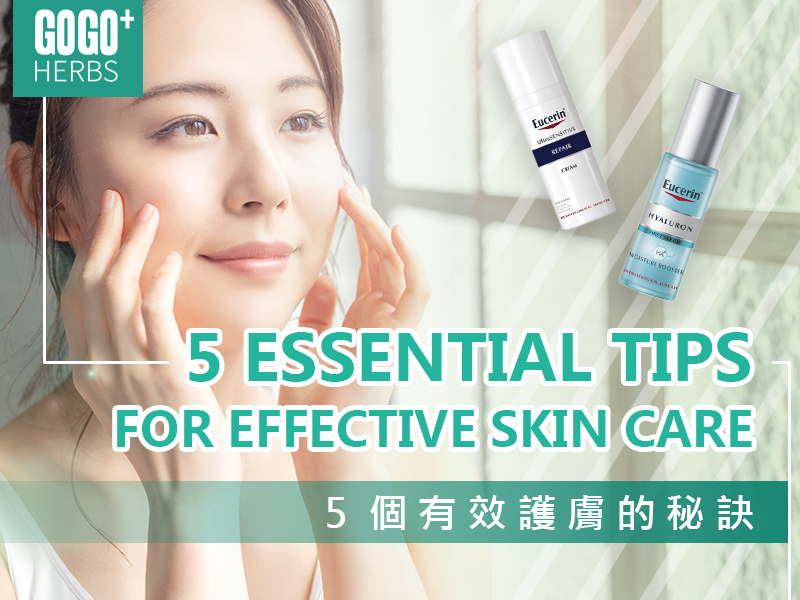
The skin is the largest organ in the human body.The skin is also an important protective barrier between the body and the outside world. Every day, it helps us resist external stimuli, regulate body temperature, and lock in moisture—and precisely because it is "exposed," it needs simple and consistent care. This article compiles five evidence-supported basic skincare rules to help you establish an easy-to-follow, skin-friendly daily skincare routine.
Why is basic skincare worth doing every day?
Under normal circumstances, skin is soft and elastic. However, as the largest "external organ" of the human body, it faces multiple challenges at all times: externally, there are air humidity, irritants, allergens, ultraviolet rays, and extreme temperatures; internally, it is affected by water intake, dietary choices, medications, and natural aging. It can be said that skin is an organ that changes with both internal and external factors.
That is why,Only consistent basic skincareOnly by doing so can we minimize the various factors that make our skin unhealthy. Maintaining healthy skin throughout the body relies on conscious, consistent, and clean lifestyle habits—which help the skin perform its physiological functions and maintain comfort and elasticity over time.
Two common skin conditions in adults: dryness and aging.
Dry skin
Dryness is a very common skin problem for adults. When the skin loses more moisture through the epidermis and the moisture content of the outermost layer (stratum corneum) decreases, the skin easily becomes dry, itchy, tight, rough, and even flaky. If not cared for in time, the skin will lose elasticity, become brittle, and further develop into uncomfortable cracking. Proper moisturizing and gentle cleansing are the first steps to improving dryness and maintaining skin comfort.
Aging and changes in skin condition
As we age, skin elasticity gradually decreases, collagen reduces, and fine lines and sagging slowly appear—this is a natural physiological process. In addition, stress, diet, lifestyle habits, and chronic conditions also affect skin condition. Although aging is irreversible,Gentle cleansing, ample moisturizing, daily sun protection, and good lifestyle habitsAll of these help maintain the skin's softness, comfort, and radiance.
8 major functions of skin
Understanding what your skin does makes it easier to see why it deserves good care. Skin primarily performs these functions:
- Physical protection:The body's first line of defense is to resist external forces and stimuli.
- Immune protection:The epidermis and dermis help block foreign antigens and are part of the defense system.
- Waste discharge and water retention:It helps eliminate waste and maintain the body's water balance.
- Regulating body temperature:It helps the body dissipate heat and retain warmth through blood flow and sweating.
- Sensory functions:Our rich network of nerve endings allows us to perceive pain, itching, hot and cold, and touch.
- Energy storage:Subcutaneous fat helps store energy and provides cushioning and protection.
- Synthetic Vitamin D:Moderate sunlight exposure helps the body produce vitamin D.
- Psychological and social expression:Healthy skin, lips, hair, and nails all affect self-confidence and interpersonal interactions.
5 (+1) Empirical Skincare Rules
1. Use a pH-balanced facial cleanser instead of soap.
The purpose of cleansing is to gently remove makeup residue, dirt, and excess oil from the surface, but it should not strip the skin of its natural oils. Studies have shown that regular soap is more alkaline (pH value) than skin, and frequent use may raise the skin's pH, make it drier, and even increase the risk of discomfort and infection.The UK's NHS also recommendsFor dry or irritated skin, moisturizers can be used as an alternative to soap for cleansing.
Therefore, whether it's general skincare, or skin that's particularly sensitive or has existing skin conditions, choosing...pH balanced, gentle and non-irritatingCleansing products (such as cleansing gels and cleansing milks) are a more skin-friendly approach. Cleansing products on the market come in various textures such as gels and lotions, allowing you to choose according to your skin type; the key is to cleanse while preserving the skin's natural protective barrier.
2. Avoid excessive friction and rubbing.
This applies to the whole body, especially to thinner and more delicate areas such as the face and genitals. Excessive scratching, vigorous rubbing, or patting can stimulate the skin to release inflammatory substances (such as histamine), potentially causing discomfort or even injury. For the elderly, whose skin is thinner, repeated friction and shearing are a common cause of skin tears.
Simple skincare tips are"Slow down, go slower"After cleansing, gently pat dry to remove moisture and avoid vigorous rubbing. Gentle movements are the best way to care for your skin.
3. Reduce contact with harmful moisture and irritants.
Healthy skin has a slightly acidic surface (pH approximately 4.0–5.5), providing a degree of self-protection. However, alkaline substances like urine, or chemicals such as pesticides, strong acids, and alkalis, can cause irritation upon skin contact. If accidental contact with an irritant occurs, it is recommended to use [medication/treatment].No-rinse cleaning productsGently removes pollutants, reducing damage to the skin.
4. Protect fragile skin with barrier repair products.
When the skin becomes red, flaky, tight, itchy, or prone to rashes, it often indicates...Weak skin barrierThis means the skin's ability to resist the penetration of external substances decreases. In this case, specially designed...Repair and protectionProducts for sensitive areas, such as moisturizing creams and balms, help soothe discomfort (such as redness and dryness) and strengthen the skin barrier, leaving the skin soft and comfortable.
5. Use a moisturizer to maintain hydration.
Moisturizers (hydrating products) are used for daily care of dry, itchy skin.First-line selection。NHS pointed outMoisturizers form a protective film directly on the skin's surface, locking in moisture, soothing and hydrating the skin. They are very safe and can be used multiple times as needed. They come in various forms, such as creams, ointments, lotions, and bath oils, and some can even be used as soap alternatives for cleansing.
Good moisturizers often contain ingredients such as urea and glycerin, which can help the skin.It retains moisture, lubricates the stratum corneum, and restores softness and elasticity.Hyaluronic acid-containing moisturizing serums are also a popular choice, as they absorb moisture, help hydrate the skin, and make fine lines appear smoother. Instead of waiting for your skin to "improve on its own," actively choosing suitable moisturizers to incorporate into your daily skincare routine is a more practical approach.
6. Enhanced: Daytime sun protection and anti-aging
The original text mentions that ultraviolet radiation is one of the external factors affecting the skin; here is a special addition:Prolonged sun exposure is a major cause of wrinkles, uneven skin tone, and premature aging.。Mayo Clinic 與 NHS It is generally recommended that daily sun protection (SPF 30 or higher, with UVA protection, and reapplied as instructed) combined with sun-protective clothing helps maintain youthful and healthy skin. Making sun protection the last step in your daytime routine is a highly cost-effective anti-aging investment.
How to choose skincare products that suit you
The key to implementing the above guidelines is choosing the right product type. The following categories all help maintain healthy skin; when choosing, check the ingredients and texture to see if they suit your skin type:
- pH balancing facial cleansers:It is gentle and does not disrupt the pH balance, making it suitable for daily use and sensitive skin.
- Barrier Repair Cream:It contains ingredients such as ceramides and shea butter, which help soothe and strengthen the skin barrier.
- Moisturizers/Creams and Balms:Contains urea and glycerin to lock in moisture; for dry areas, choose a more moisturizing cream.
- Hyaluronic acid moisturizing essence:It absorbs moisture and enhances skin's hydration and softness, and can be used as part of a moisturizing step.
- Daily sun protection (SPF30+, UVA protection):Protects against UV rays and maintains skin condition during the day.
You can find it on GogoHerbsPersonal Care SectionChoose suitable cleansing, moisturizing, and sun protection products.

Frequently Asked Questions (FAQ)
Q1: Do I need to use moisturizer if I have dry skin?
Moisturizers are the first-line choice for daily care of dry, itchy skin. They form a protective film on the skin's surface, lock in moisture, and soothe discomfort. The NHS states that they are very safe and can be used multiple times a day as needed, with the best results achieved by applying them immediately after washing your face or showering. Making it a daily habit can greatly help maintain comfortable skin.
Q2: Will soap damage my skin?
Regular soaps are highly alkaline and may strip away the skin's natural oils, leading to dryness, especially noticeable on dry or sensitive skin. Switching to a pH-balanced cleanser or using a moisturizer as a soap alternative can provide a gentler cleanse while preserving the skin's natural protective barrier.
Q3: What are the benefits of hyaluronic acid moisturizing serum?
Hyaluronic acid can absorb and lock in large amounts of moisture, helping skin retain moisture, reduce the appearance of fine lines, and improve softness and radiance. It is suitable as part of a daily moisturizing routine, especially for dry skin or skin types that require extra hydration.
Q4: Does sunscreen really fight aging?
Long-term UV exposure is a major cause of wrinkles, uneven skin tone, and premature aging. Using sunscreen with SPF 30 or higher and UVA protection daily, along with sun protection clothing and shade, helps maintain youthful, healthy skin – a widely recognized cost-effective skincare investment.
Q5: How should I start skincare for sensitive or easily dry and itchy skin?
Starting with a simple three-step routine is ideal: gentle cleansing (pH-balanced cleanser), simple moisturizing (using a moisturizer), and minimizing friction and contact with irritants. If redness, inflammation, or discomfort persists, it is recommended to consult a dermatologist or pharmacist to find the most suitable products and methods for your individual needs.
Source of information
- NHS — Emollients (Guideline on Emollients and Soap Alternatives):https://www.nhs.uk/conditions/emollients/
- NHS — Sunscreen and sun safety:https://www.nhs.uk/live-well/seasonal-health/sunscreen-and-sun-safety/
- Mayo Clinic — Skin care: 5 tips for healthy skin:https://www.mayoclinic.org/healthy-lifestyle/adult-health/in-depth/skin-care/art-20048237
Health Disclaimer:This article is for general skincare and lifestyle advice only and does not constitute medical diagnosis, treatment, or prevention advice, nor can it replace the professional advice of a doctor or pharmacist. If you have persistent or severe skin problems, please consult a dermatologist or other relevant professional. Product information (ingredients, content, specifications, price, and availability) is subject to the announcement on the product page on the day of publication.
Related Products:
-
Sale!
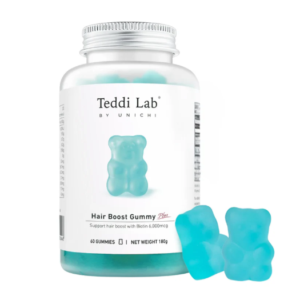
Unichi – Teddi Lab® Gummy Bears Gummy Bears for Hair Growth Upgraded Sea Salt and Green Titanium Flavour 60 Capsules
Original price was: $170.00.$125.00Current price is: $125.00. Add to basket -
Sale!
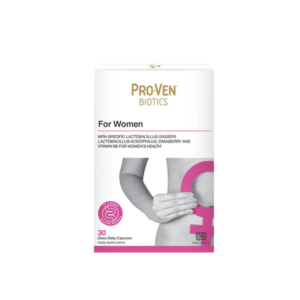
ProVen – Women's Dedicated Probiotic + Cranberry 3600 30 Capsules
Original price was: $198.00.$138.00Current price is: $138.00. Add to basket -
Sale!
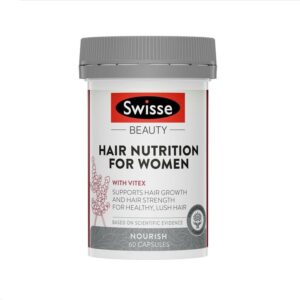
Swisse – Beauty Women's Hair Nutritional Capsules 60 Capsules
Original price was: $168.00.$118.00Current price is: $118.00. Add to basket -
Sale!
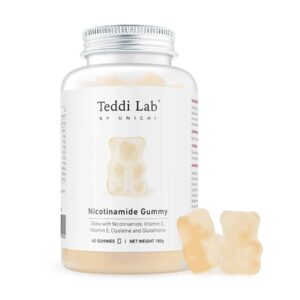
Unichi – Teddi Lab® Smokamine Whitening Gummy Bears Jasmine & Grapefruit Flavour 60 capsules
Original price was: $170.00.$125.00Current price is: $125.00. Add to basket
Related Post:
![網購保健品付款前,先核對這 8 件事]()
Before paying for health supplements online, check these 8 things first.
![葡萄糖胺軟骨素MSM點揀?食極都痛先檢查每日劑量]()
Glucosamine chondroitin MSM selection? Eating causes pain; first check the daily dosage.
![gogoherbs-mens-hair-cover]()
How to Choose Hair Care Supplements for Men? A Comparison of 8 Biotin, Saw Palmetto, and Collagen Products
![晨光下的健康早餐时光]()
From hair-nourishing gummies to collagen powder: Comparison of 8 best-selling beauty and health products and their formulas.