

































































"Balanced diet" is probably the phrase we hear most often, yet the one we practice least. Most people understand its importance, but can't articulate its specific benefits—is it better mentally? More stable weight? Or fewer illnesses in the long run?
First, let's clarify our focus: A balanced diet is fundamental to maintaining health, but no single food or dietary supplement can prevent, treat, or cure disease, nor can it replace prescribed medications or treatments. This article will break down the six major benefits of a balanced diet using official recommendations, and conclude with practical methods that even those who frequently eat out can easily implement.
II. Benefit 1: Supports overall health and daily functioning
III. Benefit 2: Helps with weight management
IV. Benefit 3: Stabilized Energy and Concentration
5. Benefit 4: Supports brain and mental health
6. Benefit 5: Promotes digestion and gut health
7. Benefit 6: Reduced risk of chronic diseases
8. Incorporate the six benefits into your daily meals.
IX. Nutritional Supplement Recommendations from gogoHerbs
10. Safety Boundaries and Medical Advice
XI. Frequently Asked Questions (FAQ)
I. What is a "balanced diet"?
A balanced diet does not mean "eating many kinds of food," but rather...Eat a wide variety of foods, eat enough, and eat in moderation.The World Health Organization (WHO) in its latest...Healthy Eating GuideIn China, the foundation of a healthy diet is summarized into four core principles:Adequacy, balance, moderation, and diversity.It also emphasizes that the food itself must be safe (free from microorganisms and chemical contaminants) and should mainly consist of "low-processed" foods.
If you translate it into everyday language, it would be these few sentences:
- Eat enough—The calories and nutrients are sufficient to meet the body's daily needs and will not be deficient in the long term.
- Eat evenly—Eat all kinds of food, instead of eating a lot of one type and almost nothing of another.
- Eat in moderation— Foods such as oil, salt, and sugar that do not meet the body's needs should be consumed in small amounts and only occasionally.
- Eat a variety of foods—Eat different types of food, including fruits and vegetables of different colors and varieties.
U.K.NHS Eatwell GuideThen draw it into a diagram: Fruits and vegetables should make up a certain percentage of your daily diet.More than one-thirdStarches (preferably whole grains and high-fiber foods) should also make up about one-third of the diet, with the remainder consisting of dairy products or alternatives, protein foods, and a small amount of unsaturated fats; high-fat, high-salt, and high-sugar foods and drinks should be consumed in moderation. This is the most intuitive representation of "balance."
II. Benefit 1: Supports overall health and daily functioning
This is the most fundamental of the six benefits: a balanced diet provides the materials the body uses every day—building new cells, repairing tissues, producing energy, and regulating metabolism all require nutrients. Insufficient or unbalanced nutrition will compromise these essential functions.
The immune system also needs "materials" to function.
Many people believe that certain foods can "boost immunity," but...Nutritional sources at the Harvard School of Public HealthIt's clearly stated that the design of the immune system is quite complex, influenced by many factors.It is unlikely that any single food or nutrient will provide special protection.The truly effective combination is "multivitamins and minerals + sufficient sleep + regular exercise + low stress".
Research has identified nutrients that are crucial for the growth and function of immune cells, includingVitamin C, Vitamin D, Zinc, Selenium, Iron, and ProteinThese nutrients are found in various plant and animal foods. In other words, instead of chasing after a particular "superfood," it's better to ensure that these sources of nutrients are consistently present on your plate—that's what a balanced diet does.
Eating a variety of foods makes it less likely to lack anything.
WHO points out thatEat a diverse diet both between and within food categories.A diet rich in processed foods is more likely to meet vitamin and mineral needs and is associated with a lower risk of diet-related non-communicable diseases. Conversely, a diet high in processed foods and low in natural foods is associated with poorer health outcomes.
III. Benefit 2: Helps with weight management
Weight comes from long-term calorie intake and expenditure, and a balanced diet is the most practical way to "control calories while eating enough" because it addresses both issues at the same time.
First: The portion size is naturally controlled.
When a meal includes vegetables, whole grains, and protein, with each type of food taking up a portion, the space for high-fat and high-sugar foods is naturally reduced. The WHO also mentions controlling total daily fat intake for adults.At a total energy of 30% or lessIt may help prevent unhealthy weight gain.
Second: Fiber makes you feel full and satisfied.
Dietary fiber plays an easily overlooked role in weight management.Harvard Nutrition SourcesThis explains why fiber cannot be broken down into sugar molecules by the human body and passes directly through the digestive tract, thus...It helps regulate the body's use of sugar, keeping hunger and blood sugar levels more stable.Water-soluble fiber forms a gel when it comes into contact with water, which slows down digestion and also helps reduce post-meal blood sugar fluctuations and hunger.
How big is the actual difference? Taking the WHO's recommendations as an example, people over 10 years old should consume [amount missing] daily.At least 25 grams of natural dietary fiberThe sources of fiber are vegetables, fruits, whole grains, and legumes; while increasing fiber intake requires...Step by stepAdding too much at once can easily cause bloating and discomfort, and you should also drink enough water.
IV. Benefit 3: Stabilized Energy and Concentration
"Feeling tired even after a full meal" is a common experience for many. The problem often isn't that they're not eating enough, but rather that they're eating the wrong things.UnstableWhen blood sugar levels fluctuate wildly, your mood also fluctuates; while a balanced diet can ensure a smoother energy supply.
Carbohydrates are essential for the bodymain energy sourceThe WHO recommends that for most people, unrefined carbohydrates should make up a significant proportion of their daily total energy intake (approximately 451 TP + 1 T + 751 TP + 4 T, depending on individual activity levels and circumstances), primarily from whole grains, vegetables, fruits, and legumes. The key is "quality":
- Whole grains and original starchBrown rice, oats, sweet potatoes, and whole wheat bread not only provide energy, but also fiber, B vitamins, and minerals, and are digested and absorbed more slowly.
- Refined sugar and sweetsWhile it's still carbohydrates, it lacks other nutrients. The WHO recommends that free sugars should be limited to below 101 TP4T of total daily energy, and further reduction to below 51 TP4T may be even more beneficial.
It is also worth notingproteinProtein is a building block for the body and also participates in energy metabolism. Distributing protein evenly across three meals makes it easier to maintain satiety and mental stability than concentrating it at dinner. The WHO states that an intake of 101 TP 1 T 151 TP 4 T of protein per day is generally sufficient for adults. Teenagers, athletes, or those building muscle can consume slightly more, but excessive intake over a long period will increase the metabolic burden.
There is another element that is often forgotten:水The NHS recommends that adults drink about 61 tbsp to 8 cups of fluid daily (excluding the water content of food), as dehydration itself can cause fatigue and difficulty concentrating.
5. Benefit 4: Supports brain and mental health
What you eat can indeed affect brain function and mood—but let's be precise:It's not that any one food can "boost brain function" or "fight depression."It's not the diet itself that's at play, but rather the overall dietary pattern.
Harvard Health PublishingThe stance is clear: "Just as there is no magic pill to prevent cognitive decline, no food can guarantee mental sharpness"; nutritionists emphasize this point.The most important strategy is to follow a healthy eating pattern.—A diet rich in fruits, vegetables, legumes, and whole grains; protein primarily derived from plants and fish; and unsaturated fats such as olive oil. Studies show that the foods most beneficial to the brain often coincide with those that protect the heart and blood vessels.
Within the framework of a balanced diet, these food categories deserve to be consistently present:
- Dark Green Vegetables(Spinach, kale, Chinese kale, broccoli): Rich in vitamin K, lutein, folic acid and beta-carotene.
- Oily fishSalmon, sardines, and mackerel: important sources of Omega-3 fatty acids (DHA/EPA); the NHS recommends eating at least two servings of fish per week, one of which should be an oily fish.
- Berries(Blueberries, strawberries): Contain flavonoids such as anthocyanins.
- Nuts and seeds(Walnuts, flaxseeds): provide alpha-linolenic acid (ALA) and vitamin E.
- Whole grains and legumesIt provides B vitamins, which are involved in the normal functioning of the nervous system.
Furthermore, there is a link between diet and mood. A long-term poor diet, lacking natural foods, is associated with poor overall health and emotional state; sufficient sleep and regular exercise are also considered important for maintaining mental health. It's important to note that if you experience persistent low mood, anxiety, or significant memory decline, these are issues requiring professional evaluation and cannot be resolved simply by adjusting your diet; please seek medical attention as soon as possible.
6. Benefit 5: Promotes digestion and gut health
This is the most noticeable of the six benefits. The digestion, absorption, and defecation of food are all directly related to the content of the diet.
Dietary fiber plays a dual role here:Insoluble fiberWhole wheat products, wheat bran, brown rice, beans, and fruits and vegetables with peels can increase stool volume, stimulate intestinal peristalsis, and help improve constipation;Water-soluble fibersOats, chia seeds, beans, apples, and blueberries absorb water and form a gel, which softens stool and makes it easier to pass. They also serve as food for beneficial gut bacteria and produce short-chain fatty acids after fermentation, which have a positive effect on the gut environment.
NHSRecommendations for managing constipationIn this context, "diet and lifestyle adjustments" are listed as the primary approach: a balanced diet, eating plenty of fruits containing sorbitol (apples, apricots, grapes, berries), drinking enough water, and avoiding alcohol.Gradually increase dietary fiberActivities such as daily walking or running can be helpful. Most people will feel improvement within a few days, sometimes it takes several weeks.
7. Benefit 6: Reduced risk of chronic diseases
This is the most valuable aspect of a balanced diet in the long run, and it's a key point repeatedly emphasized in official guidelines from various countries. Pay attention to the wording: "reducing risk" refers to a group-level relationship, not "guaranteeing you won't get sick," nor does it mean "eating a certain food can cure a disease."
WHO points out thatA healthy diet helps prevent various forms of malnutrition, as well as non-communicable diseases such as diabetes, heart disease, stroke, and cancer.Unhealthy diets are themselves a major risk factor for disease and disability. The specific recommended thresholds are quite clear:
- People aged 10 and above dailyAt least 400 grams of fruits and vegetables(Approximately 5 copies).
- dailyAt least 25 grams of natural dietary fiber。
- Less than 100 liters of salt per day 5 gramsFree sugars are less than total energy. 10%。
- Saturated fat should not exceed total energy intake 10%Trans fats should not exceed 1%And avoid industrially produced trans fats.
The US CDC also pointed out that people with healthy eating patternsThey have a longer lifespan and a lower risk of serious health problems such as heart disease, type 2 diabetes, and obesity.For people with existing chronic diseases, a healthy diet can also help control their condition and reduce complications. The UK's NHS states that people who eat at least five servings of fruits and vegetables daily...The risk of heart disease, stroke, and some cancers may be lower.。
A balanced diet can influence so many diseases because it acts on several key indicators simultaneously:
| Dietary adjustment | Potentially affected indicators |
|---|---|
| Adequate intake of fruits, vegetables, whole grains, and legumes | Dietary fiber, potassium, antioxidant nutrients |
| Replace saturated/trans fats with unsaturated fats | Blood lipids (LDL cholesterol) |
| Limit salt and highly processed foods | blood pressure |
| Limit free sugars and sugary drinks | blood sugar, weight |
In other words, a balanced diet is not for the sake of a single disease, but rather to push multiple risk factors in a positive direction simultaneously.
8. Incorporate the six benefits into your daily meals.
Now that we know the benefits, what's the next step? Below is a summary of the proportions from the Harvard Healthy Eating Plate and the NHS Eatwell Guide, presented in an easy-to-remember format.
Use the "plate method" to distribute a meal.
- Half: Vegetables and Fruits—The more colors the better (potatoes are not considered vegetables because they have a significant impact on blood sugar).
- One-quarter: Whole grain staple foodBrown rice, oats, quinoa, and whole wheat pasta can replace white rice and white flour.
- One-quarter: Protein—Fish, poultry, beans, nuts; eat less red meat and avoid processed meats.
- Use oil:Choose unsaturated vegetable oils such as olive oil and canola oil, and avoid products containing partially hydrogenated oils.
- Beverages:Consume mainly water, unsweetened tea, or coffee, and avoid sugary drinks as much as possible.
Three tips for those who frequently eat out
- Add another dish:It's much easier to add a plate of blanched vegetables or salad when ordering than to change it throughout the meal.
- Replace half of the staple food:Replace white rice with half a bowl of brown rice, or choose whole wheat noodles.
- Reduce the amount of sauces and beverages:Adding sauces separately and switching to sugar-free drinks are the two easiest ways to reduce salt and sugar.
IX. gogoHerbs Nutritional Supplement Recommendations (Product links to be added later)
A balanced diet is always the top priority; however, for those with a narrow diet, a high frequency of eating out, smaller food intake, or increased nutritional needs, multivitamins and minerals can serve as a supplementary option. The following are guidelines for daily nutritional health maintenance and should not replace a balanced diet, medication, or medical advice.

Selection principles:① Carefully review each ingredient and "content per serving" to ensure it is close to or exceeds the daily limit; ② Choose brands that clearly label their products and are willing to provide third-party testing information; ③ Avoid taking multiple products with similar formulas simultaneously to prevent adverse reactions; ④ If you are currently taking medication or have a chronic illness, consult your doctor or pharmacist before starting.
10. Safety Boundaries and Medical Advice
- Food is a source of nutrition, not medicine.A balanced diet can support normal bodily functions and reduce the risk of some chronic diseases, but it cannot guarantee that you will not get sick, nor can it replace medications or treatments prescribed by a doctor.
- Special attention should be paid to certain groups:Pregnant and breastfeeding women, infants and children, the elderly, patients in recovery, and those with chronic diseases such as heart disease, high blood pressure, diabetes, and kidney disease or those currently taking medication should adjust their diet according to the advice of a doctor or registered dietitian.
- Positioning of supplements:Vitamin/mineral supplements can be helpful when dietary intake is insufficient, but not everyone needs them; excessive intake may be harmful and there is a risk of drug interactions.Harvard Nutrition SourcesIt is important to note that supplementing with "high doses" far exceeding the recommended intake is not advisable and may even be harmful in some cases.
- Please seek medical attention if you experience any of the following:Persistent fatigue, unexplained weight changes, significant changes in bowel habits or bloody stools, slow-healing wounds, and uncontrolled symptoms of chronic diseases should not be treated solely by adjusting diet.
- Those who need pharmaceutical or medical-grade nutrition(For conditions such as diabetes, kidney disease, or severe malnutrition), please follow the individual prescriptions from your medical team and do not substitute with general health supplements.
XI. Frequently Asked Questions (FAQ)
Does eating a variety of foods equate to a balanced diet?
Not entirely. The key to a balanced diet lies in the "proportion and quantity of various foods." If high-fat and high-sugar foods make up the majority of the meal, even if there is a wide variety, it is not considered balanced. A more practical way to judge a diet is to imagine it as a plate: half fruits and vegetables, a quarter whole grains, and a quarter protein.
If you eat a balanced diet, do you not need to take vitamin supplements?
For most healthy adults with diverse diets, a balanced diet provides the necessary nutrients, and supplements are not essential. The value of supplements lies in "filling gaps"—they can be used as an adjunct under professional advice in situations where dietary variety is limited or needs increase (such as during pregnancy, old age, or malabsorption). They cannot replace a balanced diet, nor do they contain all the benefits of natural foods.
It's difficult to get 5 servings of fruits and vegetables a day, what can I do?
Breaking it down into smaller portions makes it much easier: add a serving of fruit for breakfast, a plate of green vegetables for lunch, a serving of vegetables for dinner, and replace cookies with fruit for afternoon tea. Adding one more serving will meet your goal. Note that even unsweetened fruit juice and smoothies contain free sugars, so limit your intake to 150 ml per day, and only count as one serving.
Does a balanced diet always lead to weight loss?
Not necessarily. A balanced diet helps to ensure a more reasonable intake of calories and nutrients, and a more stable feeling of fullness, making it easier to maintain a healthy weight; however, weight still depends on overall calorie intake and expenditure and activity level. If the goal is weight loss, it is recommended to combine this with regular exercise and consult a doctor or registered dietitian if necessary.
Can people who frequently eat out maintain a balanced diet?
Yes, but you'll need to follow a few consistent steps: proactively add a serving of vegetables to each meal, choose whole grains or half a serving of white rice as your main dish, add sauce separately, and switch to sugar-free beverages. You don't need to do all of these adjustments at once; just focus on one or two first. The long-term effects will be more substantial than a strict short-term diet.
Can a balanced diet prevent heart disease or diabetes?
A more accurate term would be "reduced risk." Both the WHO and NHS indicate that a healthy diet is associated with a lower risk of heart disease, stroke, type 2 diabetes, and some cancers; however, this is a group-level risk association, not a guarantee. For those already diagnosed with chronic diseases, diet is part of a treatment plan and must be adjusted according to the instructions of their medical team.
Are balanced diets the same for the elderly, pregnant women, and children?
The principles are the same, but the details differ. Older adults need to pay attention to their intake of protein, calcium, vitamin D, and B12; pregnant and breastfeeding women have increased needs for folic acid, iron, iodine, and vitamin D, while avoiding high doses of vitamin A and cod liver oil; children's intake and proportions should be adjusted according to age. It is recommended that these groups consult with a doctor or registered dietitian first.
Reference source
- World Health Organization (WHO) — Healthy diet guidelines(Contains 400g of fruits and vegetables, 25g of fiber, 5g of salt, and the upper limit for saturated and trans fats)
- UK NHS — The Eatwell Guide
- UK NHS — Eating a balanced diet
- UK NHS — Constipation: Dietary and Lifestyle Adjustment Recommendations
- US CDC — Tips for Healthy Eating for a Healthy Weight
- The Nutrition Source, Harvard School of Public Health — Healthy Eating Plate
- The Nutrition Source, Harvard School of Public Health — Fiber (dietary fiber)
- The Nutrition Source, Harvard School of Public Health — Nutrition and Immunity
- Harvard Health Publishing — Foods linked to better brainpower
Disclaimer:This article is a compilation of nutrition and health information for general reference only and does not constitute medical advice, diagnosis, or treatment. No food or dietary supplement can prevent, treat, or cure disease, nor should it replace medication or treatment prescribed by a doctor. Pregnant women, breastfeeding women, children, the elderly, patients recovering from illness, those with a history of chronic diseases, or those currently taking medication should consult a doctor, pharmacist, or registered dietitian before adjusting their diet or starting any supplements. Please refer to the packaging label for the ingredients, content, and recommended dosage of individual products.
Related Products:
-
Sale!

Unichi – Teddi Lab® Gummy Bears Gummy Bears for Hair Growth Upgraded Sea Salt and Green Titanium Flavour 60 Capsules
Original price was: $170.00.$125.00Current price is: $125.00. Add to basket -
Sale!

Jamieson – Long Lasting Vitamin C 1000mg 100 Tablets
Original price was: $138.00.$108.00Current price is: $108.00. Add to basket -
Sale!
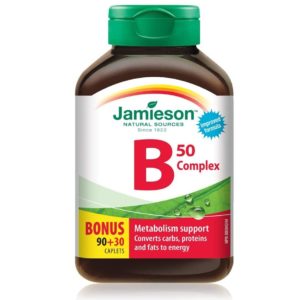
Jamieson – Natural Vitamins B complex 50 120 capsules
Original price was: $168.00.$98.00Current price is: $98.00. Add to basket -
Related Post:
![母親用滴管把少量植物藻油滴在食物匙上,幼兒坐在餐桌旁]()
A Complete Guide to Plant-Based Algae Oil Omega-3: Odorless, Vegetarian, and Suitable Omega-3 Choices for Pregnant Women and Infants
![牛樟芝子實體與膠囊製品示意]()
What is Antrodia camphorata? A complete guide to its ingredients, research evidence, and precautions for consumption.
![世界心臟日護心飲食場景,香港中年夫婦享用豆漿、豆腐、雞蛋與堅果,旁有心臟及細胞膜卡通示意]()
World Heart Day: Heart Health in Hong Kong Starts with Daily Life | What are the Benefits of Lecithin? Which of Three 1200mg Products to Choose From?
![香港成年人在家閱讀與休息,從日常習慣開始理解腦部健康]()
Fish oil, mini capsules, or B12? Formulas and daily choices for 8 best-selling brain health products.