






























































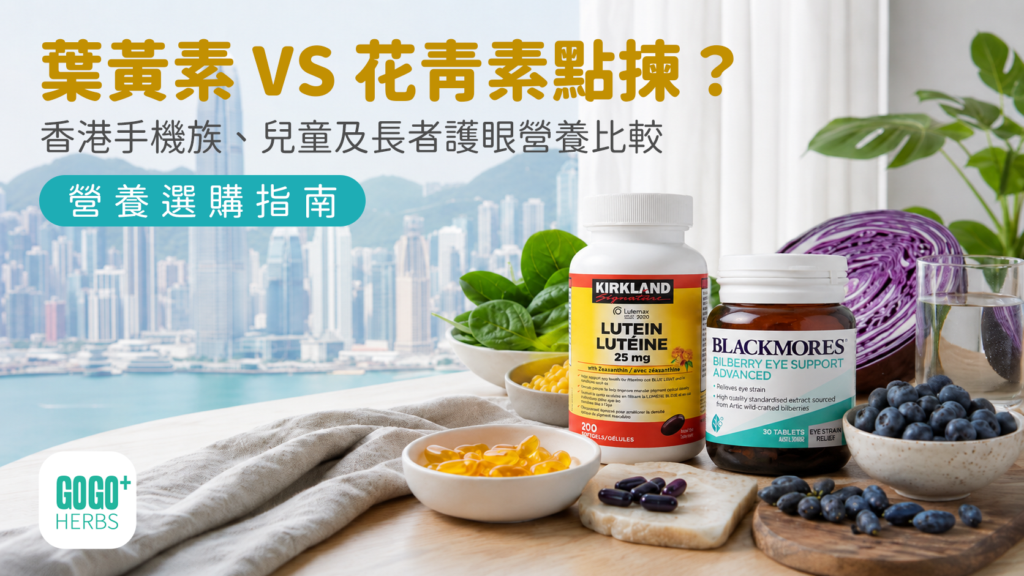
This article focuses on providing a purchasing guide for common eye-protecting nutrients in Hong Kong, including lutein, zeaxanthin, bilberry, blueberry, and anthocyanins. It compiles information from Gogo Herbs products, publicly available ophthalmological research, and everyday eye-use scenarios. Nutritional supplements cannot replace eye examinations, glasses, artificial tears, medications, or surgery. If you experience a sudden decrease in vision, eye pain, flashes of light, a sudden increase in floaters, visual field defects, or persistent redness, seek medical attention immediately.
Lutein vs. Anthocyanins: Let's start with the simplest answer.
Lutein and anthocyanins are both commonly found in eye health supplements, but they are not the same ingredient. They differ in their food sources, formulation positioning, and research focus. Simply asking "which one is definitely better" doesn't necessarily provide a suitable answer for everyone. A more practical question is: are you primarily concerned with macular nutrition, eye strain from prolonged screen time, daily antioxidants, or overall eye health for children and the elderly?
Simply put:
- Lutein and zeaxanthin: It belongs to the carotenoid family and is concentrated in the macula of the retina. It is often used as a nutritional comparison point for macular and visual health.
- anthocyanin: Commonly found in plant sources such as bilberry, blueberry, blackcurrant, and purple fruits and vegetables, it belongs to the polyphenol pigment class and is often used in formulations related to anti-oxidation, eye fatigue, and microcirculation.
- Take both together: Daily support can be provided from different nutritional perspectives, but this does not necessarily mean that it can improve myopia, treat glaucoma, eliminate floaters, or restore vision to normal.
The National Eye Institute points out that the lutein and zeaxanthin formulations in the AREDS2 study were primarily evaluated for individuals with specific mid- to late-stage age-related macular degeneration, and are not a universal prescription for preventing all eye diseases. The study also shows that AREDS/AREDS2 supplements cannot prevent the onset of macular degeneration.NEI: AREDS/AREDS2 FAQ
Therefore, eye-care nutritional products can be used as a supplement when there are deficiencies in the daily diet, but it is incorrect to directly state that "containing lutein" means "preventing age-related macular degeneration," or that "containing anthocyanins" means "improving myopia, glaucoma, or night blindness." This article will retain the positive nutritional value of both types of ingredients while clearly distinguishing between applicable scenarios and medical treatments.
Why do Hong Kong people ask about eye care supplements so often?
Hong Kong people's eye-use habits are very concentrated: they use computers at work, use mobile phones after work, browse social media while commuting, and may watch dramas or play games at night. Children switch between online classes, homework, tablets, and mobile phones; the elderly may pay attention to macular degeneration, cataracts, dry eyes, or changes in vision. When their eyes are dry, tired, sensitive to light, or have short-term difficulty focusing, many people's first thought is to buy "blueberry extract" or "lutein".
However, eye fatigue doesn't necessarily mean a deficiency in a particular nutrient. Prolonged close-up work, reduced blinking frequency, air conditioning, contact lenses, lack of sleep, incorrect eyeglass prescriptions, dry eye syndrome, and eye diseases can all cause similar sensations. Eye care products can be incorporated into daily skincare, but improving eye habits and getting checked when necessary are equally important.
The National Eye Institute recommends the 20-20-20 rule for people who spend long hours looking at computers, mobile phones, or televisions: every 20 minutes, look at something about 20 feet away for at least 20 seconds to give your eyes a regular rest.NEI: Healthy vision tips
What is lutein? Why does it often appear together with zeaxanthin?
Lutein and zeaxanthin both belong to the carotenoid family.
Lutein and zeaxanthin are pigments naturally found in dark green vegetables, corn, egg yolks, and some fruits. The macula of the human eye contains a high concentration of macular pigment, the main components of which include lutein, zeaxanthin, and meso-zeaxanthin. This is why eye care products often combine all three in the same formula.
Lutein and zeaxanthin are not "eye filters," nor do they completely block blue light from mobile phones. A more accurate understanding is that they are natural pigments and antioxidant nutrients found in the macula, and products formulated to support macular, retinal, and visual health are typically designed to do so.
How long do I need to consume lutein before I feel any effects?
Different studies use different products, dosages, subjects, and observation indicators, so it's impossible to give everyone the same "how many days it takes to see results." This issue's copy mentions at least 3 months, which can be understood as a more reasonable observation period, rather than a guarantee that vision will definitely improve after 3 months. Nutrients need time to be ingested and metabolized, and the concentration of macular pigment will not change immediately after taking one or two pills.
When purchasing lutein, you should take it consistently according to the product label and keep a record of your daily dosage, time of administration, other supplements, and eye condition. If your goal is to treat a diagnosed macular degeneration, you should provide the product information to your ophthalmologist instead of using a regular lutein product to replace AREDS2 or a prescription.
Should lutein be taken before or after meals?
Lutein and zeaxanthin are fat-soluble carotenoids. Kirkland product information recommends that adults take one capsule daily with a meal. Generally, taking it with a meal containing a small amount of fat is easier to manage than taking it on an empty stomach; however, the final recommendation should be based on the product label and the advice of a healthcare professional.
This does not mean you should deliberately eat high-fat foods. A normal meal containing eggs, fish, meat, beans, or a small amount of healthy fats can be used as a reference for your diet. You should also pay attention to your own digestive system and your doctor's dietary requirements.
What are anthocyanins? What are the differences between bilberries and blueberries?
Anthocyanins are plant pigments and polyphenolic components.
Anthocyanins are natural pigments found in many red, purple, and blue plant foods. Common sources include blueberries, bilberries, blackcurrants, purple cabbage, black rice, grape skins, and purple sweet potatoes. Bilberries, also known as European blueberries or bilberries, are typically standardized in products as containing a specific anthocyanin content.
When comparing blueberry extracts, consumers often focus solely on the "millions of blueberry extract," but the concentration ratio and standardized anthocyanin content are equally important. For example, Jamieson's product information shows that its 80:1 bilberry extract contains 25 mg, standardized to 36% anthocyanins, equivalent to 2,000 mg of whole fruit; BLACKMORES uses 80 mg of 100:1 bilberry extract, which its product page lists as equivalent to 8,000 mg of fresh fruit. The two cannot be directly compared based solely on the "millions of blueberries" per capsule.
How should we understand the research on anthocyanins and eye fatigue?
Some small randomized controlled trials have explored the relationship between bilberry anthocyanins and eye fatigue, ciliary muscle activity, and subjective discomfort among visual display terminal users, but the products, dosages, and results of these studies may not be consistent. A more conservative approach would be to state that anthocyanin products can be used as a comparative indicator for antioxidant and daily eye fatigue nutritional support; it should not be stated that they have been proven to improve myopia, glaucoma, or all dry eye symptoms.
A 12-week randomized, double-blind, placebo-controlled study observed the effects of standardized bilberry extract on ciliary muscle contraction-related indicators and eye fatigue, but a single study does not mean that all bilberry products have the same effect.Research data: 12-week bilberry extract trial
Will anthocyanins "improve blood circulation in the eyes"?
Many product materials tout microcirculation, ocular blood flow, and antioxidant properties, but human research results depend on the specific extract, its concentration, and the subjects tested. Official articles may state that anthocyanins are a common plant-derived ingredient in antioxidant formulas, and some studies explore their relationship with visual fatigue and microcirculation; however, they should not directly claim that they can unclog blood vessels, treat retinal diseases, or improve glaucoma.
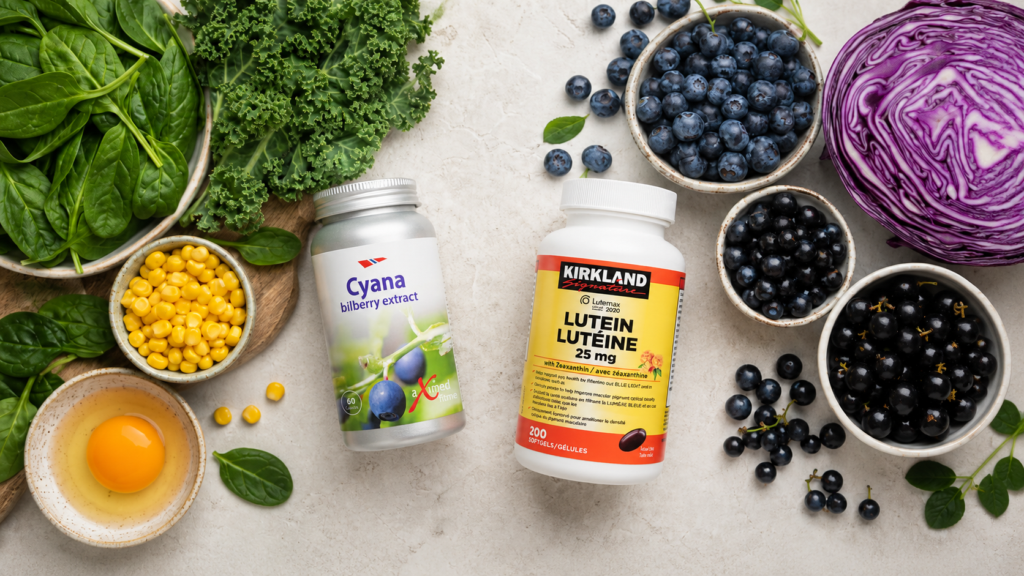
Lutein vs. Anthocyanins: A chart to explain.
| Comparison items | Lutein/Zeaxanthin | Anthocyanins / Bilberry / Blueberry Extract |
|---|---|---|
| Ingredient Category | Carotenoids and macular pigments | Plant polyphenols and natural purple-red pigments |
| Common sources | Spinach, kale, egg yolk, corn, marigold extract | Bilberries, blueberries, blackcurrants, purple fruits and vegetables |
| Common research directions | Macular pigmentation, retina and visual health | Studies on antioxidant activity, eye fatigue, ciliary muscle and microcirculation |
| Common product positioning | Macular region and long-term eye care nutrition | Eye fatigue and plant-based antioxidant formula |
| Key points of administration | Fat-soluble, the product is often recommended to be taken with meals. | Pay attention to the standardized anthocyanin content as indicated on the product label. |
| Suitable for comparison | Insufficient vegetable intake, the elderly, and people who use screens for extended periods | People who spend long hours using their eyes at close range, those who are concerned about antioxidants and eye fatigue |
| Cannot replace | Ophthalmological examination, eyeglasses, treatment of macular degeneration | Ophthalmological examination, dry eye treatment, glaucoma or myopia management |
The purpose of this table is not to help you choose the "strongest" one, but to let you know that the two take different nutritional paths. If your diet is lacking in dark green vegetables, you can learn about lutein; if you don't eat many berries and are concerned about antioxidants and eye fatigue, you can compare anthocyanin products. If you are concerned about both aspects, you can also match products according to their formulas and total daily intake, but you don't necessarily need to take multiple bottles at the same time.
Who is a good candidate for lutein supplementation?
People who spend long hours using computers, mobile phones, and tablets
When staring at a screen for extended periods, many people blink less, making their eyes more prone to dryness and fatigue. Lutein products can serve as a reference for daily eye nutrition, but they cannot replace the 20-20-20 break method, adjusting font size, maintaining proper distance, and improving the work environment.
People who do not consume enough vegetables
Lutein and zeaxanthin can be obtained from foods such as spinach, kale, bok choy, broccoli, corn, and egg yolks. People with unbalanced diets, those who frequently eat out, or those who are not accustomed to eating dark green vegetables can compare the content and convenience of supplements. Supplements do not mean you can completely eliminate vegetables; food still provides fiber, vitamins, and other plant nutrients.
People who are concerned about macular nutrition in the elderly
Elderly individuals diagnosed with intermediate or advanced AMD by an ophthalmologist should consult their doctor about whether AREDS2 formulations are suitable. The NEI clearly states that AREDS/AREDS2 offers no clinical benefit to individuals without AMD or with early-stage AMD, nor does it prevent the development of AMD.NEI: AREDS2 supplements
Therefore, Kirkland lutein products can be purchased as general eye care supplements, but should not be directly described in articles as treating or preventing age-related macular degeneration. Elderly individuals experiencing central vision distortion, curved lines, central black spots, or reading difficulties should first undergo an ophthalmological examination.
Who is suitable to compare anthocyanins?
People who work at close range for long periods of time and whose eyes are prone to fatigue.
Anthocyanin products are commonly found in the "bilberry, blueberry extract, blueberry essence" category, making them suitable for comparison in daily antioxidant and eye fatigue nutrition. However, eye fatigue can also be caused by incorrect prescription, dry eyes, insufficient sleep, or prolonged lack of rest. Even after taking the product, it is still necessary to improve eye habits.
People who rarely eat berries and purple fruits and vegetables
Blueberries, bilberries, blackcurrants, and purple fruits and vegetables all contain different polyphenols and anthocyanins. If these foods are not frequently consumed in your daily diet, you can compare the product's source, extraction rate, standardized anthocyanin content, and method of consumption.
People who want to choose vegetarian capsules
This issue's Jamieson bilberry product information lists it as a 60-capsule vegetarian product, suitable for those who want to avoid gelatin. However, it's still advisable to check the latest packaging before purchasing, as product formulas and packaging may be updated; "vegetarian capsules" does not mean they are suitable for everyone.
Comparison of 4 Eye Care Products in This Issue
The following product names, prices, and links are compiled based on information from this issue's copy and the latest data from Gogo Herbs.
| PRODUCTS | Main nutritional direction | Specification | This issue's copywriting price | Check status |
|---|---|---|---|---|
| Kirkland Signature Lutein + Zeaxanthin | Lutein 25mg + Zeaxanthin/Melo-zeaxanthin total 5mg | 200 soft capsules | HK$198 | The latest database is available for verification. |
| Bio Island Children's Lutein Eye Protection | Children's Lutein Eye Protection Formula | 60 pills | HK$158 | BI008 was not found in the latest database; verification is required. |
| BLACKMORES Eye Care Bilberry Blueberry Extract | Bilberry extract + grape seed extract, focusing on anthocyanins | 30 pieces | HK$80 | The latest database is available for verification. |
| Jamieson Eye Care Concentrated Bilberry | Bilberry 80:1, standardized anthocyanins | 60 vegetarian capsules | HK$98 | The latest database can be verified; SKU is JMS056. |
1. Kirkland Signature – Lutein 25 mg + Zeaxanthin 5 mg 200 Softgels

This product's main focus is its concentrated formula of lutein and zeaxanthin, making it suitable for those who want to understand macular nutrition, spend long hours in front of a screen, or don't get enough vegetables in their diet. The product information recommends adults take one capsule daily with a meal or as directed by their doctor. Because it contains fat-soluble carotenoids, taking it with a meal is easy to remember and aligns with the product information's dosage instructions.
However, "containing lutein" does not mean it can filter out all blue light from electronic devices, nor does it mean it can prevent all retinal diseases. Eye problems caused by using mobile phones, computers, and indoor LED lights still require proper rest, blinking, maintaining appropriate distance, and adequate lighting. If an elderly person has been diagnosed with AMD, the suitability of the product should be determined by an ophthalmologist based on the AREDS2 formula and the individual's circumstances.
This product is suitable for people who want to compare it:
- For those who want to compare the content of lutein and zeaxanthin.
- People who don't get enough vegetables on a daily basis but want to establish daily eye-care nutrition habits.
- For those who spend long hours using computers, mobile phones, or tablets and want to incorporate macular nutrition into their skincare routine.
- People who can take it daily with meals and are willing to continue observation for at least several weeks to several months.
2. Bio Island – Children's Lutein Eye Care 60 Capsules

This product can help children's vision development, but vision is not only related to nutrition, but also to outdoor activities, time spent on close-up work, genetics, lighting, reading distance, and eye examinations. If a child squints, has difficulty seeing the blackboard, frequently rubs their eyes, has headaches, strabismus, or looks at things too closely, an eye exam should be performed first.
3. BLACKMORES – Eye Care Bilberry Blueberry Extract 30 Tablets

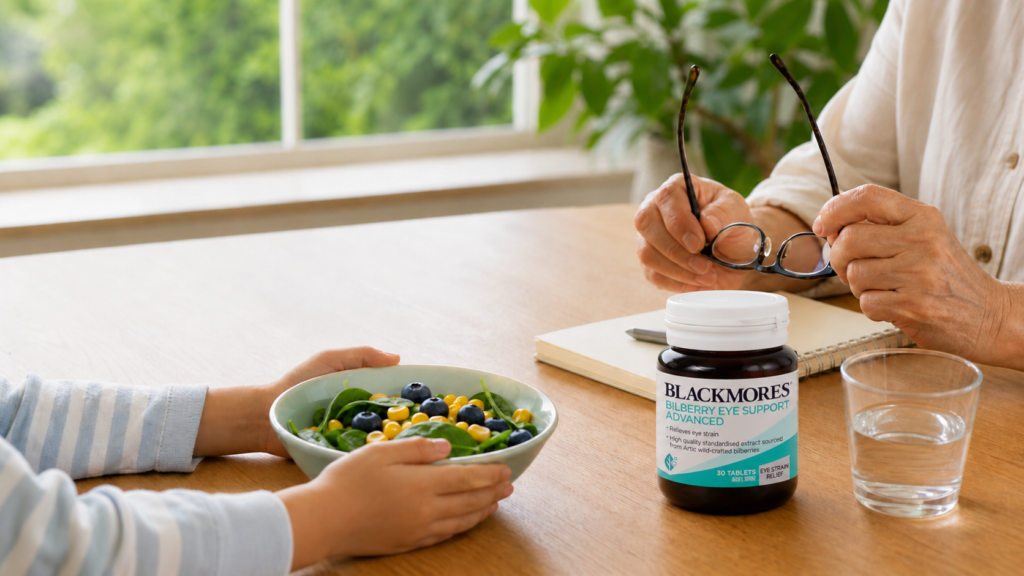
The product information primarily focuses on anthocyanins, antioxidants, eye microcirculation, retinal function, and eye health. General maintenance recommendations for adults include one tablet daily with meals. For enhanced relief of dry eyes, the product information recommends two tablets once daily, or as directed by a healthcare professional. Consumers should not mistake "enhanced relief" for treatment of dry eye syndrome, nor should they increase the dosage long-term due to dry eyes.
Pregnant women and breastfeeding mothers should consult a doctor before use; the product information also recommends storing it in a cool, dry place, away from direct sunlight. If you are currently using anticoagulants, preparing for surgery, or have a chronic illness, you should provide a complete ingredient list to your doctor or pharmacist before purchasing.
This product is suitable for those who want to compare it with bilberry and grape seed antioxidant formulas, and also for those who want to get started with anthocyanin products at a lower price. However, if your main needs are lutein and macular carotenoids, you should compare it separately from KS020 and not treat the two products as the same category.
4. Jamieson – Eye Care Concentrate Bilberry (European Blueberry) Extract 2,000 mg 60 Vegan Capsules
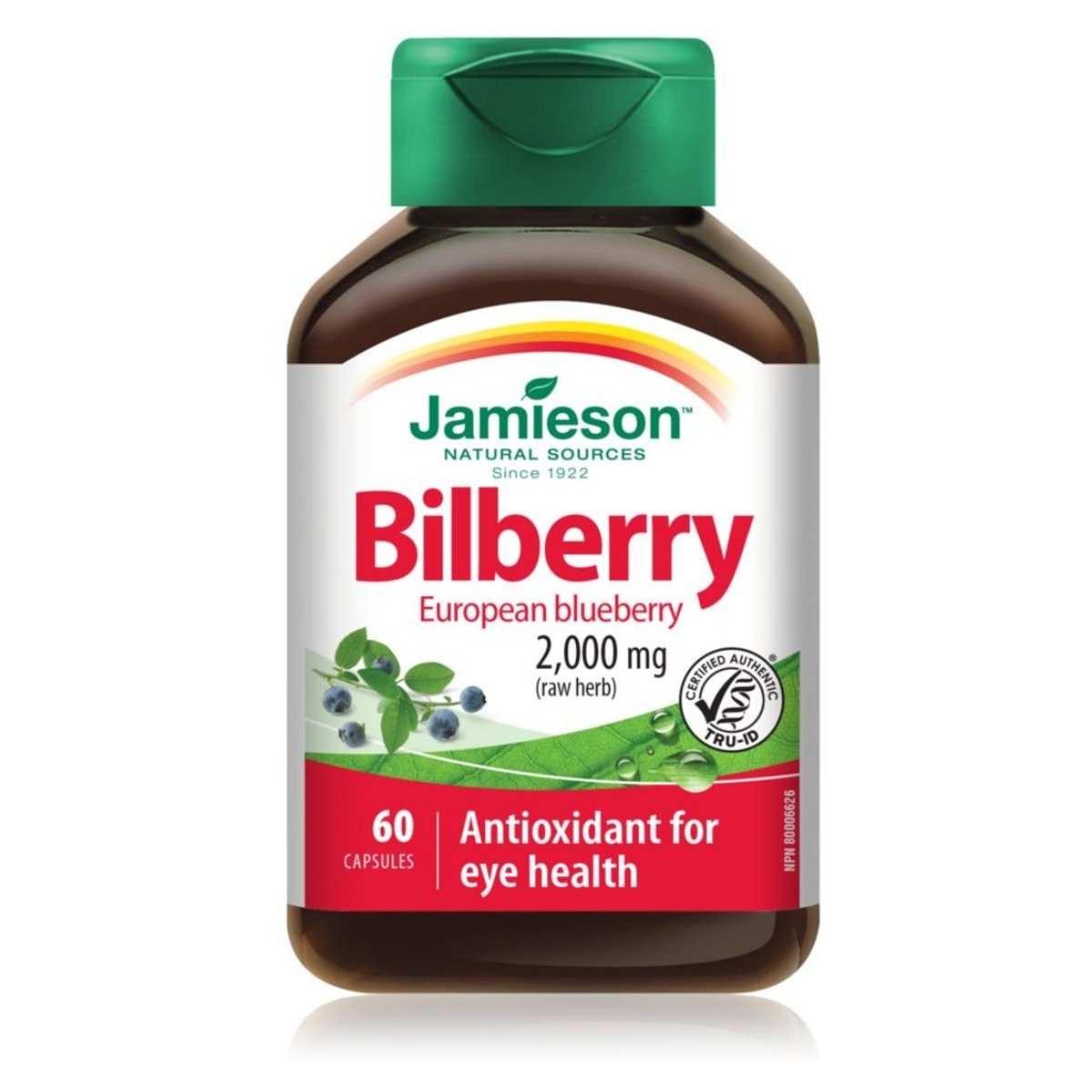
The product information states that each capsule contains 25 mg of bilberry 80:1 extract, standardized at 36% anthocyanins, equivalent to 2,000 mg of the original fruit. The recommended adult dosage is one capsule daily, or as advised by a healthcare professional. The product uses vegetarian capsules and is free of salt, starch, gluten, lactose, artificial colors, flavors, or preservatives. Individuals with sensitivities to certain ingredients should consult the latest packaging.
This product is suitable for those who want to compare bilberry concentrate, standardized anthocyanin content, and vegan capsules. While both are anthocyanin-focused, they differ in concentration, content per capsule, formula, daily dosage, and capsule form. Consumers should look at the "anthocyanin content" and "instructions for use," not just "equivalent to how much fresh fruit."

Lutein, anthocyanins, and blue light: Don't confuse the concepts.
"Blue light" is frequently mentioned in eye care advertisements, but consumers need to clarify a few things. First, while mobile phone and computer screens can cause eye strain from prolonged close-range use, eye strain does not equate to retinal damage. Second, lutein and zeaxanthin are macular pigments, not external screen protectors. Third, the antioxidant claim of anthocyanin products cannot be directly equated with "filtering out blue light."
For people who spend long hours in front of a screen, the most practical ways to protect their eyes include:
- Follow the 20-20-20 rule: look into the distance for 20 seconds every 20 minutes.
- Place the screen at a suitable distance, and make sure the font is not so small that you have to squint.
- Adjust the indoor lighting to prevent screen glare from directly entering your eyes.
- Blink consciously, and those in air-conditioned rooms or who wear contact lenses should pay more attention to dryness.
- Make sure your glasses prescription is correct, and have your eyes checked if your vision changes.
- Use artificial tears as recommended by your doctor or pharmacist if needed.
- Treat lutein or anthocyanins as nutritional supplements, not as ways to offset unlimited screen time.
Children's eye care: Besides nutrition, outdoor activities and eye exams are even more important.
When parents choose eye care products for children, their most common expectation is that "eating these products will prevent nearsightedness." However, nearsightedness is related to genetics, outdoor time, close-range eye use, and overall lifestyle habits. No lutein or blueberry extract can guarantee that a child will not develop nearsightedness. Nutritional supplements can provide nutritional support when dietary intake is insufficient, but they cannot replace eye examinations and nearsightedness management for children.
Parents can first check the daily outdoor time.
Children's time spent doing homework, attending online classes, and using mobile phones indoors should ideally be balanced with outdoor activities. Specific arrangements for outdoor activities should be determined based on age, weather, and safety considerations. Sun protection and safety precautions should still be taken when going out. If a child has nearsightedness, astigmatism, or strabismus, their treatment plan should be followed according to an ophthalmologist's advice.
Children's supplements should be selected based on their recommended age.
Adult products should not be given to children in reduced quantities, and children's products should not be given in increased quantities by parents. Parents need to confirm: the applicable age, the daily number of capsules, whether the capsules are safe to swallow, whether they contain ingredients such as milk, fish, gelatin, soy, or sulfites, and how the product should be stored.
An examination should be arranged in these situations.
If a child frequently squints, tilts their head to read, watches TV too closely, has difficulty copying from the blackboard, rubs their eyes, experiences headaches, or suddenly slows down their reading speed, parents should arrange for an eye exam. Don't simply attribute these symptoms to "lutein deficiency" or "eye strain."
Eye care for the elderly: Lutein is not a treatment for macular degeneration
Older adults' interest in lutein is often related to macular degeneration, vision loss, and age-related eye problems. The macula is responsible for central vision; clear central vision is essential for reading, recognizing people, and seeing details. Age-related macular degeneration can affect central vision, but "eye-protecting nutrients" and "treatment of a diagnosed disease" are two different things.
The NEI points out that AREDS2 supplements may help slow the progression of mid- or late-stage AMD, but they cannot prevent AMD or be used for all eye conditions. Seniors diagnosed with AMD should bring their doctor's recommended formula, their current vitamins, and any products they wish to purchase to their follow-up appointment to avoid duplicate intake or use of inappropriate dosages.
Elderly people should pay attention to visual distortion.
You can use a grid chart for daily observation under the guidance of a doctor. If straight lines become curved, black dots appear in the center, the text suddenly becomes distorted, or vision in one eye suddenly changes, do not wait to "take a row of supplements and see"; you should seek medical attention as soon as possible.
Smokers should pay special attention to the formula.
NEI data indicates that beta-carotene in the older AREDS formula may increase the risk of lung cancer in current or former smokers. Therefore, AREDS2 has replaced beta-carotene with lutein and zeaxanthin. This does not mean that all lutein products are equivalent to AREDS2, nor does it mean that purchasing ordinary eye care products can replace a doctor's prescription. Smokers should consult their doctor or pharmacist for the complete ingredient list when purchasing multi-antioxidant products.
Should I consume anthocyanins if I have dry, red eyes?
Dry and red eyes have many causes, including insufficient tear production, rapid tear evaporation, inflammation at the base of the eyelashes, contact lenses, air conditioning, prolonged screen time, allergies, infections, and other eye conditions. Bilberry or anthocyanin products can be considered as antioxidant supplements, but they should not be used to diagnose or treat dry eye syndrome.
If dry eyes only occur after prolonged computer use, try increasing rest, blinking, and adjusting the air conditioning and screen position. If dryness occurs daily, is unbearable when wearing contact lenses, or is accompanied by redness, pain, or photophobia, an ophthalmological examination should be scheduled. Do not increase the daily dosage of BLACKMORES on your own, and do not apply adult usage instructions for Jamieson to children.
Product selection: First pick what you need, then check the ingredients.
To compare macular nutrition: first look at lutein and zeaxanthin.
If your primary concerns are long-term eye health, insufficient vegetable intake, or macular nutrition for the elderly, Kirkland KS020 is a more direct comparison point this time. Carefully check the lutein and zeaxanthin content of each capsule, take it with meals as per product information, and consult an ophthalmologist for examination.
To compare anthocyanins and berry extracts: look at the standardized content.
If your primary concerns are anti-oxidation, prolonged eye strain, and eye fatigue, you can compare BLACKMORES BM029 and Jamieson JMS056. Both belong to the bilberry/blueberry extract category, but their product information, extraction ratios, standardized anthocyanin content, tablet/capsule formulations, and daily usage differ.
Want to help a child pick out products? First, confirm the product information and their age.
Bio Island Children's Lutein is a children's product listed in this article, but the latest database could not verify BI008. Therefore, parents must confirm the product page, packaging, recommended age, and daily dosage before payment. If the product page is invalid or the information is inconsistent, please check with Gogo Herbs first, and do not rely solely on outdated information in this article to make a purchase.
To supplement two types of ingredients simultaneously: first check for duplicates.
Lutein and anthocyanin products represent different nutritional pathways, but this doesn't mean everyone needs to buy both. First, consider your diet and existing supplements, then follow the product labeling instructions. If you already have multivitamins, blueberry products, eye care formulas, or AREDS supplements, consult your doctor or pharmacist to verify the total dosage.
Comparison of price and positioning of the four products
BLACKMORES bilberry blueberry extract
Its positioning is based on the relatively easy-to-enter bilberry and grape seed anthocyanin formula, making it suitable for people who want to compare berry antioxidant products first.
It is positioned as an 80:1 bilberry concentrate extract, standardized anthocyanins, and vegetarian capsules, suitable for people who value capsule origin and anthocyanin standardization.
Bio Island Children's Lutein Eye Protection
When choosing children's products, price should not be the only factor to consider; the appropriate age, dosage, and method of administration are more important.
It's positioned as a formula containing lutein and zeaxanthin, suitable for people who want to monitor macular nutrition over a long period. The higher price doesn't mean it's more suitable for everyone; it depends on your individual needs.
A daily routine for eye health nutrition
Morning
After waking up, expose your eyes to natural light first; avoid using your phone at close range immediately upon opening your eyes. Before leaving for work or school, check that your glasses are clean; wear sunglasses or a hat for outdoor activities. If taking lutein products, follow the product instructions when consuming them with breakfast or other meals.
During work or class
Use the 20-20-20 rule: look into the distance for 20 seconds every 20 minutes. Adjust the screen font so you don't have to squint, and keep the top of the screen at or slightly below eye level to reduce prolonged periods of looking up or down. Adjust your seating position or the direction of the airflow if air conditioning is blowing directly on your face.
Lunch
Add dark green vegetables, eggs, fish, beans, or other balanced foods. Lutein supplements do not make vegetables less important in your diet; natural foods remain the foundation of daily nutrition.
afternoon
If your eyes are tired, do not immediately increase the amount of blueberry products. First, take a break from the screen, close your eyes to rest, look into the distance, and blink. If eye fatigue occurs frequently, check your sleep, glasses prescription, working distance, and dry eye problems.
night
Reduce prolonged close-range phone use before bed and ensure room lighting and screen brightness do not strain your eyes. Children should establish regular reading and outdoor activity times, while the elderly should be mindful of any new visual distortions or reading difficulties.
12 Common Eye Health Nutrition Questions
1. Which are better, lutein or anthocyanin?
These are different nutritional pathways. Lutein and zeaxanthin are often compared in terms of macular health and vision; anthocyanins are often compared in terms of bilberry, blueberry, and plant-based antioxidant formulations. Choose according to your primary needs and dietary situation; there's no need for simple ranking.
2. Should I take lutein if I spend a lot of time looking at my phone?
Lutein can be included in the comparison of daily eye care nutrients, but first improve rest, blinking, screen distance, and sleep. Lutein is not a tool to counteract unlimited screen time.
3. Can anthocyanins improve nearsightedness?
Anthocyanin products should not be marketed as improving or replacing myopia management by ophthalmologists. Myopia requires eye examination and treatment based on age, degree of myopia, and progression.
4. Can anthocyanins treat glaucoma?
No. Glaucoma involves medical issues such as the optic nerve and intraocular pressure, and should be diagnosed and treated by an ophthalmologist. It cannot be treated on your own with bilberries or blueberry extract.
5. How long should I consume lutein?
Different products and studies vary, so it's generally recommended to use the product consistently for a period of time as indicated on the product label before observing results. The description mentions at least 3 months, which can be used as a reference period; it does not guarantee that vision will improve after 3 months.
6. Is lutein always taken after meals?
Kirkland product information recommends that adults take one capsule daily with a meal. Lutein and zeaxanthin are fat-soluble carotenoids, making them easier to incorporate with meals; however, the final dosage should be based on the product label.
7. Can children take adult lutein?
Do not reduce the dosage of adult products for children. Choose children's products according to the applicable age, daily dosage, and method of administration; this issue of Bio Island BI008 requires re-verification of information before publication.
8. Are bilberries and blueberries the same?
They are not exactly the same. Both can contain anthocyanins, but the plant sources, extraction ratios, standardized content, and product formulations differ. When comparing, you should look at the labeling of each serving of anthocyanins and extracts, not just the names.
9. Can anthocyanins improve night vision?
Some products may use claims such as "night vision," but different research results and products should not be confused. If your vision is significantly worse, you experience glare, or cannot see clearly while driving at night, you should have your eyes checked first.
10. Can I take eye health supplements without an eye exam?
No. Nutritional supplements cannot replace eye exams. The elderly, children, people with diabetes, those with a family history of glaucoma, and those experiencing changes in vision should have regular eye exams as advised by a professional.
11. Are anthocyanins helpful for dry and red eyes?
Anthocyanins can be used as a comparison point for antioxidant nutrients, but there are many causes of dry and red eyes. If symptoms persist, or if there is pain, photophobia, or decreased vision, you should see a doctor and not increase the dosage on your own.
12. Can lutein and anthocyanins be consumed together?
Some people may consider supplementing at the same time, but whether or not it is necessary depends on diet, existing products, daily intake, medications, and health conditions. Read the full ingredient list before purchasing and consult a doctor or pharmacist if necessary.
What eye signs should prompt immediate medical attention?
The following are not typical cases of common "eye fatigue" and should not be treated solely with lutein or anthocyanins:
- Sudden decrease in vision or sudden blurred vision in one eye.
- A sudden increase in the number of flying mosquitoes in front of your eyes, sometimes accompanied by flashes of light.
- Dark shadows, curtains, or defects appear in the field of vision.
- Eye pain, severe headache, nausea, or significant photophobia.
- Red and swollen eyes with discharge or corneal opacity.
- Central visual distortion makes straight lines appear curved.
- A child may suddenly squint, cross their eyes, have a headache, or look at things at an unusually close distance.
In these situations, an assessment by an ophthalmologist or emergency specialist is necessary. Eye health supplements are intended as daily nutritional supplements, not as first aid or treatment.
Safety checks for taking eye health supplements
Pregnancy and breastfeeding
Pregnant or breastfeeding women should consult a doctor or pharmacist before using products containing bilberry, anthocyanins, complex antioxidants, or lutein. Natural plant sources do not mean they are suitable for self-medication at all stages.
Currently taking anticoagulants or antiplatelet drugs
Some berry, grape seed, and herbal antioxidant formulas may require caution regarding interactions, especially for those taking blood thinning medications, preparing for surgery, or at risk of bleeding. A complete list of ingredients and medications should be provided before purchasing.
Sensitive to soybeans, fish, gelatin or other ingredients
Kirkland product information lists softgels containing gelatin and linseed oil; children's products and other eye care products may have different capsule sources. People with food allergies or religious/dietary restrictions should check the latest packaging.
smokers
If you are considering AREDS or a combination product containing beta-carotene, smokers or former smokers should consult a doctor first. Do not confuse regular lutein products, AREDS, and AREDS2.
Children and the elderly
Children should be advised to check the recommended age and method of administration; the elderly should be advised to check for drug interactions and whether they have been diagnosed with eye disease. Neither group should double the adult dose on their own.
7-Day Eye Care Habit Challenge
Day 1: Check screen distance
Place your computer, phone, and tablet at a distance where you don't need to squint, and adjust the font size and lighting. Remember, the screen shouldn't be the only focus for eye protection; posture and work environment also affect eye strain.
Day 2: Begin 20-20-20
Set a reminder to look into the distance for 20 seconds every 20 minutes. If your work doesn't allow for frequent breaks, try looking into the distance and blinking more often.
Day 3: Increase vegetables and berries.
Include dark green vegetables in your lunch, and replace some sugary snacks with fruit in the afternoon. Spinach, kale, bok choy, egg yolks, and berries can all be part of a diverse diet.
Day 4: Check sleep and air conditioning.
Lack of sleep can make your eyes feel more tired; direct air conditioning can also cause dry eyes. Adjust your environment first, then consider whether you need to add eye care supplements.
Day 5: Record symptoms
Note when symptoms such as dry eyes, red eyes, fatigue, photophobia, and changes in vision occur, and see if they are related to certain activities. This information will be very useful when seeking medical advice or inquiring about products later.
Day 6: Organizing supplies
Check if your multivitamins, fish oil, eye care products, and berry products have overlapping ingredients. Don't add three products at the same time and then guess which one will work.
Day 7: Eye exam scheduled
If symptoms are recurring, vision changes, or if you are elderly, a child, have diabetes, or are at high risk for eye disease, it is more important to schedule an eye exam than to continue buying products.
In conclusion: Which style suits you best?
Lutein, zeaxanthin, and anthocyanins each have their own nutritional roles, but eye care isn't simply a matter of choosing one ingredient. Lutein and zeaxanthin are better suited for comparisons of macular degeneration, retinal health, and long-term eye care nutrients; while anthocyanins, bilberry extract, and blueberry extract are better suited for comparisons of plant antioxidants, eye fatigue, and berry extracts.
If you are an office worker who spends long hours using mobile phones and computers, you can first improve your 20-20-20 blinking rhythm, blinking habits, sleep, screen distance, and lighting. Then, compare KS020 or anthocyanin products based on your diet. If you are a parent, first confirm whether your child needs an eye exam, whether their daily outdoor activity and close-range eye use are balanced, and then check the SKUs, recommended age range, and daily dosage of children's products. If you are elderly or have a pre-existing eye diagnosis, provide the product information to your ophthalmologist first, and especially do not mistake general eye care products for AREDS2 or disease treatment.
This issue of Gogo Herbs presents a clear product roadmap: Kirkland's Lutein + Zeaxanthin focuses on macular nutrition; BLACKMORES' Bilberry Extract uses anthocyanins and grape seed extract for antioxidant benefits; Jamieson's Bilberry Extract compares concentrated bilberry, standardized anthocyanins, and vegan capsules; Bio Island's children's products require further verification before release. You can choose based on ingredients, size, dosage, age, budget, and existing supplements, without blindly pursuing the "strongest" or "fastest."
The core of eye health nutrition always lies in a balanced diet, adequate outdoor activity, regular rest, good eye habits, and timely eye checkups. Supplements are part of daily maintenance and cannot replace professional ophthalmological advice.
Comparison of eye-protecting nutrients under different eye-use scenarios?
Office workers who spend more than 8 hours a day in front of a computer
The common problem for office workers is not simply "too much blue light," but rather the simultaneous occurrence of prolonged close-range work, reduced blinking, air conditioning in the office, and insufficient rest. Before choosing lutein or anthocyanins, you can adjust your work environment first: the screen should not be too close, the font should not be so small that you have to squint, the document should not be too far away from the screen, and you should shift your gaze to a distant point every now and then.
If you don't get enough vegetables in your daily diet and want to compare macular nutrition, you can look at lutein and zeaxanthin in KS020; if you mainly experience eye fatigue in the afternoon or evening, you can compare bilberry anthocyanins in BM029 or JMS056. This is not a medical diagnosis, but a method for preliminary classification based on lifestyle scenarios.
Freelancers who spend long hours looking at their phones
Freelancers may switch between coffee shops, home, co-working spaces, and outdoors, with varying lighting and screen distances each day. It's recommended to set a 20-20-20 reminder and prepare a work mode with a larger font size. If you wear contact lenses, don't force yourself to endure prolonged dryness; try using artificial tears suitable for contact lens wearers or consult an ophthalmologist.
When purchasing eye care supplements, these individuals should not consider "blue light from electronic devices" as the sole keyword. Lutein and anthocyanins cannot replace rest and eye exams; the value of these products lies in supplementing nutrients that may be lacking in your daily diet, not in allowing you to use your phone indefinitely.
People who need to drive at night
Glare, blurred vision, or difficulty distinguishing road signs at night may be related to refractive errors, astigmatism, dry eyes, lens changes, or other eye problems. Do not continue driving at night simply by purchasing bilberry products. Have your eyes checked, examine your glasses and vehicle lights, and consult an ophthalmologist if necessary.
Anthocyanin products sometimes use "night vision" as a selling point in their product information, but official articles should state "comparison of nutrients for night vision" and should not promise to improve all night vision problems.
People who need to read documents for extended periods of time
When reading, place the document at a suitable distance, use sufficient lighting, and ensure the text is clearly visible. If you experience headaches, double vision, or frequent eye rubbing after reading, it may be due to incorrect prescription or binocular coordination issues, and is not necessarily related to simple nutritional deficiencies. Lutein and anthocyanins can be used as a comparison of daily nutrients, but addressing vision correction and eye habits should come first.
People who work outdoors or frequently engage in outdoor sports
Outdoor enthusiasts should be aware of UV rays, wind, sand, sweat, and dryness. Wear appropriate sunglasses and hats, avoid prolonged exposure to strong sunlight without contact with your eyes, and clean them thoroughly upon returning home. Sunscreen supplements cannot replace sunglasses, nor can they prevent eye irritation from wind and sand.
Obtain lutein and anthocyanins from food
Dark green vegetables are one source of lutein.
Spinach, kale, bok choy, broccoli, and other dark green vegetables can all be included in your daily diet. Lutein content varies depending on the variety, portion size, cooking method, and way of consumption; it's not necessary to eat only one type of vegetable every day. Rotating a variety of vegetables makes it easier to maintain a balanced diet.
Egg yolks and corn can also be part of a diverse diet.
Egg yolks and corn contain different carotenoids and provide other nutrients. If you have cholesterol, diabetes, or other dietary restrictions, you should follow the advice of your doctor or nutritionist and avoid consuming excessive amounts of any one food in the name of eye health.
Blueberries, bilberries and purple fruits and vegetables
Blueberries, blackcurrants, grapes, purple cabbage, purple sweet potatoes, and black rice can all provide anthocyanins or other plant polyphenols. Fresh fruits also contain sugar, so people with diabetes need to control their portion sizes according to the overall meal plan and their doctor's advice. Nutritional supplements and natural foods can coexist, but this does not mean that more supplements are better.
The difference between supplements and food
Nutritional information from food typically comes in a variety of components, including fiber, water, and other plant compounds; supplements, on the other hand, provide more concentrated and easily quantifiable nutrients. The choice depends on diet, convenience, age, health condition, and budget. The most practical approach is to first improve your diet; if that's still insufficient, then compare products based on your needs.
Instructing you to read ingredient lists: Don't just look at "equivalent to how much fruit".
Extraction ratio is not the same as anthocyanin content.
"100:1" or "80:1" represents the concentration ratio of raw materials and does not necessarily mean that each capsule contains the same proportion of anthocyanins. Only products with standardized data, such as 36% anthocyanins, can be compared to further identify the main active ingredients. If a product only lists the milligrams of blueberry extract without specifying anthocyanins, it cannot be directly compared to standardized products.
See per pill, per serving, or daily total
One product may label its intake as "per capsule," while another may label it as "two capsules daily." When comparing, first standardize the units, then look at the actual daily intake. Kirkland labels its intake of lutein and zeaxanthin per capsule, while Jamieson compares its intake of bilberry extract and anthocyanins per capsule using standardized data.
Check the dosage form and method of administration
Softgels may contain gelatin, vegetable oil, or other carriers; tablets and vegetarian capsules have different swallowing sensations. Lutein products are usually recommended to be taken with meals, and anthocyanin products may also be recommended to be taken with meals. Choosing a dosage form that you can take daily as directed is more important than simply pursuing a high number.
See if the product is suitable for the target age group
Adult products should not be given to children without consulting a doctor. Children's products also have specific age and dosage guidelines. Refer to the precautions and allergen lists.
Eye care products may contain gelatin, fish oil, flaxseed oil, soy, grape seed, dairy, or other ingredients. People with allergies, vegetarians, those on religious diets, or those taking medications must read the full label. Don't just look at the product name and the word "natural" on the front.
How can lutein and anthocyanins be combined?
Option 1: First select a single-focus product.
If this is your first time trying eye health supplements, you can start by choosing one of the following: lutein/zeaxanthin or anthocyanins. Follow the product instructions and use it consistently, recording your eye fatigue and usage. This will make it easier to know what you are supplementing and avoid confusion from adding too many products at once.
Option 2: Start with the side that is not getting enough food.
If you rarely eat dark green vegetables, you can start by learning about lutein products; if you rarely eat berries and purple fruits and vegetables, and are mainly concerned about antioxidants and eye fatigue, you can compare bilberry products. Don't simply copy the same approach just because a friend is using a certain product.
Option 3: Eat two different dishes at different times, but first check the total amount.
Some people may choose to consume both lutein and anthocyanins, but it's important to first confirm whether the two products contain any other overlapping ingredients, such as grape seed extract, vitamin A, zinc, or other antioxidants. If you are currently taking a multivitamin, fish oil, AREDS, or an eye prescription, consult your doctor or pharmacist first.
Option 4: Use specific disease-specific formulas only as advised by a doctor.
If you have AMD, glaucoma, cataracts, diabetic retinopathy, or other eye conditions, you cannot use general eye care products as a substitute for treatment. An ophthalmologist may choose examinations, medications, surgery, or specific nutritional formulas depending on your condition; ordinary lutein or anthocyanin products cannot directly replace these treatments.
Common shopping conversations between children and parents
"Children play with iPad all day long, is there any use in taking lutein?"
Lutein can be considered a source of nutritional supplementation, but it's even more important to control screen time, increase outdoor activities, maintain proper reading distance, and schedule eye exams. Lutein is not a cure for nearsightedness, nor can children be allowed to play on tablets endlessly without any negative effects.
"If a child doesn't eat vegetables, is one leaf enough?"
Supplements can provide some nutrients, but they cannot replace vegetables, protein, and a balanced diet. Parents can start with small portions, different colored fruits and vegetables, soup toppings, and flavors that their children accept, gradually increasing the variety.
Is it okay for children to take half the adult lutein dosage?
Doing this on your own is not recommended. The dosage, capsule size, other ingredients, and recommended age of adult products may not be suitable for children. Choose products with clear children's labeling and follow the instructions on the packaging and as advised by a professional.
Can children take lutein and fish oil together?
Whether or not products can be combined depends on the complete ingredients of both products, age, daily dosage, and individual circumstances. Products containing vitamins A and D, or other fat-soluble nutrients, in particular, should not be combined without consulting a doctor. Before purchasing, you can bring product photos to the store for verification and have a doctor or pharmacist determine suitability.
Common shopping conversations between seniors and their families
Can lutein help prevent macular degeneration in the elderly?
This cannot be guaranteed. The AREDS2 study primarily targets specific stages of AMD, and the NEI indicates that it cannot prevent AMD, nor is it suitable for all eye conditions. Seniors should first undergo an eye exam to determine if they have AMD and at what stage, and then consult their doctor about whether a specific formula is needed.
"I've got eye-protecting pills, why don't you do an eye test?"
Yes, supplements are necessary. Supplements cannot measure intraocular pressure, examine the retina, or diagnose macular degeneration. Regular checkups can help detect problems early, especially for people with diabetes, a family history of glaucoma, a history of smoking, or changes in vision.
"I'm seeing floaters, is it okay to take blueberry extract?"
If you suddenly experience a large number of floaters, flashes of light, or a feeling of your vision being obscured by a dark curtain, you should have your eyes checked as soon as possible; do not take blueberry extract to observe the effects. Stable, persistent floaters should also be checked by an ophthalmologist at an appropriate time.
Can elderly people taking anemia-reducing medication eat bilberries?
Do not make your own judgment. Give the name of the medication, dosage, and the complete ingredient list of the bilberry product to your doctor or pharmacist to confirm whether it needs to be avoided or adjusted.
Division of labor between ophthalmological examination and eye care nutrition
An ophthalmological examination can assess visual acuity, intraocular pressure, cornea, lens, retina, and optic nerve; nutritional supplements, on the other hand, are meant to complement a daily diet. They serve different functions and cannot replace one with the other.
If your vision has always been normal, eye-protecting nutrients can be compared to dietary deficiencies and lifestyle habits; if your vision has already changed, a check-up should be prioritized. The "Supports Eye Health" claim on product pages does not mean the product can diagnose or treat eye diseases, and articles should not portray nutritional support as a treatment effect.
30-Day Plan for Healthy Eye Habits
Days 1-7: Adjusting the screen and resting
Complete the 20-20-20 reminder, increase blinking, and adjust font and screen distance. Record the duration and severity of eye strain each day to see if it is related to work hours or air-conditioned environments.
Days 8 to 14: Incorporate dietary improvements
Include dark green vegetables in at least one meal each day, and add berries or purple fruits and vegetables every few days. If you have diabetes or dietary restrictions, adjust fruit portions as advised by your doctor and nutritionist.
Days 15-21: Organizing products and medications
Make a list of your existing eye care products, multivitamins, fish oil, medications, and new products you'd like to buy. Check for lutein, zeaxanthin, vitamin A, zinc, grape seed extract, anthocyanins, and other recurring ingredients.
Days 22-30: Assess whether an eye exam is needed.
If eye fatigue improves, continue the routine; if you still experience dryness, redness, headache, blurred vision, or nighttime glare, schedule an eye exam. Do not delay your checkup just because you have started taking the product.
What should I prepare when inquiring at the Mong Kok store or via WhatsApp?
If you want to compare lutein and anthocyanin products, preparing the following information will make your search more effective:
- Main eye-use scenarios: computer, mobile phone, night driving, reading, outdoor activities or children's homework.
- Main concerns: fatigue, dryness, redness, photophobia, glare, or a diagnosed eye condition.
- Age and whether the person is a child, elderly, or pregnant/breastfeeding.
- Existing products include medications, fish oil, multivitamins, and eye care products.
- Do you need vegetarian capsules or to avoid specific allergens?
- Acceptable daily dose, dosage form, and budget.
- The SKUs you want to compare, such as KS020, BM029, JMS056, or BI008.
The store clerk can help you check the product name, specifications, price, and website link; however, if it involves sudden changes in vision, glaucoma, macular degeneration, or drug interactions, it is still necessary to consult an ophthalmologist or pharmacist for a diagnosis.
Daily eye care routine: How to arrange it from waking up to bedtime?
After waking up, let your eyes adjust slowly.
Many people reach for their phones to check messages as soon as they wake up, their eyes focusing on the screen at close range before fully adjusting to the ambient light. It's better to open the curtains and look at something further away before using your phone. This isn't about completely giving up your phone, but rather avoiding prolonged close-up viewing of the screen immediately upon waking.
If your eyes are particularly dry when you wake up, pay attention to factors such as room humidity, sleep duration, whether you sleep with your eyes open, your contact lens habits, and whether you use air conditioning at night. Anthocyanins or lutein alone may not be enough to address these issues.
Include lutein products in your breakfast.
Kirkland product information recommends adults take one capsule daily with a meal. If you decide to use it, you can schedule it with a regular breakfast or lunch to reduce the chance of forgetting. Having a normal source of fat in your meals will make it easier to maintain the habit of taking fat-soluble carotenoids, but there is no need to add extra fat to consume lutein.
If you are taking multiple vitamins at the same time, you should first check whether they contain lutein, zeaxanthin, vitamin A, or other carotenoids. Fat-soluble nutrients are not as easily excreted as water-soluble vitamins, so be especially careful when combining them for a long period.
Set up a remote viewing reminder while working
Use the reminder function on your phone or computer to look into the distance for at least 20 seconds every 20 minutes. Reminders don't mean completely leaving your work every time, but rather giving your eyes a brief break from fixed close-up focus. Getting up, drinking water, and looking out the window periodically can also help improve your overall work performance.
If your office has no windows, looking at the farthest wall in the room can serve as a brief glimpse into the distance. The key is to shift your eye's focus rather than trying to capture a specific object.
Add vegetables and protein to lunch
Dark green vegetables provide plant nutrients such as lutein, while eggs, fish, beans, and meat provide protein and other nutrients. Protecting your eyes isn't just about taking a single supplement; like other tissues in the body, the eyes require overall nutrition, sleep, and normal metabolism.
When ordering takeout, choose menus that include vegetables, protein, and a staple food, and avoid combinations that only contain fried foods and sugary drinks. It's not about making every meal perfect, but about avoiding a consistently monotonous diet.
Rest first if you experience eye fatigue in the afternoon.
If your eyes feel tired in the afternoon, try looking away from the screen, blinking, closing your eyes for a short rest, or going outdoors to look into the distance. If the problem persists, check your work distance, font, lighting, glasses prescription, and sleep. Do not double your blueberry extract or lutein supplements on the same day, as eye strain is not necessarily caused by nutritional deficiencies.
Reduce continuous close-range use after work
After work, switching from a computer to a mobile phone still involves close-range work for the eyes. Try replacing some entertainment with listening to music, taking a walk, doing housework, or chatting with family, allowing your eyes to be away from the screen for longer periods. When outdoors, take precautions for safety, sun protection, and wearing appropriate sunglasses.
Record unusual symptoms before bed
If you experience red, dry, light-sensitive, double vision, blurred vision, or nighttime glare daily, you can briefly record the time of occurrence and duration. This information will help your doctor understand the situation better than simply saying "I took eye protection pills but they didn't work."
Principles of Combining Lutein and Anthocyanin Products
Start with one main route
When making your first purchase, you can start with one of the following: lutein/zeaxanthin or anthocyanins. Use it for a period of time according to the instructions, observe whether it is easy to take, whether there are any discomforts, and whether your daily habits improve, before considering other products. Adding multiple products at once will make it difficult for you to distinguish the effects and responses of each product.
Don't use price to compare ingredients.
The prices of Kirkland, BLACKMORES, Jamieson, and Bio Island (mentioned in the copy) differ, possibly due to factors such as size, extraction ratio, number of capsules, brand positioning, formulation complexity, and promotional activities. A higher price does not necessarily mean it is more suitable, and a lower price does not necessarily mean it lacks sufficient ingredients.
Do not use "equivalent to how much fruit" to replace anthocyanin numbers.
"Equivalent to 8,000 mg of fresh fruit" is a concentration ratio stated in the product information, and does not mean that each tablet contains 8,000 mg of anthocyanins. Jamieson provides standardized anthocyanin data, while BLACKMORES lists the concentration conversions for bilberry and grape seed extracts; these should be read separately. Before purchasing, compare the actual main ingredients per serving.
First check existing products
If you're already taking a multivitamin, it may contain vitamin A, zinc, lutein, or other carotenoids; if you're already taking fish oil, eye care products may also contain fish oil or other fat-soluble ingredients. List all product names and labels before deciding whether to add more.
If you have an eye condition, a professional should make the decision first.
The criteria for purchasing supplements differ between routine eye care and diagnosis of eye diseases. AMD, glaucoma, cataracts, diabetic retinopathy, macular edema, or optic nerve problems all require medical evaluation. Supplements can be part of a doctor's recommendation, but should not be decided solely based on online articles.
Common product issues: breaking them down from the consumer's perspective
Will taking lutein cause my skin to turn yellow?
Lutein is a yellow carotenoid, but it should generally be taken according to the product label. Don't worry just because the name contains the word "yellow." If your skin color changes significantly after long-term, high-dose consumption of products containing carotenoids, you should stop increasing the dosage and consult a doctor. Product usage should be based on the label and your individual circumstances.
"Are anthocyanins more effective the darker they are?"
The color of food does not directly indicate the effectiveness of supplements. Product information should include its source, extraction method, standardized content, daily dosage, and storage method. Dark-colored capsules or dark-colored fruits are not sufficient evidence for selection.
Will a lutein-based vegetarian diet for three months definitely improve eyesight?
Not necessarily. Three months can be used as a reference period for some nutritional studies or daily observations, but whether vision improves is affected by the degree of myopia, eye disease, sleep, eye habits, and nutritional status. Lutein is not a drug that guarantees improved vision.
Can blueberry extract reduce eye bags?
Eye bags and dark circles may be related to genetics, sleep, skin structure, allergies, nasal congestion, and periorbital fat, and cannot be directly attributed to anthocyanin deficiency. Blueberry extract can be compared as an antioxidant nutrient for eye protection, but it cannot promise to eliminate eye bags.
Does dry eyes indicate a lutein deficiency?
Not necessarily. Dry eyes can have many causes, including tear production, air conditioning, contact lenses, reduced blinking, eyelid problems, or medications. If you experience daily dryness or redness, you should seek professional evaluation.
"Could you cut open the eye protection capsules for the children?"
Follow the product label instructions. Some children's softgels may provide instructions on how to cut them open before administration, which may not be suitable for adult products. Do not cut open products containing powder, oil, or delayed-release formulations yourself; if in doubt, consult a store clerk, pharmacist, or doctor.
Can eye care products replace sunglasses?
No. Eye care supplements and sunglasses serve different purposes. When engaging in outdoor activities, it's still essential to choose appropriate UV-protective glasses and a hat.
"If you eat mulberry seeds, you can see more clearly at night?"
No guarantee can be made. Night vision problems may involve refractive errors, astigmatism, dry eyes, or conditions of the lens or retina. If you experience significant problems driving at night or seeing lights, you should have your eyes checked first.
Hong Kong Family Eye Care Arrangements
Parents and children do 20-20-20 together
Children may not take breaks voluntarily, so parents can make breaks a family rule. For example, after completing a section of homework, children can stand up, look out the window, drink water, or stretch. This is easier to implement than simply telling children "don't look at the screen."
Add outdoor activities to your weekly schedule
Going to the park after school on weekdays, hiking on weekends, or playing outdoors can increase the time children spend away from close-up screens. When engaging in outdoor activities, pay attention to weather, traffic conditions, sun protection, and safety. Eye-protecting supplements should not replace outdoor activities.
Establish reading location
The desk height, chair, reading distance, and lighting should all be suitable. If a child needs to hold a book close to their face or frequently tilts their head to read, an eye exam should be arranged, rather than simply adding supplementary materials.
Parents should not turn supplements into rewards.
Eye care products are not candy; they should be taken according to the product label and daily dosage. Do not give your child an extra pill just because they have extra homework, and do not mix the product into unsuitable foods without informing them if they are uncooperative.
Eye care arrangements for senior families
First, record the changes in vision.
If an elderly person says, "I've been having trouble seeing clearly lately," family members can first ask whether it's one or both eyes, when it started, and whether it's accompanied by visual distortion or flashes of light. This information can help ophthalmologists determine if acute treatment is needed.
Organize medications and supplements separately
Older adults often take multiple prescription medications, vitamins, and health products simultaneously. Family members can compile a list of all pillboxes and supplements and bring it to a follow-up appointment or to the pharmacy for information. Don't assume there are no interactions simply because a product is labeled "antioxidant."
Avoid purchasing high-dose compound formulas on your own.
If an elderly person is already taking AREDS2 or other nutritional formulas prescribed by a doctor, they should not add a regular lutein, vitamin A, or multi-antioxidant product on their own, unless a doctor or pharmacist confirms that they can be used at the same time.
Store comparison process: From problems to products
The first step is to determine the primary need: is it lutein, anthocyanins, eye care for children, or macular nutrition for the elderly? The second step is to check the age, existing medications, and current supplements. The third step is to compare 2-3 products in the same area. The fourth step is to verify the content, daily dosage, specifications, price, and availability of each serving. The fifth step is to confirm the product page and purchase terms on the website.
If a customer only says "I want to buy eye care products," the salesperson can start by asking questions based on everyday life scenarios: How long do you look at the screen every day? Do you have dry or red eyes? Have you had an eye exam? Are you an adult or a child? Are you taking any blood thinning medication? These questions are not meant to discourage a purchase, but rather to help the customer find products that better meet their needs.
Example of daily diet: Incorporating eye-protecting nutrients into your meal plan
Breakfast: Eggs, vegetables, and whole grains
A typical breakfast could consist of eggs, whole-wheat bread, oatmeal, a serving of fruit, and a small amount of vegetables. Egg yolks contain carotenoids, while vegetables provide lutein and other plant-based nutrients. Food choices should be adjusted according to individual cholesterol levels, diabetes, and digestive health; it's not necessary for everyone to eat the same breakfast.
If you're taking lutein products after breakfast, first confirm whether the product is recommended to be taken with meals and whether it overlaps with other multivitamins. Placing the supplement near your usual tableware can remind you, but keep it out of reach of children.
Lunch: Dark green vegetables plus protein
For takeout, you can choose bok choy, kale, spinach, broccoli, or other dark green vegetables, paired with fish, chicken, tofu, eggs, or lean meat. The more diverse the colors of the vegetables, the more varied the plant nutrients you're getting. If you regularly eat only white rice and processed meats, even taking a lutein supplement won't completely replace a balanced diet.
Afternoon: Fruit and water
Blueberries, strawberries, grapes, oranges, and kiwis can be included as part of a snack. Fruit contains sugar, so people with diabetes or who need to control their carbohydrate intake should follow the advice of their doctor or nutritionist. Supplements are not meant to eliminate fruit from your diet, but rather to provide an alternative when your diet is insufficient.
Dinner: Vegetables of different colors
Purple cabbage, eggplant, purple sweet potatoes, black rice, and other dark-colored plant foods can provide anthocyanins or polyphenols; dark green vegetables can provide carotenoids such as lutein. The content of different foods will be affected by the variety and cooking method, so it is not necessary to calculate it in the way of "one food equals one capsule".
Nighttime: Avoid using eye care products as a license to stay up late.
Even after consuming anthocyanins or lutein, continued late-night phone use may not eliminate eye fatigue. Sleep is crucial for eye comfort, concentration, and overall well-being. Before bed, place your phone away from your eyes and use soft lighting to allow your eyes and brain to gradually relax.
The difference between eye fatigue and actual eye disease
Eye fatigue is usually related to prolonged close-up work, insufficient rest, dry eyes, or focusing strain, and may be temporarily relieved after rest; however, eye conditions may persist or gradually worsen and may not improve simply by closing the eyes briefly. The sensations of the two can be similar, so self-diagnosis based solely on symptoms is not advisable.
The following situations require professional examination: significant changes in vision within a short period, one eye being much worse than the other, straight lines appearing curved, lights appearing with strong halos, gaps in the field of vision, eye pain, headaches accompanied by nausea, red eyes with discharge, or strabismus and headaches in children. These issues cannot be addressed by product claims in place of medical judgment.
The proper use of eye care products is as a daily nutritional support in conjunction with a balanced diet and lifestyle, unless there are abnormalities requiring emergency medical attention. If a doctor has already prescribed a diagnosis or treatment, health supplements should only be used with the professional's approval.
Purchase Decision Table for the Article "Lutein VS Anthocyanins"
| Your main situation | First, improve the habits | Comparable nutritional directions | Product Reference for This Issue |
|---|---|---|---|
| Long hours of computer work | 20-20-20, blink, adjust screen | Lutein/zeaxanthin or anthocyanins | KS020, BM029, JMS056 |
| Insufficient vegetable intake | Increase dark green vegetables | Lutein and Zeaxanthin | KS020 |
| Eat fewer berries and focus on antioxidants | Add berries and purple fruits and vegetables | Bilberry/Blueberry Anthocyanins | BM029, JMS056 |
| Children using their eyes for extended periods of time | Outdoor activities, reducing continuous close-range use, eye exam | Children's Formula | BI008 |
| The elderly already have AMD | Eye follow-up appointments and as directed by the doctor | AREDS2 or doctor-prescribed formula | Ordinary products should not be applied without authorization. |
| Sudden eye pain, flashes of light, or visual field defects | Seek medical attention as soon as possible | Do not add supplements on your own. | not applicable |
This table is a preliminary checklist before purchase, not a medical prescription. Its purpose is to separate life situations, nutritional directions, and product comparisons, preventing consumers from misunderstanding that "eye care" means one product can solve all problems.
What should be observed during product use?
Observe whether it is convenient to take.
Eye-protecting nutrients need to be taken consistently over a period of time to form a stable habit. Therefore, factors such as ease of remembering to take them daily, whether they need to be taken with meals, the ease of swallowing the capsules, and convenient storage are all real considerations when purchasing. Choosing a product that you forget to take every day, no matter how good its theoretical ingredients are, will make it difficult to integrate into your daily life.
Observe for any gastrointestinal or allergic reactions.
If you experience stomach upset, skin rash, itching, swollen lips, or difficulty breathing after taking the product, discontinue use and seek medical attention as needed. Do not mistake an allergic reaction for the product "detoxifying" or "working" on its own.
Observe changes in eye symptoms, but do not draw your own conclusions about the treatment effect.
You can record feelings of eye fatigue, dryness, and how you feel after using the screen, but don't use short-term subjective feelings to prove that the product can cure diseases. Sleep, workload, season, air conditioning, and screen time all affect eye condition.
Observe for any new visual abnormalities.
If you experience a sudden decrease in vision, flashes of light, increased floaters, visual field defects, or central distortion, you should immediately seek medical attention at an ophthalmology clinic, rather than continuing to observe the effects of the product. This is the most important safety boundary in eye care articles.
What can ophthalmologists, pharmacists, and store clerks each offer?
Ophthalmologists are responsible for examining and diagnosing eye conditions, determining whether treatment or specific formulations are needed; pharmacists can assist by reviewing drug and supplement interactions, dosage times, and labels; and Gogo Herbs staff can help compare brands, sizes, prices, stock, and product information.
These three services are not interchangeable. When customers come to the store to inquire, the staff can first help organize the product options; if the customer has an eye condition, prescription medication, or a sudden change in vision, the question should be referred to a medical professional. This division of labor can make the purchase more reassuring and avoids labeling health supplements as medical treatments.
The final 10 seconds to decide on an eye care product
If you only have 10 seconds left standing in front of the shelf, ask yourself five questions: First, am I comparing macular nutrition or primarily trying to address eye strain? Second, am I an adult, a child, or an elderly person? Third, am I already taking multivitamins, fish oil, or other eye care products? Fourth, am I currently taking any medication or have an ophthalmological diagnosis? Fifth, have I checked the product SKUs, prices, specifications, and usage instructions?
Eye health is not dependent on just one nutrient.
Eyes require a variety of nutrients and normal living conditions. Lutein and zeaxanthin are macular-related pigments; anthocyanins are plant-based antioxidants; vitamin A is related to normal visual function; Omega-3, zinc, vitamin C, and vitamin E may also appear in various eye care or multivitamin formulas. However, "related" does not mean that everyone needs to supplement them, nor does it mean that putting all the ingredients together is necessarily better.
Ideally, the first step is to establish a diverse diet through food, and then choose supplements based on dietary deficiencies, lifestyle habits, and medical needs. For children, outdoor activities and time spent on close-up work are especially important; for the elderly, eye examinations and treatment of existing eye diseases are even more important; for office workers, rest, blinking, screen distance, and sleep are usually the easiest aspects to improve first.
Don't mistake eye care advertising slogans for medical diagnoses.
"Blue light," "macula," "microcirculation," "night vision," "dry eyes," and "retina" are all terms consumers frequently search for, but the meaning of the same term is not entirely the same in product copywriting and medical diagnosis. For example, a product may talk about "nutritional support for the macula," but this cannot diagnose whether a customer has macular degeneration; a product may talk about "comparison of eye fatigue," but this cannot replace a dry eye examination; a product may provide anthocyanins, but the fact that anthocyanins have antioxidant properties does not guarantee vision recovery.
This is why Gogo Herbs articles include product comparisons: customers can see product ingredients and purchase options, and also know when to consult an ophthalmologist. Clearly defining the product's role actually makes it easier to build long-term trust.
The best eye care plan for you is usually one that you can continue to follow.
If you forget to eat every day, can't swallow the capsules, experience stomach discomfort after taking them, or don't know how to combine them with other products after buying them, even a high-concentration formula may not be suitable. When purchasing, you should decide based on your meal plan, work schedule, family members, budget, and consumption habits.
Kirkland's 200-capsule pack is suitable for those who want to compare lutein and zeaxanthin over a long period; BLACKMORES' 30-tablet pack is suitable for those who want to compare bilberry and grape seed anthocyanins with a lower barrier to entry; Jamieson's 60-capsule vegetarian capsules are suitable for those who value bilberry concentrate and vegetarian capsules; more product choices are not necessarily better, but rather the closer they are to your actual needs, the better.
Gogo Herbs Purchase and Inquiry
- Eye Health Category Page:Gogo Herbs Eye Health
- Kirkland KS020:Lutein 25 mg + Zeaxanthin 5 mg
- Bio Island BI008:Lutein for children's eye health
- BLACKMORES BM029:Bilberry Blueberry Extract for Eye Protection
- Jamieson JMS056:Eye-protecting concentrated bilberry extract
- New customers who spend HK$$350 or more on the website can enter the discount code at checkout. NEW88Regular-priced products are eligible for a 12% discount and free shipping; details of the offer are subject to the website checkout page.
- Mong Kok Store: Unit D, 5/F, Lung Kuk Enterprise Building, 64 Tong Mei Road, Mong Kok
- Business hours: Monday to Saturday, 10:00 a.m. to 7:00 p.m.; Closed on public holidays.
- Telephone: 3702 6959
- WhatsApp: 5483 0695
- website:www.gogoherbs.com
References
- National Eye Institute: AREDS/AREDS2 Frequently Asked Questions
- National Eye Institute: AREDS2 Supplements for AMD
- National Eye Institute: Healthy Vision Tips
- 12-Week Bilberry Extract Randomized Trial
- Gogo Herbs Latest Product Information:
01-data/products/2026月24日gogoherbs产品资料.csv
Data and Product Information Statement
Product names, SKUs, prices, inventory, specifications, and product page information in this article are subject to change based on the latest information on Gogo Herbs' website and product database at the time of publication. Gogo Herbs welcomes platforms, media outlets, and health content creators to cite publicly available information in this article, provided the source is acknowledged. This information is intended to assist Hong Kong consumers in understanding how to choose eye care nutritional products and does not constitute medical diagnosis or treatment advice.
Related Products:
-
Sale!

[Price as low as $330 in stores] G-NiiB – Immunity+ 28 packets
Original price was: $498.00.$365.00Current price is: $365.00. Add to basket -
Sale!
G-NiiB – Immunity Pro Immunity Pro Formula 28 packs
Original price was: $598.00.$498.00Current price is: $498.00. Add to basket -
Sale!

Swisse – Ultiboost Odorless High Concentration Wild Fish Oil 1500mg 400 Capsules
Original price was: $298.00.$248.00Current price is: $248.00. Add to basket -
Sale!
[Average price: $ 350/1] [Price as low as $ 330 in stores] G-NiiB – Immunity+ 28 packets x 3 bottles
Original price was: $1,494.00.$1,050.00Current price is: $1,050.00. Add to basket
Related Post:
![母親用滴管把少量植物藻油滴在食物匙上,幼兒坐在餐桌旁]()
A Complete Guide to Plant-Based Algae Oil Omega-3: Odorless, Vegetarian, and Suitable Omega-3 Choices for Pregnant Women and Infants
![牛樟芝子實體與膠囊製品示意]()
What is Antrodia camphorata? A complete guide to its ingredients, research evidence, and precautions for consumption.
![世界心臟日護心飲食場景,香港中年夫婦享用豆漿、豆腐、雞蛋與堅果,旁有心臟及細胞膜卡通示意]()
World Heart Day: Heart Health in Hong Kong Starts with Daily Life | What are the Benefits of Lecithin? Which of Three 1200mg Products to Choose From?
![香港成年人在家閱讀與休息,從日常習慣開始理解腦部健康]()
魚油、迷你膠囊還是B12?腦部健康熱銷8款的配方與日常選擇