























































Stress Management: 5 Ways to Combat Stress and Live a More Balanced Life
Stress can be understood as a series of natural bodily reactions to a specific situation, simultaneously affecting our physical health, emotions, and behavior. In this fast-paced era, almost everyone carries the burdens of life and work, making stress management a crucial aspect of protecting our physical and mental well-being.
Please note: This article is a compilation of lifestyle and nutritional information and does not constitute medical advice, diagnosis, or treatment. If you experience prolonged emotional distress, anxiety, or depression, or have had thoughts of self-harm, please seek professional help from a doctor, clinical psychologist, or social worker as soon as possible. Do not rely solely on diet or supplements.
II. Types and Common Causes of Stress
III. How Stress Affects the Body
IV. Five methods to overcome pressure
V. When should you seek professional help?
VI. Frequently Asked Questions (FAQ)
1. What is stress? Is stress always a bad thing?
Stress is the body's physiological and emotional response to external challenges, such as heavy workloads, illness, or life changes. Stressors can be single, short-lived events or recurring situations.
It is worth noting that,Not all stress is bad.Moderate stress can often unleash our potential and resilience—for example, when facing deadlines, the body releases chemicals and hormones that increase heart rate, accelerate thinking, and boost energy, helping us meet the challenge. This brief "fight or flight" response is part of the human survival mechanism.
But when pressure exceeds our ability to cope with it positively, it becomes a burden. When pressure...Persistent, uncontrollable, or overwhelmingIf this happens, it may develop into chronic stress, at which point it is advisable to seek professional help as soon as possible.
In addition, it is important to distinguish between "stress" and "anxiety":The National Institute of Mental Health (NIMH)It is pointed out that stress is generally a reaction to external causes and subsides once the problem is resolved; anxiety, on the other hand, is mostly an internal reaction and persists even without an immediate threat. If anxiety lingers and begins to interfere with daily life, it may affect health.
II. Types and Common Causes of Stress
Stress can be roughly divided into several categories based on its source. Understanding which category you belong to can help you address the problem effectively.
1. Physiological Stress
Originating at the physical level, common causes include intensive physical labor, environmental pollution, and food allergies. Individuals may experience fatigue, accompanied by physical discomfort, and even changes in hormones or biochemical indicators. Repetitive physical activities can also cause musculoskeletal imbalances; age, pregnancy, and other factors can also affect an individual's tolerance to physiological stress.
2. Psychological Stress
Related to emotional states, such as prolonged resentment, fear, frustration, sadness, anger, or even the death of a loved one. A sense of time pressure, excessive worry, and a perfectionist mentality can all distract from focus and create cognitive stress.
3. Psychosocial Stress
It often involves both physiological and psychological components. People with discord in their family, partner, or marital relationships are more likely to cope with this type of stress; if they lack social support and resources, or encounter financial difficulties, the stress is more likely to worsen into a chronic state.
4. Values and beliefs pressure (psycho-spiritual stress)
This type of stress primarily stems from value conflicts or a misalignment of core personal beliefs. It often manifests as self-criticism, self-denial, and anxiety about "unattainable perfection."
III. How Stress Affects the Body
Poor stress management will gradually deplete your body. Short-term stress triggers the release of hormones in response (the "fight or flight" response); however...Long-term, chronic stressIt can affect multiple important systems, including the cardiovascular, nervous, immune, respiratory, and digestive systems.
Common stress-related discomforts include headaches, palpitations, nausea, anxiety, insomnia, allergies, asthma, as well as high blood pressure and gastrointestinal discomfort.US Centers for Disease Control and Prevention (CDC)It also points out that long-term stress may worsen chronic health problems and mental health conditions, and increase the risk of dependence on substances such as alcohol and drugs.
Chronic stress can also affect hormonal regulation (such as related mechanisms like the adrenal glands) and may weaken the immune system, making the body more susceptible to infections. This is why...Learn to relieve stress earlyIt is so important for long-term health.
It should also be noted that persistent emotional distress cannot be resolved simply by willpower or lifestyle adjustments.NIMH pointed outIf anxiety persists and interferes with daily life, it may increase the risk of developing mental illnesses such as anxiety disorder or depression. In such cases, professional evaluation should be sought.
IV. Five methods to overcome pressure
1. Identify your sources of stress.
The first step in stress reduction is to identify the root cause of the stress.The UK National Health Service (NHS)It's important to remember that feeling "out of control" can exacerbate stress, so it's crucial to start by specifying the problem and identifying what you can change.
Sometimes stress stems from obvious events, while other times it requires the help of doctors, counselors, or social workers to process. Don't feel ashamed to ask for help—"talking about the problem solves half the problem." The sooner you seek help, the sooner you'll feel better. When you can't cope alone, you can also talk to friends and family and listen to their advice.
2. Maintain social connections
Stress and isolation often exacerbate each other. Maintaining contact with friends and loved ones is a great way to alleviate anxiety, self-criticism, and self-doubt—those laughs and casual conversations are valuable "circuit breakers" that interrupt the cycle of stress. Eating together, sitting side by side, and giving each other focused attention can all help to broaden one's mind and relax the body.NHS"Connecting with others" is also listed as one of the keys to stress reduction.
3. Avoid irritants and bad habits.
Many people, when faced with stress, try to "get through" it by relying on alcohol, caffeine, or smoking. But...NHS ReminderThese methods can only provide temporary relief. In the long run, they not only fail to solve the problem but also create new ones, such as affecting sleep and mood and burdening the nervous system.The CDC also recommendsAvoid smoking and e-cigarettes, and avoid using drugs or prescription medications without a doctor's prescription; if you have substance dependence problems, seeking addiction assistance is an effective solution.
If you want to relax, there are gentler options: a cold smoothie, deep breathing, stretching, or meditation are all simple and practical ways to de-stress in daily life.
4. Sufficient sleep and regular exercise
In terms of sports:Exercise may not make stress disappear, butNHS pointed outIt can reduce emotional tension, clear our thoughts, and help us face problems more calmly.CDC RecommendationsStart with a small amount and gradually accumulate to a larger amount.Approximately 2.5 hours per week(This can be broken down into 20 minutes of TP1T30 minutes per day). In addition to exercise, you can also set realistic small goals for yourself, make a to-do list and complete them one by one to gain a sense of control.
Regarding sleep:Insufficient sleep can affect mood, state of mind, and concentration. Insomnia is particularly common when under stress, which is related to the brain's biological clock regulation.CDC RecommendationsAdults sleep every night 7 hours or moreTry to maintain a consistent bedtime and wake-up time, which can help you sleep better.
Some people would consider addingmelatonin。National Center for Complementary and Integrative Health (NCCIH) ExplanationMelatonin is a hormone secreted by the brain in dark environments and is responsible for regulating the biological clock; studies have shown that it has...jet lagIt may be helpful in specific situations. However, for chronic insomnia, current evidence is insufficient to support routine use, and the US sleep treatment guidelines recommend "Cognitive Behavioral Therapy for Insomnia (CBT-I)" as the first choice. Because melatonin is a hormone, children, pregnant women, long-term users, or those currently taking medication should consult a doctor before use.
5. A balanced diet
"Your diet is you." Eating habits directly affect daily performance. When under stress, it is advisable to avoid junk food and refined sugar, as well as to avoid starvation or overeating.
During periods of stress, B vitamins (such as B1, B2, B6, and B12) can be helpful.Support the normal functioning of the nervous system。The US NIH Office of Dietary Supplements (ODS) points outVitamin B12 helps maintain the health of blood and nerve cells and participates in DNA synthesis. Since the natural sources of B12 are mostly animal foods, it is difficult for vegans and vegetarians to get enough from their diet. They may consider eating fortified foods or supplements (the recommended daily intake for adults is about 2.4 micrograms).
Fourthly, supplementary information: gogoHerbs stress-relieving nutrition recommendations (product link to be added later).
- Vitamin B complex / multivitamins:Suitable for those with a narrow diet and busy schedules, serving as a nutritional supplement to support the normal functioning of the nervous system.
- magnesium:It participates in the normal function of muscles and nerves and can be used as part of daily health care.
- Melatonin:Suitable for those who occasionally need to adjust their schedule (such as when traveling across time zones); it is a hormone supplement, so children, pregnant women, long-term users, or those currently taking medication should consult a doctor before use.
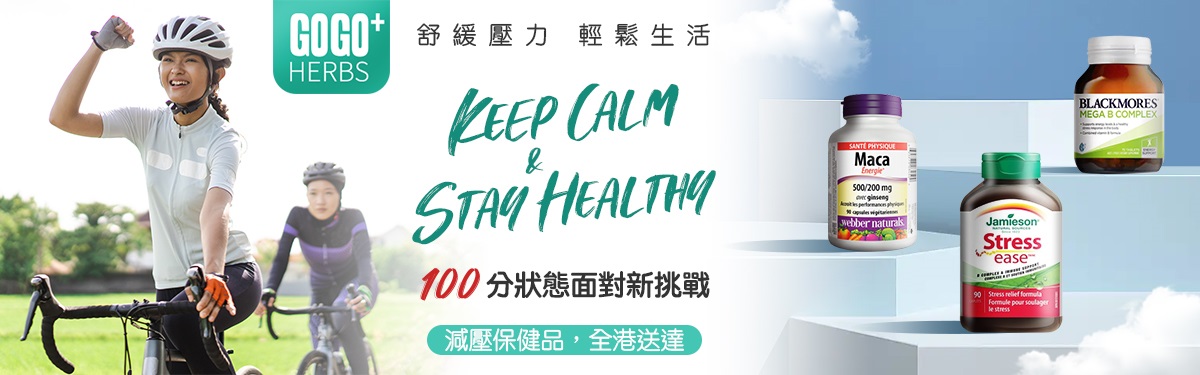
Selection principles: Carefully check the ingredients and dosage per serving; choose reputable brands that provide third-party testing information; and be aware of any interactions with medications you are currently taking (especially sedatives, hypnotics, and antidepressants). The above guidelines are for daily nutritional and health maintenance and cannot replace prescribed medications or psychotherapy.
V. When should you seek professional help?
NIMH RecommendationsYou should consider seeking professional help when the following situations occur: stress or anxiety symptoms are interfering with your daily life, you start avoiding certain things, or you feel that the symptoms are persistent. Psychotherapy (talk therapy) and medication are two major ways to deal with anxiety, and many people benefit from combining the two.
- Social Welfare Department hotline:2343 2255
- Hong Kong Samaritans Suicide Prevention Association 24-hour hotline:2389 2222
- Samaritan's 24-hour hotline (multilingual):2896 0000
- Lifeline:2382 0000
- Hospital Authority Mental Health Hotline:2466 7350
- Caritas Sunshine Hotline:18288
You can also seek help from family doctors, social workers, or clinical psychologists, who can assess your situation and refer you to appropriate services.
VI. Frequently Asked Questions (FAQ)
Is stress always harmful?
Not necessarily. Short-term, moderate stress can enhance alertness and performance; it's a natural bodily response mechanism. Only when stress is prolonged, recurring, difficult to control, or exceeds one's tolerance is it more likely to affect health. In such cases, it's advisable to address the issue promptly and consider seeking help.
What's the difference between stress and anxiety?
Stress is generally a reaction to external causes (such as workload or illness) and subsides once the issue is resolved; anxiety, on the other hand, is mostly an internal reaction and persists even without an immediate threat. If anxiety is persistent and interferes with your life, you should seek professional evaluation.
Can taking health supplements cure stress or insomnia?
No. Supplements are for daily nutritional supplementation and cannot diagnose, treat, or prevent any disease, nor can they replace a doctor's diagnosis and treatment. If you experience chronic insomnia or emotional distress, you should consult a doctor first. Some supplements (such as melatonin) may interact with medications; consult a professional before use.
Does exercise really reduce stress?
Exercise may not eliminate stress, but it can reduce emotional tension, help clear your mind, and allow you to handle problems more calmly. The CDC recommends starting with small amounts and gradually increasing to about 2.5 hours per week.
How much sleep is enough?
The CDC recommends that adults sleep at least 7 hours a night and try to maintain a regular sleep schedule. Insufficient sleep can affect mood and concentration, and in the long term, it is associated with a variety of chronic health problems.
What nutrients should vegans or vegetarians pay special attention to?
Pay special attention to vitamin B12. Since the natural sources of B12 are mostly animal foods, it is difficult for vegans and vegetarians to get enough from their diet. They may consider fortified foods or supplements (the recommended daily intake for adults is about 2.4 micrograms), and can consult a doctor or registered dietitian.
- NIMH — I'm So Stressed Out! Fact Sheet (The difference between stress and anxiety, coping strategies, and when to seek help)
- NHS — 10 stress busters (Find the causes, exercise, social interaction, avoid alcohol, tobacco, and caffeine)
- CDC — Managing Stress (Long-term stress effects, health coping strategies, sleep and activity recommendations)
- WHO — Doing What Matters in Times of Stress (Empirical Self-Help Guide to Stress Reduction)
- NIH ODS — Vitamin B12 (Nerve and Blood Cells, Recommended Intake for Vegetarians)
- NCCIH — Melatonin: What You Need To Know (Evidence on Jet Lag, Recommendations for Chronic Insomnia, Safety)
- CDC — About Sleep (Adult Sleep Hours and Chronic Health Risks)
This article is a compilation of health and nutrition information for general reference only and does not constitute medical advice, diagnosis, or treatment. Those experiencing stress, anxiety, depression, or other emotional distress, as well as those suffering from chronic insomnia, chronic illnesses, or currently taking sedatives, hypnotics, or antidepressants, should consult a doctor, clinical psychologist, pharmacist, or registered dietitian before making any dietary or supplement adjustments. Dietary supplements cannot diagnose, treat, cure, or prevent any disease, nor should they replace prescribed medications or psychotherapy. If you experience persistent emotional distress or have thoughts of harming yourself or others, please seek professional help immediately. In emergencies, call 999 or go to the emergency room.
Related Products:
-
Sale!
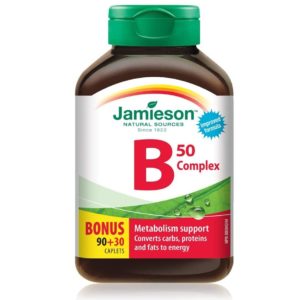
[Two or more bottles of $88] Jamieson – Natural Vitamin B Complex 50 120 capsules
Original price was: $168.00.$98.00Current price is: $98.00. Add to basket -
-
Sale!
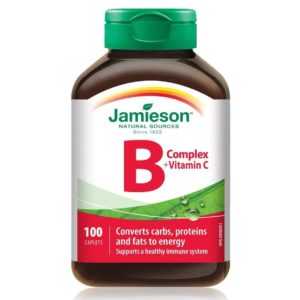
[Clearance Price for Short-Term Stock] Jamieson – Vitamin B Complex & Vitamin C 100 Capsules
Original price was: $140.00.$98.00Current price is: $98.00. Add to basket -
Sale!
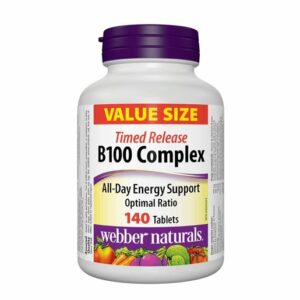
Webber Naturals – Natural Vitamin B100 Long Lasting Formula 140 tablets
Original price was: $198.00.$148.00Current price is: $148.00. Add to basket
Related Post:
![香港成年人在家閱讀與休息,從日常習慣開始理解腦部健康]()
Hong Kong Brain Health Insight Report 2024–2025: Differentiating Fish Oil, Memory Formulas, and Vitamin B12 from 87 Products
![香港上班族在窗邊暫停看屏幕,讓雙眼休息並重新整理眼晴健康選擇]()
Eye Health Insight Report 2024-2025: Beyond Lutein – Fish Oil Accounted for 76.41% of Store Revenue Among 98 Products (TP4T)
![香港家庭查看空氣質素並整理呼吸健康資料]()
Hong Kong Respiratory Health Product Insight Report 2024–2025: Cough, Nasal Allergies, and Sore Throat Are Not the Same Thing
![香港家庭以飲食、活動及標籤閱讀規劃日常免疫健康]()
Hong Kong Immune System Health Product Insight Report 2024–2025: How to Choose Immune Health Products