
















































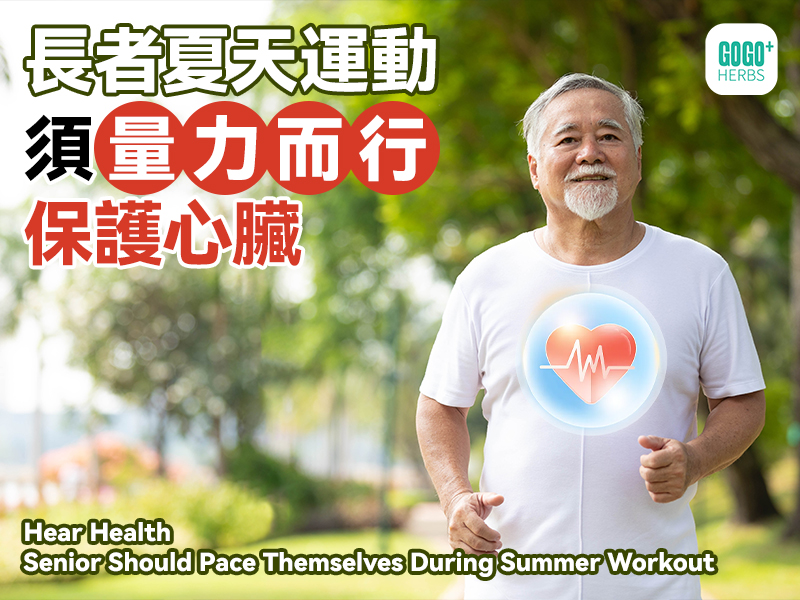
Elderly people should exercise within their limits in summer to protect their heart.
In the sweltering summer heat, extra caution is needed when exercising outdoors, as high temperatures can lead to significant water loss and, if one is physically exhausted, can trigger various illnesses. Specialist doctors point out that elderly individuals with heart conditions must carefully monitor their physical condition and exercise within their limits during the summer to avoid triggering heart attacks.
Heart disease can be broadly classified into congenital and acquired types. Among these, coronary artery disease (CAD) is one that can lead to death. Cardiologist Dr. Hung Yu-te stated that there are many risk factors for CAD, including high blood pressure,High blood lipidsRisk factors include smoking, diabetes, obesity, lack of physical activity, and chronic stress, although many of these can be improved through self-control or regulation. Furthermore, an individual's risk increases if there is a family history of heart disease.
He further explained that the most obvious symptom of coronary heart disease is angina, which may radiate to the arms, shoulders, neck, and jaw, and is relieved by rest. However, some patients may have no obvious symptoms, and once an attack occurs, they face immediate life-threatening risks due to acute cardiovascular embolism. Furthermore, during a heart attack, the severity and duration of angina will increase, and other complications may also occur.Heart rhythm disorderOther symptoms include dizziness, sweating, nausea, and weakness in the limbs; patients with heart failure may experience shortness of breath and swelling in the feet.
The doctor also mentioned that as people age, their metabolism gradually slows down. In hot summer weather, the body sweats profusely to dissipate heat, easily leading to dehydration and making it difficult to maintain a normal body temperature. Therefore, it is essential to replenish sufficient water in a timely manner to reduce the risk of heart attacks. He advised the elderly to follow the principle of "avoiding exercise during periods of strong sunlight in summer and choosing sunny times in winter." During exercise, they should pay attention to their own comfort level, noting any rapid heartbeat, shortness of breath, or excessive fatigue, and closely monitor for signs of heatstroke to reduce the risk of heart attacks. He also recommended that heart disease patients visit a doctor every three months and focus on a balanced diet, adhering to a habit of eating more vegetables, less meat, and a low-sugar diet.





Author. gogoherbs
Related Products:
-
Sale!
 Out of stock
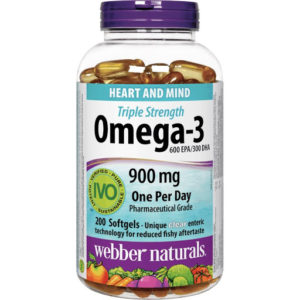
Webber Naturals – Triple Strength Omega-3 (900mg EPA / DHA) 200 capsules Value Pack
Original price was: $398.00.$280.00Current price is: $280.00. Add to basket -
Sale!

Kirkland Signature – Omega-3 Concentrated Deep Sea Fish Oil Pills 1300mg 330 Capsules
Original price was: $350.00.$298.00Current price is: $298.00. Add to basket -
Sale!
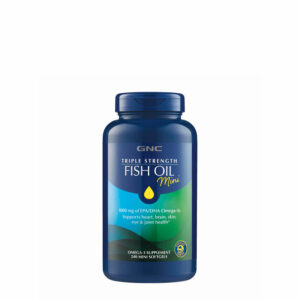
GNC – Triple Super Fish Oil Mini Capsules 240 Capsules
Original price was: $298.00.$245.00Current price is: $245.00. Add to basket -
Sale!

Swisse – Ultiboost Odorless High Concentration Wild Fish Oil 1500mg 400 Capsules
Original price was: $298.00.$220.00Current price is: $220.00. Add to basket