













































Halloween Pumpkins Are Better This Way
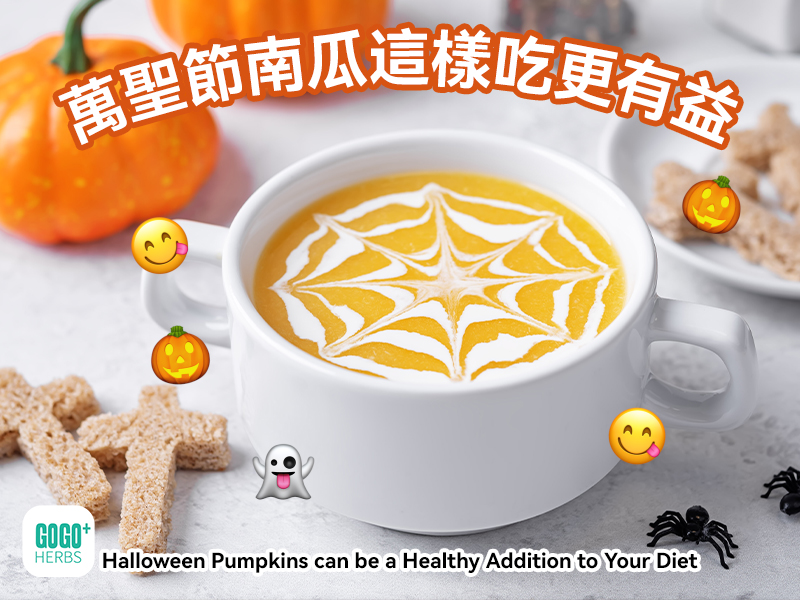
Halloween, celebrated on 31 October every year, has always been popular with children and adults for its fun trick-or-treating rituals, and this Western-originated holiday has gained popularity in Taiwan in recent years. On this day, people can be seen on the streets dressed as various characters, decorated with pumpkin decorations, and restaurants offer a variety of pumpkin dishes. In order to help people eat healthy and safe while celebrating the festival, dietitian Tsai Wan-rui from Taipei Tzu-Chi Hospital shared information on the nutritional value of pumpkin, dietary hygiene, and easy-to-make pumpkin recipes.
According to the Taiwan Nutritional Composition Database, pumpkin has only 49 calories per 100 grams, which is not only low in calories, but also rich in dietary fibre, vitamin A, beta-carotene and high in potassium. Cai Wanrui explained thatVitamin A Helps the eyes perceive light in the dark, if the body lacks this nutrient, it may lead to night vision loss; for those who often use 3C products or have poor night vision, pumpkin can be said to be a high-quality ingredient for eye protection. In addition, pumpkin isβ-caroteneAs an excellent antioxidant nutrient withCardiovascular protectionIt has been shown to be effective in maintaining eyesight and combating free radicals, and can bring many benefits to the body when consumed in moderation.
Pumpkin is known as a "superfood" because of its rich nutritional value, from the pulp to the seeds are nutritious, and has been listed by the American Institute for Cancer Research as one of the 15 cancer-preventive foods. It is worth mentioning that studies have shown that pumpkin seeds have a bactericidal effect on the male urinary system and may have a supplementary effect on benign prostatic hyperplasia. In this regard, Cai Wanrui suggests grinding 10 grams (about 2 teaspoons) of pumpkin seeds into powder, adding a small amount of sugar, and taking it with boiled water, milk, or tea, and insisting on it daily can bring its nutritional benefits into full play.
However, many people tend to misclassify pumpkin as a "vegetable". Cai Wanrui clarified that pumpkin actually belongs to the "starch type" of ingredients and has a high potassium content, so diabetic patients and patients with kidney disease need to pay extra attention when consuming pumpkin, so as to avoid excessive intake of pumpkin and increase the burden on the body. She further explained that if diabetic patients consume about 200 grams (about 1 bowl) of pumpkin in a meal, they should reduce the staple food of that meal (e.g. rice) by about 1/3 of a bowl (about 75 grams), and replace part of the staple food with pumpkin in order to effectively control their blood glucose after meals.
For patients with high blood potassium, such as those with chronic kidney disease or dialysis, they should avoid pumpkin or reduce the intake significantly, and the recommended daily intake should be limited to 50 to 100 grams. Meanwhile, it is also necessary to reduce the intake of other high potassium foods during the consumption of pumpkin in order to prevent the occurrence of hyperkalemia symptoms and to ensure good health.
There are three common varieties of pumpkin on the market, and Tsai Wan-rui gives suggestions on how to prepare them according to the characteristics of different varieties. Eastern pumpkin has an elongated appearance, similar to papaya, and is a common variety on the Taiwanese market, suitable for making pumpkin porridge, pumpkin soup, or pumpkin rice noodles; Western pumpkin is mostly round and orange in colour, and is suitable for simmering pumpkin soup or making pumpkin pies; Chestnut pumpkin, on the other hand, is a Japanese variety, with a delicate and dense texture, which is best suited for braising or stewing, to bring out the full flavour of the pumpkin.
In order to make pumpkin cooking easy for the public, Wan-Rae Tsai also shared two easy recipes, which are suitable for both daily and festive dishes.
The first dish is "Steamed Pumpkin with Shredded Ginger", which requires 200g of pumpkin (cleaned, seeded and sliced), a little ginger (cleaned and shredded) and a pinch of salt. To prepare the dish, place the sliced pumpkin on a plate, top with shredded ginger and steam for 20 minutes until cooked through. This dish can be used as a side dish or a breakfast staple, which is nutritious and convenient.
The second dish is "Pumpkin and Tofu Casserole". Ingredients include 1 bowl of pumpkin puree, 1 box of egg tofu, 4 to 5 dried mushrooms, a little bit of nine-layer pagoda, suitable amount of colourful beans and 1 tsp of grated ginger; seasonings include 1 tbsp of vegetarian oyster sauce, a little bit of pepper, a little bit of cornstarch and suitable amount of boiled water. Firstly, wash and soak the mushrooms, then cut them into julienne strips, cut the egg tofu into small pieces, fry them over low heat until the surface is coloured and then salvage them for use; then stir fry the shredded mushrooms with the minced ginger, add the mushroom strips and bring the mushroom soaking water to a boil; then add the pumpkin puree and fried egg tofu and cook over medium-low heat; then add the tri-coloured beans, season with veggie oyster sauce and pepper, and thicken the mixture with cornstarch water; then mix well. When the ingredients are well mixed, sprinkle with nine layers of pagoda and turn off the heat to start the pot, a fragrant pumpkin and tofu casserole will be completed.



Author. gogoherbs
Related Products:
-
Sale!
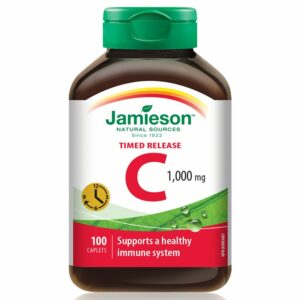
Jamieson – Long Lasting Vitamin C 1000mg 100 Tablets
Original price was: $138.00.$118.00Current price is: $118.00. Add to basket -
Sale!
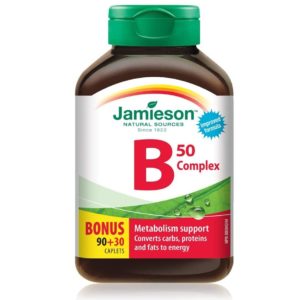
Jamieson – Natural Vitamins B complex 50 120 capsules
Original price was: $168.00.$108.00Current price is: $108.00. Add to basket -
Sale!
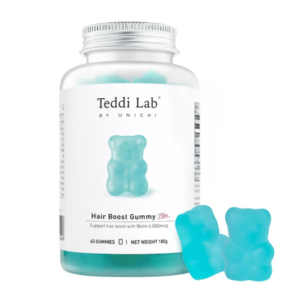
Unichi – Teddi Lab® Gummy Bears Gummy Bears for Hair Growth Upgraded Sea Salt and Green Titanium Flavour 60 Capsules
Original price was: $170.00.$125.00Current price is: $125.00. Add to basket