


















































Fruit Calorie Rankings: Avoid These Fruits That Make You Fat
Fruit is an indispensable healthy food in our daily diet, but different types of fruit vary greatly in calories. Understanding these differences can help you choose the right fruit for your individual needs (such as weight loss, etc.).Control of blood sugar(etc.) make a more appropriate choice.
Fruit Calorie Classification
High-calorie fruits (over 100 calories per 100 grams)These include coconuts, avocados, durians, fresh dates, bananas, jackfruit, and hawthorns. These fruits even have more calories than rice (116 kcal/100g) and two eggs (approximately 158 kcal), with avocados, durians, and coconuts being particularly high in calories.
Medium-calorie fruits (50-100 calories per 100 grams)Fruits such as rambutan, pear, persimmon, pomegranate, mangosteen, lychee, longan, mulberry, yellow peach, dragon fruit, and apple are moderately caloric and suitable for most people to consume in moderation.
Low-calorie fruits (less than 50 calories per 100 grams)Examples include oranges, cherries, peaches, grapes, tangerines, pineapples, pomelos, loquats, plums, lemons, mangoes, cantaloupes, strawberries, and watermelons. These fruits are low in calories and suitable for people who want to control their calorie intake.
It is worth noting that the calorie content of fruit mainly depends on its sugar content and...Fat contentIt's not simply about sweetness. For example, while watermelon, strawberries, and papayas are sweet, their sugar content typically doesn't exceed 101 TP4T, and they have less than 38 calories per 100 grams; conversely, dragon fruit and hawthorn, although not sweet and even somewhat sour, have a higher sugar content.Total caloriesIt's not low either.
Selection suggestions for different needs
- People who want to lose weightPrioritize low-calorie fruits, such as mangoes and oranges, which have fewer calories than avocados and bananas.
- People with high blood sugarChoose low-calorie fruits that have a smaller impact on blood sugar, such as grapefruit, oranges, strawberries, and cherries.
Seven principles for healthy fruit consumption
- Moderate daily intakeWhile fruits are rich in vitamins and minerals, and low in sodium and high in potassium, their sugar content should not be ignored. It is recommended to eat 1-2 servings per day (such as an apple or pear) to avoid excessive sugar intake.
- Best time to eatEating fruit before meals can help reduce the amount of food consumed at main meals, but those with weak digestive systems should avoid eating high-protein fruits (such as mangoes, papayas, and pineapples) on an empty stomach. Eating fruit immediately after meals may increase the burden on the digestive system; it is recommended to wait one hour after meals before consuming fruit.
- Eating fruit directly is better than drinking juice.Juicing processes can cause the loss of dietary fiber and other nutrients. Unless you have dental problems, it is recommended to eat fruit directly. One serving of fruit (about 80-100 grams) is equivalent to 100 ml of pure fruit juice (without added sugar).
- Diverse dietDifferent colors and varieties of fruits have different nutritional values, so it is recommended to eat them in combination and avoid eating only one or two kinds for a long time.
- Fruits cannot replace vegetables.Most fruits contain less vitamins, minerals (such as calcium and iron), and carotene than vegetables, with only a few exceptions such as dates, citrus fruits, and strawberries.
- Fruit cannot replace regular meals.Although fruits provide sugar, vitamins, andDietary fiberHowever, it lacks protein, fat, and fat-soluble vitamins, and cannot meet nutritional needs as a single meal.
- Fruit is not a panacea for weight loss.Many fruits are high in calories and nutritionally unbalanced. Relying solely on fruits for weight loss may lead to decreased physical strength, poor complexion, and even affect health.
In summary, fruits are nutritious and healthy foods, but it is necessary to choose the right type according to individual needs and physical condition, and pay attention to the way and amount of consumption in order to truly obtain their benefits.





Author. gogoherbs
Related Products:
-
Sale!
 Out of stock
Webber Naturals – Triple Strength Omega-3 (900mg EPA / DHA) 200 capsules Value Pack
Original price was: $398.00.$280.00Current price is: $280.00. Add to basket -
Sale!

Kirkland Signature – Omega-3 Concentrated Deep Sea Fish Oil Pills 1300mg 330 Capsules
Original price was: $350.00.$298.00Current price is: $298.00. Add to basket -
Sale!
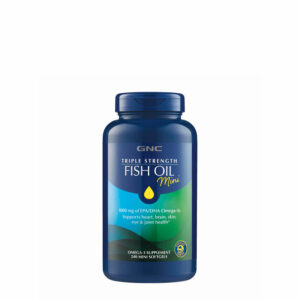
GNC – Triple Super Fish Oil Mini Capsules 240 Capsules
Original price was: $298.00.$245.00Current price is: $245.00. Add to basket -
Sale!

Swisse – Ultiboost Odorless High Concentration Wild Fish Oil 1500mg 400 Capsules
Original price was: $298.00.$220.00Current price is: $220.00. Add to basket