














































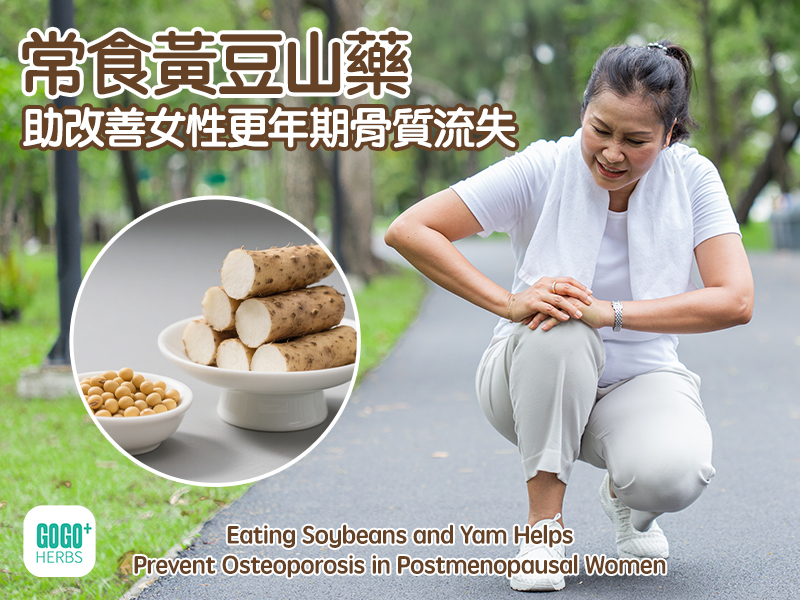
Regular consumption of soybeans and yams can help improve bone loss during menopause in women.
Human bone mass begins to gradually decline from the age of 35, and without proper care, osteoporosis may develop prematurely. Besides common calcium deficiency, endocrine status also significantly impacts bone health—for example, hyperthyroidism or hyperparathyroidism can interfere with bone formation; for women, premature menopause is a potential risk factor for osteoporosis, as estrogen, which normally helps bone growth, can contribute to bone health.Increase bone densityAfter menopause, the decline in estrogen levels may exacerbate [the condition].Bone loss。
In response, Wang Ying-ti, a senior nutritionist at Cathay Health Management Center, pointed out that a long-term unbalanced diet, such as frequent consumption of processed foods, soft drinks, excessive caffeine and alcohol intake, or a diet high in fat and protein, can increase the probability of developing osteoporosis. Meanwhile, as women age, their hormone secretion gradually decreases. Therefore, it is recommended to prepare for menopause by adjusting diet, engaging in regular exercise, and optimizing lifestyle habits, thus building a strong defense for bone health.
A Scientific Diet: A Key Step in Protecting Bone Health
Maintaining bone health requires a balanced diet. Firstly, it's crucial to control caffeine intake when choosing beverages. While bubble tea and coffee have become commonplace for many, excessive caffeine consumption can accelerate bone loss. The Cathay Health Checkup team recommends prioritizing low-caffeine drinks. This not only promotes digestive health but also reduces the risk of osteoporosis, arthritis, and other bone diseases. For example, Amaranth tea, chamomile tea, and various herbal teas are good alternatives.
Secondly, maintaining a balanced diet and a healthy physique is crucial. Wang Yingdi emphasized that balanced nutrition is fundamental to maintaining health. Whether eating out or cooking at home, the "three less and one more" principle should be followed: less fried food, less salt, less sugar, and more fiber. This not only benefits physique management but also...Bone HealthIt provides basic protection to prevent the body's metabolism and bone health from being too fat or too thin.
As women age, their estrogen levels decline year by year. Appropriate supplementation with phytoestrogens can help alleviate menopausal discomfort and indirectly protect bones. Wang Yingdi suggests consuming more foods rich in phytoestrogens. These foods can be used in cooking or made into nutritional drinks. Common examples include soybeans and their products (such as traditional tofu, small square dried tofu, and soy milk), as well as yams and burdock.
Key Nutrients: The Core Strength for Bone Health
To effectively improve bone density, adequate calcium intake is essential—calcium is not only a major component of bones but also helps stabilize nerves and relieve anxiety. However, Wang Yingdi specifically reminds us that protecting bone density cannot rely solely on calcium; it also requires other key nutrients: magnesium from high-magnesium foods not only stabilizes nerves but is also an important component of bone tissue; while vitamin D helps regulate the body's calcium-phosphorus balance, playing a crucial role in preventing osteoporosis.
Specifically, high-calcium foods should prioritize milk, dried small fish, and dark green vegetables such as kale, amaranth, and sweet potato leaves; high-magnesium foods include whole grains, legumes, nuts, milk, and green vegetables such as sweet potato leaves and water spinach; as for foods rich in vitamin D, deep-sea fish, dairy products, and sun-exposed mushrooms are ideal choices.



Author. gogoherbs
Related Products:
-
Sale!

Jamieson – Calcium Concentrate 650mg + Vitamin D3 400IU 120 capsules
Original price was: $108.00.$88.00Current price: $ 88.00. Add to basket -
Sale!
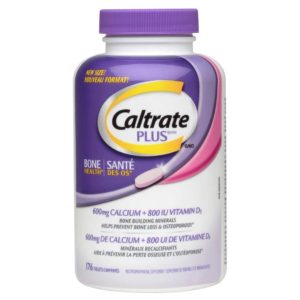
caltrate – Calcium 600mg + Vitamin D3 800IU & Minerals (Value Pack) 176 capsules
Original price was: $198.00.$180.00Current price is: $180.00. Add to basket -
Sale!
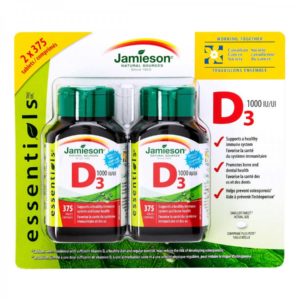
Jamieson – Vitamin D3 1000IU 375 Capsules 2-pack
Original price was: $180.00.$148.00Current price is: $148.00. Add to basket