






































































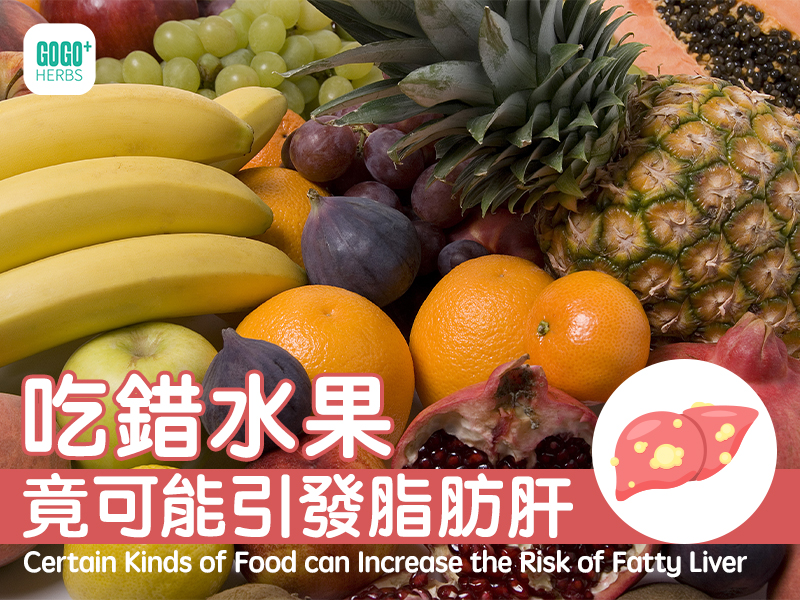
Fatty liver from fruit
Concerns surrounding this image have been compiled into a set of arguments that have been widely circulated on the Chinese internet in recent years: Fruits are tools used by plants to reproduce, and modern fruits are sweets "created" by technology; all fructose is metabolized by the liver, which will lead to fatty liver; even fruits that are not sweet, such as guava, lemon, and grapefruit, are the same; not eating fruit will not result in a lack of vitamins, as meat also contains vitamin C.
This argument isn't entirely wrong. Two or three sentences hold water, while others mix together evidence from different levels. Below, we'll examine each sentence, presenting the conclusion first, followed by the supporting evidence.
First, let's state the conclusion: Which of the six statements are true?
| The popular saying | Verification results | Where is the key? |
|---|---|---|
| Fruits are the organs of plants that attract animals to disperse seeds; they do not exist for humans. | Established | The sweetness and color of fruit are dispersal strategies, a point on which there is no biological dispute. |
| Modern fruits, through breeding and improvement, have a higher sugar content than their wild ancestors. | It is roughly established | However, the claim that it's "as sweet as candy" is an exaggeration. |
| Fructose is entirely metabolized by the liver; none of the body's cells use it. | Not valid | The small intestine is the first line of defense; at low doses, it removes most of the fructose. |
| Eating just one apple exceeds the daily sugar limit of 25 grams. | Confusing two sets of standards | 25 grams is the upper limit for "free sugars," excluding the sugars from whole fruits. |
| The same applies to fruits that are not sweet, such as guava, lemon, and grapefruit. | Number not supported | Guava has less sugar than apples, but dozens of times more vitamin C. |
| Meat is rich in vitamin C, so you won't be deficient in it even if you don't eat fruit. | 錯 | The database lists the vitamin C content of pork and beef as 0 mg. |
In other words, this argument derives the correct premises that "fruit is not a necessity" and "excessive fructose is harmful" into "therefore, fruit should be eaten as little as possible," without any supporting data for those steps.
Second, the statement that fruits are produced for the propagation of plants is correct.
Let's clarify the correct parts first. Fruits are the fruits of plants, and their evolutionary purpose was indeed to attract animals to eat them and to allow the seeds to be transported elsewhere by the animals. Sweetness, color, and aroma are all signals, not designed for human nutritional needs.
This leads to another common inference: early agriculture was primarily about feeding the population, with fruit being a byproduct, and due to rudimentary preservation techniques, it only had seasonal value. This generally holds true in agricultural history.
However, "not created for humans" does not equate to "having no value to humans." Humans evolved the ability to identify ripe fruit and domesticated wild fruits into today's crops; these two things happened simultaneously. Treating evolutionary purpose as a nutritional evaluation confuses "why it exists" with "what happens when you eat it."
3. "Sweets made with technology": The breeding is real, but the candy analogy is an exaggeration.
Since World War II, breeding, grafting, pest and disease control, and cold chain transportation have indeed significantly improved the yield, appearance, and sweetness of fruit. This cannot be denied—the apples we eat today are not the same as the wild varieties of a hundred years ago.
The problem lies in the analogy of "sweetness comparable to farm-produced candy." The actual figures are as follows:
| Food (per 100 grams) | 糖 | illustrate |
|---|---|---|
| Apple (with peel) | Approximately 10.4 grams | A medium-sized apple weighs approximately 180 grams and contains about 19 grams of sugar. |
| blueberry | Approximately 10 grams | Similar to an apple at the same weight |
| raspberry | Approximately 4.4 grams | Berries are generally low |
| Hard candy | Approximately 60 grams or more | Almost all of its weight is sugar |
100 grams of hard candy contains more than six times the sugar of an apple. To say that the two are in the same weight class would lead people to underestimate the sugar and overestimate the fruit.
The statement "An apple may contain more than 25 grams of sugar per day" contains a conceptual mismatch. 25 grams is the World Health Organization's recommended upper limit for "free sugars"; while the sugar in whole, fresh fruit is endogenous sugar.The WHO has made it clear that this recommendation does not apply to sugars in whole fruits and vegetables.A medium-sized apple contains about 19 grams of sugar, but that won't be counted in the 25 grams.
Here we need to add a point about balance:Not including free sugars does not mean you can eat them in unlimited quantities.Fruit still contains calories, and excessive consumption can increase weight gain. The reasoning is crucial—it's about total calories and dietary structure, not "it's a free sugar."
Fourth, fructose is not "entirely metabolized by the liver".
This is the sentence in the whole statement that most needs correction. It says that "all cells in the human body cannot directly use fructose and must be metabolized by the liver," which sounds like fructose goes straight to the liver as soon as it enters the mouth, but that is not the case.
A 2018 study published in *Cell Metabolism* (Jang et al.) used isotope tracing to observe the fate of fructose and found...The small intestine is where most dietary fructose is eliminated.At lower doses, about 90% of the fructose is metabolized in the small intestine into glucose, lactic acid, and organic acids, with only a small amount entering the portal vein as fructose. The small intestine's role here is to shield the liver from the first wave of infection.
The key is dosage. When the intake reaches about 1 gram per kilogram of body weight, the small intestine's processing capacity is exceeded, and only then does a large amount of unmetabolized fructose reach the liver and colon. Converted to a 60-kilogram adult, that's about 60 grams of fructose—equivalent to the fructose content of eating a dozen medium-sized apples at once, far exceeding the level of fruit consumed daily.
It's important to clarify that this is a mouse study, and whether it's entirely the same in humans remains to be verified; it shouldn't be taken as a direct conclusion for humans. However, it's enough to refute the absolute statement that "it's all metabolized by the liver"—at least in the small intestine, fructose doesn't pass through untouched.
How fructose functions between the small intestine and liver, and whether there's a difference between taking it on an empty stomach and after a meal, is discussed in more detail in another article: <Sugar and fructose metabolism in fruits〉。
5. Are guava, lemon, and grapefruit "the same"? Let's look at the numbers.
This argument also includes the statement: "Even fruits that don't taste very sweet, like guava, lemon, and grapefruit, have this problem." This statement conflates two things: not tasting sweet is not the same as having low sugar content; and having low sugar content is not the same as having a "problem."
| Fruit (per 100 grams, raw) | 糖 | Vitamin C |
|---|---|---|
| Guava | Approximately 8.9 grams | Approximately 228 mg |
| lemon | Approximately 2.5 grams | Approximately 53 mg |
| grapefruit | Approximately 6.9 grams | Approximately 31 mg |
| apple | Approximately 10.4 grams | Approximately 4.6 mg |
The numbers point in the opposite direction: guava has less sugar than apples, but dozens of times more vitamin C; lemons have only a quarter the sugar of apples. Listing these three fruits as "high in sugar" is based on taste, not on their nutritional composition.
The real concern is something else entirely: when fruit is juiced, pureed, or dried, the fiber is destroyed or concentrated, altering the rate of sugar release and the amount ingested. The same orange, eaten whole versus juiced, is no longer considered nutritionally equivalent.
6. Will I be deficient in Vitamin C if I don't eat fruit? Does meat really contain it?
Another statement is, "As long as you consume enough vegetables, you can get enough vitamins, phytochemicals and minerals even if you don't eat any fruit at all." It is followed by a sentence, "Pork, beef and other meats are also rich in vitamins, including vitamin C."
The second half of the sentence can be directly looked up. According to the USDA database, the vitamin C content of roasted pork tenderloin and cooked ground beef is... 0 mgThere is no dispute that meat is not a source of vitamin C.
The first part needs to be considered in two parts. Vegetables do provide vitamin C, folic acid, potassium, and fiber, and if you eat enough, you won't experience deficiencies in the short term due to not eating fruit. However, "not being deficient" and "not needing" are two different things:
- Fruits are an important source of vitamin C, potassium, polyphenols and some folic acid, and most people can eat them without cooking, so their actual intake rate is more stable than that of vegetables.
- Fruits are far fewer in variety than vegetables, but they are easy to eat—just wash them and you can eat them. This is why they are difficult to completely replace in a diet.
- Dietary guidelines from various regions do not list fruit as "optional." The Hong Kong Department of Health recommends at least two servings of fruit and three servings of vegetables daily.Daily Two Plus ThreeThe UK's NHS 5 A Day also calculates fruits and vegetables separately.
Therefore, the statement "you won't be deficient in Vitamin C even if you don't eat fruit" is technically true, but at the cost of a narrower diet and fewer readily available sources of fiber and potassium. Writing it as "fruit is never a necessity" is turning "not the only source" into "not needed."
VII. Fatty liver, high blood pressure, gout: Mechanism is not the same as conclusion.
It's true that fructose is metabolized in the liver to produce fat and uric acid. However, between the existence of this mechanism and the claim that "eating fruit causes these diseases," there are three hurdles: dosage, form, and population.
fatty liverA study (Petta et al.) involving 147 patients with biopsy-diagnosed chronic hepatitis C assessed the intake of industrial fructose and fruit fructose. The results showed that fructose intake was independently associated with the severity of liver fibrosis.Industrial fructoseThere was no correlation between fruit fructose and fructose. It is noteworthy that this group of subjects consumed an average of 11.9 grams of fruit fructose daily, more than the 6.0 grams of industrial fructose—fruit fructose making up two-thirds of their intake—yet it was not associated with liver fibrosis.
blood pressureA meta-analysis of 93 studies, 147 trials, and 5,213 participants showed that fruit and 100% fruit juice were associated with lower blood pressure; the only observed increase in blood pressure was from sugary drinks, which added extra calories to the diet. The researchers interpreted this as the effect likely stemming from the extra calories rather than the fructose itself.
GoutWhile fructose metabolism does produce uric acid, the primary evidence in humans comes from large amounts of sugary drinks and high-fructose corn syrup, rather than whole fruit. For gout patients, the first thing to reduce is sugary drinks and alcohol.
As for the common occurrence of fatty liver in adolescents in outpatient clinics, this phenomenon is real, but the causes are multiple: excessive overall calorie intake, sugary drinks, decreased physical activity, and obesity. Attributing it solely to fruit would cause people to overlook the more significant contributing factors mentioned earlier.
8. Does "wanting to eat more after eating" count as addiction?
This theory also mentions that eating fruit stimulates the nucleus accumbens, bringing a sense of pleasure, and "the desire to eat more after eating is actually a form of addiction." The neural mechanism in the first part is correct: the nucleus accumbens is part of the brain's reward circuit, and food, music, and social interaction can all affect it.
However, "addiction" is a term with diagnostic criteria. Currently, the Diagnostic and Statistical Manual of Mental Disorders (DSM-5) uses this criterion.There is no diagnosis for "food addiction".The academic community is still debating this concept. Most reviews believe that "eating-related loss of control" can be studied, but there is insufficient evidence to equate it with substance use disorder.
Writing "I want to eat delicious food again" as "I'm addicted" makes a normal appetite response sound like a disease. The real signs to watch out for are: knowing there are adverse consequences but still being unable to control it, continuously increasing the dosage, and experiencing significant discomfort after stopping—these require professional evaluation, not a judgment based on a plate of fruit.
9. So how exactly should we eat it?
It's easier to implement if the above checks are consolidated into three points.
1. Follow the official recommendations for portion sizes.The Hong Kong Department of Health recommends a daily intake of two servings of fruit and three servings of vegetables. One serving of fruit is approximately one medium-sized fruit (such as an apple or orange), half a bowl of cut fruit, or three-quarters of a cup of unsweetened pure fruit juice. Most adults actually consume less than this amount daily, rather than more.
2. Eat the whole fruit and drink less juice.Whole fruits provide fiber, a chewy texture, and a feeling of fullness, while releasing sugar more slowly; fruit juice releases sugar more readily, and a glass of orange juice might use two or three oranges, but you don't get the corresponding amount of fiber. The same amount of sugar, two different metabolic scenarios.
Third, for people with metabolic problems, the adjustment is to the quantity and type of food, not to completely abstain from it.During periods of fatty liver, diabetes, gout, or weight management, fruits can be distributed between meals, prioritizing varieties with lower sugar and higher fiber (berries, guava, apples with peel), and the total daily carbohydrate intake should be included. It's best to discuss these adjustments with a doctor or registered dietitian rather than unilaterally eliminating a particular food group.
Let's go back to that evening. When a plate of fruit is completely eaten, the problem usually isn't the fruit itself, but rather whether it was the only snack of the day, whether there were any other foods afterwards, and what the total amount was for the whole day. Looking at these things separately is more helpful than simply labeling the fruit as "sweet."
Frequently Asked Questions
Does eating fruit really cause fatty liver disease?
Current evidence does not support the direct conclusion that "fruit fructose causes fatty liver." A study of patients with chronic hepatitis C found that industrial fructose (from sugary drinks and processed foods) was associated with the severity of liver fibrosis, while fruit fructose was not. The main risk factors for fatty liver are excessive overall calorie intake, obesity, sugary drinks, and insufficient physical activity. If fatty liver has been diagnosed, dietary recommendations should be assessed by a doctor or registered dietitian.
Should the sugar from fruit be included in the daily sugar limit?
The sugars in whole, fresh fruit are endogenous sugars and are not included in the World Health Organization's "free sugars" recommendations (less than 10% of total daily energy intake, about 50 grams; further reduced to 5%, about 25 grams). However, fruit juice, concentrated fruit juice, honey, and added sugars are all considered free sugars. Not being included in the upper limit does not mean you can eat unlimited amounts of fruit; fruit still contains calories.
Can people with diabetes eat fruit?
Yes, the key is the distribution of portion size, type, and timing. It's recommended to spread fruit between meals, prioritizing lower-sugar, higher-fiber varieties, and include them in your daily carbohydrate intake. If your blood sugar control is unstable, you've just adjusted your medication, or you've experienced complications, you should discuss portion sizes with your doctor or registered dietitian first.
In what ways is fruit juice inferior to whole fruit?
Juicing releases sugar from the cell structure, making it a free sugar; it also filters out most of the dietary fiber, significantly reducing the feeling of fullness. A 240 ml glass of pure orange juice uses about two to three oranges, containing nearly 20 grams of sugar but less than 1 gram of fiber. Eat the whole orange if possible.
How much fruit should you eat in a day to be considered an appropriate amount?
The Hong Kong Department of Health recommends at least two servings of fruit daily. One serving is roughly equivalent to one medium-sized fruit, half a bowl of cut fruit, or three-quarters of a cup of unsweetened pure fruit juice. Individuals who need to manage their weight or have metabolic issues can discuss the portion sizes with their healthcare provider.
Is it enough to eat only vegetables and no fruits?
Vitamin C deficiency is unlikely in the short term because vegetables also provide vitamin C, folate, and potassium. However, fruits have the advantage of being easy to obtain and requiring no cooking, and are a stable source of fiber and potassium for most people; completely avoiding them in the long term will narrow dietary diversity. Guidelines from various regions recommend fruits and vegetables separately, rather than substituting one for the other.
Source of information
- World Health Organization. Free sugars versus intrinsic sugars (WHO/NMH/NHD/15.3): Definition of free sugars and exceptions for whole fruits.WHO
- World Health Organization Guideline: Sugars intake for adults and children: Two-tiered recommendations for free sugars.WHO
- Jang C, et al. The Small Intestine Converts Dietary Fructose into Glucose and Organic Acids. Cell Metabolism 2018;27(2):351 – 361: Small intestinal clearance of fructose and dose threshold (mouse study).full text
- Petta S, et al. Industrial, not fruit fructose intake is associated with the severity of liver fibrosis. Journal of Hepatology 2013: 147 patients diagnosed through biopsy.PubMed
- Fructose-containing food sources and blood pressure: a systematic review and meta-analysis of controlled feeding trials: 93 studies, 5,213 participants.full text
- US Department of Agriculture, FoodData Central: Fruit sugar and vitamin C content; pork (FDC 167842) and beef (FDC 172161) contain 0 mg of vitamin C; guava (FDC 173044) contains 228 mg of vitamin C.USDA
- Hong Kong Department of Health's "Living a Healthy New Direction": Common questions about healthy eating, the amount of fruit and vegetables, and the daily ratio of two plus three.Department of Health
- NHS 5 A Day: Recommendation of five servings of fruits and vegetables per day and the conversion to one serving.NHS
- Wiss DA, Avena N, Gold M. Ethical, Stigma, and Policy Implications of Food Addiction: A Scoping Review. Nutrients 2019;11(4):710: Food addiction is not a formal diagnosis in DSM-5.full text
Note: Sugar and vitamin figures in this article are approximate and may vary depending on variety, maturity, origin, and cultivation method. Data are based on the USDA database. Most research results are observational designs or specific population/animal experiments and should not be directly extrapolated to the entire population.
Related Readings
〈Sugar and fructose metabolism in fruits> This addresses the other side of the issue: how to calculate daily serving sizes, whether there's a difference between eating on an empty stomach and after a meal, and whether fruit can replace vegetables or regular meals; <Sugar trap in bubble tea> Use local testing data to illustrate how high the sugar content of a beverage is; <The Nutritional Truth About ABC Fruit and Vegetable Juices> It describes what happens after fruit is juiced; <6 major benefits of a balanced diet>and<Six food groups and a balanced dietThen put the fruit back on the whole plate.
Health Declaration:The content of this article is for health education and nutrition information purposes only and should not replace professional medical diagnosis, treatment, or individual advice. The research results presented are a general introduction to nutritional science and do not constitute personalized dietary advice. If you have chronic diseases such as fatty liver, diabetes, high blood pressure, or gout, or are taking medication, pregnant, or breastfeeding, please consult your doctor or registered dietitian regarding dietary arrangements. No food or supplement can replace a balanced diet and proper medical care.
Related Products:
-
Sale!

GINAX – Ginseng Tea Bag / Ginseng White Tea Rose Tea Bag | 1bag
Original price was: $13.00.$10.00Current price is: $10.00. 選擇規格 This product has multiple variants. The options may be chosen on the product page -
Sale!

GINAX – Manuka Honey UMF™ 5+ 30g
Original price was: $30.00.$25.00Current price is: $25.00. Add to basket -
Sale!

Single 10% off】aXimed – Recovery Speed 100% Whey Protein Powder 30 sachets
Original price was: $558.00.$502.00Current price is: $502.00. Add to basket -
Sale!

Livinglean – Organic Dietary Mineral Powder 8g x 20 sachets
Original price was: $368.00.$298.00Current price is: $298.00. Add to basket
Related Post:
![網購保健品付款前,先核對這 8 件事]()
Before paying for health supplements online, check these 8 things first.
![葡萄糖胺軟骨素MSM點揀?食極都痛先檢查每日劑量]()
Glucosamine chondroitin MSM selection? Eating causes pain; first check the daily dosage.
![gogoherbs-mens-hair-cover]()
How to Choose Hair Care Supplements for Men? A Comparison of 8 Biotin, Saw Palmetto, and Collagen Products
![晨光下的健康早餐时光]()
From hair-nourishing gummies to collagen powder: Comparison of 8 best-selling beauty and health products and their formulas.