



























































After coffee shops switched to oat milk, many people simply changed their milk at home as well. They're both white, can be poured into a cup, and are both called "milk"—they all look like the same thing.
But if you turn the two packages over and compare them item by item, the difference isn't in the color. A 240ml cup of oat milk contains about 1.6 grams of protein; the same amount of low-fat milk contains 8 grams. The difference in calcium is even greater—you would need to drink 33 cups of oat milk without added calcium to equal the calcium content of a cup of low-fat milk.
This isn't to say that oat milk isn't worth drinking. It's lactose-free, low in saturated fat, and has only about 30% of the carbon footprint of cow's milk, making it a practical choice for people with lactose intolerance. The problem lies in the word "replace": oat milk belongs to the whole grain category, while cow's milk belongs to the dairy category; they are not in the same category to begin with.
Once you place it in the right spot, several everyday questions will naturally resolve themselves: Why is it sweet even without added sugar? Why is one cup equivalent to a quarter to a third of a bowl of rice? Why do I feel hungry again two hours after drinking it?
1. Three raw materials, one enzyme
Oat milk ingredient lists are usually very short: water, oats, followed by a string of somewhat unfamiliar names—rapeseed oil, calcium carbonate, dipotassium hydrogen phosphate, salt, and stabilizers. Some don't even contain oil or salt.
The key lies in a step that's either not explicitly stated or written as "enzyme." After oats are ground into a paste, the starch makes the liquid thick and viscous, making it difficult to drink. Manufacturers add alpha-amylase to break down the long-chain starch into shorter fragments, primarily maltose and glucose. This reduces the viscosity, making the texture smoother, and naturally brings out the sweetness—which is why even unsweetened oat milk still lists a few grams of sugar on its nutrition label.
This enzyme also has a side effect: it breaks down starch, which would normally be slowly digested, into smaller molecules that the body can directly absorb. Oatmeal requires chewing, stomach emptying, and gradual breakdown in the small intestine; oat milk completes all of those steps.
Afterward, it's usually filtered to remove the bran and coarse fiber. What's left is a smooth liquid, but in doing so, most of the most valuable part of oats—beta-glucan—is also removed. So, the statement "oat milk is just oats and water" is only half true: it's a designed beverage where starch is partially hydrolyzed, fiber is partially removed, and nutrients are added back later.
Second, "milk" is a name, not a category.
In Hong Kong's Food and Drugs (Composition and Labelling) Regulation, "dairy products" specifically refers to cow's milk, and regulations are set regarding the content of milk fat and milk solids. Oat milk does not contain milk fat, therefore it does not fall under the category of "dairy products" or "dairy beverages" under the regulation. The word "milk" on the packaging is a common product name and does not represent an ingredient.
Nutritionally, they are also categorized differently. Milk belongs to the dairy category, primarily contributing protein and calcium; oat milk is mainly composed of carbohydrates, belonging to the whole grain category, and is more like a bowl of oatmeal than a glass of milk. In the same category, brown rice, sweet potatoes, and buckwheat noodles are interchangeable, but not milk.
This has practical use when purchasing: when comparing two products, look at the number per 100 milliliters, not the name. A product called "milk" may only have 0.6 grams of protein, while a product called "beverage" may have up to 3 grams.
III. One cup to one cup: item by item comparison
The following figures are based on a 240 ml cup. Low-fat milk is used. Oat milk comes in two types: "unfortified" and "calcium-fortified," as this is where the differences between products on the market lie.
| project | Low-fat milk | Oat milk (unfortified) | Oat milk (fortified with calcium) |
|---|---|---|---|
| calorific value | Approximately 100 kcal | Approximately 110 to 130 kcal | Approximately 110 to 130 kcal |
| protein | Approximately 8 grams | Approximately 1.6 grams | Approximately 1.6 to 2.5 grams |
| carbohydrate | Approximately 12 grams | Approximately 16 to 19 grams | Approximately 16 to 19 grams |
| 糖 | Approximately 12 grams (lactose) | Approximately 7 to 11 grams (produced by enzymatic hydrolysis) | Approximately 7 to 11 grams |
| Fat | Approximately 3.6 grams | Approximately 3 to 5 grams | Approximately 3 to 5 grams |
| Saturated fat | Approximately 2.3 grams | Approximately 0.5 grams | Approximately 0.5 grams |
| 鈣 | Approximately 300 mg | Approximately 20 mg | Approximately 240 to 290 mg |
| 碘 | Approximately 48 micrograms | Generally not added | Generally not added |
| Vitamin B12 | Approximately 1 microgram | Whether or not it is strengthened | Whether or not it is strengthened |
Three lines of numbers determined the course of the whole matter: Protein – oat milk can't catch up, nor can fortified calcium; Calcium – with fortification, it can be nearly achieved; Iodine – both oat milk brands are lacking. The remaining lines highlight oat milk's advantages – saturated fat is only about a quarter of that of cow's milk, and it contains no cholesterol or lactose. This is a substantial advantage for those who need to control their saturated fat intake.
IV. Protein: Five cups equal one cup
In 2023, the Consumer Council tested 39 pre-packaged plant-based milk products on the market, including 12 soy milk products, 10 oat milk products, 7 almond milk products, and 5 coconut milk products and 5 rice milk products. The results were quite consistent: per 100 ml, soy milk averaged 3.26 grams of protein, oat milk averaged 0.66 grams, and low-fat milk averaged about 3.37 grams.
According to the Consumer Council, if you replace it with oat milk or almond milk, you would have to drink about five cups to get the same amount of protein as one cup of low-fat milk or soy milk.
Another difference lies in quality. Soy milk protein is a complete protein, containing all nine essential amino acids that the human body cannot synthesize on its own; while the proteins in oats, almonds, rice, and coconut are incomplete proteins, which need to be obtained from other foods. This is not to say that oat protein is "useless," but rather that it cannot meet the protein needs of a meal on its own.
In everyday life, this becomes very concrete. A cup of oatmeal with two slices of toast for breakfast provides about three grams of protein; a cup of milk with an egg provides about fourteen grams. The missing eleven grams needs to be made up for at lunch and dinner—this gap is worth carefully considering for growing children, pregnant women, breastfeeding women, the elderly, and people after exercise.
The method is simple: add an egg, a serving of soy products, or a box of Greek cheese to the meal you're having with oat milk. The drink itself doesn't need to be changed; just add the food that accompanies it.
V. Calcium: How was the calculation of 33 cups made?
In the same test, 23 out of 39 samples did not have added calcium, with calcium content ranging from 2.55 mg to 76.12 mg per 100 ml, far lower than the 125 mg of low-fat milk. Based on the average of these samples, one would need to drink approximately 33 cups of oat milk to obtain the same amount of calcium as one cup of low-fat milk.
Thirty-three cups isn't a number you need to remember; it's a sense of proportion: oats themselves aren't a source of calcium, and a cup of unfortified oat milk is basically blank in terms of calcium content.
On the other hand, there's a significant discrepancy among fortified products. The Consumer Council found that, when calculated per 100 kcal, sixteen plant-based milk products met the definition of "high in calcium"; however, when calculated per 100 ml, only three of the sixteen truly met the standard, with a calcium content of approximately 140 to 156 mg. The reason is simple: oat milk is low in calories, and using "per 100 kcal" as the denominator easily makes it appear to have a high calcium content.
Therefore, when purchasing, only look at one number: calcium per 100 ml. For products labeled "high calcium" or "fortified with calcium," check the nutrition label once; this is more reliable than looking at the front of the packaging.
If you choose the right product, a 240ml cup can provide nearly 300mg of calcium, similar to a cup of milk. This is the path that oat milk can take to match in terms of calcium – not through oats, but through its formula.
VI. To enhance calcium absorption, check the calcium salt content and shake well.
It's commonly said that the calcium carbonate or calcium phosphate added to fortified oat milk is not as easily absorbed by the human body as the natural calcium in cow's milk. This statement needs to be considered from two perspectives.
The first layer is the types of calcium salts.Tricalcium phosphateThe difference does exist: a study involving sixteen healthy men, comparing calcium loads of 300 mg, showed that the calcium absorption rate of fortified soy milk was only 75% that of cow's milk (Heaney 2000). However, when switched to…Calcium carbonateHowever, the conclusions differed—a crossover design study comparing calcium-fortified orange juice and milk showed that the calcium absorption rates were 20.91 TP4T and 23.01 TP4T, respectively, with no statistically significant difference between the two (ten adults).
So it's not that "fortified calcium is necessarily bad," but rather "which type of calcium salt is used." Packaging rarely specifies which type is used; it usually only says "calcium carbonate" or "calcium phosphate," and some only say "calcium."
The second layer is more practical:precipitationPlant-based milk with added calcium is a suspension, and the minerals will slowly settle to the bottom of the packaging. The Consumer Council encountered this problem in its testing—two samples claimed to contain added vitamin D, but the test results showed no detectable levels; thirteen other samples had discrepancies between their calcium, vitamin B2, or vitamin D labeling and the test results, and these cases have been referred to the Centre for Food Safety for follow-up. The Consumer Council believes that the layering and sedimentation characteristics of plant-based milk are one possible reason.
The meaning to the drinker is very direct:Shake well before drinkingIf you don't shake it, you'll drink the thin liquid on top, leaving the calcium at the bottom. This is easier to follow than worrying about which calcium salt to use, and it's also more often overlooked. Additionally, calcium is better absorbed with meals, so don't drink it on an empty stomach; to get enough calcium from oat milk, you'd need to drink two or more cups, and the carbohydrates from those two cups should also be included in the calcium intake.
7. Carbohydrates: How much rice does one cup equal?
A 240ml glass of commercially available oat milk contains approximately 16 to 19 grams of carbohydrates. A bowl of white rice (about 200 grams) contains about 50 grams of carbohydrates. Therefore, a glass of oat milk is roughly equivalent to one-quarter to one-third of a bowl of rice. Homemade oat milk, made with 20 grams of rolled oats, contains about 13 grams of carbohydrates, which is closer to one-quarter of a bowl.
Therefore, the formula "one cup in the morning and one cup in the evening, then you should reduce your rice intake by half a bowl" is correct. When using commercially available products, be aware that some recipes that claim to be rich and smooth and suitable for making coffee can have a carbohydrate content of more than eight grams per 100 milliliters, which is close to half a bowl in one cup.
For diabetics, this calculation is far more important than whether oat milk is healthy. Oat milk should be categorized as a staple food, not as dairy, and it's not a "healthy drink that can be consumed freely." Each cup consumed will be deducted from your daily staple food allowance. Consuming it with protein or fat will slow gastric emptying and flatten your blood sugar curve.
8. How much faster will blood sugar rise after enzymatic hydrolysis?
Oatmeal itself is not a high-glycemic index food. Whole oatmeal has a glycemic index of about 55, and steel-cut oatmeal about 52, both of which are considered low to medium. When made into beverages, the glycemic index will increase, but by how much depends on the product.
A study analyzing seventeen commercial plant-based milks used in vitro methods to predict their glycemic index: cow's milk was 47, oat milk 59, almond milk 64, and rice milk a high of 100. The study specifically noted that the oat milk, although primarily composed of maltose, only reached a moderate glycemic index because the presence of beta-glucan slowed absorption. Other tests placed commercial oat milk between 60 and 70, also considered moderate.
Maltose itself has a glycemic index of 105, higher than pure glucose. Enzymatic hydrolysis releases a large amount of it, which is why oat milk tastes sweet and is faster to consume than oat flakes. However, the difference isn't as dramatic as one might imagine, because fiber and fat are still being broken down.
What truly differentiates us is the act of "drinking." Liquids pass through the stomach quickly, and the feeling of fullness is weaker. The same amount of carbohydrates—a bowl of oatmeal requires chewing and takes up stomach space; a cup of oat milk is finished in just a few sips, making it easy to have another. One cup has a glycemic load of about 10, which is moderate—one cup is fine, the problem usually arises with the third. Using oat milk to make coffee usually involves only a few tens of milliliters, having a minimal impact; drinking it like water is where you need to be mindful.
9. Can I bring the cholesterol-lowering benefits of oats with me?
The evidence for oatmeal's cholesterol-lowering properties is quite robust, but the key ingredient is beta-glucan, and there's a dosage threshold: approximately three grams daily, with at least one gram per serving. This dosage forms the basis for the health claims approved by the EU and the US.
How much beta-glucan is in oat milk? A human study measured the product and found it contained 0.5 grams of beta-glucan per 100 grams. That translates to about 1.2 grams per 240 ml serving, just over the recommended daily intake of one gram. To reach the recommended daily intake of three grams, one would need to drink 600 ml, or two and a half servings.
This was precisely the dosage designed for the study. Sixty-six men with moderately high cholesterol were randomly assigned to either drink 0.75 liters of oat milk daily or a control drink for five weeks, with a five-week washout period in between. The results showed a decrease of approximately 61 TP4T in total cholesterol and LDL cholesterol, while there were no significant changes in HDL cholesterol and triglycerides.
Updated evidence comes from a 2026 pilot randomized controlled trial involving 33 healthy women aged 18 to 40 who consumed 600 ml of oat milk or semi-skimmed milk daily for four weeks. The oat milk group had 0.3 mmol/L lower total cholesterol and 0.4 mmol/L lower LDL cholesterol than the milk group. This small, open-label, and short-term study is indicative of a signal rather than a definitive conclusion, but it aligns with previous research.
Putting both sides together, the conclusion is neutral good news: oat milk can indeed have a slight cholesterol-lowering effect, but at the cost of drinking more than two and a half cups a day, which already provides about 40 grams of carbohydrates, close to a bowl of rice. In comparison, 40 grams of oatmeal only provides about 1.2 to 1.5 grams of beta-glucan, making it much more efficient. Therefore, it's important to distinguish your purpose: if you want to benefit from beta-glucan, eating oats is more direct than drinking oat milk; if you want to drink oat milk, treat it as a beverage, not a health supplement.
10. Three easily overlooked gaps: iodine, B12, and B2
Milk's nutritional value extends beyond protein and calcium. It is also a daily source of iodine, vitamin B12, and riboflavin (vitamin B2), three nutrients typically absent in plant-based milk.
碘This is particularly noteworthy for Hong Kong readers. Data from the Centre for Food Safety shows that a 240ml glass of milk contains a median of about 48 micrograms of iodine, which is about 30% of the daily requirement of 150 micrograms for adults. Oat milk generally does not have added iodine, and oats themselves have a low iodine content.
The situation in Hong Kong is already tight. A 2011 risk assessment by the Centre for Food Safety found that the median daily iodine intake from the diet of adults was only 44 micrograms, with about 93% below the recommended intake. A 2021 survey by the Department of Health also showed that the median urinary iodine levels in pregnant women and breastfeeding women were 134 and 65 micrograms per liter, respectively, both groups being deficient. Their daily requirement is 250 micrograms.
Replacing milk with dairy products means losing one of your stable food sources. It's not that you can't replace it, but you need to supplement it with: seafood such as fish, shrimp, eggs, seaweed, and iodized salt. Pregnant and breastfeeding women especially need to consider this.
Vitamin B12 Oatmeal is naturally found in animal-based foods, but not in oats. Unless explicitly fortified, a cup of oat milk contains close to zero B12.RiboflavinThe situation is similar: in the Consumer Council's tests, riboflavin was not detected in any of the twelve samples, including three oat milk products.
A 2025 Australian simulation study quantified this: if unfortified plant-based milk replaced cow's milk, the proportion of men over 70 with insufficient riboflavin intake increased from 201 TP4T to 311 TP4T; the proportion of women over 14 with insufficient B12 intake increased from 51 TP4T to 81 TP4T to 111 TP4T to 171 TP4T; and the proportion of men with insufficient iodine intake increased from 21 TP4T to 51 TP4T. This is a simulation projection, not actual tracking, but the direction is clear.
These three gaps may not be immediately uncomfortable, but they are long-term and substantial differences. By choosing fortified products and keeping seafood, eggs, and dairy (or other fortified sources) on the menu, the gaps can be filled.
11. Who needs to be especially careful
Infants under one year oldOat milk should not replace breast milk or infant formula. The Consumer Council's position is clear: infants and young children need to obtain the necessary nutrients for growth from breast milk or formula. Even if a child is lactose intolerant, parents should not replace it with plant-based milk on their own. If in doubt, they should consult a doctor or a registered dietitian. The UK's NHS recommends that children over one year old can drink unsweetened, calcium-fortified plant-based milk as part of a balanced diet.
Children and adolescentsIn this regard, a systematic review in 2024 compiled six studies involving more than 15,000 people and observed that children who drank plant-based milk had lower height, body mass index, and serum vitamin D levels. This is an observational association and cannot prove causation, but the complete replacement of cow's milk with plant-based milk during the growth period is worth monitoring by nutritionists.
Pregnant women and breastfeeding womenSpecial attention should be paid to iodine: the required amount is 250 micrograms per day, which is much higher than that of the average adult, but local surveys show that both groups are not getting enough.
People with poor kidney functionBe mindful of phosphorus and potassium. Oatmeal itself is relatively high in phosphorus and potassium, so even a cup should be included in your daily limit. Consult your doctor or registered dietitian before consuming it.celiac disease and gluten sensitivityChoose certified products – oats themselves do not contain gluten, but they are easily cross-contaminated with wheat, barley, and rye during planting, transportation, and processing.
Lactose intolerance and milk protein allergy are two different things.This is often confused. Lactose intolerance is caused by a deficiency of the enzyme that digests lactose, with symptoms including bloating, flatulence, and diarrhea; cow's milk protein allergy is an immune response that can cause rashes, swelling, and even difficulty breathing. Both can be replaced with oat milk, but those with cow's milk protein allergy should ensure that the product does not contain any milk components and is not produced on the same production line. Those with severe allergies should pay particular attention to the labeling.
For people taking levothyroxine, calcium-containing drinks may affect drug absorption. It is generally recommended to take them several hours apart. Consult your doctor or pharmacist for specific advice.
Medical Treatment Boundaries:If you experience persistent bloating, diarrhea, weight loss, or develop rashes, swollen lips, difficulty breathing, or dizziness after drinking the product, seek medical attention immediately. For severe allergic reactions (difficulty breathing, altered consciousness), please call 999 immediately.
12. Environmental Protection: Three Indicators, Don't Just Look at One
Plant-based milk is marketed as environmentally friendly, and this statement is supported by data, but it depends on which metric. The following figures come from a 2018 meta-analysis by Oxford University covering 119 countries, per liter of product.
| per liter | Greenhouse gases (kg CO2 equivalent) | Land use (square meters) | Freshwater (liters) |
|---|---|---|---|
| milk | 3.15 | 8.95 | 628 |
| Oat milk | 0.90 | 0.76 | 48 |
| Soy milk | 0.98 | 0.66 | 28 |
| Almond milk | 0.70 | 0.50 | 371 |
| Rice milk | 1.18 | 0.34 | 270 |
Oat milk has about 30% of the carbon emissions of cow's milk, uses about one-twelfth of the land, and consumes about one-thirteenth of the freshwater. Considering these three factors, it is a well-rounded and stable plant-based milk. Oats are a temperate crop and a common crop in crop rotation, and do not involve deforestation of tropical rainforests—unlike the controversial aspects of soybeans and almonds.
However, the statement that "plant-based milk is definitely more environmentally friendly than cow's milk" is not necessarily true when different metrics are used. Almond milk has the lowest carbon footprint, but its freshwater consumption is more than seven times that of oat milk; rice milk has an even higher carbon footprint than oat milk and also consumes more water. So the real question is: which aspect do you care about most?
There's also the issue of scale: a single cup makes a small difference; 365 cups a year is the real impact. The bulk of a dietary carbon footprint usually comes from meat and dairy products, so replacing a cup of milk has limited effect, while replacing several meals of red meat a week with legumes has a much greater impact. Oat milk is an easy option to start with, but it's not the end goal.
13. What's the difference between homemade and commercially available products?
Making it yourself is very simple: add water to rolled oats, blend, and strain. Blend for a short time, thirty to forty-five seconds is enough—blending for too long will cause excessive starch release, resulting in a sticky, gelatinous texture when heated. Using cold water also helps slow down the enzyme activity.
Whether or not to filter the food creates a nutritional divergence. Without filtering, beta-glucan and fiber remain, resulting in a coarse texture and a tendency to settle, but the nutritional value is close to that of oatmeal. Filtering, on the other hand, produces a smooth texture, but most of the fiber and beta-glucan remain in the residue. If you want to supplement your fiber intake, don't filter it too thoroughly.
Regarding storage, homemade products lack preservatives and commercial sterilization processes, so they must be refrigerated and consumed within 24 hours. Do not consume if left at room temperature for a few hours.
The advantage of commercially available products lies in their stability and fortification: the enzymatic hydrolysis is precisely controlled, preventing excessive separation. They are usually fortified with calcium, vitamin D, and B12, and some contain oil and salt to improve the taste. The trade-off is lower fiber content, fixed sugar content (produced by enzymatic hydrolysis), and significant differences between brands.
In short: If you want to supplement fiber, make your own unfiltered food; if you want to supplement calcium, choose commercially available products with added calcium; if you want both, make your own unfiltered food and get calcium from other foods.
14. Selection and Consumption: Look at three rows and match three items.
Standing in front of the shelf, only look at the three lines of the nutrition label, and always use "per 100 ml" as the benchmark, not "per package"—market sizes range from 190 ml to 1 liter, and relying solely on "per package" will lead to swayed judgments. First line: Protein: If it's less than 1 gram, don't expect it to function as protein. Second line: Calcium: Unfortified calcium is around 20 mg or less, while fortified calcium can reach 100-120 mg. Third line: Sugars and carbohydrates: Less than 5 grams of sugar is considered "low-sugar," and less than 0.5 grams is "sugar-free." Carbohydrates should also be considered, as enzymatically produced sugars and residual starch are included.
It's also worth glancing at the ingredient list. Ideally, it should contain water and oats, followed by calcium and vitamins; if vegetable oil, sugar, spices, and stabilizers are listed early, then it's closer to a dessert.
To fill the gap, include three things: first, protein – eggs, soy products, and Greek cheese; second, fiber – fruits and whole grains; and third, iodine – seafood, shrimp, eggs, and seaweed. With all three on the menu, oat milk can comfortably occupy a place.
A few guidelines for drinking it: Don't drink it like water; one to two cups a day should be included in your main meals; don't drink it on an empty stomach; don't use it to take medicine; children under one year old should not drink it. Otherwise, decide based on your taste and budget—it's a convenient drink, not a necessity or a substitute.
Frequently Asked Questions
Can oat milk completely replace cow's milk?
It is not recommended as a complete substitute. A 240ml cup of oat milk contains about 1.6 grams of protein, while the same amount of low-fat milk contains about 8 grams. It would take about 33 cups of unfortified oat milk to equal the calcium content of one cup of low-fat milk. Oat milk also typically lacks iodine, vitamin B12, and riboflavin. Choosing fortified products and obtaining protein and iodine from other foods can be part of a diet, but it should still be considered a whole grain, not a dairy product.
Why does the nutrition label still show sugar even though no sugar was added?
Because sugar is produced during the production process. After oatmeal is ground, alpha-amylase is added to break down the starch into maltose and glucose, making the liquid smooth and giving it a natural sweetness. These sugars are not considered "added sugars," but they are still counted under "sugar" on nutrition labels and will still affect blood sugar levels. Therefore, "no added sugar" does not mean "low sugar"; you need to look back at the numbers.
Which is better for cholesterol: oat milk or oatmeal?
Oatmeal is highly effective. The key to lowering cholesterol is beta-glucan, with a threshold of about three grams per day. Forty grams of oatmeal provides about 1.2 to 1.5 grams; oat milk contains about 0.5 grams per 100 ml, so to reach three grams, you would need 600 ml, or two and a half cups, which also provides about forty grams of carbohydrates. Both are helpful, but eating is more direct than drinking.
Can people with diabetes drink oat milk?
Yes, but it should be counted as a staple food. A 240ml cup contains approximately 16 to 19 grams of carbohydrates, equivalent to one-quarter to one-third of a bowl of rice. Drinking one cup will deduct from your daily staple food allowance. Choose products with no added sugar and low carbohydrates, and drink it with protein or fat. Do not drink it on an empty stomach or as a substitute for water. For specific portion recommendations and blood sugar control goals, please consult with your doctor or registered dietitian.
Is the calcium in fortified oat milk absorbed worse than that in cow's milk?
It depends on which type of calcium salt is used. Tricalcium phosphate has an absorption rate of about 75% that of milk; the difference is much smaller for calcium carbonate. Studies comparing calcium-fortified drinks and milk showed no statistically significant difference in absorption rates (20.91 TP4T vs. 23.01 TP4T). A more practical issue is sedimentation—minerals tend to accumulate at the bottom of the packaging, so it's essential to shake well before drinking; otherwise, you'll be consuming the thinner liquid on top.
Can people with lactose intolerance drink oat milk? What about those with milk protein allergy?
Both are possible, but the reasons differ. Lactose intolerance is caused by a deficiency of the enzyme that digests lactose. Oat milk does not contain lactose, so it will not cause the associated bloating and diarrhea. Cow's milk protein allergy is an immune response. Oat milk itself does not contain cow's milk protein, but you should pay attention to whether the product contains milk components and whether the production line is shared. People with severe allergies should carefully read the label and consult a doctor if necessary.
Can infants and young children drink oat milk?
Oat milk should not replace breast milk or infant formula for children under one year old. Children over one year old can drink unsweetened, calcium-fortified plant-based milk as part of a balanced diet, but it should not be the only beverage. Protein, calcium, iodine, and vitamin B12 should be obtained from other foods. Alternatives during growth periods should be assessed by a doctor or registered dietitian.
What should you pay attention to when making your own oat milk?
Whisk for a short time, use cold water to avoid gelling; to retain fiber, don't filter too thoroughly; refrigerate after preparation and consume within 24 hours. Homemade milk is not fortified and has extremely low calcium and vitamin B12 content, so it cannot be considered a nutritional substitute for milk. If you experience gastrointestinal discomfort after drinking it, reduce the amount or stop drinking it; if the discomfort persists, seek medical attention.
Source of information
Consumer Council. "Of the five types of plant-based milk, only soy milk contains abundant protein; 125 cups of coconut milk are equivalent to the calcium content of one cup of low-fat milk," *Choice* Monthly, Issue 564, October 2023.consumer.org.hk
Hong Kong Centre for Food Safety. Risk Assessment Study Report No. 77, "Iodine in Food".cfs.gov.hk
Centre for Health Protection, Department of Health. "Iodine Status of Hong Kong's Population," *Non-Communicable Diseases Focus*, August 2023.chp.gov.hk
Food and Environmental Hygiene Department. "Risk Assessment Report on Dietary Iodine Intake by Hong Kong Adults" published on July 13, 2011.fehd.gov.hk
Chapter 132W of the Laws of Hong Kong, the Food and Drugs (Composition and Labelling) Regulation.elegislation.gov.hk
Jeske S, Zannini E, Arendt EK. Evaluation of Physicochemical and Glycaemic Properties of Commercial Plant-Based Milk Substitutes. Plant Foods for Human Nutrition. 2017;72(1):26–33. PMID 27817089
Heaney RP, Dowell MS, Rafferty K, Bierman J. Bioavailability of the calcium in fortified soy imitation milk, with some observations on method. American Journal of Clinical Nutrition. 2000;71(5):1166–1169. PMID 10799379
Önning G, Wallmark A, Persson M, Åkesson B, Elmståhl S, Öste R. Consumption of oat milk for 5 weeks lowers serum cholesterol and LDL cholesterol in free-living men with moderate hypercholesterolemia. Annals of Nutrition and Metabolism. 1999;43(5):301–309. PMID 10749030
Rosendahl-Riise H, Gravrok EO, Rung SL, Dierkes J, Aakre I. Cow's milk compared to oat drink and its implications for lipid profile — a pilot randomized controlled trial. Nutrition Journal. 2026;25:54. PMID 41851782
Lawrence AS, Russo-Batterham D, Doyle K, Tescari E. Time to consider more than just calcium? The impact on protein, riboflavin, vitamin B12 and iodine intake of replacing cows' milk with plant-based milk-like drinks. European Journal of Nutrition. 2025;64:182. PMID 40407926
Soczynska I, da Costa BR, O'Connor DL, et al. A Systematic Review on the Impact of Plant-Based Milk Consumption on Growth and Nutrition in Children and Adolescents. The Journal of Nutrition. 2024;154(11):3446–3456. PMID 39332772
Poore J, Nemecek T. Reducing food's environmental impacts through producers and consumers. Science. 2018;360(6392):987–992; For numerical data, see Our World in Data. 〈Environmental footprints of dairy and plant-based milks〉.ourworldindata.org
NHS Milk and Dairy Nutrition recommends plant-based milk alternatives.nhs.uk
Related Readings
〈What are oats? What are the actual effects of beta-glucan, cholesterol reduction, and glycemic index (GI)?> This discusses oats themselves, including six forms and dosage thresholds; <How to Choose Soya Milk or Soya Milk for Protein?> This addresses another route for plant-based milk—if the goal is protein, soy milk and oat milk offer different solutions; <Healthy Eating Guidelines for Diabetics> It has a complete framework for staple food substitution; <Balanced Diet: Understanding the Six Food Groups> Explain why "milk" and "whole grains" should be calculated separately; <How to consume whole grains> This refers to the practical aspect of eating enough whole grains on a daily basis.
Health Declaration:The content of this article is for health education purposes only and should not replace professional medical diagnosis, treatment, or individual advice. For any dietary adjustments, supplement use, or questions about your medical condition, please consult a doctor or registered dietitian.
Related Products:
-
Sale!

GINAX – Ginseng Tea Bag / Ginseng White Tea Rose Tea Bag | 1bag
Original price was: $13.00.$10.00Current price is: $10.00. 選擇規格 This product has multiple variants. The options may be chosen on the product page -
Sale!

GINAX – Manuka Honey UMF™ 5+ 30g
Original price was: $30.00.$25.00Current price is: $25.00. Add to basket -
Sale!
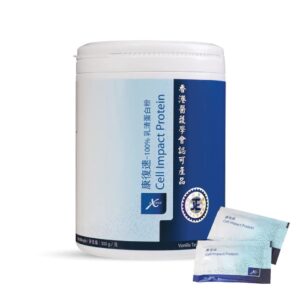
Single 10% off】aXimed – Recovery Speed 100% Whey Protein Powder 30 sachets
Original price was: $558.00.$502.00Current price is: $502.00. Add to basket -
Sale!
Livinglean – Organic Dietary Mineral Powder 8g x 20 sachets
Original price was: $368.00.$298.00Current price is: $298.00. Add to basket
Related Post:
![眼乾食葉黃素有用嗎?」「秋冬天眼乾特別嚴重,點算?]()
What foods are good for dry eyes? The roles and selection of Omega-3, lutein, zeaxanthin, and blueberry extract.
![男士夜尿、滴滴仔:良性前列腺增生的症狀、檢查與保健品選購]()
Nocturia and dribbling in men: Symptoms, examinations, and supplemental evidence of benign prostatic hyperplasia (BPH).
![通宵一晚,血壓會升多少?]()
Staying up late and blood pressure: How much will blood pressure rise after staying up all night on Halloween? Interpreting cardiovascular risk data.
![均衡備餐與體重管理]()
Weight Management Shopping Guide: 8 Selected Probiotics, Apple Cider Vinegar, and Herbal Formulas