




































































The answer is this: eating out is not the problem.The real problems are "too much portion, too much oil, salt, and sugar, and not enough vegetables".According to an analysis by the Hong Kong Centre for Food Safety, an average plate of rice contains 970 kcal, 1,600 mg of sodium, and only 2.6 g of dietary fiber. The Centre for Food Safety directly points out that, based on an adult's daily intake of approximately 2,000 kcal, the average portion size of a plate of rice is "excessive for a person." The good news is that these problems can be changed by a few words when ordering food and a couple of good habits—order less rice, have sauce served separately, add a side of stir-fried vegetables, and eat vegetables first. This article will first explain "how calories translate into weight," then use official data to illustrate where the "heavy" aspect of eating out in Hong Kong lies, and finally provide you with practical solutions.
To summarize: Three things that are achievable
If you eat out at least one meal a day, the following three things will yield the highest return on investment:
- Control componentsActively request to eat less, or share with others. Portion size is the biggest source of calories when eating out, and changing portion sizes is easier than changing the dishes.
- Prepare sauceRequests for "sauce served separately" or "less sauce". Data from the Centre for Food Safety shows that serving a plate of char siu rice without sauce can reduce sodium content by 261 TP4T to 561 TP4T; a tablespoon of ginger paste itself contains 9 grams of fat.
- Eat enough vegetablesThe goal for each meal is one serving of vegetables (half a bowl of cooked vegetables), and at least three servings of vegetables and two servings of fruit per day. This is precisely what is most easily overlooked when eating out.
There are two things you don't need to do: you don't need to completely give up eating at tea restaurants or on plate, nor do you need to jump to the extreme of "only eating one type of food." A diet is only meaningful if it can be maintained in the long term.
The calories in a lunchbox do not directly equal the amount of weight gain.
A common claim online is that a 1,200 kcal lunchbox is "equivalent to adding 0.15 kg of fat." This conversion oversimplifies the issue.
Using common conversions, 1 kilogram of body fat is roughly equivalent to 7,700 kilocalories of energy, so 1,200 kilocalories is indeed close to the energy contained in 0.16 kilograms of fat. However, directly equating "the calories in one meal" with "weight gain" ignores three things:
- That meal was supposed to be eaten anyway.A lunchbox is not an extra meal, but rather a replacement for another meal you would normally eat. What really matters is your calorie intake and expenditure for the whole day, not the absolute number of a single meal.
- The body consumes energyDigestion, absorption, metabolism, and daily activities all consume energy; not all calories from food are stored.
- Weight is not determined by calories alone.Short-term weight changes are often due to water and glycogen, while long-term weight changes are influenced by muscle mass, activity level, sleep, and hormones.
Therefore, the correct question is not "how much fat is in this lunchbox", but "have I consumed more calories than I burned throughout the day?" The UK's NHS and NICE recommends a framework of about 500 to 600 calories less than the body needs per day, which corresponds to a safe weight loss rate of about 0.5 to 1 kilogram per week.
Why does eating out for every meal easily lead to a larger waistline?
This is not a matter of personal willpower, but rather a structural issue with the dining environment.
Hong Kong Department of HealthPopulation Health Survey 2020-2022The data shows that the prevalence of overweight and obesity among people aged 18 to 84 is high. 51.3%This is higher than the 47% in 2014/15. According to the WHO Western Pacific Region's recommendations for Asian adults, a body mass index (BMI) of 23 to under 25 is considered overweight, and 25 or above is considered obese. The government will introduce [a new policy/program] in March 2026.Weight Management Action PlanShi also pointed out that more than half of Hong Kong's adult population is overweight or obese, and obesity is a risk factor for the "three highs" (diabetes, hypertension, and hyperlipidemia), stroke, and various cancers.
The prevalence of dining out is one key factor. (Department of Health)Tips for dining out at "nutritious" restaurantsThe survey indicated that among people aged 12 or above, 271% and 441% respectively regularly eat out for breakfast and lunch; and those who frequently eat out are more likely to not consume enough fruits and vegetables.
Specifically, dining out usually involves "extra effort" in three aspects:
- The portion is too large.The amount of rice and meat in a single dish often exceeds what a person needs for a meal.
- High in oil, salt, and sugarTo achieve the desired wok hei (wok aroma) and "cook the rice well," the amount of oil, sauce, and seasonings used is usually more than when cooking at home.
- Vegetable shortageMost of the rice dishes only have a few stalks of bok choy or a few florets of broccoli as garnish.
How "heavy" are Hong Kong's lunchboxes? Official data from the Centre for Food Safety
The most direct way to find out where the "heavy" part lies is to look at the Centre for Food Safety.Risk Assessment Study Report on the Nutrient Content of Local Congee, Noodles, and Rice DishesThe study analyzed 110 local food products, and the average values per unit for each food category are as follows:
| category | Average calories (kcal) | Fat accounts for a significant portion of calories. | Dietary fiber (grams) | Sodium (mg) |
|---|---|---|---|---|
| 粥 | 260 | 38% | 1.4 | 1,100 |
| Soup noodles | 470 | 23% | 3.0 | 2,400 |
| Soup Rice | 540 | 15% | 0 | 1,700 |
| Rice on a plate | 970 | 29% | 2.6 | 1,600 |
| Fried noodles | 1,100 | 41% | 12 | 2,500 |
| fried rice | 1,300 | 32% | 16 | 2,200 |
Several noteworthy conclusions in the report:
- Rice on a plateThe average serving contains 970 kcal, with 551 TP4T of calories from carbohydrates, 161 TP4T from protein, and 291 TP4T from fat. Dietary fiber averages only 2.6 grams, which is low. The average sodium content is 1,600 mg, exceeding 80% of the WHO's recommended daily intake. The report explicitly states that, based on an adult's daily requirement of 2,000 kcal, the average portion size of this dish is excessive for one person.
- Fried noodlesFat accounts for the highest proportion of calories among all types (41%), averaging 1,100 kcal and 2,500 mg of sodium. Some pasta dishes (such as Yi noodles, instant noodles, and fried noodles) are already deep-fried during the manufacturing process, and therefore have a high oil content.
- fried riceIt has the highest average calorie content, reaching 1,300 kcal, and its average cholesterol and sodium levels both exceed the WHO's recommended daily intake.
- Relatively light optionCongee (260 kcal), noodle soup (470 kcal), and rice soup (540 kcal) are all high in sodium, but noodle soup and rice soup are also high in sodium, so it is recommended not to drink all the soup.
The same report also made a direct comparison of "the same dish, white rice versus fried rice," and the difference was obvious:
| Dishes | Calories (kcal) | Fat accounts for a significant portion of calories. | Cholesterol (mg) | Sodium (mg) |
|---|---|---|---|---|
| Fresh tomato and beef with white rice | 940 | 13% | 160 | 1,600 |
| Fresh tomato and beef with fried rice | 1,200 | 29% | 240 | 2,300 |
The same dish, but simply replacing white rice with fried rice adds about 260 kcal, increases the fat content from 131 TP4T to 291 TP4T, and increases the sodium content by 700 mg. Therefore, the report recommends choosing white rice over fried rice when eating rice dishes, and that sauces be served separately.
It's worth noting that this report uses relatively early benchmark data (published in 2006). For comparison, a report from the Consumer Council in collaboration with the Centre for Food Safety in 2017...Sodium content test of rice, noodles and rice dishes(Of 100 samples) it was found that 45 samples, after consuming just one dish, already exceeded the WHO's recommended daily sodium limit of 2,000 mg, while all 100 samples had sodium content exceeding the recommended daily limit by one-third per dish. This shows that even ten years later, the issue of sodium content in food consumed outside persists.
Three practical ways to reduce unnecessary calories
First, reduce sources of high-oil content: fried foods, skins, and sauces.
Cooking methods often have a greater impact on fat content than the ingredients themselves. When ordering food, consider the following order:Steaming, blanching, boiling, simmering(Such as steamed fish, poached chicken, and noodle soup) are superior to炒,andPan-fry, deep-fry, bake, poach, braiseThis will significantly increase the amount of oil.
The sauce is the most easily overlooked element. The Centre for Food Safety analyzed the nutritional components of sauces commonly used in roast meat rice dishes:
| sauce | Calories (kcal) | Fat (grams) | Sodium (mg) |
|---|---|---|---|
| Roasted Meat Sauce | 9.5 | 0.045 | 290 |
| Sour plum sauce | 46 | 0.14 | 320 |
| Jiang Rong | 86 | 9 | 360 |
The report gave two practical examples: if roast goose rice is served with three tablespoons of roast meat sauce and one tablespoon of plum sauce, the sodium content will increase by about 1,200 milligrams; if poached chicken rice or soy sauce chicken rice is served with one tablespoon of ginger paste, the fat content will increase by 9 grams, and the percentage of calories from fat in poached chicken rice will increase from 291 TP4T to 341 TP4T.
So you can do this when ordering food:
- Request "sauce served separately" or "less sauce" to control the portion size. Tests by the Consumer Council and the Centre for Food Safety show that the sodium content of each plate of char siu rice served without sauce can be reduced by 261 TP4T to 561 TP4T.
- When ordering chicken, duck, or goose, request that the skin be "blanched"; when ordering blanched dishes, request that they be "blanched in oil" (cooked only in boiling water, without oil), and that oyster sauce be served separately.
- If you can choose white rice on the plate, then choose white rice.
Second, avoid processed meats and pickled side dishes.
Processed meats like sausages, ham, luncheon meat, and bacon, as well as pickled vegetables, salted fish, and Chinese sausage, are all high in sodium and fat, yet they are easily overlooked as "just a side dish." A 2017 test by the Food Safety Centre found that among 100 noodle and rice dishes, the one with the highest average sodium content was stir-fried noodles with pork ribs and pickled vegetables (470 mg of sodium per 100 grams). This was because pickled vegetables are pickled, and salt and sodium-containing seasonings are added during cooking.
A better approach is to replace them with whole ingredients: steamed fish, poached chicken, lean meat slices, fresh beef, tofu, eggs, shrimp, etc., instead of luncheon meat, sausages, ham, or fried meat chunks.
Third, control the amount of food and the ratio of nutrients.
The Department of Health recommends that the volume ratio of cereals, vegetables, meat, fish, eggs, and substitutes in each main meal should be approximately [missing information]. 3:2:1Typically, a plate of rice is about three-quarters rice and one-quarter meat, with vegetables only used as a garnish, clearly favoring grains. For principles of overall plate proportions and food diversity, please refer to...6 Major Benefits of a Balanced Diet。
Specifically, the adjustments can be made as follows:
- Actively requestLess foodAlternatively, one can request that the food be served separately so that they can control how much they eat.
- Order an extra plate of boiled vegetables to supplement your fiber intake. The Centre for Health Protection recommends that adults and adolescents consume 25 grams or more of fiber daily.Dietary fiberConsume at least 2 servings of fruit and 3 servings of vegetables daily (1 serving of vegetables is equivalent to half a bowl of cooked vegetables, approximately 250 to 300 ml; fruit serving conversions can be found here).<Sugar and Fructose Metabolism in Fruits>)。
- Replace some white rice with red rice, brown rice, or some root vegetables to increase fiber and satiety.
- For beverage pairing, choose plain water, unsweetened tea, or unsweetened soy milk. The sugar and calories in sugary drinks are easily overlooked; please refer to [the relevant guidelines].How high is the sugar content in hand-shaken beverages?Explanation.
Is there any research to support the order of eating: eating vegetables first and then rice?
The suggestion to "eat vegetables first, then meat, and finally rice" has indeed been studied and explored in recent years, and the results tend to be positive.
- Shukla 2015(Diabetes Care)PMID 26106234Eleven patients with type 2 diabetes ate the same 628 kcal meal. Eating vegetables and protein first, and carbohydrates last, resulted in lower blood glucose levels at 30, 60, and 120 minutes post-meal compared to the reverse order, with lower insulin response.
- Shukla 2017(BMJ Open Diabetes Research & Care,PMID 28989726Sixteen patients with type 2 diabetes ate the same meal in three different orders. The group that ate carbohydrates last had a lower glycemic index and a lower peak glycemic index by 531 TP4T and 541 TP4T, respectively, than the group that ate carbohydrates first. At the same time, the secretion of GLP-1 (a gut hormone that slows gastric emptying and increases satiety) was higher, and the recovery of ghrelin was less.
- Touhamy 2025(Diabetes Care)PMID 39688621The order in which carbohydrates are consumed last is associated with improved time to maintain blood sugar within the target range and reduced blood sugar fluctuations.
However, a few points need to be clarified: these studies had small sample sizes, primarily involving patients with type 2 diabetes; the effects were less pronounced in people without diabetes. Furthermore, changing the order of food intake...It will not change the total calories.The total amount of carbohydrates remains the main determinant of postprandial blood sugar. Researchers speculate that the mechanism is that the fiber and protein in vegetables slow down gastric emptying, allowing sugar to enter the bloodstream more slowly.
For those who frequently eat out, this approach is very low-cost: eat the vegetables on the plate first, then the meat, and finally the rice; if you order an extra plate of stir-fried vegetables, put it first. Even if the results vary from person to person, this order itself won't cause any harm.
How to choose a convenience store lunchbox?
A popular weight loss method is "eating only convenience store meals": for example, eating only two convenience store meals a day, with a total of about 1,500 kcal, which is about 900 kcal less than eating out. It is estimated that "1 kg can be lost in 8 to 9 days", or even "20 kg can be lost in less than 7 months".
This statementHalf rightThe correct part is the concept of a calorie deficit: if you need about 2,000 kcal per day, eating only 1,500 kcal creates a deficit of about 500 kcal, which roughly matches the NHS and NICE recommendations of 500 to 600 kcal per day and a weight loss of 0.5 to 1 kg per week; losing 1 kg in 8 to 9 days is roughly equivalent to 0.8 kg per week, which is still within a safe range.
There are three points that need to be corrected:
- You can't just calculate calories; you also need to look at nutrients.Two ready-made lunchboxes typically contain far less vegetables than the recommended three servings per day, and the dietary fiber intake is also unlikely to reach 25 grams per day; over the long term, this can easily lead to deficiencies in vitamins and minerals.
- 1,500 kcal is not a universal target.The UK NHS 12-week weight management program uses approximately 1,900 kcal for men and 1,400 kcal for women as a starting point, emphasizing that it must be adjusted according to individual age, weight, height, and activity level. Actual needs vary from person to person.
- Weight loss is not linear.As weight decreases, the body's daily energy expenditure also decreases, and the deficit from the same meal plan gradually shrinks. This is why weight loss often plateaus. (For related mechanisms, please refer to...)<Dieting and Weight Regain>。
If you're having a meal at a convenience store, consider this combination: choose a lunchbox with vegetables, or add a salad; include a protein source (boiled egg, chicken breast, unsweetened soy milk, low-fat milk, or plain yogurt); and a serving of fruit. Avoid fried foods, processed meats, and sugary drinks. Also, be mindful of consuming 6 to 8 cups of fluids daily.
Incidentally, the Department of Health"Star-Rated Nutritious Restaurants" CampaignCurrently, more than 1,300 restaurants are participating, offering dishes with less oil, less salt, less sugar, and more fruits and vegetables. When dining out, you can look for relevant signs in the restaurants.
To lose weight, a safe rate is 0.5 to 1 kg per week.
The safe and sustainable weight loss rate recommended by the UK NHS is0.5 to 1 kg (1 to 2 lbs) per week,andNHS informs weight loss guidelinesThey also hold the same advice, but caution that rapid weight loss is difficult to maintain. NICE's obesity management guidelines recommend starting with a daily calorie deficit of about 600 kcal for most adults.
| project | suggestion |
|---|---|
| Safe weight loss rate | 0.5 to 1 kg per week |
| Corresponding to daily calorie deficit | Approximately 500 to 600 kcal |
| Vegetables and fruits | Consume at least 3 servings of vegetables and 2 servings of fruit daily (Department of Health's "Two plus Three Daily") |
| Dietary fiber | Adults and adolescents: 25 grams or more per day |
| liquid beverages | Drink 6 to 8 cups (250 ml each) daily. |
| Physical activities | Accumulate at least 150 minutes of moderate-intensity activity per week. |
There is another point that is often overlooked:Waist circumference is a better indicator of metabolic risk than weight.Weight fluctuates due to water and glycogen levels, while waist circumference changes relatively steadily. If you are trying to lose weight, in addition to weighing yourself, you can also measure your waist circumference every two to four weeks.How to measure weight loss results? Waist circumference is a better indicator of metabolic risk than weight.There are more detailed instructions.
In what situations should you consult a doctor first?
Most healthy adults can adjust their diet and activity levels on their own. However, it is recommended to consult a doctor or registered dietitian before making significant dietary changes in the following situations:
- Unexplained weight loss (not intentional weight loss), or accompanied by persistent fatigue, dizziness, palpitations, or other symptoms.
- People with diabetes (especially those using insulin or sulfonylureas), heart disease, high blood pressure, kidney disease, or thyroid problems.
- Pregnant or breastfeeding women, those under 18 years of age, those with a body mass index (BMI) below 18.5, or those who are frail or elderly.
- A history of eating disorders or significant anxiety about eating and weight.
- You are taking medication that requires monitoring, and dietary changes may affect its effectiveness.
NHSExplanation of Obesity and OverweightIt also points out that doctors can provide advice on safe weight loss and refer patients to weight management programs or specialist services when necessary. In Hong Kong, the government will launch the Weight Management Action Plan in 2026 to strengthen the role of primary healthcare in weight management, and citizens can also obtain support through district health centers and other channels.
Frequently Asked Questions
If I eat out for all three meals, will I definitely gain weight?
Not necessarily. Whether you gain weight depends on your total calorie intake and expenditure throughout the day, not on whether you eat out. Eating out is common in Hong Kong, but the types of food vary greatly: congee averages 260 kcal, noodle soups around 470 kcal, and fried rice averages 1,300 kcal. By choosing the right dishes and portions, you can maintain a healthy weight even when eating out.
Is it true that a plate of rice contains nearly half of the daily calorie requirement?
Yes. The Centre for Food Safety's analysis shows that the average serving of a rice dish is 970 kcal, while the report uses the adult daily requirement of 2,000 kcal as a benchmark, directly stating that the average portion size of a rice dish is excessive for one person. However, this figure is the average of 20 samples; individual dishes and different restaurants can vary significantly.
How much difference does it make to request "sauce served separately"?
The difference is significant. The Centre for Food Safety points out that one tablespoon of roast meat sauce contains 290 milligrams of sodium, while one tablespoon of ginger paste contains 9 grams of fat and 86 kilocalories. Tests conducted by the Consumer Council and the Centre for Food Safety also found that the sodium content of each dish of char siu rice without sauce can be reduced by 261 TP4T to 561 TP4T, which is equivalent to 20% to nearly 30% of the recommended daily intake limit.
Can I lose weight by eating only two convenience store meals a day?
The concept of a calorie deficit holds true: if you need about 2,000 kcal per day but only consume about 1,500 kcal, a deficit will indeed occur, and the rate of consumption is within a safe range. However, the amount of vegetables and dietary fiber in two ready-made lunchboxes is unlikely to meet the daily recommendations, and eating only one type of food in the long term can easily lead to nutritional imbalances. A safer approach is to maintain the deficit but make up for it with vegetables, protein, and fruits, rather than relying solely on two lunchboxes.
Does eating vegetables first and rice last really lower blood sugar?
The research results are predominantly positive, but the study conditions should be noted. Shukla's two studies (11 participants in 2015 and 16 in 2017) both involved patients with type 2 diabetes, and the results showed that carbohydrates at the end of a meal can significantly lower the postprandial blood glucose peak. The effect is less pronounced in people without diabetes, and changing the order of carbohydrate intake does not change the total calorie intake. It's a low-cost habit worth trying, but it cannot replace controlling total calorie intake.
Do I really have to give up white rice?
No. The same dish with white rice (940 kcal) has about 260 kcal less than with fried rice (1,200 kcal). So the key is the difference between white rice and fried rice, and the amount, not whether you eat rice at all. For more fiber, you can replace some of the white rice with red rice or brown rice.
What are some good options for convenience stores?
Look for lunchboxes with vegetables or oden (Japanese stew) with vegetables, along with a protein source (boiled egg, chicken breast, unsweetened soy milk, low-fat milk, plain yogurt), and a serving of fruit. Choose water or unsweetened tea for drinks. Avoid fried foods, processed meats, and sugary drinks.
How many kilograms can you lose in a week to be considered safe?
A weight loss of 0.5 to 1 kg per week corresponds to a daily calorie deficit of approximately 500 to 600 kcal. Very low calorie diets below 800 kcal per day must be followed under medical supervision and are not recommended for self-medication.
If I want to lose weight, should I completely avoid eating at Hong Kong-style cafes?
No need. It's difficult to completely abstain from a particular eating habit in the long run. A more practical approach is to make better choices from the same menu: prioritize steamed, poached, or boiled dishes, request less rice and less gravy (gravy served separately), add a side of poached vegetables, and choose sweet drinks.
In what situations should you see a doctor first?
If you experience unexplained weight loss, persistent fatigue or dizziness, have a pre-existing chronic condition such as diabetes or heart disease, are taking medications that require monitoring, are pregnant or breastfeeding, are under 18 years of age, or are frail or elderly, it is recommended that you consult a doctor or registered dietitian before making significant dietary changes. Those with a history of eating disorders should especially seek professional help first.
Data Sources and Health Disclaimer
Source:
- Centre for Food Safety (2006).Risk Assessment Report No. 22 on the Nutrient Content of Local Congee, Noodles, and Rice Dishes。
- Centre for Food Safety (2017).100 types of rice dishes contain sodium exceeding the WHO's recommended upper limit per meal.(Consumer Council's Choice Monthly, Issue 485).
- Department of Health's "Star-Rated Restaurants" campaign.Dining Out Tips (Part 2)。
- Centre for Health Protection (revised February 2024).Healthy diet high in fiber。
- Press release from the Government of the Hong Kong Special Administrative Region (9 July 2025).Legislative Council Question: Population Obesity。
- Press release from the Government of the Hong Kong Special Administrative Region (March 4, 2026).Launching its first "Weight Management Action Plan"。
- NHS.Tips to help you lose weight;Overweight and obesity in adults。
- NHS inform.Tips for losing weight safely。
- Shukla AP, et al. Food Order Has a Significant Impact on Postprandial Glucose and Insulin Levels. Diabetes Care 2015;38(7):e98-e99. (PMID 26106234)
- Shukla AP, et al. Carbohydrate-last meal pattern lowers postprandial glucose and insulin excursions in type 2 diabetes. BMJ Open Diabetes Research & Care 2017;5:e000440. (PMID 28989726)
- Touhamy S, et al. Carbohydrates-Last Food Order Improves Time in Range and Reduces Glycemic Variability. Diabetes Care 2025. (PMID 39688621)
Health Disclaimer:This article is for general health information purposes only and should not replace professional medical diagnosis, treatment, or individual nutritional advice. Everyone's health condition, calorie needs, and disease risks are different; consult a doctor or registered dietitian before making any dietary adjustments. If you experience unexplained weight changes or persistent discomfort, seek medical attention as soon as possible. The nutritional data cited in this article comes from individual studies and official reports and represents averages or results from specific samples. The actual nutrient content of food will vary depending on the recipe, ingredients, and portion size.
Related Products:
-
Sale!

GINAX – Ginseng Tea Bag / Ginseng White Tea Rose Tea Bag | 1bag
Original price was: $13.00.$10.00Current price is: $10.00. 選擇規格 This product has multiple variants. The options may be chosen on the product page -
Sale!

GINAX – Manuka Honey UMF™ 5+ 30g
Original price was: $30.00.$25.00Current price is: $25.00. Add to basket -
Sale!

Single 10% off】aXimed – Recovery Speed 100% Whey Protein Powder 30 sachets
Original price was: $558.00.$502.00Current price is: $502.00. Add to basket -
Sale!
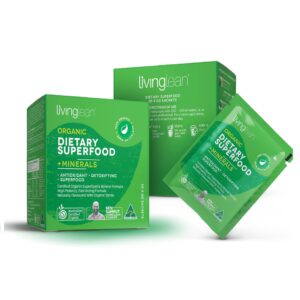
Livinglean – Organic Dietary Mineral Powder 8g x 20 sachets
Original price was: $368.00.$298.00Current price is: $298.00. Add to basket
Related Post:
![眼乾食葉黃素有用嗎?」「秋冬天眼乾特別嚴重,點算?]()
What foods are good for dry eyes? The roles and selection of Omega-3, lutein, zeaxanthin, and blueberry extract.
![男士夜尿、滴滴仔:良性前列腺增生的症狀、檢查與保健品選購]()
Nocturia and dribbling in men: Symptoms, examinations, and supplemental evidence of benign prostatic hyperplasia (BPH).
![通宵一晚,血壓會升多少?]()
Staying up late and blood pressure: How much will blood pressure rise after staying up all night on Halloween? Interpreting cardiovascular risk data.
![均衡備餐與體重管理]()
Weight Management Shopping Guide: 8 Selected Probiotics, Apple Cider Vinegar, and Herbal Formulas