




















































After gatherings with friends or festive dinners, and still having to go to work the next day—"How can I sober up quickly?" is a question that arises almost every time I drink. Let's get straight to the point:There is currently no scientifically proven effective way to cure a hangover; the only solution is time.The National Institute on Alcohol Abuse and Alcoholism (NIAAA) in the United States clearly states that there is no cure for hangovers; popular methods, including drinking coffee, taking a shower, or drinking another cup the next day, cannot speed up the body's elimination of alcohol. You can only wait for the body to complete the metabolism, replenish water, and repair the irritated tissues on its own.
Honey water and strong tea are considered effective remedies for hangovers, each with its own seemingly plausible explanation. This article will explain the research basis, practical limitations, and other relevant information for each of these claims.Truly helpful practices和Warning signs that you must seek medical attention immediately。
First, the conclusion: There is no cure for a hangover, only time.
The National Institute on Alcohol Abuse and Alcoholism (NIAAA) states this very directly in its description of hangovers:The only way to completely avoid a hangover is to abstain from alcohol altogether or minimize alcohol consumption; there is no cure for a hangover, only time.Feeling unwell after drinking alcohol is because the body is still processing the toxic byproducts of alcohol metabolism, replenishing lost fluids, repairing irritated tissues, and restoring immune and brain activity to normal—processes that cannot be "skipped."
Hangovers are not caused by a single factor. The mechanisms currently understood to be involved include:
- Dehydration and electrolyte lossAlcohol has a diuretic effect, increasing urination and fluid loss;
- Acetaldehyde and other metabolites—The intermediate metabolites of alcohol have not been completely eliminated;
- Gastrointestinal irritation—Alcohol irritates the stomach lining and increases stomach acid, causing nausea and stomach pain;
- Sleep interrupted—Alcohol helps you fall asleep faster, but it disrupts sleep structure;
- Low blood sugar and inflammation—It is associated with fatigue, loss of appetite, and decreased concentration.
It's important to understand that there's "no cure": it means that all we can do is...Relieve symptoms and allow the body to properly metabolize.Instead of seeking a shortcut, we will first present the empirical findings of common arguments.
Table 1: Common "Hangover Remedies" and Current Empirical Evidence
| Common sayings | Current empirical conclusions |
|---|---|
| Drinking honey water can help with hangovers | High doses of fructose can accelerate blood alcohol clearance under specific research conditions, but the required dose is far greater than that of daily drinking, and it comes with metabolic costs (see Section 4). |
| Drink strong tea or coffee to sober up | It does not accelerate alcohol metabolism, nor does it lower blood alcohol concentration; it may mislead people into thinking they are sober (see Section 5). |
| Electrolyte Replenishing Drinks | Dehydration does occur, and rehydration is a reasonable course of action; however, studies have not confirmed a correlation between the degree of electrolyte imbalance and the severity of hangovers (see Section 6). |
| Drink another cup the next day | It will only temporarily mask the symptoms and may prolong the discomfort (see Section 8). |
| Take a cold shower | It does not speed up metabolism, nor does it make one feel refreshed (see Section 8). |
| Exercise and sweating "detoxify" | It does not accelerate alcohol metabolism; however, it poses a greater risk when dehydrated and experiencing decreased coordination (see Section 8). |
II. What happens to alcohol in the body?
To understand why "sobering up" is so difficult, let's first look at the two steps of alcohol metabolism in the body:
- Ethanol → AcetaldehydeAlcohol (ethanol) is first converted into alcohol by alcohol dehydrogenase (ADH).AcetaldehydeAcetaldehyde is a toxic metabolite that can cause discomfort such as facial flushing, headache, dizziness, palpitations, and nausea.
- Acetaldehyde → Acetic AcidAcetaldehyde is then converted by acetaldehyde dehydrogenase (ALDH2) into...Acetic acidAfterwards, it decomposes into carbon dioxide and water and is excreted from the body, and the discomfort gradually subsides.
If alcohol consumption far exceeds the body's processing capacity, acetaldehyde will accumulate in the body; alcohol itself can also suppress the central nervous system, and in severe cases affect respiratory, circulatory and digestive functions, requiring immediate medical treatment (see Section 9).
The International Agency for Research on Cancer (IARC), under the World Health Organization, has listed alcohol as a Class II medical condition."Carcinogenic to humans" (Class 1)Material. Based on this, the Hong Kong Department of Health stated in "Living a Healthy New Direction":Given the carcinogenic effects of alcohol, there is no limit to the so-called "harmless use of alcohol".The more alcohol you drink, the greater your risk of related harm.Department of Health: Reducing alcohol-related harms)。
The key point is:The rate at which the liver breaks down alcohol is roughly constant.Drinking more water, coffee, or sugar won't significantly speed up the process. This is where the term "hangover cure" becomes misleading—what we can address are primarily the symptoms, not the speed at which alcohol is eliminated. Dehydration, stomach irritation, and sleep disturbances caused by alcohol are the main sources of discomfort the next day.
III. Facial flushing after drinking is not a good thing: Metabolic characteristics that Hong Kong readers should pay more attention to.
Many Hong Kong people blush after just one drink, often mistakenly attributing it to "good blood circulation" or "a low alcohol tolerance." The truth is:A flushed face indicates that acetaldehyde is accumulating in the body.
Acetaldehyde is primarily broken down by acetaldehyde dehydrogenase (ALDH2) in the liver. It is quite common in East Asian populations. ALDH2 Genetic mutations cause a significant decrease in the activity of this enzyme—alcohol is quickly converted into acetaldehyde, but acetaldehyde decomposes slowly, resulting in reactions such as facial flushing, rapid heartbeat, and headache. This phenomenon is even referred to as "Asian flush" in Western literature.
A popular science article from the Liver Care Centre at the Chinese University of Hong Kong explains that acetaldehyde itself increases the risk of gastrointestinal inflammation, stomach ulcers, esophageal cancer, stomach cancer, and gene damage. Because acetaldehyde is slowly broken down, people who easily flush after drinking alcohol are exposed to this Group 1 carcinogen for a longer period and have a higher chance of developing esophageal cancer.CUHK "Liver Review": Is facial flushing after drinking good or bad?)。
Two practical conclusions:
- Not blushing when drinking alcohol does not mean you have good metabolism.Different people have different natural enzyme activities, and you cannot increase the amount of alcohol-detoxifying enzymes by supplementing or training.
- Blushing is a bodily reminder, not proof of alcohol tolerance.If you experience facial flushing, palpitations, or headaches, continuing to drink it will not benefit your health.
IV. Honey water to cure hangovers? First, carefully examine the "44.7%" study.
The claim that honey water can help with hangovers isn't entirely unfounded; it's supported by a real study. The original paper is a 2009 paper by Uzuegbu and Onyesom published in *Comptes Rendus Biologies*.PubMed 19520316The study invited 45 healthy male light drinkers aged 25 to 35 (with an average weight of about 72 kg) to participate.
The study design was as follows: the subjects were first given a drink...1 gram of ethanol per kilogram of body weight(Dilute to 201 TP4T), add more after 20 minutes.1 gram of fructose per kilogram of body weight(Soluble in water). Results showed that the blood alcohol clearance rate increased by approximately 44.7%The time to reach zero blood alcohol concentration is shortened by approximately 30.7%The peak blood alcohol concentration also decreased by approximately 23.31 TP4T.
The numbers look appealing, but turning research findings into "everyday advice" presents three real-world challenges:
- The dosage difference is enormous.The study used 1 gram of fructose per kilogram of body weight; converted to a 70-kilogram adult, this equates to approximately... 70 grams of fructoseHoney contains approximately 38 to 41 grams of fructose per 100 grams.USDA FoodData Central(Honey document number 169640), in other words, you need to eat about... 170 grams of honey (about 8 tablespoons or more)This is far more than the amount of honey a person would make for a cup of water (one teaspoon of honey is about 7 grams).
- These are experimental conditions for a specific dose and time sequence.It cannot be directly concluded that "drinking a cup of honey water on a regular basis can relieve hangovers".
- Fructose itself has a metabolic cost.The same study found that after adding fructose, subjects with abnormal blood glucose levels increased from 181 TP4T to 291 TP4T, and those with abnormal triglycerides increased from 821 TP4T to 961 TP4T. The authors explicitly warned in their paper that while oral fructose accelerates alcohol oxidation, it may also increase the risk of metabolic syndrome (Syndrome X), and that research should be conducted to avoid this side effect.
in addition,Fructose is not unique to honey.—Fructose is also found in fruits and vegetables. Drinking large amounts of honey water in a short period to "cure a hangover" is essentially equivalent to consuming a large amount of free sugar at once, which is not ideal for weight, blood sugar, and triglycerides. For more information on the metabolic pathway of fructose and the difference between whole fruits and free sugars, please refer to [link to relevant article].Sugar and fructose metabolism in fruits>,as well as<The effects, contraindications, and sugar content of honey (honey).>and<What are the benefits of honey water?〉。
Honey is a natural source of sweetness and can be used for flavoring, adding to tea, or in cooking without any problems; however, if the goal is to "cure a hangover,"There is no need to drink large amounts of honey water for this purpose.
5. Coffee and strong tea: merely "making you feel awake"
Many people believe that drinking a strong cup of coffee or tea can "sober you up." NIAAA's statement is clear:Drinking coffee, taking a shower, or having another drink the next day won't cure a hangover; the only reliable way is to avoid drinking too much.
The reason lies in the mechanism of action of caffeine: caffeine is a central nervous system stimulant, which can...To counteract some of the drowsiness caused by alcoholIt makes one subjectively feel "awake," but itIt will not accelerate the liver's breakdown of alcohol, nor will it lower blood alcohol concentration.。
A research team at Temple University in the United States conducted experiments on mice and found that while mice that consumed both alcohol and caffeine were more alert, their ability to avoid dangerous environments did not recover. The researchers described this state as "wide-awake drunk" and cautioned that the combined use of caffeine and alcohol may pose safety risks.BBC Chinese: The consequences of mixing wine and coffee are even more tragic.)。It should be noted that this is animal research and cannot be directly equated with human results, but the direction is consistent with existing understanding.
The real risk lies in "misjudgment": feeling mentally alert and thus driving, operating machinery, or making important decisions—while judgment and coordination are still impaired by alcohol. Furthermore, strong tea or coffee can increase heart rate and worsen stomach discomfort, especially since the stomach lining has already been irritated by alcohol.
VI. The Real Causes of Hangovers and Truly Helpful Coping Strategies
Since accelerating metabolism is not feasible, what can be done in practice is...Addressing symptoms and allowing the body to comfortably complete its metabolic processes.The following three things are actually helpful:
- Hydrate.Alcohol's diuretic effect can cause fluid loss, so it is recommended to drink small amounts of water frequently. If you have vomited, you can consider oral rehydration solutions available at pharmacies to help replenish fluids and electrolytes.To be fair: NIAAA points out that the study did not find a correlation between the degree of electrolyte imbalance and the severity of hangovers, nor did it confirm that supplementing with electrolytes can alleviate hangovers—electrolyte drinks are fine to drink, but they are not a shortcut to "cure" a hangover.
- Eating.Small amounts of easily digestible food (porridge, bread, bananas, etc.) can replenish energy and reduce stomach discomfort; greasy and spicy foods may worsen nausea and stomach pain.
- rest.Alcohol helps you fall asleep faster, but it disrupts sleep structure, so you may feel tired even after sleeping for a long time. Getting enough rest is the most practical way to allow your body to complete its metabolic processes.
Table 2: Evaluation of various actions taken during a hangover
| practice | Evaluate |
|---|---|
| Replenish water in small amounts, in several sips. | Helpful – Dehydration does occur. |
| Eat easily digestible foods | Helpful – replenishes energy and reduces stomach discomfort |
| Get plenty of rest and sleep | Helpful – Alcohol disrupts sleep structure |
| Electrolyte drinks | You can drink it, but it has not been proven to reduce the severity of a hangover. |
| Strong coffee, strong tea | It won't speed up metabolism, and may mislead people into thinking they are awake. |
| Drinking again the next day | Not recommended – prolonging discomfort |
| Take a cold shower | It won't speed up metabolism, nor will it "sober you up". |
| Taking painkillers after drinking alcohol | You must consult a pharmacist first (see Section 8). |
7. Prevention is even more effective: Do this before and after drinking alcohol.
Rather than trying to fix things afterward, it's better to do a few things correctly before and after drinking. The Hong Kong Department of Health's drinking advice is quite practical:
- Avoid drinking alcohol on an empty stomach; you should also eat something while drinking.—An empty stomach accelerates alcohol absorption; food helps slow down the absorption rate.
- Sip slowly, drink in small sipsAvoid drinking it all at once or engaging in "drinking contests".
- Alternate with non-alcoholic beveragesThis also gives the body time to process the alcohol.
- Control the portion sizeAnd know the alcohol content of your drinks.
Table 3: Hong Kong "Alcohol Units" Conversion and Low-Risk Limit
| project | content |
|---|---|
| 1 unit of alcohol | 10 grams of pure alcohol |
| Equivalent to | Approximately 250 ml of beer (about 3/4 can) / approximately 100 ml of table wine / approximately 30 ml of spirits |
| Daily for men | No more than 2 units of alcohol |
| Women's Daily | No more than 1 unit of alcohol |
It should be noted that the above figures are only..."Lower-risk" drinking behavior is not a safety line.The Department of Health emphasizes that there is no safe level of alcohol consumption; for the sake of health and to reduce the risk of cancer, gradually reducing alcohol consumption until completely abstaining is the best choice.Centre for Health Protection: Drinking Advice to the General Public)。
In addition, the following individuals or situationsDo not drink alcoholPeople who are pregnant or planning to become pregnant, children and adolescents, those who are unwell or depressed, those who need to drive or operate machinery, those who have a history of alcohol or drug dependence, those who have had or are currently suffering from serious mental illness, those who are exercising before or during exercise, and those who have health problems such as gout, liver disease, heart disease, high blood pressure, or are currently taking medication.
8. These methods are not helpful, and some are even more dangerous.
- Drink another glass the next day ("to sober up with alcohol").NIAAA points out that doing so may temporarily alleviate some symptoms, but it will prolong overall discomfort and is not a solution.
- Take a cold shower.Like coffee, a shower cannot prevent or cure a hangover; it does not speed up alcohol metabolism and may even make people mistakenly believe they are sober.
- He took painkillers on his own after drinking alcohol.Paracetamol, like alcohol, is metabolized by the liver, and using both together carries a risk of hepatotoxicity. Aspirin and ibuprofen may increase stomach acid and irritate the stomach lining. Consult a pharmacist or doctor before or after drinking alcohol if you need pain relief.
- Detoxify through sweating from exercise.Exercise does not speed up the liver's breakdown of alcohol; when you have a hangover, your body is already dehydrated and your coordination and judgment are impaired, so exercising (especially swimming or sauna) can be risky.
- A large amount of water was poured in at once.It may worsen nausea, so it is advisable to drink it in small amounts several times a day.
IX. Safety and Medical Advice
Drunkenness andAcute alcohol poisoning (excessive alcohol consumption)These are two separate issues. Excessive alcohol consumption refers to a blood alcohol concentration that is too high, causing suppression in brain regions that control basic life functions such as breathing, heartbeat, and body temperature, potentially leading to permanent brain damage or even death. If the following symptoms occur...any oneIf any signs appear, call emergency services immediately (Hong Kong: 999):
Table 4: Warning Signs of Acute Alcohol Poisoning (Excessive Alcohol)
| signs | illustrate |
|---|---|
| Mental confusion, catatonia | abnormally slow response |
| Difficult to stay awake, or cannot be woken up | Unable to wake up |
| Vomit | Repeated vomiting may cause aspiration into the trachea. |
| Convulsions (epilepsy) | sudden twitching |
| slow breathing | Less than 8 times per minute |
| Irregular breathing | The interval between two breaths is 10 seconds or more. |
| Slow heartbeat, cold and clammy skin | Cycle inhibition |
| Slow to react | For example, loss of the gag reflex (increasing the risk of choking). |
| Extremely low body temperature, skin turning blue or pale | Thermoregulation |
NIAAA Reminder:Don't wait until all symptoms appear before seeking help.A person who has fainted may die; it is unacceptable to assume that "they'll be fine after a nap." While awaiting rescue:
- Don't leave the other person alone;
- Let the other partySide-lyingTo prevent vomit from entering the trachea; if the other person is vomiting, help them lean forward;
- Do not induce vomiting.;
- Don't wake the other person up with a cold shower or strong coffee;
- Be prepared to provide paramedics with: the type and amount of alcohol consumed, the time of consumption, whether any other medications were taken at the same time, and the individual's health condition.
In addition, it is advisable to seek professional help as soon as possible if the following situations occur (you can consult a family doctor first): needing alcohol to fall asleep or regulate emotions, drinking has caused health or social problems, or drinking behavior has become compulsive or dependent. Hong Kong also has alcohol addiction support services, which can be obtained through referrals from family doctors.
10. Frequently Asked Questions
Can drinking honey water help with hangovers?
The claim that honey water can speed up alcohol metabolism stems from research suggesting that fructose can accelerate alcohol metabolism. A 2009 study showed that under specific conditions of "1 gram of ethanol per kilogram of body weight + 1 gram of fructose per kilogram of body weight," the blood alcohol clearance rate increased by approximately 44.71 TP4T. However, this translates to about 70 grams of fructose for a 70-kilogram adult, equivalent to about 170 grams of honey (more than 8 tablespoons), far exceeding the amount in a cup of honey water. Furthermore, the same study found that adding fructose increased the proportion of abnormal blood sugar and triglycerides. Therefore, drinking a cup of honey water daily will not achieve a "hangover cure," nor is it worthwhile to consume large amounts of sugar for this purpose.
Can drinking coffee or strong tea help sober you up?
No. Caffeine only makes you feel more alert; it does not speed up the liver's breakdown of alcohol, nor does it lower blood alcohol levels. The US National Institutes of Health (NIAAA) clearly states that drinking coffee cannot prevent or cure hangovers. More importantly, be aware of the risk of "misjudgment"—feeling sober but still having impaired judgment and coordination due to alcohol, making driving or operating machinery extremely dangerous.
Can a hangover be eliminated by sweating through exercise?
No. Alcohol is primarily metabolized by the liver, and sweating does not speed up this process. When hungover, the body is already dehydrated, and coordination and judgment are impaired. Exercise at this time not only won't help with sobering up but may also increase the risk of injury. High-risk activities such as swimming and saunas should be avoided.
Does drinking another glass the next day (to sober up) really work?
The NIAAA points out that while this may temporarily alleviate some symptoms, it prolongs overall discomfort and is not a solution. For those already dependent on alcohol, this practice could also perpetuate the drinking cycle.
Can sports drinks or electrolyte drinks help with hangovers?
You can drink it, but it won't "cure" a hangover. Alcohol has a diuretic effect, so rehydration is indeed reasonable; however, the NIAAA points out that studies have not found a correlation between the degree of electrolyte imbalance and the severity of a hangover, nor have they confirmed that additional electrolyte supplementation can alleviate a hangover. If you have experienced severe vomiting, oral rehydration solutions from a pharmacy can help replenish water and electrolytes, but what truly allows the body to recover is time, hydration, and rest.
Can I take painkillers if I have a headache after drinking alcohol?
You should consult a pharmacist or doctor first. Paracetamol, like alcohol, is metabolized by the liver, and using it together carries a risk of hepatotoxicity; aspirin and ibuprofen may increase stomach acid and irritate the stomach lining. If you have liver disease, stomach ulcers, kidney disease, or are currently taking other medications, you should seek professional advice first.
Does facial flushing after drinking indicate a high alcohol tolerance?
On the contrary, facial flushing indicates an accumulation of acetaldehyde in the body, reflecting lower activity of the enzyme ALDH2, which breaks down acetaldehyde. Acetaldehyde is classified as a Group 1 carcinogen, and those who flush easily after drinking alcohol also have a higher risk of esophageal cancer. This enzyme activity is innate and cannot be increased through supplementation or training.
Why do you get drunk more easily when drinking on an empty stomach?
When the stomach is empty, alcohol is absorbed more quickly into the small intestine, causing blood alcohol concentration to rise faster. Eating before and during drinking can slow down alcohol absorption and help reduce overall alcohol consumption—this is why the Department of Health recommends against drinking on an empty stomach.
Are there any ways to speed up alcohol metabolism?
Currently, there is no reliable way to significantly speed up the liver's breakdown of alcohol. Drinking water, coffee, eating sugar, or taking a shower will not accelerate alcohol elimination; the liver's processing rate is roughly fixed, and the body also needs time to clear metabolic waste and replenish fluids. In practice, what you can do is: control the amount and speed of alcohol consumption, drink water and eat before and after drinking, and allow your body to rest properly.
How long does a hangover usually last? When should you seek immediate medical attention?
A hangover is usually most noticeable when blood alcohol concentration drops to near zero and can last for 24 hours or longer, depending on the amount of alcohol consumed, sleep, hydration, and individual constitution. If these signs appear, seek immediate help: unresponsiveness, slow or irregular breathing (less than 8 breaths per minute), convulsions, vomiting or choking, cold or clammy skin, or extremely low body temperature. Do not wait for all symptoms to appear, and do not tell the person to "just sleep it off"—call 999 immediately.
XI. Sources of Information
- National Institute on Alcohol Abuse and Alcoholism (NIAAA) — Hangovers
- NIAAA — Understanding the Dangers of Alcohol Overdose
- Hong Kong Department of Health's "Living a Healthy New Direction" – Reducing Alcohol-Related Harms
- Hong Kong Centre for Health Protection — Drinking Advice to the General Public (PDF)
- Uzuegbu UE, Onyesom I. Fructose-induced increase in ethanol metabolism and the risk of Syndrome X in man. Comptes Rendus Biologies 2009;332(5):464–467.
- The Liver Care Centre at the Chinese University of Hong Kong: "Liver Reading"—Is facial flushing after drinking good or bad? It turns out it's a common physique among Asians.
- USDA FoodData Central (Honey File No. 169640)
- BBC Chinese — Study: Combining wine and coffee can have even more tragic consequences
- World Health Organization — Alcohol (Fact Sheet)
Further Reading:〈Sugar and fructose metabolism in fruits〉、〈How to measure weight loss results? Waist circumference is a better indicator of metabolic risk than weight.〉、〈6 Benefits of a Balanced Diet〉、〈Five Health Benefits of Aerobic and Anaerobic Exercise〉。
The information provided in this article is for general health information purposes only and should not replace professional medical advice, diagnosis, or treatment. Everyone's health condition is different. If you have any questions about alcohol, medications, or your physical condition, please consult a doctor or pharmacist. Do not stop or change your medication without consulting a doctor.
Related Products:
-
Sale!

GINAX – Ginseng Tea Bag / Ginseng White Tea Rose Tea Bag | 1bag
Original price was: $13.00.$10.00Current price is: $10.00. 選擇規格 This product has multiple variants. The options may be chosen on the product page -
Sale!

GINAX – Manuka Honey UMF™ 5+ 30g
Original price was: $30.00.$25.00Current price is: $25.00. Add to basket -
Sale!
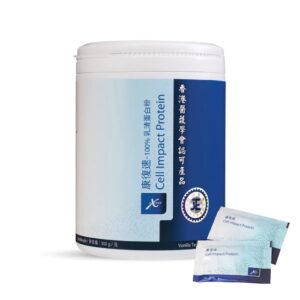
Single 10% off】aXimed – Recovery Speed 100% Whey Protein Powder 30 sachets
Original price was: $558.00.$502.00Current price is: $502.00. Add to basket -
Sale!
Livinglean – Organic Dietary Mineral Powder 8g x 20 sachets
Original price was: $368.00.$298.00Current price is: $298.00. Add to basket
Related Post:
![母親用滴管把少量植物藻油滴在食物匙上,幼兒坐在餐桌旁]()
A Complete Guide to Plant-Based Algae Oil Omega-3: Odorless, Vegetarian, and Suitable Omega-3 Choices for Pregnant Women and Infants
![牛樟芝子實體與膠囊製品示意]()
What is Antrodia camphorata? A complete guide to its ingredients, research evidence, and precautions for consumption.
![世界心臟日護心飲食場景,香港中年夫婦享用豆漿、豆腐、雞蛋與堅果,旁有心臟及細胞膜卡通示意]()
World Heart Day: Heart Health in Hong Kong Starts with Daily Life | What are the Benefits of Lecithin? Which of Three 1200mg Products to Choose From?
![香港成年人在家閱讀與休息,從日常習慣開始理解腦部健康]()
Fish oil, mini capsules, or B12? Formulas and daily choices for 8 best-selling brain health products.