





























































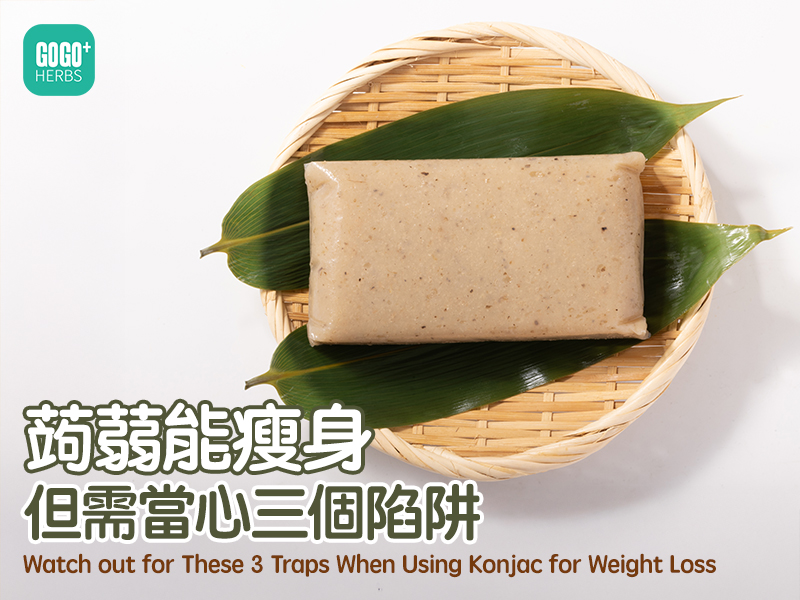
Konjac can help with weight loss, but beware of three pitfalls.
Konjac has been recognized by the World Health Organization (WHO) as one of the world's top ten health foods, and it is especially popular in neighboring Japan. It is often used as a staple food substitute and has been designated by the Japanese government as a food for preventing diabetes. Furthermore, many people consider it...Weight loss productHoping to regain their senses by eating konjacSlim figure。
In fact, konjac does possess numerous health benefits. According to the Compendium of Materia Medica, this plant, also known as "konjac," has been used for medicinal purposes for over 2000 years. The main component of konjac is glucomannan, a water-soluble polysaccharide belonging to the hemicellulose family. It forms a highly viscous solution in water and can expand to 20 to 100 times its original volume upon contact with water. This is why eating konjac provides a strong feeling of fullness, which is why many people choose to use it to control their appetite and achieve weight loss.
Besides increasing satiety, konjac also has the following four health benefits:
one,suppress blood sugarRising, aiding in the improvement of diabetes
As mentioned earlier, glucomannan is a water-soluble dietary fiber that, once in the human digestive system, can moderately adsorb sugars, interfering with the body's efficiency in absorbing glucose. Furthermore, the gel formed after glucomannan dissolves can also form a protective film on the intestinal wall, slowing the movement of food through the digestive tract and prolonging its residence time, thereby mitigating the rate of blood sugar rise.
In addition, konjac has almost zero calories, so eating it can satisfy the stomach's cravings.fullnessIt can meet the needs of diabetes patients and reduce total calorie intake, thus helping them control their weight. At the same time, konjac can also promote insulin secretion, which can help improve diabetes-related symptoms to some extent.
2. Helps eliminate toxins from the body and relieves constipation.
Konjac is rich in dietary fiber. After entering the stomach and intestines, it can slightly stimulate the intestinal wall, promote intestinal peristalsis, and accelerate the excretion of toxic and harmful substances from the body. In the process of protecting the gastric mucosa and promoting intestinal peristalsis, it can also effectively improve or prevent constipation and help maintain intestinal health.
III. Reduce cholesterol buildup and protect cardiovascular health
Glucomannan can inhibit the body's absorption and utilization of cholesterol, while the mucoprotein contained in konjac can further reduce the accumulation of cholesterol in the body. Therefore, moderate consumption of konjac can, to some extent, reduce the risk of cardiovascular disease and provide protection for cardiovascular health.
IV. Supplementing calcium helps prevent osteoporosis.
On average, 100 grams of konjac contains 43 milligrams of calcium, and the human body absorbs this calcium very easily. For people who want to increase bone density and prevent osteoporosis, konjac is one of the best choices for calcium supplementation.
Three things to note when consuming konjac.
Despite the numerous benefits of konjac, there are three points to keep in mind when consuming it:
- Beware of hidden sugars and calories in processed konjac foods.
Konjac can be processed into various foods, most commonly snacks, such as konjac jelly. Since konjac itself has no obvious taste, a lot of sugar is usually added during processing to enhance its flavor—one konjac jelly contains about 5 grams of sugar, corresponding to 20 calories, equivalent to the calories of a sugar cube. Therefore, it is important to control the portion size when consuming such processed products.
In addition, the main ingredient of commercially available konjac noodles is not konjac powder, but wheat flour. Its carbohydrate content and calories are similar to those of regular noodles, so it is also important to control your intake when consuming them.
- Weight loss cannot be achieved solely through konjac.
The human body needs 501 TP4T to 601 TP4T of energy per day from carbohydrates. If konjac is used to replace staple foods such as white rice for a long time, it will lead to insufficient carbohydrate intake, which may cause a slowdown in metabolism. In the long run, it may also cause symptoms such as low blood sugar and physical fatigue.
Furthermore, long-term reliance on konjac for weight loss can lead to insufficient glucose supply to the brain, resulting in difficulty concentrating and dizziness. In severe cases, it may damage kidney function and affect the renewal rate of hair and skin, causing dry skin or hair loss.
- People with poor gastrointestinal function need to control their food intake.
People with weak digestive systems should avoid consuming excessive amounts of konjac, as it can easily cause indigestion, bloating, stomach pain, and other discomfort. In Melbourne, Australia, a 61-year-old woman experienced prolonged abdominal pain and vomiting after eating an entire packet of konjac noodles at once. Her stomach swelled to more than five times its normal size, and she suffered from intestinal obstruction for 10 days, preventing her from eating. Therefore, it is recommended that each serving of konjac not exceed 50 grams.
Related Post:
![| 香港成年人在家閱讀無品牌補充品標籤,桌上有蔬菜與水]()
Hong Kong Liver Health Product Insight Report 2024-2025: Liver-Protecting Formulas Decline, Q10 Increases
![香港成年人在家閱讀與休息,從日常習慣開始理解腦部健康]()
Hong Kong Brain Health Insight Report 2024–2025: Differentiating Fish Oil, Memory Formulas, and Vitamin B12 from 87 Products
![香港上班族在窗邊暫停看屏幕,讓雙眼休息並重新整理眼晴健康選擇]()
Eye Health Insight Report 2024-2025: Beyond Lutein – Fish Oil Accounted for 76.41% of Store Revenue Among 98 Products (TP4T)
![香港家庭查看空氣質素並整理呼吸健康資料]()
Hong Kong Respiratory Health Product Insight Report 2024–2025: Cough, Nasal Allergies, and Sore Throat Are Not the Same Thing