





















































Causes and symptoms of edema: When to seek medical attention for facial or leg swelling.
If you wake up in the morning and your face looks puffy, or if your shoes feel tight or your socks leave marks when you leave work, this type of swelling is mostly due to...TemporaryThis is related to eating too much salt the night before, prolonged sitting or standing, or the period around menstruation, and usually subsides on its own within one or two days. However, if it's edema...Frequent occurrence, persistent swelling, only one side is swollenor appearing simultaneouslyDifficulty breathing, significantly reduced urine output, and rapid weight gain within a few daysIf you have this condition, you shouldn't just rely on drinking red bean water or getting a massage; you should see a doctor as soon as possible to find out the underlying cause.
This article will first state the conclusion, then explain in detail: what exactly is edema, how to distinguish between "pitting" and "non-pitting" edema, the three common causes, when immediate medical attention is necessary, and the evidence supporting claims about "reducing edema" such as red bean water, high-potassium foods, coffee, and alcohol. For information on its relationship with weight, waist circumference, and metabolic risk, please refer to the following section on this website.Waist circumference and metabolic syndrome〉。
First, the conclusion: Which types of edema can be treated at home, and which require medical attention?
II. What is edema? The difference between "pitting" and "non-pitting" edema.
III. Causes (I): Lifestyle Habits and Temporary Edema
IV. Causes (II): Drugs, Nutrition, and Environment
V. Causes (III): Seven Types of Edema That May Point to Disease
VI. Which department should I see? Warning signs that you must seek medical attention immediately.
7. How much evidence is there for "foods that reduce water retention"? Red bean water, high-potassium foods, and diuretic drinks.
8. Six things you can do daily
IX. Frequently Asked Questions (FAQ)
Source of information
First, the conclusion: Which types of edema can be treated at home, and which require medical attention?
Edema itself issymptomThis isn't a diagnosis. It's your body telling you that "fluid is accumulating where it shouldn't," and the underlying cause can be harmless or serious. The key to diagnosis isn't the size of the swelling, but...How it appears, where it is located, and whether it is accompanied by other symptoms.。
| Condition | Common causes | Recommended practices |
|---|---|---|
| Bilateral, more noticeable in the evening, improves after elevating both legs or sleeping overnight. | Prolonged sitting or standing, high-salt diet, and lack of exercise | You can first adjust your lifestyle and observe for several days. |
| It appears one to two weeks before menstruation and subsides after menstruation begins. | Hormonal sodium and water retention | This is a common physiological phenomenon, and reducing salt intake and engaging in moderate physical activity can help. |
| I wake up with puffy eyelids and face, which then spreads to my whole body. | It may be related to the kidneys. | You should seek medical attention for examination. |
| Symmetrical swelling in both lower limbs, aggravated by activity and improved by rest and leg elevation. | It may be related to the heart. | You should seek medical attention for examination. |
| Only one sideSudden swelling and pain in the foot or calf | It could be deep vein thrombosis. | Seek medical attention as soon as possible; do not delay. |
| Swelling at the same timeDifficulty breathing, chest pain, irregular heartbeat | It could be fluid buildup in the heart or lungs. | Seek emergency medical assistance immediately |
II. What is edema? The difference between "pitting" and "non-pitting" edema.
Edema refers to the swelling of the bodyExcessive fluid accumulation in interstitial spacesThis causes localized swelling. These fluids, which should normally circulate in the blood or lymphatic system, become trapped in the subcutaneous tissue when return is obstructed or excessive leakage occurs. The most common site is...face, hands, ankles and calvesThis is especially noticeable in the lower limbs, because gravity pulls the liquid downwards.
When a doctor observes edema, the first thing they do is look at it.Will pressing it leave a dent?This distinction can point to completely different causes.
- Pitting edema:Pressing your finger on the skin for a few seconds and then releasing it will leave an indentation that takes several seconds to tens of seconds to slowly spring back. This is commonly seen in cases of heart, liver, and kidney problems, as well as edema caused by prolonged sitting or standing, or by medication side effects.
- Non-pitting oedema:PressWon'tIt leaves a noticeable dent. A typical example is...HypothyroidismThis can cause myxedema, as well as lymphedema caused by obstructed lymphatic drainage.
Another useful clue isWhere is the swelling located, and how many sides are swollen?:
- Bilateral, symmetrical:It often points to systemic causes, such as heart, kidney, liver, hormones, or medications.
- Unilateral:These often point to localized problems, such as venous thrombosis, infection, or lymphatic obstruction. These types of problems especially require prompt evaluation.
- From bottom to top:It starts in the feet and gradually spreads upwards, and is often related to the heart or low protein levels.
- From top to bottom:It first appears on the eyelids and face, and then spreads to the whole body. It is more common in kidney-related edema.
III. Causes (I): Lifestyle Habits and Temporary Edema
High-salt diet
This is the most common and easiest to adjust. Sodium in salt (sodium chloride) causes the body to retain water to maintain fluid concentration; the saltier you eat, the more water your body retains. The World Health Organization recommends that healthy adults...Consume less than 5 grams of salt (i.e., less than 2 grams of sodium) per day.Data from the Hong Kong Centre for Health Protection shows that during the 2020-2022 Population Health Survey, people aged 15 to 84 consumed an average of approximately [missing information - likely a specific amount] per day. 8.4 grams of salt,83.9% exceeds the recommended limit.In other words, most people's risk of edema actually comes from everyday sauces, soups, and processed foods.
Prolonged sitting or standing and lack of exercise
Maintaining the same posture for extended periods reduces the pumping action of the calf muscles, slowing blood and lymphatic return and causing fluid to accumulate in the lower limbs. This is the mechanism behind ankle swelling after long flights or car journeys. Moderate movement, getting up regularly, and elevating the legs during rest can all help improve this.
Before and after menstruation and pregnancy
Many women experience bloating and lower limb swelling one to two weeks before their period, which subsides after menstruation begins. This is a common physiological change. It's not related to a single hormone, but rather to the luteal phase.Changes in the estrogen-to-progesterone ratio,makeAldosterone (responsible for sodium and water retention) is relatively active.In addition, the effects of antidiuretic hormone can cause sodium and water retention. For related information on women's menstrual cycles and daily care, please refer to the website.Women's HealthCategory page.
Swelling during pregnancy is mostly physiological, but it's important to note: if swelling...Suddenly and significantly worsenedIf symptoms such as high blood pressure, headache, or blurred vision occur simultaneously, seek medical attention immediately, as these may be warning signs of preeclampsia rather than simple pregnancy edema.
Alcohol and caffeine: Diuresis does not equal reduction of edema
It's often said online that "coffee, tea, cola, chocolate, and beer all have diuretic effects and can reduce edema," but this is actually a misconception, and it's worth explaining each item in detail:
- Coffee and tea:Standard serving of caffeineIt has almost no diuretic effectA retrospective study indicates that only one intake of at least [amount missing] 250 to 300 mgIt takes about 2 to 3 cups of coffee for caffeine to temporarily increase urine output in people who don't usually drink coffee; regular coffee drinkers will develop tolerance, and the effect will be greatly reduced. The water content of caffeinated beverages is basically enough to offset that slight diuretic effect.
- Alcohol (including beer):Alcohol will firstInhibit antidiuretic hormoneIt causes increased urination in the short term; but after that, antidiuretic hormone...Rebound and riseThe body retains more water after drinking alcohol, which is why many people experience increased swelling in their face and hands the day afterward. Beer also contains carbohydrates and sodium, which may exacerbate the swelling.Drinking alcohol will not reduce water retention; in fact, it often worsens it.
- Cola and sugary drinks:Sugary drinks increase energy and carbohydrate intake, do not help with fluid balance, and are not suitable as drinks to reduce water retention.
IV. Causes (II): Drugs, Nutrition, and Environment
Drug side effects
Some medications can indeed cause edema; common categories include:Calcium channel blocker antihypertensive drugs(e.g., amlodipine)Nonsteroidal anti-inflammatory drugs (NSAIDs)、steroids、estrogen(Oral contraceptives, hormone replacement therapy), someDiabetes medicationand someAntidepressants與insulinThis type of edema is usually mild, butDo not stop taking the medication or reduce the dosage on your own.You should inform your doctor about the situation so that they can assess whether to adjust the medication or dosage.
Malnutrition: Focus on protein
When it comes to nutrition and edema, many people first think of "vitamin or mineral deficiency," but the real key is...proteinAlbumin in blood plasma is responsible for maintaining colloid osmotic pressure within blood vessels, retaining water in the blood vessels. When protein intake is insufficient, absorption is poor, or a large amount is lost over a long period, albumin levels drop, and water seeps into the interstitial spaces, causing edema.Starting from the feet and gradually spreading upwards。
also,Severe vitamin B1 (thiamine) deficiencyIt can also cause edema, also known as "wet beriberi," which is common in people with chronic alcoholism, extremely monotonous diets, or malabsorption. For information on the protein needs and dietary arrangements for the elderly, please refer to the website's [link/section].Healthy Foods for Seniors〉。
Highland (mountain) environment
At high altitudes, due to the thin air, some people may experience swelling in their face, hands, and ankles. However, in high-altitude environments, what needs more attention is actually...Cerebral edema and pulmonary edema—If you experience severe headaches, unsteady gait, altered mental status, or significant shortness of breath, you should seek immediate medical attention, rather than just focusing on the appearance of swelling.
V. Causes (III): Seven Types of Edema That May Point to Disease
The following conditions require evaluation by a doctor. They all share the characteristic of edema.Persistent, spreading, or accompanied by other symptomsThe information in this section is only to help you identify directions, and is not a basis for self-diagnosis.
- heart:When the heart's pumping function weakens, blood return is obstructed, and fluid accumulates in the lower limbs.The typical characteristics are bilateral symmetry, starting in the lower limbs, worsening after activity, and improvement after rest and leg raises.It may be accompanied by shortness of breath, difficulty breathing at night, or abdominal swelling.
- kidney:The kidneys are responsible for excreting excess water and salt; edema can occur when their filtration function is impaired or protein is lost through urine. A typical symptom is...Swelling of the eyelids and face upon waking, which then spreads to the whole body.It may be accompanied by foamy urine and decreased urine volume.
- liver:Conditions such as cirrhosis can lead to decreased albumin production and increased portal vein pressure, primarily...Ascites (fluid accumulation in the abdomen)Symptoms may begin with ankle edema, accompanied by jaundice, abdominal distension, and fatigue.
- Hypothyroidism:屬Non-depressionEdema, caused by the accumulation of mucopolysaccharides under the skin, is most commonly seen on the face, eyelids and front of the lower legs, and is accompanied by cold intolerance, fatigue, weight gain, slow reaction and dry skin.
- Lymphatic system:Tumors, surgery, radiation therapy, or infections (such as filariasis) can obstruct lymphatic drainage, leading to lymphedema, which is often...Non-concave, predominantly unilateral。
- vein:Chronic venous insufficiency and venous valve insufficiency can impede blood return from the lower limbs; andDeep vein thrombosisIt often manifests asSudden swelling, pain, and fever in one lower legThis is a situation that needs to be addressed as soon as possible.
- other:Infections (such as cellulitis), trauma, burns, and allergic reactions (such as insect bites, food or drug allergies) can all cause local edema; swelling caused by allergies that occurs in the throat and affects breathing is an emergency.
VI. Which department should I see? Warning signs that you must seek medical attention immediately.
Because edema can be caused by multiple organs, the treatment method is...First find the cause, then deal with it accordingly.Instead of self-medicating to reduce swelling, patients should seek medical attention. The Hong Kong Hospital Authority's East Island Health Resource Network also reminds the public that edema care includes a low-sodium diet, elevating the affected area, and taking medication as prescribed.Do not adjust the dosage of medication on your own.。
Seek immediate emergency medical assistance (e.g., call 999 or go to the emergency room):
- Difficulty breathing or significant shortness of breath;
- Chest pain, a feeling of pressure or tightness in the chest;
- Coughing up blood;
- My heartbeat is noticeably irregular (palpitations);
- Dizziness, fainting, and loss of consciousness.
Schedule a doctor's appointment as soon as possible (do not rely solely on home remedies):
- Only one sideSwelling in the feet, ankles, or calves, especially if it comes on suddenly;
- SwellingRedness, fever or accompanied by fever;
- Weight increases significantly within a few days (e.g., an increase of 2 to 3 kilograms).
- Significantly reduced urine output, or urine with a large amount of foam;
- The patient has already been diagnosed with heart, kidney, or liver disease, and the swelling is worsening.
- Swelling suddenly worsened during pregnancy;
- The home treatment showed no improvement after several days, and even worsened.
When seeking medical attention, family members or the family doctor are usually the first point of contact. The doctor will first conduct a physical examination and, depending on the situation, order blood, urine, heart, or imaging tests before referring the patient to [a specific medical facility].Nephrology, cardiology, endocrinology or vascular surgerySeek medical attention at the appropriate specialist clinic. Preparations before your appointment: Note the swelling.When did it start, which part, bilateral or unilateral, and is there any difference between morning, noon, and evening?It also lists the medications and health supplements currently being taken, which is very helpful in determining the cause.
7. How much evidence is there for "foods that reduce water retention"? Red bean water, high-potassium foods, and diuretic drinks.
First, let's establish an important premise: The commonly cited natural diuretic foods...Direct human research is actually quite limited.Mayo Clinic explicitly states that herbs or supplements such as dandelion, ginger, coriander, hawthorn, and juniper, which are said to help with drainage, are not recommended."There are almost no studies showing that they are effective diuretics."The approach that truly has a consensus and is relatively easy to implement is...Adjust your diet (especially by reducing salt intake), maintain moderate exercise, and drink enough water.。
Red bean water: Does it actually work?
Red beans (adzuki beans) contain potassium, and traditional Chinese medicine also believes they have a diuretic effect, hence the saying that "drinking red bean water can reduce edema." A more accurate summary is:
The effects of red bean waterThis is mainly because it is both a source of potassium and water itself.Potassium helps the body excrete sodium, which theoretically can help with mild edema caused by a high-salt diet; however, relying solely on drinking red bean water while maintaining a salty diet will have very limited effect. If you want to make your own red bean water, keep three points in mind:No sugar;Red beans are a type of starch; the starch dissolves into the water after they are cooked and broken down.This will add extra calories, so try to avoid breaking the beans when cooking;People with poor kidney function should limit potassium intake.It is not advisable to drink large quantities of it on your own.
Another point needs clarification:The diuretic effect of food or tea is different from that of diuretics prescribed by a doctor.It cannot be used to replace medication, nor should one assume that "drinking water will cause urination" can eliminate edema.
High-potassium foods and potassium restriction reminders
Potassium and sodium work together to maintain a balance in the body; adequate potassium intake helps reduce water retention. Common high-potassium foods include:
- vegetable:Spinach, tomatoes, amaranth, water spinach (called hollow cabbage in Taiwan), enoki mushrooms, nori, sweet potato leaves, and green beans;
- fruit:Bananas, kiwis, peaches, honeydew melons, custard apples, and durians;
- Whole grains:Taro, potato, sweet potato, yam, pumpkin, brown rice, germ rice, oatmeal;
- nut:Almonds, walnuts, hazelnuts, peanuts.
However, please pay special attention to the following:People with poor kidney function, and those currently taking [medication/medication]Potassium-sparing diuretics, ACE inhibitors, or ARBs (antihypertensive drugs)People with this condition may have elevated blood potassium levels.You must follow your doctor's advice and limit high-potassium foods.You shouldn't eat more than what's listed. This is the most important safety boundary to remember in this article. For detailed information on the relationship between bananas and potassium, and potassium and medication, please refer to the website's [link to article].Banana ripeness differences and eating tips>and<Nutritional value and consumption tips for kiwifruit〉。
Coffee, tea and alcohol
As discussed in Section 3, standard servings of coffee and tea have almost no diuretic effect; alcohol, on the other hand, initially promotes urination but then causes water retention, often resulting in increased swelling the following day. Therefore,It is not recommended to use coffee, tea, or alcohol to "reduce water retention".If you want a flavorful drink, unsweetened tea or water is a more worry-free option.
8. Six things you can do daily
- Reduce salt intake:Aim for less than 5 grams of salt per day. Use less soy sauce, oyster sauce, chicken powder, and other seasonings; eat less processed meats, canned soups, instant noodles, salty snacks, and pickled foods. Garlic, ginger, lemon juice, herbs, and vinegar can be used as substitutes for salt.
- Raise your legs:Elevate your feet when resting or sleeping.Higher than heart levelThis helps with venous return. Avoid crossing your legs or wearing tight socks when sitting for long periods.
- Scheduled activities:Those who sit or stand for long periods should get up and walk around for a few minutes every 1 to 2 hours, doing ankle flexion and extension exercises to activate the pumping action of the calf muscles. Low-impact exercises such as walking and swimming are suitable.
- Discuss compression stockings with your doctor:Compression stockings can help with venous return, but the pressure level and wearing time need to be assessed by healthcare professionals; tighter is not necessarily better.
- Loose-fitting clothes and shoes:Avoid wearing tight clothing, belts, socks, and shoes that compress your limbs.
- Sufficient hydration and balanced protein:The body tends to retain water more easily when dehydrated; at the same time, ensure adequate protein intake. Dietary principles can be found on this website.6 major benefits of a balanced diet〉。
The last point is very important:Do not purchase or take diuretics on your own.Diuretics are prescription medications, and incorrect use can lead to dehydration and electrolyte imbalance. If edema is accompanied by heart, kidney, or liver problems, the underlying cause needs to be addressed first. For related cardiovascular risks and daily care, please refer to the information on this website.Cardiovascular problem prevention〉。
IX. Frequently Asked Questions (FAQ)
My face is swollen when I wake up in the morning. Does that mean I have kidney problems?
Not necessarily. Morning facial swelling is indeed a typical symptom of kidney-related edema, but more common causes include eating too much salt the night before, drinking too much water before bed, insufficient sleep, or premenstrual syndrome. The key to diagnosis is...Are there any persistent or accompanying symptoms?If it only occurs occasionally and subsides after getting up and moving around, there is usually no need to worry too much; however, if it occurs almost every day, persists, or is accompanied by foamy urine, significantly reduced urine volume, or high blood pressure, you should seek medical attention for examination.
What does it mean if edema leaves an indentation when pressed?
This is calledpitting edemaThis indicates a buildup of mobile fluid in the interstitial spaces, commonly seen in heart, liver, and kidney problems, as well as from prolonged sitting or standing, and as a side effect of medications. Conversely, pressing...NoThe obvious dent isNon-pitting edemaTypical examples include myxedema caused by hypothyroidism and lymphedema. However, this is only one clue; a proper diagnosis still requires a doctor's comprehensive assessment.
Does drinking red bean water really reduce water retention?
It helps, but only to a limited extent, and only if your overall diet has already reduced salt intake. Red beans themselves contain potassium, which helps excrete sodium; red bean water also replenishes fluids. However, if your diet is still high in salt, drinking red bean water alone won't be very effective. When making it yourself, it's recommended not to add sugar and avoid overcooking the beans (as this will release starch and increase calorie content).People with poor kidney function should limit potassium intake and should not drink large amounts of it on their own.Red bean water cannot replace prescribed medications.
Does drinking coffee or tea have a diuretic effect and help reduce water retention?
Its effects are very limited. Retrospective studies show that standard servings of caffeine have almost no diuretic effect. Only those who consume 250 to 300 milligrams or more at a time and do not regularly drink coffee will experience a temporary increase in urine output; habitual drinkers are more likely to develop tolerance. The water content in caffeinated beverages also largely offsets that slight diuretic effect. Therefore, coffee and tea can be consumed as usual, but there is no need to expect them to reduce edema.
Why does my face become more swollen the day after drinking alcohol?
Because alcohol affects fluid balanceTwo phasesYes. In the initial stages of drinking, alcohol suppresses antidiuretic hormone (ADH), increasing urination. Later, ADH rebounds and rises, causing the body to retain more water, resulting in facial and hand swelling the following day. Beer also contains carbohydrates and sodium, which may make the swelling more pronounced. The most direct way to reduce this is to limit alcohol consumption and drink plenty of water.
Is it normal to experience edema before menstruation?
This is a common physiological phenomenon. One to two weeks before menstruation, hormonal changes during the luteal phase lead to relatively active aldosterone levels, and the influence of antidiuretic hormone causes sodium and water retention, manifesting as bloating and mild lower limb edema. These symptoms subside after menstruation as hormone levels drop. Reducing salt intake, maintaining a regular sleep schedule, and engaging in moderate physical activity usually help. However, if edema occurs...The condition worsened significantly and persisted until the end of menstruation.If it is accompanied by high blood pressure and decreased urine output, you need to seek medical attention to rule out other causes.
Which department should I see for edema?
Generally, you can first see your family doctor, who will conduct an initial assessment and then make a referral. Depending on the situation, you may be referred to a specialist.Nephrology(Swelling of the eyelids and face, foamy urine)Cardiology(Bilateral lower limb symmetrical swelling and shortness of breath)Endocrinology Department(Non-pitting edema, cold intolerance and fatigue)Vascular surgery(Unilateral swelling, venous problems). If the swelling comes on suddenly, or is accompanied by difficulty breathing or chest pain, go directly to the emergency room.
Can eating diuretic foods replace diuretics?
No. The water-draining effect of food and tea is different in strength and mechanism from that of diuretics prescribed by a doctor. Diuretics are prescription drugs, and the dosage needs to be determined by a doctor based on the cause of the illness, kidney function, and electrolyte status. Taking them on your own may cause dehydration, electrolyte imbalance, or even delay treatment of the true cause of the illness.Do not take diuretics or other medications on your own.
How long should you lift your leg?
There is no unified standard, the key point isHigher than heart levelContinue this for a period of time, such as lying flat with your feet on a pillow for 15 to 30 minutes, several times a day. Instead of raising your legs for a long time at once, try to incorporate regular walking around. If the swelling persists after raising your legs, or if only one side is swollen, you should seek medical attention instead of continuing to treat it yourself.
Can patients with kidney disease eat high-potassium foods?
Individual assessment is required, usuallyIt is not recommended to eat too much on your own.When kidney function is impaired, blood potassium levels may be high. High-potassium foods and potassium-containing salt substitutes should be limited as prescribed by a doctor. In addition, individuals taking potassium-sparing diuretics, ACE inhibitors, or ARBs (anti-hypertensive drugs) also need to monitor their blood potassium levels. Consult a doctor or registered dietitian before making any dietary adjustments.
Source of information
- Hong Kong Hospital Authority East Cluster— Common sense and skills for elderly care(Causes of edema, distinction between pitting and non-pitting edema, observation and nursing principles)
- Hong Kong Department of Health's "Living a Healthy New Direction" 6. Salt(Recommended daily sodium and salt intake limits, and practical tips for reducing salt intake)
- Hong Kong Department of Health, Centre for Health Protection, "Non-Communicable Disease Report" May 2024— Salt (sodium) intake and health(2020–22 Population Health Survey: Average daily salt intake of 8.4 grams and 83.91 TP4T exceeds recommendations)
- The UK National Health Service (NHS) — Swollen ankles, feet and legs (oedema)(Common causes, symptoms, when to seek medical attention, and emergency warning signs)
- Better Health Channel, Victorian Government, Australia Fluid retention (oedema)(Depressed vs. Non-depressed, Etiology and Diagnostic Direction)
- MedlinePlus, U.S. National Library of Medicine — Foot, leg, and ankle swelling(Drug causes, home care, when to contact healthcare professionals)
- Mayo Clinic — Edema: Symptoms and Causes(Causes of edema, medication list, when to seek medical attention)
- Mayo Clinic — Water retention: Are there natural diuretics?(There is limited evidence of natural diuretic foods in humans; you should consult a healthcare professional first.)
- Maughan RJ, Griffin J. Caffeine ingestion and fluid balance: a review. Journal of Human Nutrition and Dietetics. 2003;16(6):411–420. PubMed Summary(Dose threshold and tolerability of caffeine's diuretic effect)
Note: The research results cited in this article are mostly observations of specific groups, dosages, or environments. Daily conditions may differ, and they should not be directly extrapolated to all people. The food list in this article is for general reference only. Individuals with poor kidney function or other chronic diseases should adjust their diet according to their doctor's advice.
Related Products:
-
Sale!

GINAX – Ginseng Tea Bag / Ginseng White Tea Rose Tea Bag | 1bag
Original price was: $13.00.$10.00Current price is: $10.00. 選擇規格 This product has multiple variants. The options may be chosen on the product page -
Sale!

GINAX – Manuka Honey UMF™ 5+ 30g
Original price was: $30.00.$25.00Current price is: $25.00. Add to basket -
Sale!
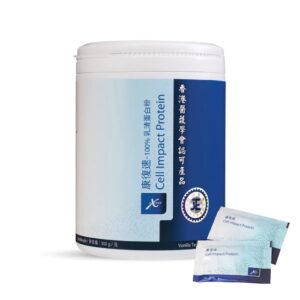
Single 10% off】aXimed – Recovery Speed 100% Whey Protein Powder 30 sachets
Original price was: $558.00.$502.00Current price is: $502.00. Add to basket -
Sale!
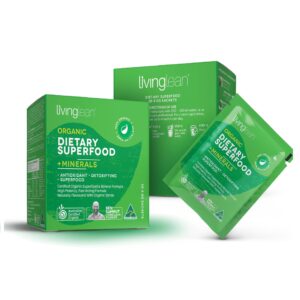
Livinglean – Organic Dietary Mineral Powder 8g x 20 sachets
Original price was: $368.00.$298.00Current price is: $298.00. Add to basket
Related Post:
![| 香港成年人在家閱讀無品牌補充品標籤,桌上有蔬菜與水]()
Hong Kong Liver Health Product Insight Report 2024-2025: Liver-Protecting Formulas Decline, Q10 Increases
![香港成年人在家閱讀與休息,從日常習慣開始理解腦部健康]()
Hong Kong Brain Health Insight Report 2024–2025: Differentiating Fish Oil, Memory Formulas, and Vitamin B12 from 87 Products
![香港上班族在窗邊暫停看屏幕,讓雙眼休息並重新整理眼晴健康選擇]()
Eye Health Insight Report 2024-2025: Beyond Lutein – Fish Oil Accounted for 76.41% of Store Revenue Among 98 Products (TP4T)
![香港家庭查看空氣質素並整理呼吸健康資料]()
Hong Kong Respiratory Health Product Insight Report 2024–2025: Cough, Nasal Allergies, and Sore Throat Are Not the Same Thing